

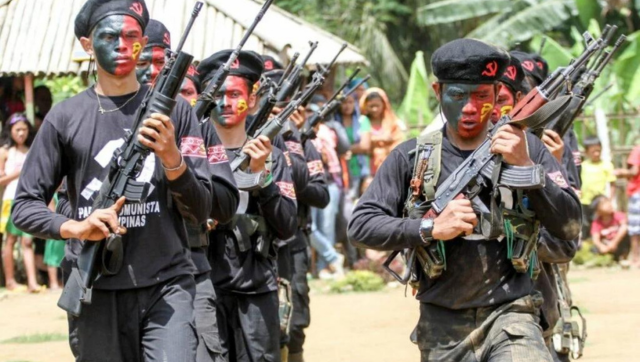
 "Philippines: Government, rebels agree to conduct peace talks")
After a six-year break, the Philippine government and the nation’s communist rebels have decided to resume peace talks with the goal of putting an end to decades of armed conflict, the parties and their facilitator, Norway, announced on Tuesday. For more than 50 years, the New People’s Army (NPA), the military wing of the Communist Party of the Philippines (CPP), has been engaged in a deadly battle with the government that has claimed over 40,000 lives. Norway’s foreign ministry disclosed on Tuesday that high-ranking delegations from both sides had last week agreed to a “common vision for peace” that aimed to resolve important barriers. Negotiations will bring an end to the rebels’ military fight and allow them to become a political movement, according to Norway, which has been assisting the peace process in the South East Asian island nation for around two decades. In their joint statement, the parties stated that “the parties agree to a principled and peaceful resolution of the armed conflict” and that “deep rooted socioeconomic and political grievances” will be addressed in the peace negotiations. Government Peace Process Adviser Carlito Galvez stated at a press conference in Manila that one of the objectives of the discussions was to remove the Communist Party and its allied groups from a government list of designated terror organisations. However, no immediate truce was declared, and General Romeo Brawner, the head of the Philippine military, stated that operations against the insurgents would go on. The last formal negotiations took place in 2017, but they were bitterly ended by then-President Rodrigo Duterte, whose attempt to pick up the pieces also fell through. Midway through 2022, he departed from government, and Ferdinand Marcos Jr. took over. Contact between the parties was maintained by Norwegian facilitators, which resulted in private discussions and a covert signing ceremony on Nov. 23 at Oslo City Hall that was attended by a number of Philippine government ministers as well as exiled rebel commanders. Less than a week has passed since Marcos Jr. signed an order giving amnesty to a number of rebel factions, including former communist members. Under the amnesty order, former CPP, NPA and NDFP members would be absolved of crimes they committed “in pursuit of political beliefs”. The last formal negotiations took place in 2017, but they were bitterly ended by then-President Rodrigo Duterte, whose attempt to pick up the pieces also fell through. Midway through 2022, he departed from government, and Ferdinand Marcos Jr. took over. Contact between the parties was maintained by Norwegian facilitators, which resulted in private discussions and a covert signing ceremony on Nov. 23 at Oslo City Hall that was attended by a number of Philippine government ministers as well as exiled rebel commanders. Less than a week has passed since Marcos Jr. signed an order giving amnesty to a number of rebel factions, including former communist members. Former members of the CPP, NPA, and NDFP would not be held accountable for crimes they committed “in pursuit of political beliefs” under the terms of the amnesty order. (With agency inputs)
Contact between the parties was maintained by Norwegian facilitators, which resulted in private discussions and a covert signing ceremony on Nov. 23 at Oslo City Hall that was attended by a number of Philippine government ministers as well as exiled rebel commanders
Advertisement
End of Article


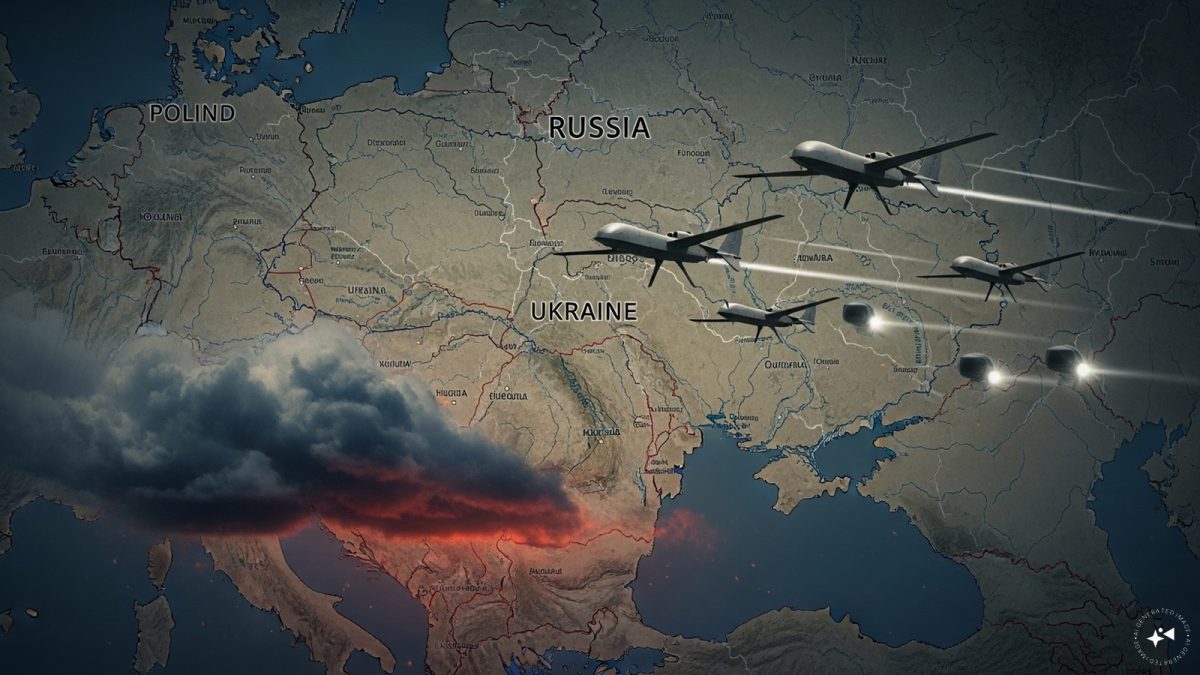 "Russian drones over Poland: Trump’s tepid reaction a wake-up call for Nato?")
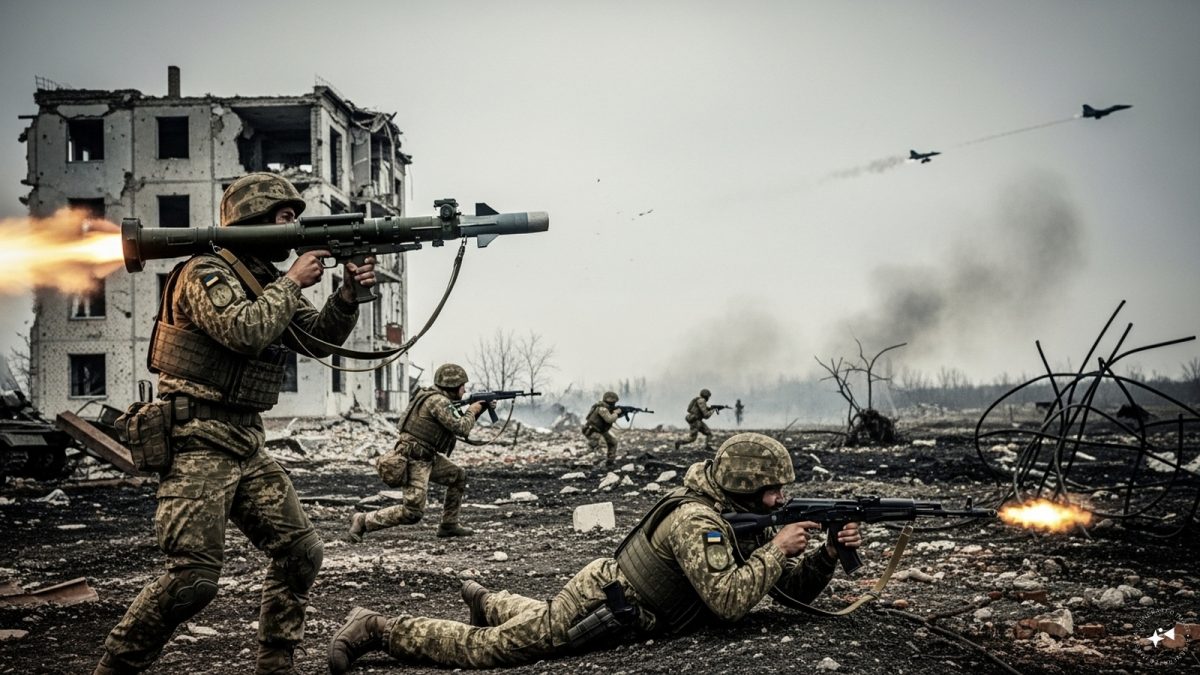 "As Russia pushes east, Ukraine faces mounting pressure to defend its heartland")
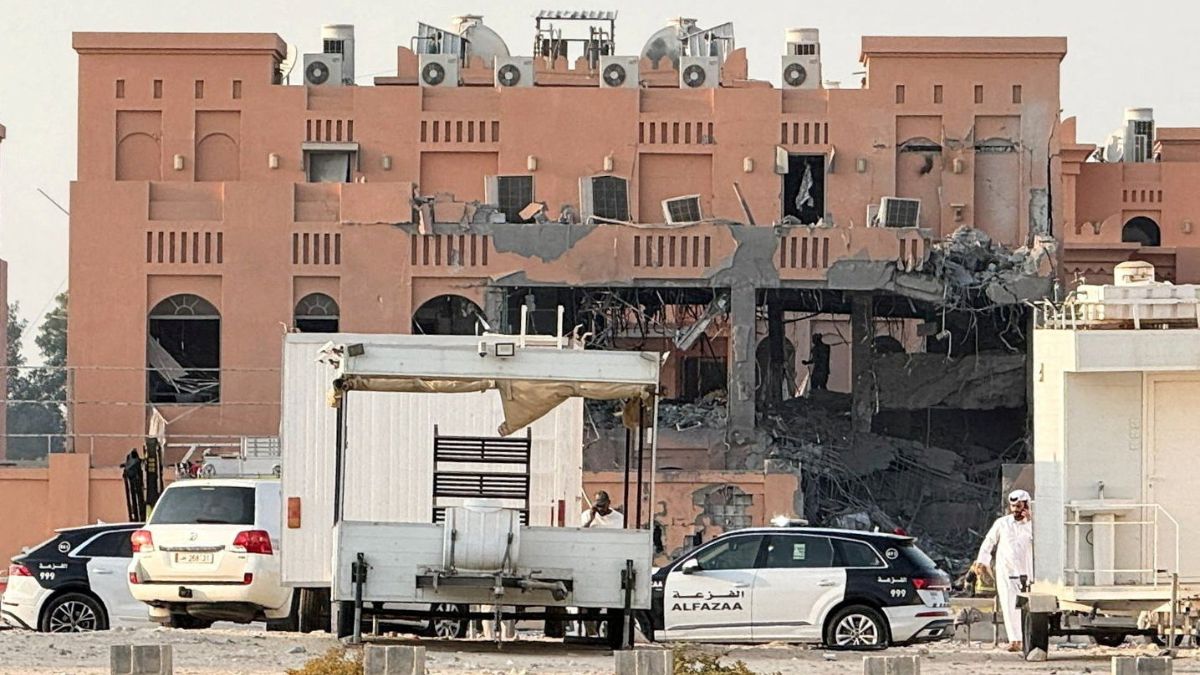 "Why Mossad was not on board with Israel’s strike on Hamas in Qatar")
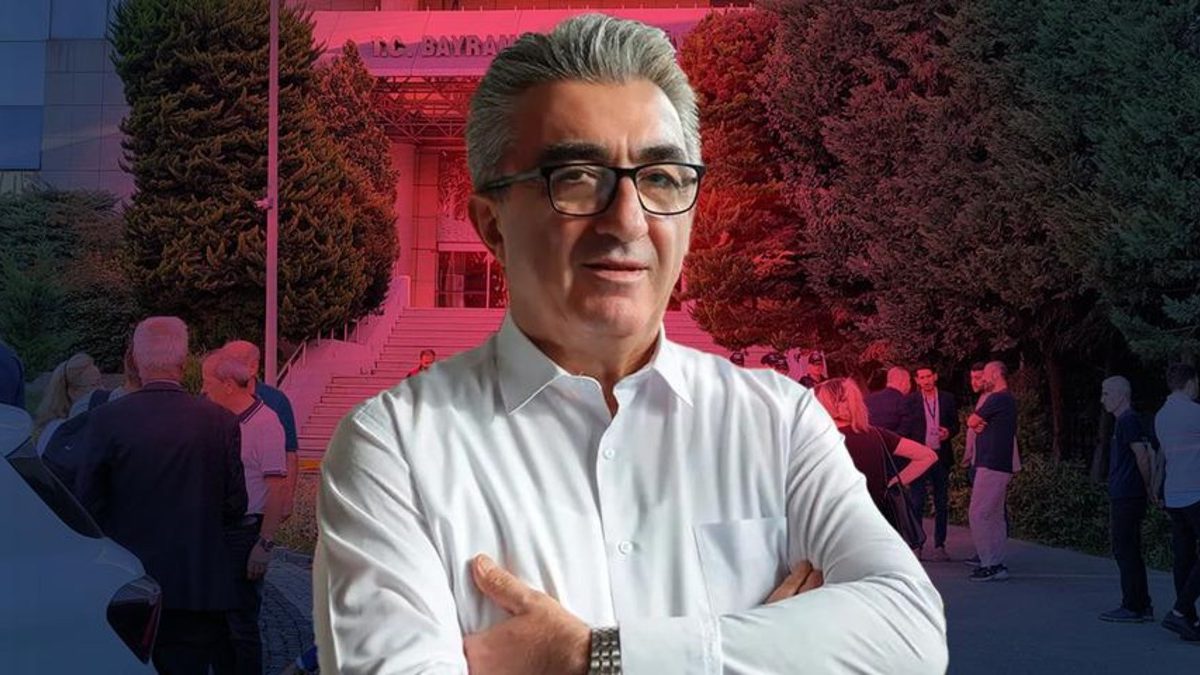
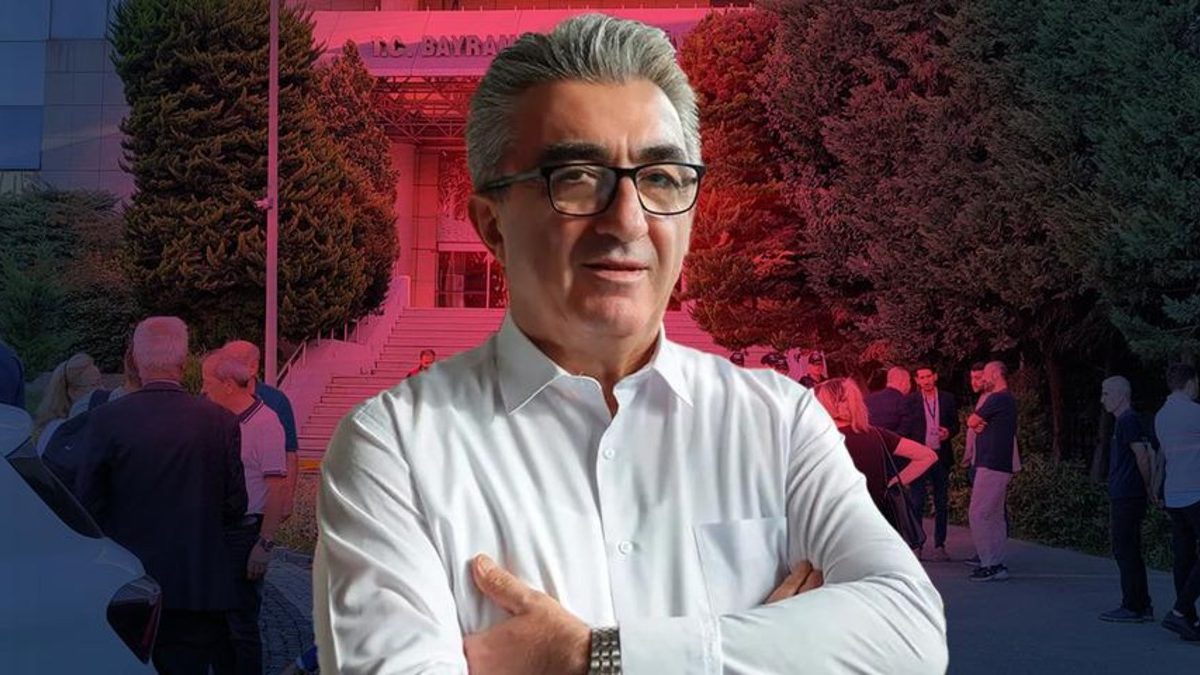 "Turkey: Erdogan's police arrest opposition mayor Hasan Mutlu, dozens officials in corruption probe")
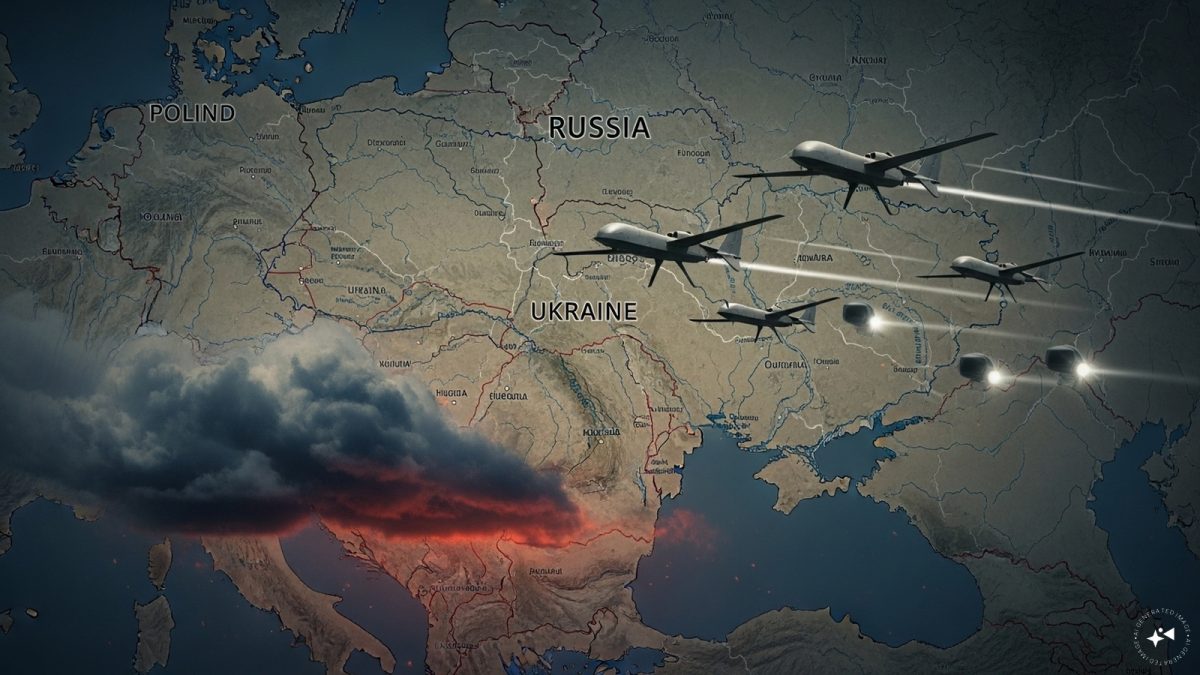 "Russian drones over Poland: Trump’s tepid reaction a wake-up call for Nato?")
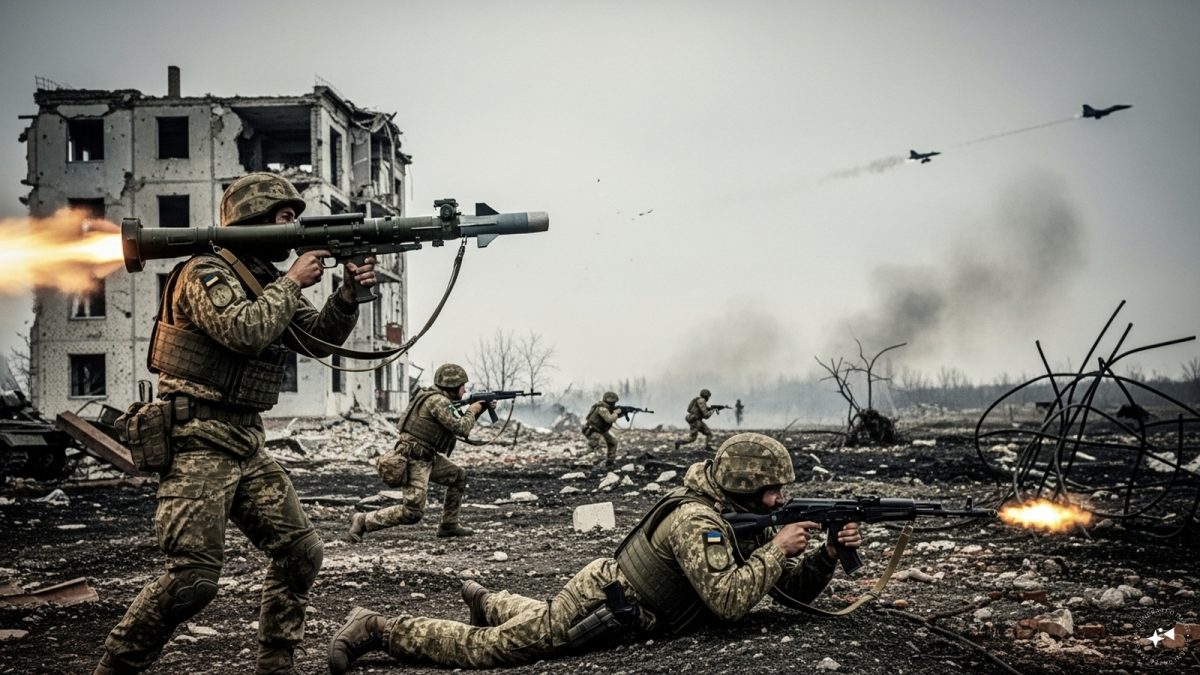 "As Russia pushes east, Ukraine faces mounting pressure to defend its heartland")
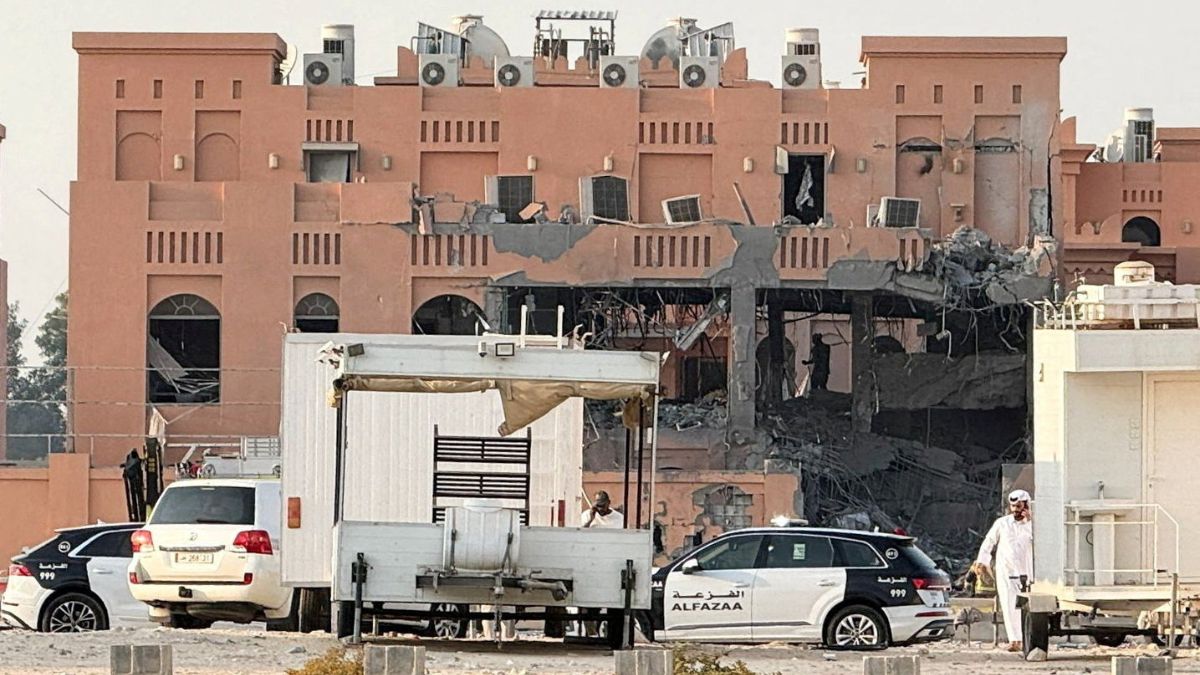 "Why Mossad was not on board with Israel’s strike on Hamas in Qatar")
 "Turkey: Erdogan's police arrest opposition mayor Hasan Mutlu, dozens officials in corruption probe")



