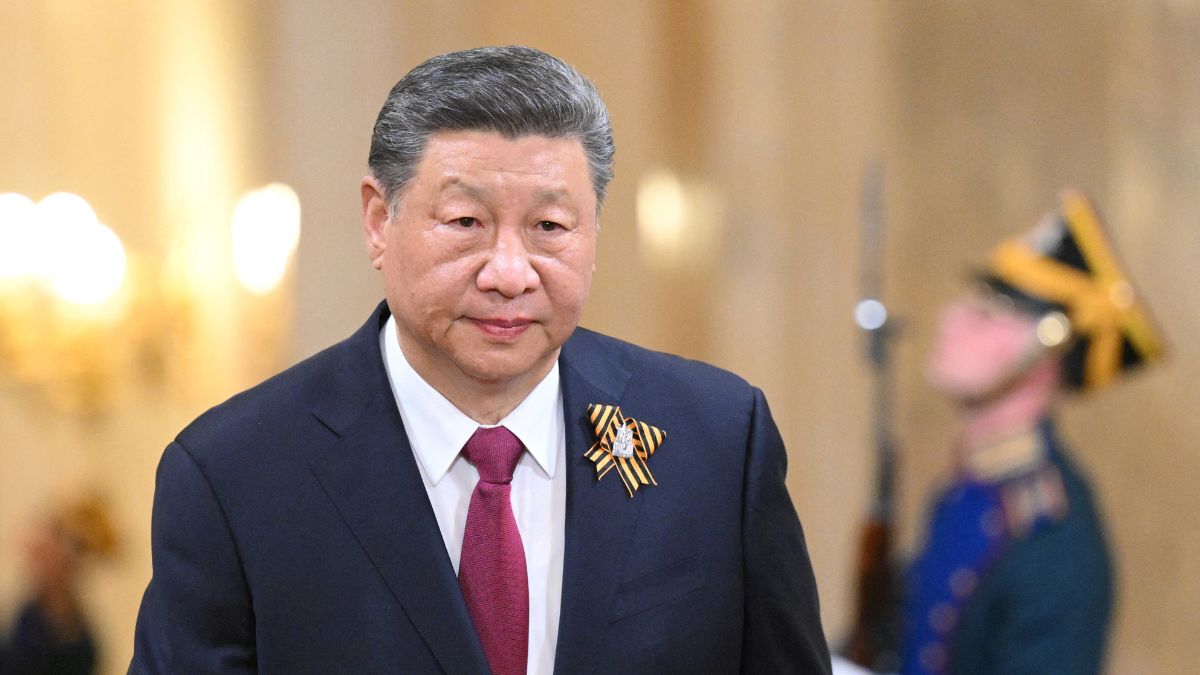
 "Peacemaker or headline grabber? China mediates Af-Pak talks, pushes Iran ceasefire in a single day")
As the world faces one conflict after another, a new mediator has emerged on the horizon to push for peace. It was the United States and Qatar that mediated between Israel and Hamas. The two nations have taken a backseat in terms of dealing with the war between Afghanistan and Pakistan on one hand and the US-Israel’s latest war on Iran.
Hence, the new state that is bidding itself as the mediator in these global conflicts is China. On Thursday, Pakistan and Afghanistan confirmed that they are holding talks in China aimed at ending the worst conflict between the South Asian neighbours since the Afghan Taliban returned to power in 2021.
Meanwhile, as the war in West Asia enters its second month, choking the world’s energy supply and sending oil prices soaring, China is trying to step in as a peacemaker. China held diplomatic engagements aimed at resolving two separate conflicts on Thursday — mediating talks between Pakistan and Afghanistan, which have been engaged in cross-border fighting since late February, while its foreign minister held calls with European counterparts on achieving a West Asia ceasefire.
The twin diplomatic moves were presented as evidence of China’s growing ambitions as a global peacemaker — coming at a moment when US credibility as a conflict manager is under strain from the contradictions of its own Iran campaign.
Here’s a look at why China is eyeing a role as the peacemaker in both conflicts.
China’s leverage in the Pakistan and Afghanistan issues
Senior officials from both nations held preliminary talks in the northwestern Chinese city of Urumqi to try to secure a ceasefire to end months of cross-border attacks, Pakistan’s Foreign Ministry spokesperson Tahir Andrabi said on Thursday.
Andrabi told reporters in Beijing that the government hoped for a “durable solution”. “Our participation [in talks] is a reiteration of our core concerns,” he said. “The burden of real process, however, lies with Afghanistan, which must demonstrate visible and verifiable actions against terrorist groups using [its] soil against Pakistan.”
Quick Reads
View AllMeanwhile, after China’s request for talks, Afghanistan’s Taliban government said it had sent a “mid-level delegation” to Urumqi. The Afghan side “intends to hold comprehensive and responsible talks with the other side on good neighbourliness, strengthening trade relations, and effective management of security issues”, Foreign Ministry spokesman Abdul Qahar Balkhi said.
It is pertinent to note that China borders both countries and has been trying to mediate a negotiated settlement to the conflict. In light of this, Beijing deployed a special envoy to try to broker a deal last month, but the diplomatic effort was followed by Pakistani strikes on a Kabul rehab centre that prompted international condemnation.
The ongoing fight is not good news for China since the Asian dragon has heavy investments in both nations. These investments and loans also give China leverage to negotiate between the two nations, whose economies depend significantly on Beijing’s support. Hence, China can be a strong mediator in the ongoing conflict between the neighbours.
On the Iran issue
Since the start of the war, China has backed Pakistan’s efforts, aligning itself with the aims of Gulf countries affected by the spread of the conflict in the region. Officials in Beijing and Islamabad have presented a five-point plan with the aim of bringing about a ceasefire and reopening the vital Strait of Hormuz.
While Pakistan has been a US ally in the past and seems to have won over US President Trump to mediate this conflict, Beijing, however, is entering the fray as a rival to Washington, ahead of crucial trade talks between Chinese leader Xi Jinping and Trump next month.
Some analysts have described China’s West Asia initiative as a calculated headline-grabber, reinforcing Beijing’s image as a responsible power amid US stumbles — rather than a substantive contribution to ending the conflict.
China has no military footprint in the West Asia region, unlike the US, and has not built the institutional trust among Gulf powers that effective mediation typically requires, limiting its ability to translate diplomatic positioning into concrete outcomes.
This can be reflected by the fact that the China-Pakistan Five-Point Initiative on Iran, released earlier this week, has already been rejected by Tehran in its current form — suggesting the gap between Beijing’s diplomatic profile and its actual leverage in the region remains wide.

 "Iran Israel War Live News: Kuwait's desalination plant, oil refinery hit by drones as Iran vows 'crushing attacks' on infra")
 "From ‘India Out’ to ‘India please’: How New Delhi is aiding neighbours amid Iran war")
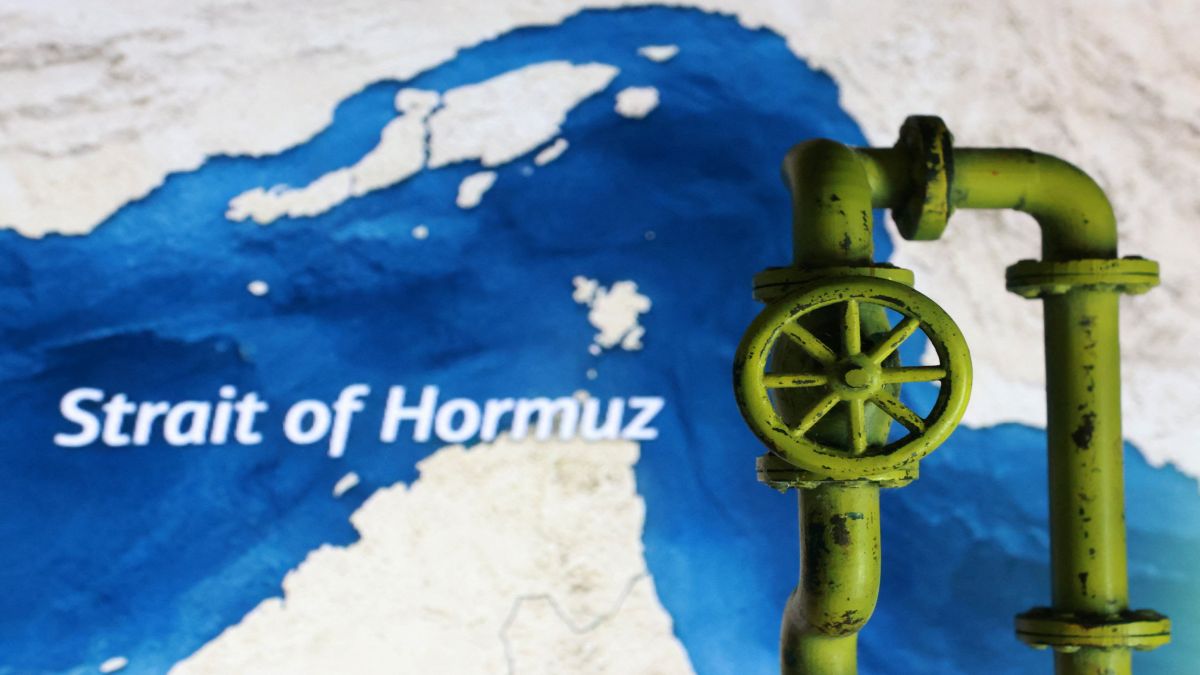 "From MRI to chip labs: Inside the silent helium crisis unfolding through Hormuz")
 "Rules-based order adrift as Iran war tests global norms")
 "Iran Israel War Live News: Kuwait's desalination plant, oil refinery hit by drones as Iran vows 'crushing attacks' on infra")
 "From ‘India Out’ to ‘India please’: How New Delhi is aiding neighbours amid Iran war")
 "From MRI to chip labs: Inside the silent helium crisis unfolding through Hormuz")
 "Rules-based order adrift as Iran war tests global norms")