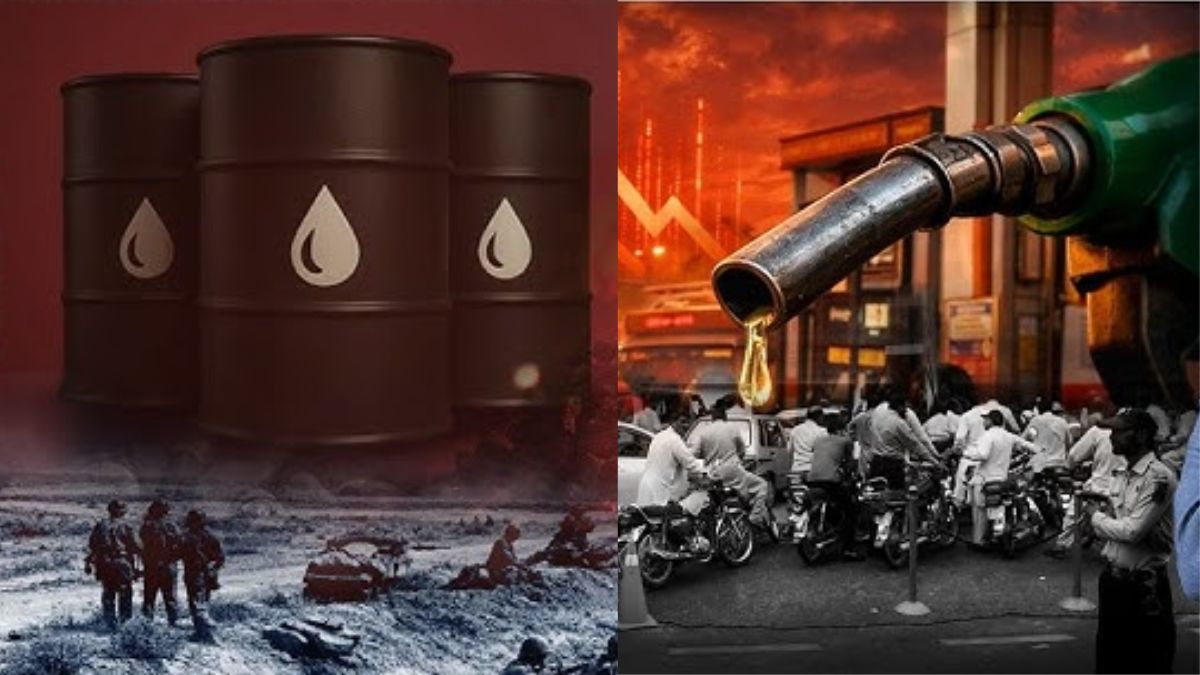
 "Pakistanis bear the brunt as government hikes fuel prices amid Iran war")
Pakistan is witnessing mounting public anger after a sharp increase in fuel prices as the government passes on the impact of rising global oil costs driven by the ongoing Iran war. The steep hike has intensified pressure on households already grappling with inflation and economic uncertainty.
The government recently raised petrol and diesel prices by record margins, citing volatility in international oil markets as the conflict in the West Asia disrupts supply chains and drives up crude prices. Officials argue that the move was unavoidable to manage fiscal pressures and maintain fuel availability.
However, for ordinary Pakistanis, the increase has translated into immediate hardship, with transportation, food and essential goods becoming more expensive almost overnight.
Iran War Disrupts Pakistan Oil Supply; Petrol and Diesel Prices Rise by Up to 55%
Record hikes ignite public fury and economic alarm
“What’s a poor man to do?” has become a rallying phrase in viral posts, as rickshaw drivers, daily wage workers, and middle-class families brace for cascading effects. Transport costs have skyrocketed, triggering shortages and black-market premiums in some areas. Karachi residents report panic buying emptying stations, while Lahore sees protests brewing over the “crushing” burden on the vulnerable.
Economists warn that the fuel hike could have a cascading effect on Pakistan’s already fragile economy. Higher energy costs are expected to push up production and logistics expenses, potentially slowing economic activity and worsening inflation in the coming months.
The situation is particularly challenging for lower and middle-income groups, who spend a larger share of their income on fuel and basic necessities. For many, the latest hike has further eroded purchasing power, raising concerns about affordability and living standards.
War fallout exposes Pakistan’s energy vulnerability
The government has defended the decision, pointing to the extraordinary circumstances created by the Iran war, which has tightened global oil supplies and increased import costs for energy-dependent countries like Pakistan.
Officials have also stressed the need to meet fiscal targets and manage external obligations, leaving limited room for subsidies. At the same time, they have urged the public to brace for continued volatility as the geopolitical situation remains uncertain.
Analysts say the crisis underscores Pakistan’s vulnerability to external shocks, particularly fluctuations in global energy markets. The latest developments highlight the difficult balancing act facing policymakers, managing economic stability while cushioning citizens from the impact of global conflicts.
Quick Reads
View AllWith no immediate resolution to the Iran war in sight, fuel prices could remain elevated, prolonging economic stress and keeping pressure on both the government and the public.