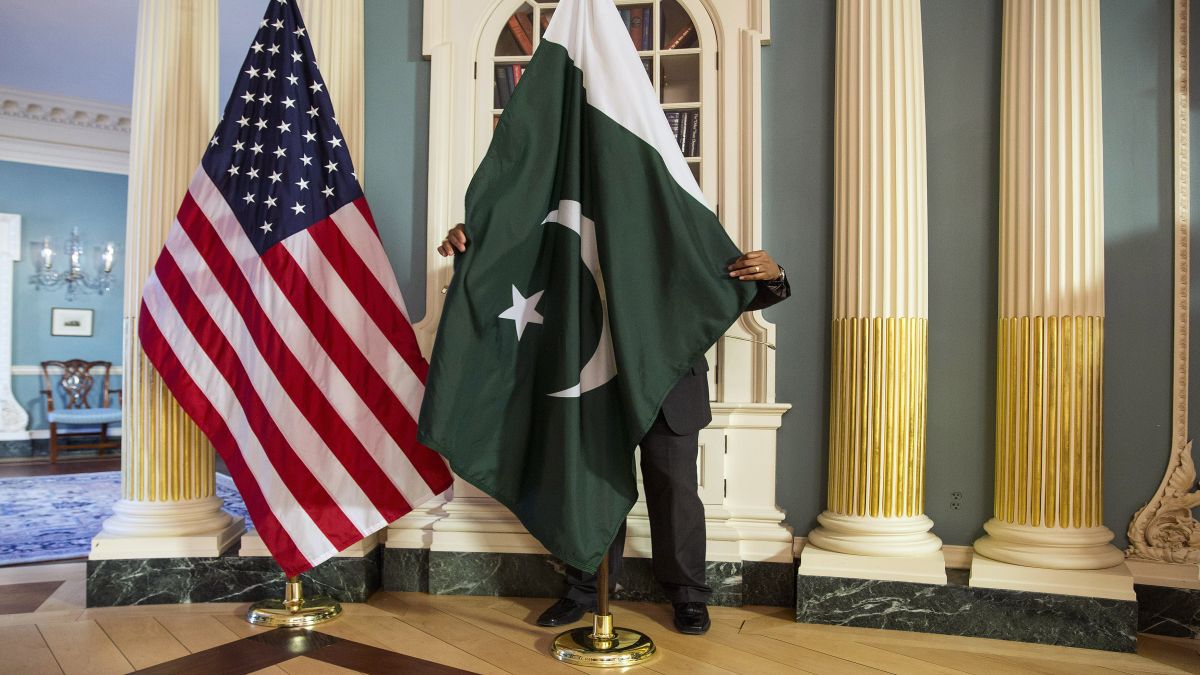
 "Pakistan safe haven for terrorists, 15 major terror groups still active: US report")
At a time when Pakistan seeks to position itself as a mediator in the West Asia conflict, a recent report by the US Congressional Research Service (CRS) casts serious doubt on its credibility, stating that the country continues to serve as a safe haven for a range of militant groups despite years of military operations and policy shifts.
15 groups still active despite National Action Plan
The report notes that, even after the 2014 National Action Plan aimed at dismantling armed networks, at least 15 major groups remain active across five categories — global, Afghanistan-focused, India- and Kashmir-focused, domestic, and sectarian. Of these, 12 are designated as Foreign Terrorist Organisations under US law, with most driven by extremist ideologies.
India and Kashmir-focused outfits remain active
It highlights the continued presence of US- and UN-designated groups operating within Pakistan, pointing in particular to India-focused outfits such as Hizbul Mujahideen and Jaish-e-Mohammed, which reportedly maintain active cadres.
The report also reiterates concerns over Lashkar-e-Taiba, held responsible for the 2008 Mumbai attacks, alongside Jaish and Hizbul, which have historically focused on Kashmir.
Contrasting claims amid regional tensions
While Islamabad has accused India of backing militants in Balochistan and Khyber Pakhtunkhwa — allegations New Delhi has consistently denied — US officials have, in turn, linked the Haqqani Network to Pakistan’s intelligence establishment. The network is led by Sirajuddin Haqqani, currently Afghanistan’s interior minister.
Religious freedom concerns continue
Despite being removed from the FATF grey list in 2022, Pakistan remains designated by the US as a “Country of Particular Concern” on religious freedom. The CRS report notes that some madrassas continue to propagate doctrines that could foster extremist ideologies.
Wide spectrum of militant groups operating
The report points to the continued activity of groups such as Sipah-e-Sahaba, Lashkar-e-Jhangvi, and Al Qaeda in the Indian Subcontinent, highlighting the scale and diversity of the militant ecosystem.
Rising terror toll; TTP remains the deadliest threat
The report further flags a sharp rise in terrorism-related deaths, which reached 4,001 in 2025 — the highest in over a decade. The Tehrik-i-Taliban Pakistan remains the most lethal domestic threat, seeking the imposition of Sharia law in Khyber Pakhtunkhwa.
Pakistan’s long backing of terror networks
The findings reinforce long-standing concerns raised by India and other nations about Pakistan’s use of cross-border terrorism as a state policy.
New Delhi has repeatedly pointed to the role of Pakistan-based groups in major attacks with backing of its military and the ISI , including the 2008 Mumbai attacks and the 2019 Pulwama attack and many more.

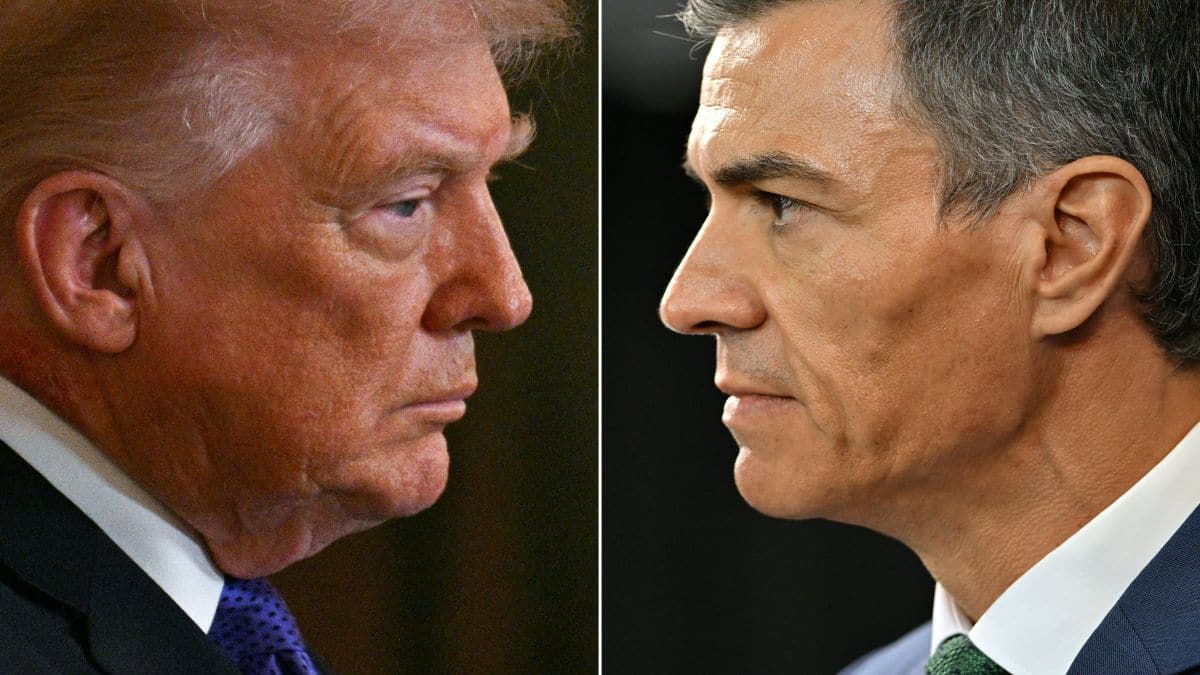
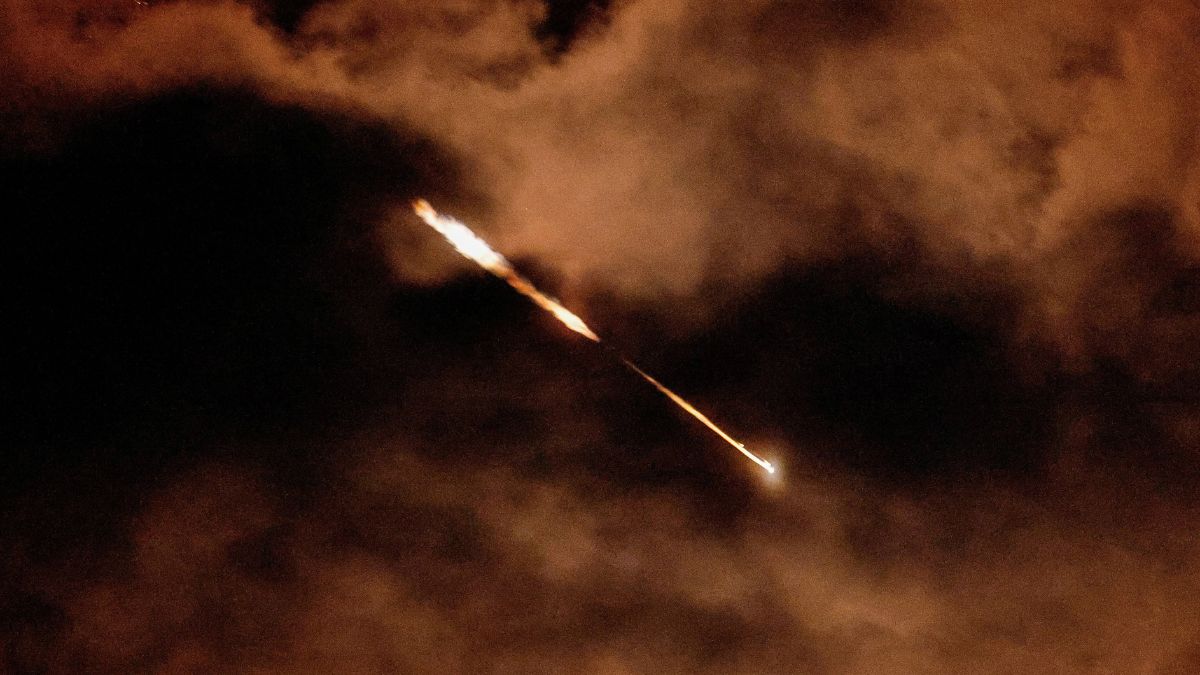 "Iran War Live Updates: 4 soldiers killed, 2 injured in southern Lebanon, Israeli army says")
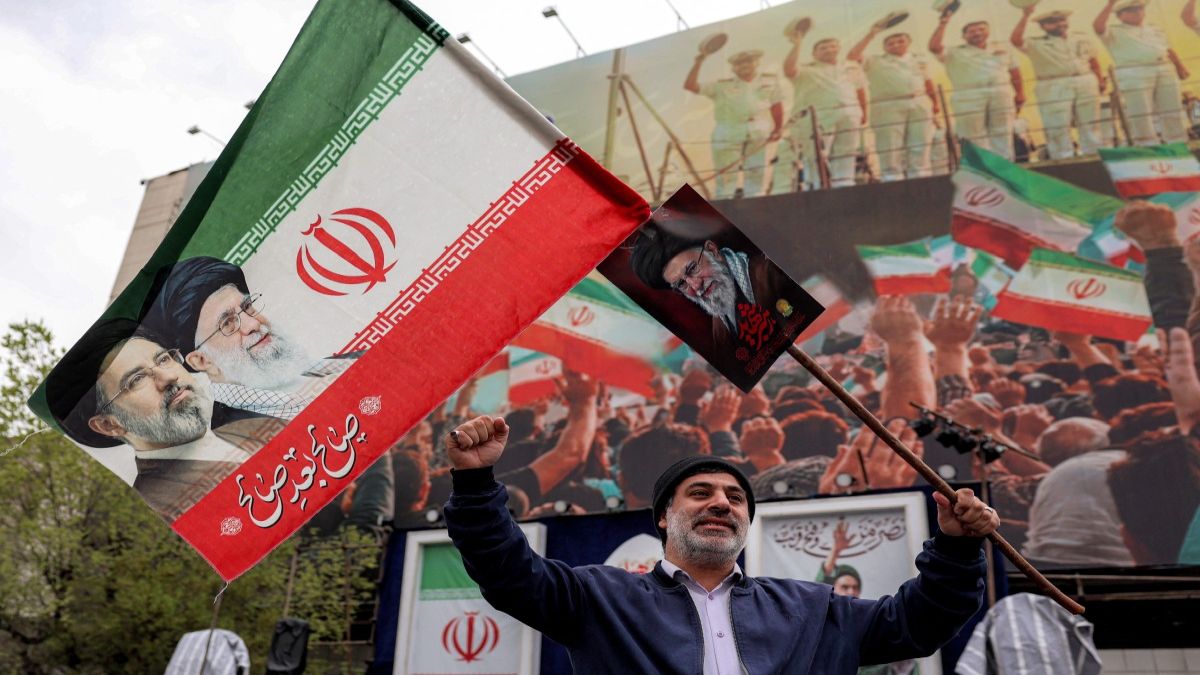 "Hormuz choke: Iran doesn’t need to win the war, it just needs to make it too expensive to finish")
 "Iran approves plan to impose toll on ships passing through Strait of Hormuz")
 "Why has Spain closed its airspace to US planes amid the Iran war?")
 "Iran War Live Updates: 4 soldiers killed, 2 injured in southern Lebanon, Israeli army says")
 "Hormuz choke: Iran doesn’t need to win the war, it just needs to make it too expensive to finish")
 "Iran approves plan to impose toll on ships passing through Strait of Hormuz")
 "Why has Spain closed its airspace to US planes amid the Iran war?")