

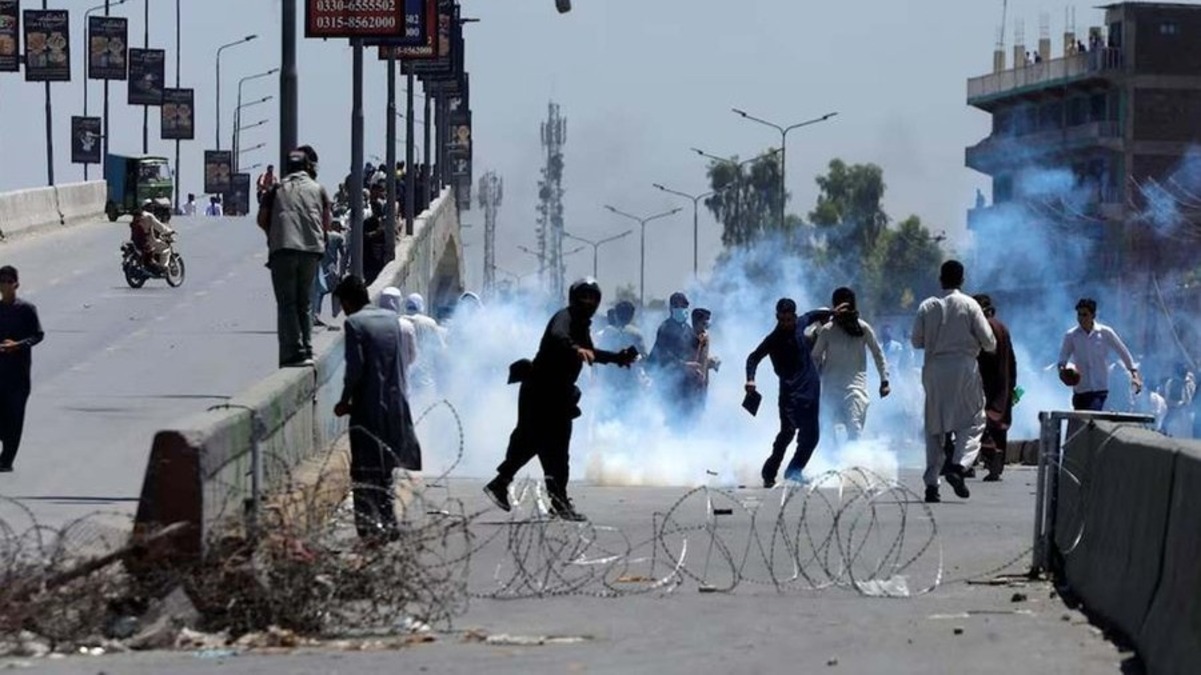
 "Pakistan: Sindhudesh demand sparks violent clashes and mass arrests in Karachi")
Pakistan is on the boil as massive protests in Karachi demanding a separate Sindhudesh escalated into violence. Demonstrators took to the streets on Sindhi Culture Day on Sunday, calling for an independent Sindhudesh — a long-standing demand of Sindhi nationalist groups, India Today reported. The situation soon spiralled, with stone pelting, vandalism and clashes with police across parts of the city.
Slogans of ‘Azadi’ and ‘Pakistan Murdabad’
Report says a large group of Sindhis, mobilised under the banner of Jiye Sindh Muttahida Mahaz (JSSM), raised slogans of “Azadi” (freedom) and “Pakistan Murdabad”, intensifying their call for Sindh’s liberation. Sindhudesh, the ancient name for modern-day Sindh, refers to the province located along the Indus River that became part of Pakistan during the Partition of 1947.
#BREAKING
— TRIDENT (@TridentxIN) December 8, 2025
Mass protests in Karachi demanding Sindhudesh.
The truth is simple: Sindh was never truly Pakistan.
It’s part of the same civilizational fold as Bharat ,history proves it every time.#FreeSindh #SindhudeshMovement pic.twitter.com/6IhwZMHSGT
Clashes after rally route diverted
Tensions escalated sharply after authorities diverted the rally route, angering thousands of participants. Police used tear gas to disperse the crowd. Reports say at least 45 people were detained, while Dawn reported that five police personnel were injured. The government has directed police to identify and arrest those involved in vandalising property and damaging police vehicles.
Claims of repression and appeals to UN, PM Modi
For years, Sindhi groups have accused Pakistan’s authorities of repression and human rights violations. Earlier this year, the JSSM, led by its exiled chairperson Shafi Burfat, appealed to the United Nations to recognise Sindhudesh as an independent nation. The group also urged Prime Minister Narendra Modi to support the movement, citing cultural and historical links with India.
In its statement, the outfit accused Pakistan’s security forces of “serious human rights abuses”, such as enforced disappearances, torture and extrajudicial killings, and alleged that anti-terrorism laws were being misused against Sindhudesh activists.
Fresh political chatter around Sindh
The latest protests come amid renewed political discussion within Pakistan. A Pakistani news channel recently aired a segment in which a journalist and an expert claimed MQM chief Altaf Hussain had told former Sindh home minister Zulfiqar Mirza that after the 18th Amendment, “the Sindhudesh card is now in our hands”.
In India, the issue drew attention after Defence Minister Rajnath Singh said many Sindhi Hindus of his generation “never fully accepted” the region’s separation from India in 1947. “Who knows, tomorrow Sindh may return to India again,” he added, emphasising the civilisational links tied to the Indus River, which is also referenced in India’s national anthem.
A movement rooted in decades of history
The Sindhudesh demand dates back to 1967 under the leadership of GM Syed and Pir Ali Mohammed Rashdi, and gained momentum after the 1971 liberation of Bangladesh. Sindhi nationalists have long highlighted the province’s distinct ethnic, linguistic and historical identity linked to the Indus Valley Civilisation.
While there is little political push within Sindh for a merger with India, nationalist outfits continue to seek greater autonomy within Pakistan or an independent Sindhudesh.

 "Why is Mexico raising tariffs on Indian goods? How big will the impact be?")
 "Trump Gold Card is here: Which US visa does it replace? How does it differ from green card?")
 "Delhi court denies anticipatory bail to Luthra brothers in Goa nighclub fire case")
 "Pakistani military court sentences ex-ISI chief Faiz Hameed to 14 years")
 "Why is Mexico raising tariffs on Indian goods? How big will the impact be?")
 "Trump Gold Card is here: Which US visa does it replace? How does it differ from green card?")
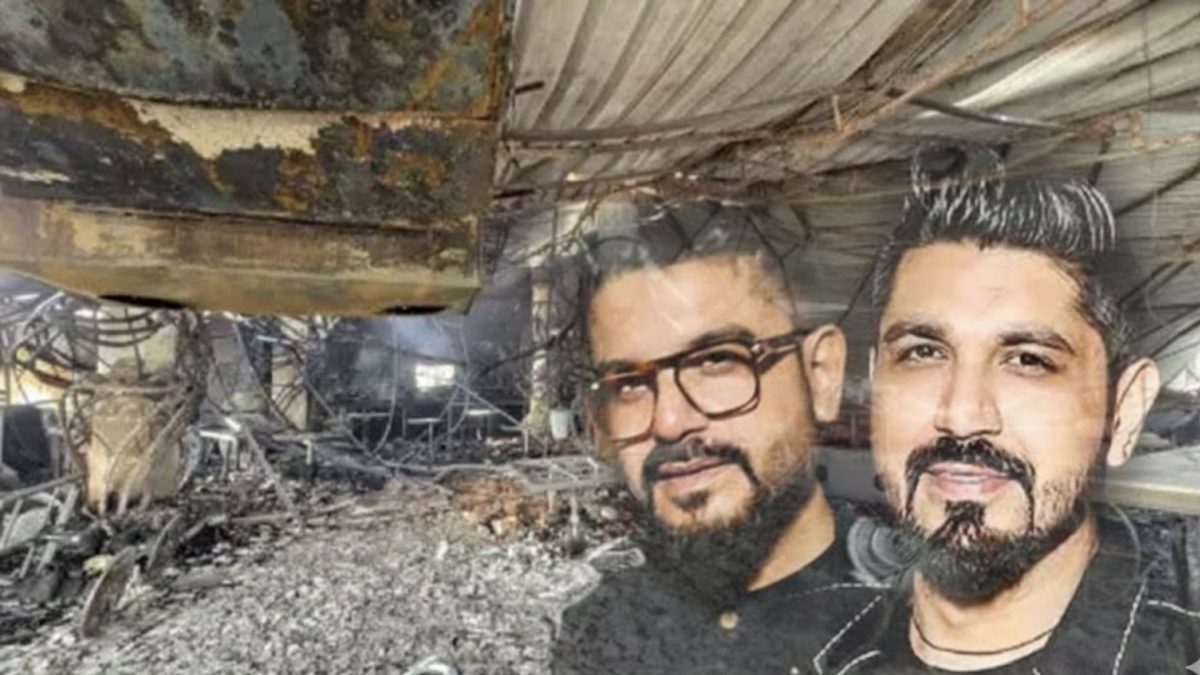 "Delhi court denies anticipatory bail to Luthra brothers in Goa nighclub fire case")
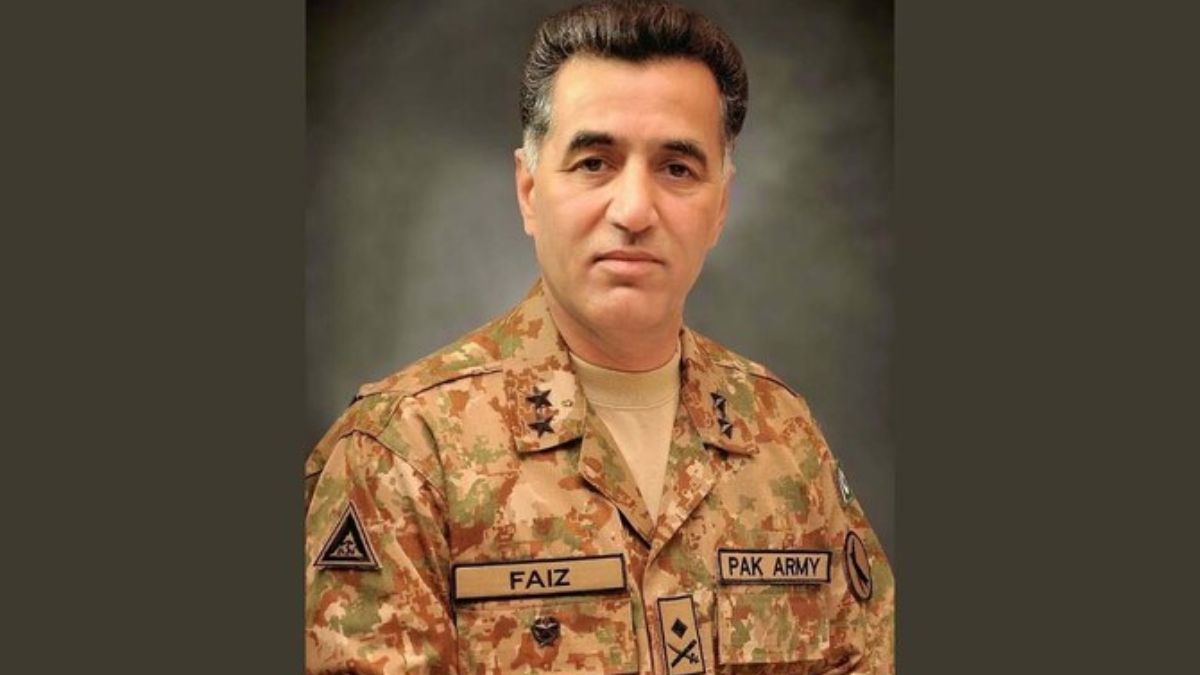 "Pakistani military court sentences ex-ISI chief Faiz Hameed to 14 years")



