

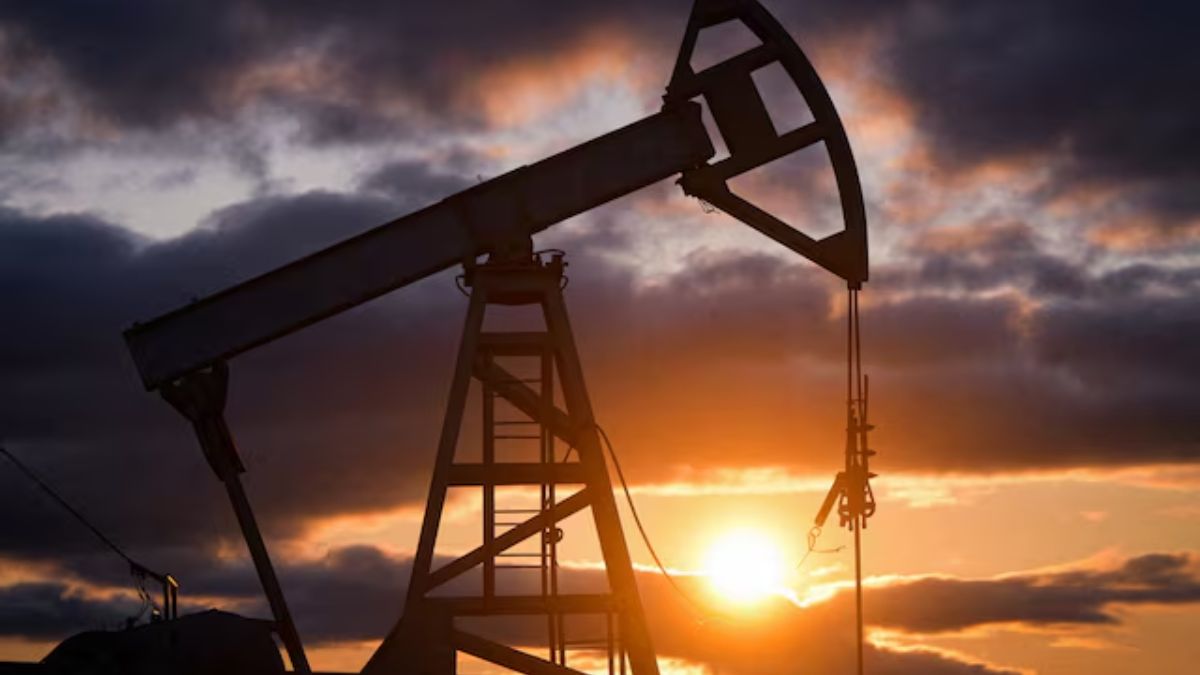
 "Oil prices rise, stocks fall as West Asia tension overshadows strong supply outlook")
Oil prices rose and major stock markets mostly retreated Thursday as the prospect of a widening Middle East conflict that could disrupt crude oil flows from the region overshadowed a stronger global supply outlook.
Brent crude futures were up $1.02, or 1.38 per cent, to $74.92 a barrel at 0840 GMT. US West Texas Intermediate crude futures were up $1.10, or 1.57 per cent, to $71.20.
“Following the initial jitters from geopolitical risks in the Middle East, we have seen some calm return to global markets, but of course, with market participants still keeping a side-eye on any upcoming Israeli response,” Yeap Jun Rong, a market strategist at IG told Reuters.
Wall Street shares were down in early deals while the London, Paris and Frankfurt stock exchanges were in the red in afternoon deals.
A strike by US dockworkers and speculation about the US Federal Reserve’s next move on interest rates also had an influence on investors.
The dollar gained, helped by its haven status, with the British pound sinking more than one percent against the greenback as Bank of England chief Andrew Bailey hinted at faster cuts to UK borrowing costs.
In Asia, Tokyo closed two percent higher as the yen came off the boil.
Hong Kong fell for the first time in more than a week after a blistering surge fuelled by China’s bold steps to stimulate its weak economy.
The international benchmark for oil prices, Brent crude, topped $75 per barrel.
“Markets are in a state of suspense, bracing for Israel’s anticipated retaliation against Iran – a move that could catapult oil prices skyward,” independent markets analyst Stephen Innes told AFP.
Quick Reads
View All“Brent crude has settled around $75 a barrel for now, but any military strike, particularly one targeting Iran’s oil or nuclear infrastructure, could trigger a significant spike.”
Israel bombed Beirut early on Thursday, killing at least six people, after its forces suffered their deadliest day on the Lebanese front in a year of clashes with Iran-backed Hezbollah.
Israeli Prime Minister Benjamin Netanyahu said Iran would pay for its missile attack against Israel on Tuesday, while Tehran said any retaliation would be met with “vast destruction”, raising fears of a wider war.
“From here, it’s a waiting game to see what the Israeli response will be and I suspect that comes after the conclusion of the Rosh Hashanah holiday tomorrow,” IG market analyst Tony Sycamore told Reuters.
“Preclusion of anything in the Middle East is a mistake, which is why the market remains at present defensively bid…expansion of war and its damage will need to be proven before oil market participants will shake off the over-riding presence of scepticism,” Reuters quoted John Evans, analyst at oil broker PVM as saying.
With inputs from agencies.

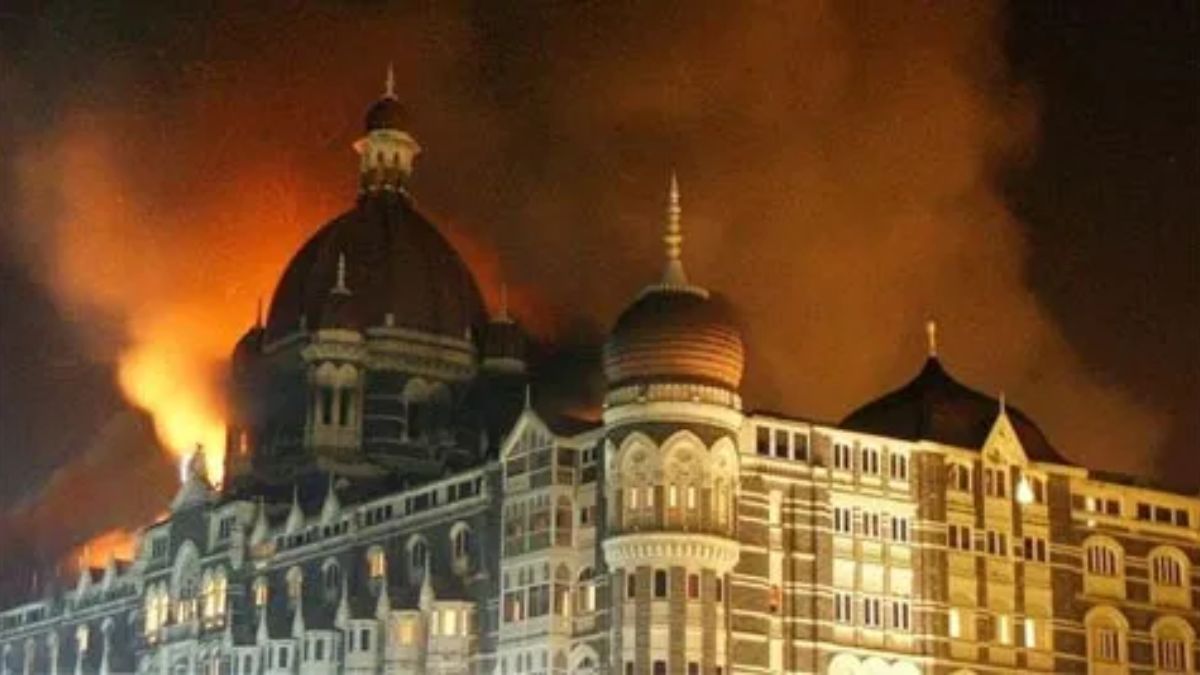 "17 years of 26/11: 9 terrorists killed, one hanged; 2 acquitted, justice waits for 6")
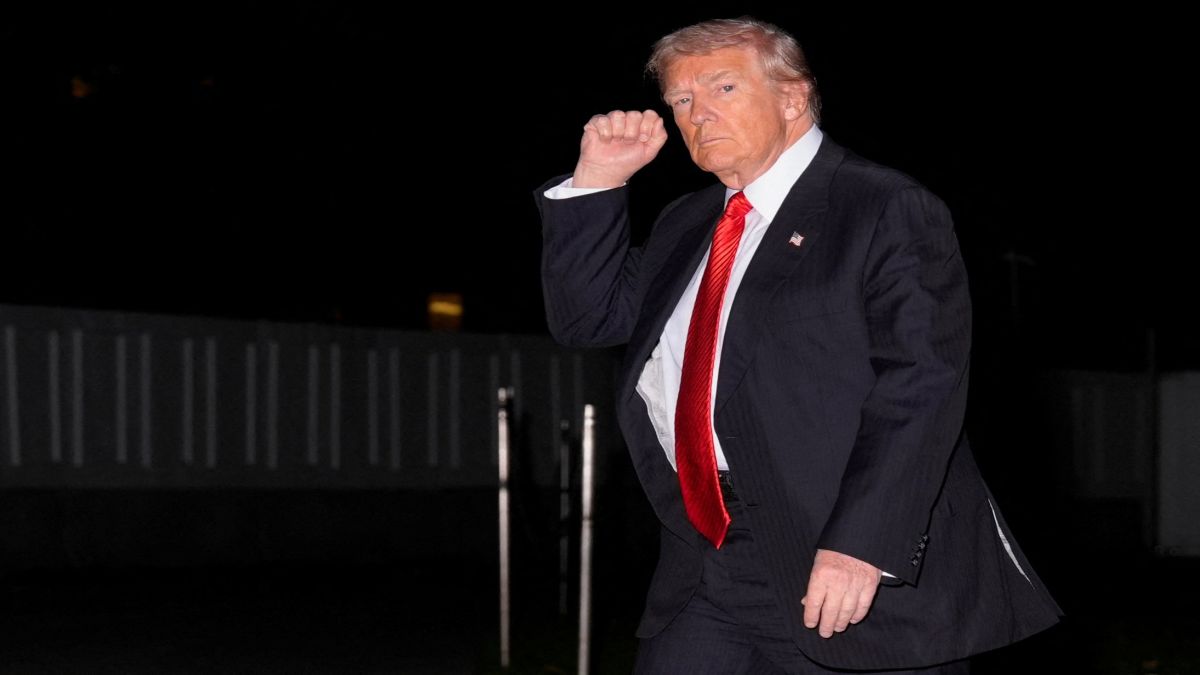 "Georgia drops landmark case accusing Trump, allies of 2020 election meddling")
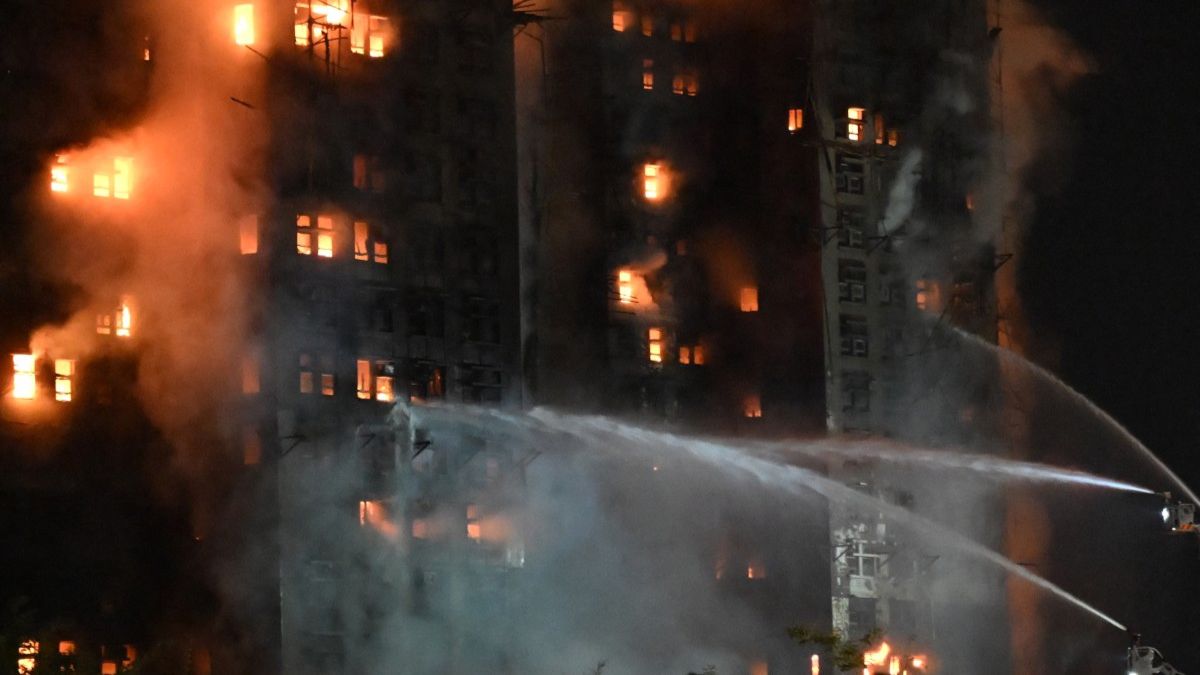 "At least 36 killed, hundreds missing after fire engulfs high-rise buildings in Hong Kong")
 "Deadline diplomacy: Trump’s Gaza-style playbook faces a tougher test in Ukraine truce push")
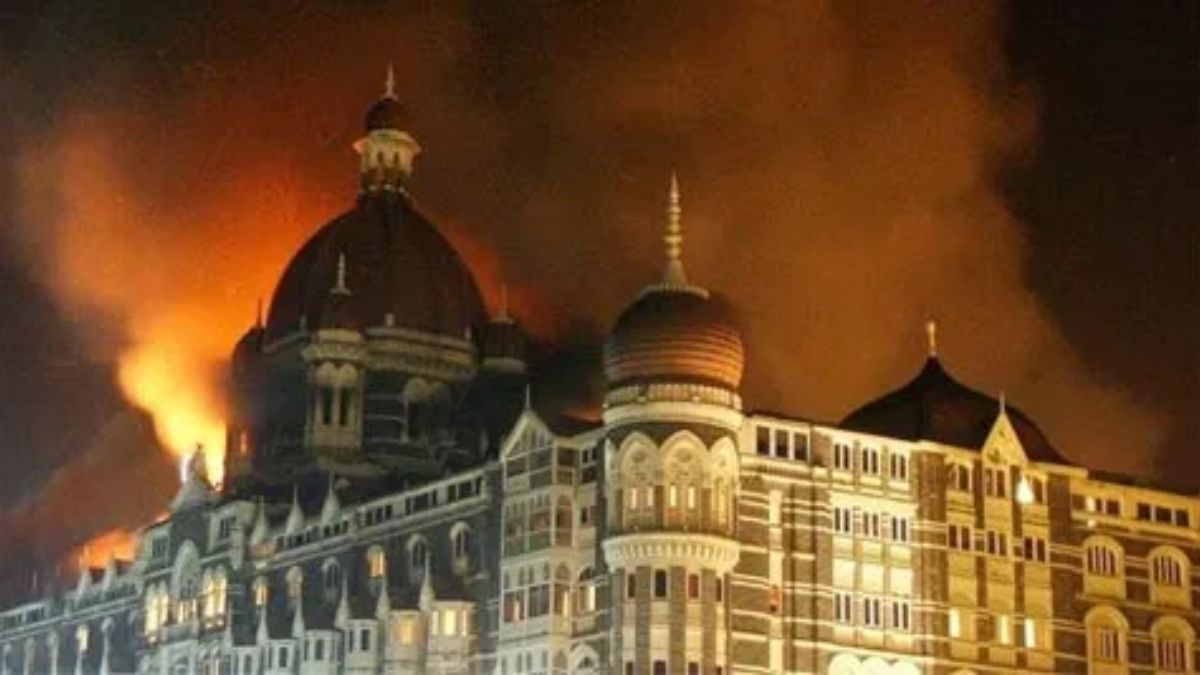 "17 years of 26/11: 9 terrorists killed, one hanged; 2 acquitted, justice waits for 6")
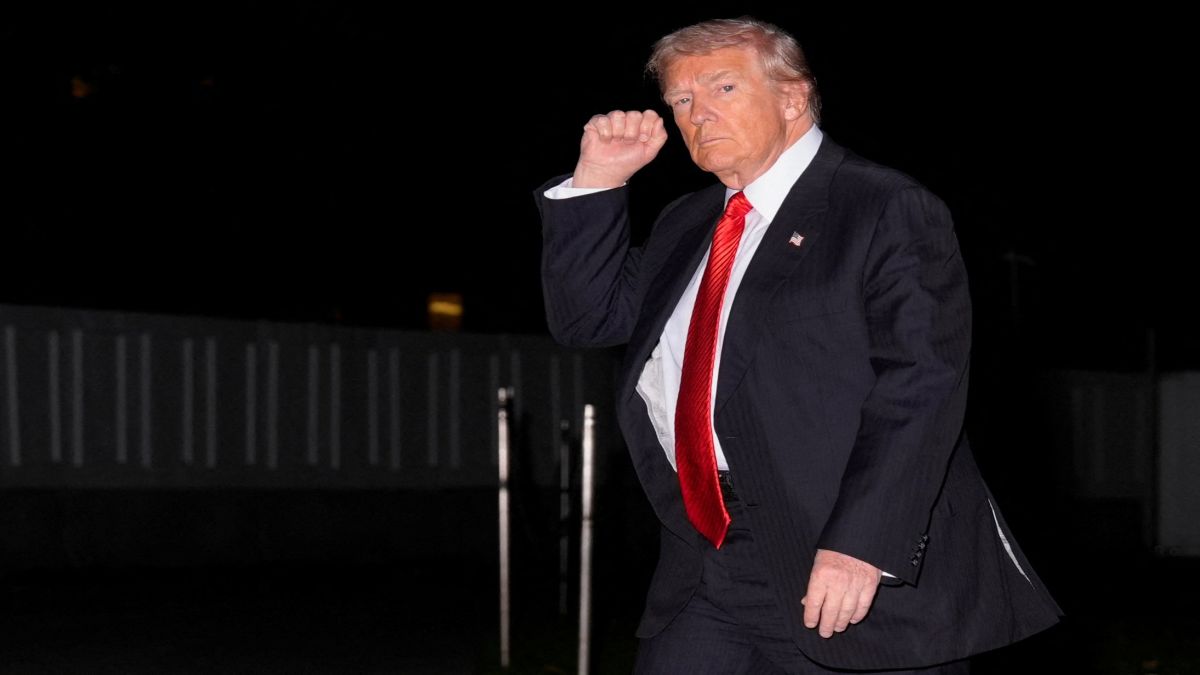 "Georgia drops landmark case accusing Trump, allies of 2020 election meddling")
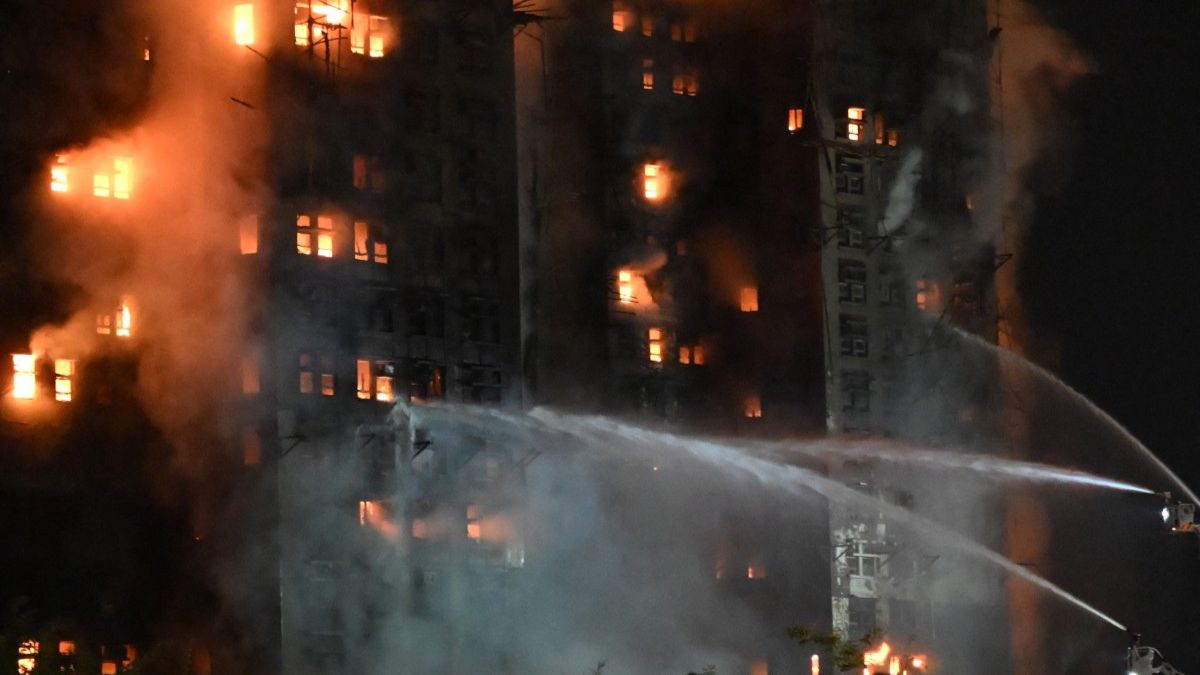 "At least 36 killed, hundreds missing after fire engulfs high-rise buildings in Hong Kong")
 "Deadline diplomacy: Trump’s Gaza-style playbook faces a tougher test in Ukraine truce push")



