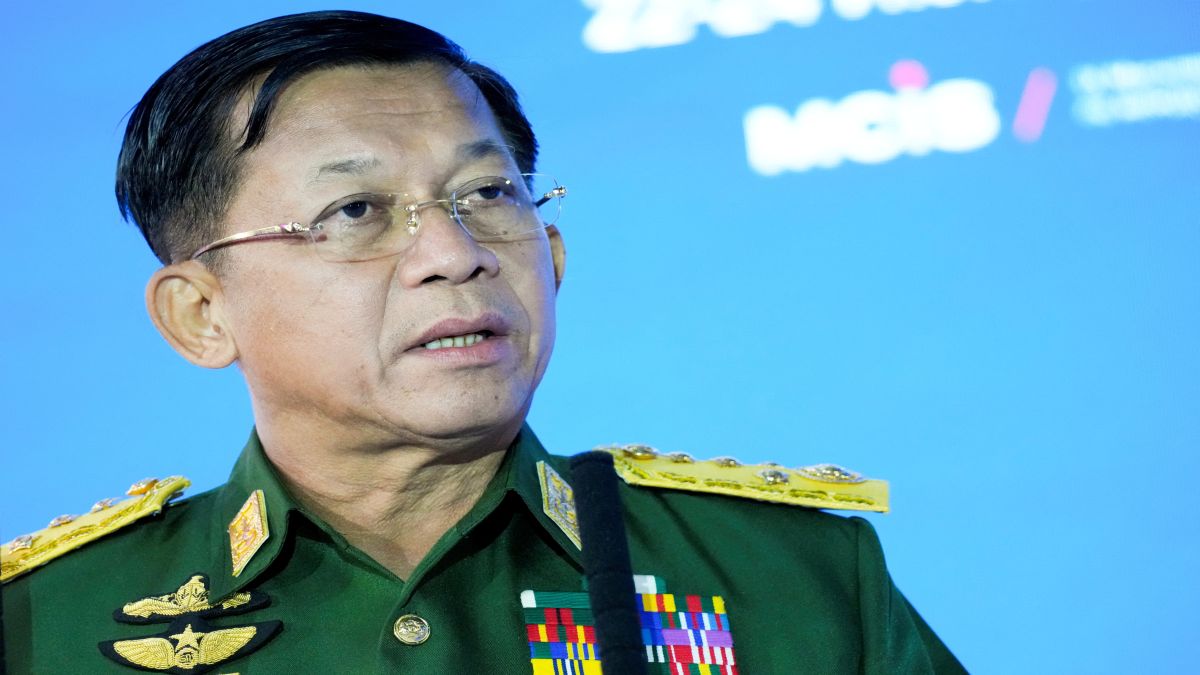
 "Myanmar’s parliament elects junta chief Min Aung Hlaing who ousted Suu Kyi govt as president")
After serving more than 15 years as the Commander-in-Chief of the Myanmar’s military, the junta chief Min Aung Hlaing was elected as the country’s President on Friday. Hlaing received 429 of 584 votes cast by the members of Parliament.
The pro-military Union Solidarity and Development Party (USDP), from which Hlaing belong, had won more than 80 per cent of the seats it contested in the election which concluded in late January.
“We hereby announce Senior General Min Aung Hlaing as president,” parliament speaker Aung Lin Dwe declared in assembly hall, as reported by AFP.
The Military domination
The 2026 parliamentary election was dominated by the pro-military parties, with parties that won 90 per cent of the total votes in the 2020 elections were barred from participating in the electoral contest. This includes the National League for Democracy, that was led by Nobel laureate Aung San Suu Kyi.
While the junta has portrayed the election as ‘free and fair,’ questions have been raised over the electoral transparency. The pro-military USDP has won over 80 per cent of contested seats, with serving military officers occupying a further quarter of parliamentary seats as an unelected bloc.
Under the constitution, Hlaing couldn’t be the military chief and the President at the same time. Since, he was required to relinquish his military command to assume the presidency, Hlaing handed over the military’s command to his trusted loyalist and former spymaster Ye Win Oo earlier this week.
The move is expected to keep the armed forces firmly aligned with the new government.
General who refused to retire
Min Aung Hlaing, a member of the Dawei ethnic group, was just months from mandatory military retirement when he launched his February 2021 coup, detaining Suu Kyi and dissolving her government after alleging widespread fraud in the 2020 elections.
Before joining the military in 1974 on his third attempt, Hlaing studied Law. Over the 50 years in his military career, Hlaing rose steadily through the ranks, cementing his standing by leading campaigns against ethnic rebel groups near key trade routes with China.
Quick Reads
View AllLong before the coup, Hlaing was already internationally isolated. He commanded the 2017 military crackdown on the Rohingya minority that drove roughly 750,000 people into Bangladesh and India. He was subsequently banned from Facebook for inciting hate speech, subjected to heavy international sanctions, and the International Criminal Court’s chief prosecutor is seeking his arrest on charges of crimes against humanity, according to the report.
The human cost of Hlaing’s tenure remains staggering. Tens of thousands have died in the civil war that erupted in the coup’s wake, with conflict data organisation ACLED estimating that the toll across all sides could be as high as 90,000. Millions have been displaced, and the humanitarian crisis shows no sign of easing.
Min Aung Hlaing is expected to formally assume the presidency later this month, with his two election rivals, Prime Nyo Saw and Karen state MP Nan Ni Ni Aye, serving beneath him as vice-presidents.

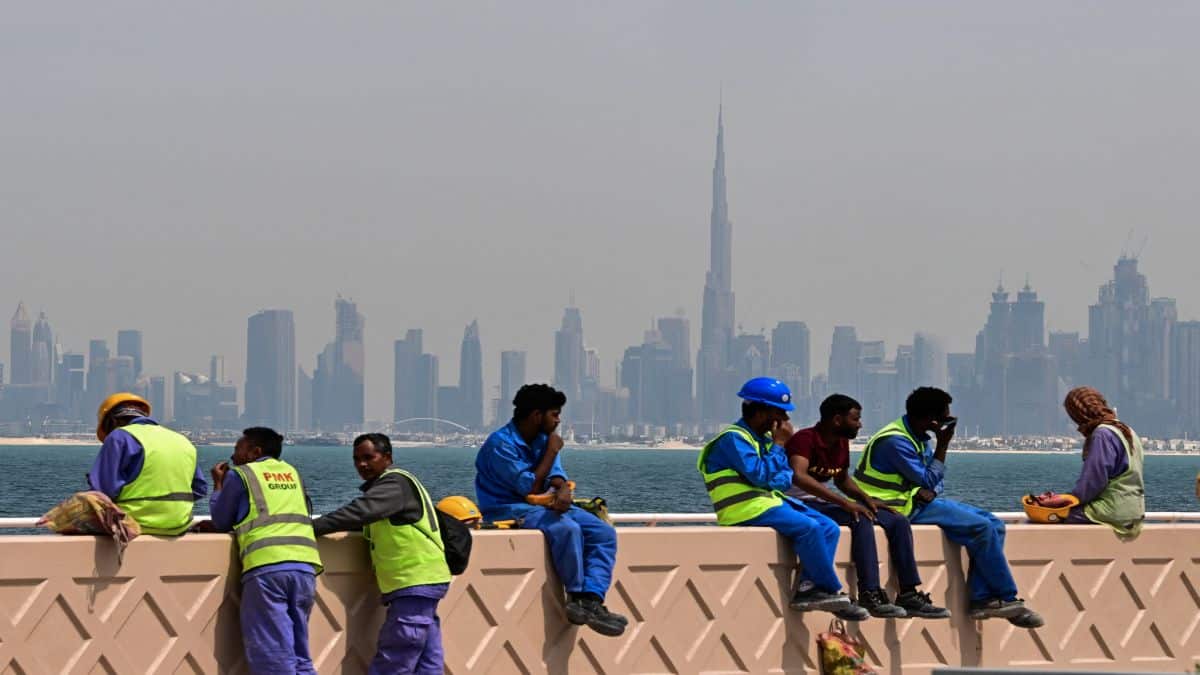
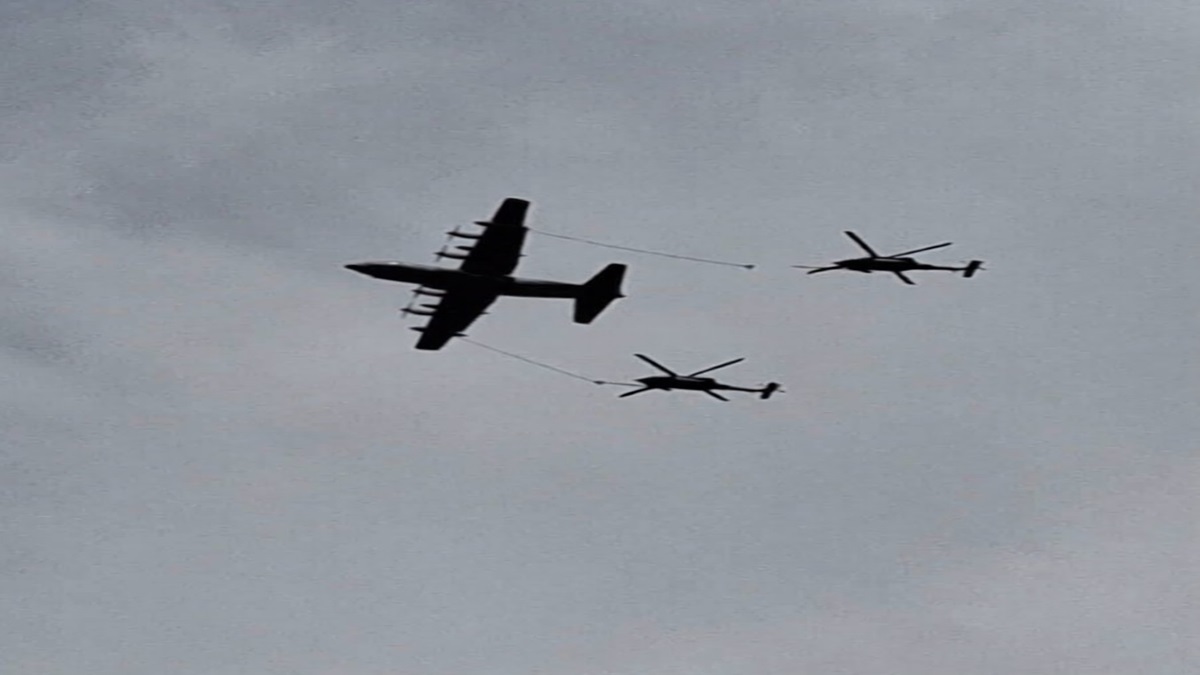 "Iran Israel War Live News: US pilot captured in Iran after fighter jet downed, says report")
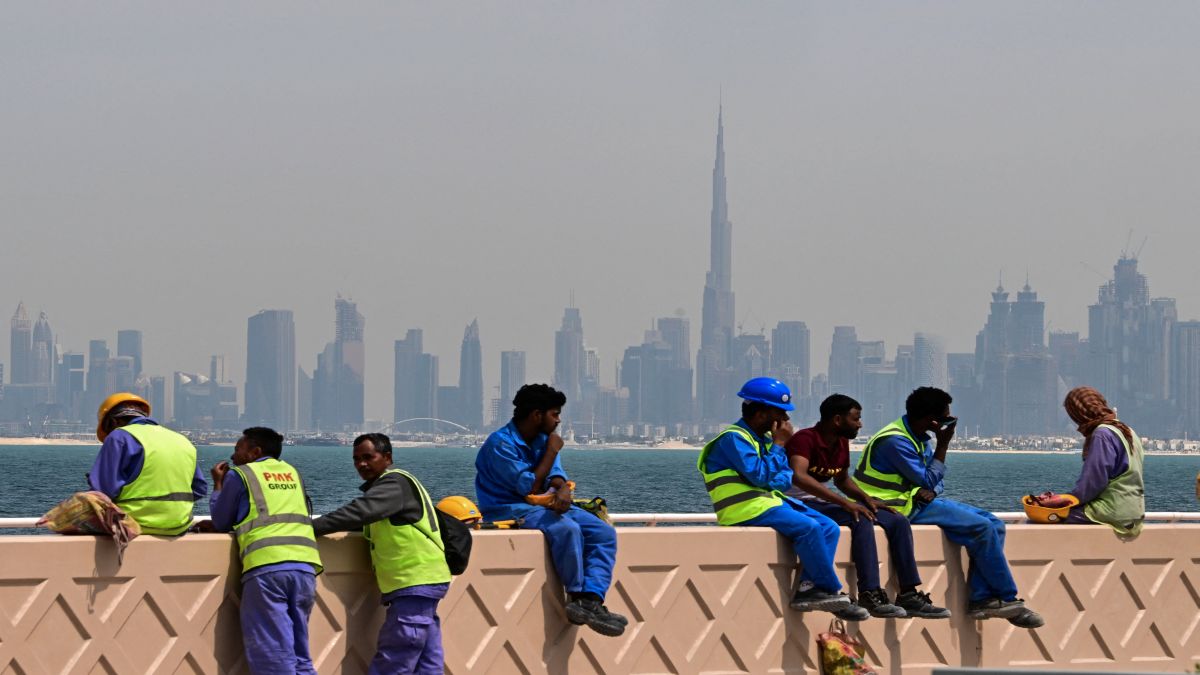 "Jobs vs safety: Why Indians are staying put in Gulf countries despite Iran war dangers")
 "Bangladesh PM Tarique Rahman to visit India soon as Delhi-Dhaka ties enter new phase: Report")
 "The Shroud of Turin: How Indian DNA adds a new chapter to an ancient enigma")
 "Iran Israel War Live News: US pilot captured in Iran after fighter jet downed, says report")
 "Jobs vs safety: Why Indians are staying put in Gulf countries despite Iran war dangers")
 "Bangladesh PM Tarique Rahman to visit India soon as Delhi-Dhaka ties enter new phase: Report")
 "The Shroud of Turin: How Indian DNA adds a new chapter to an ancient enigma")