

 "Myanmar junta launches census: What is its real intention behind the count?")
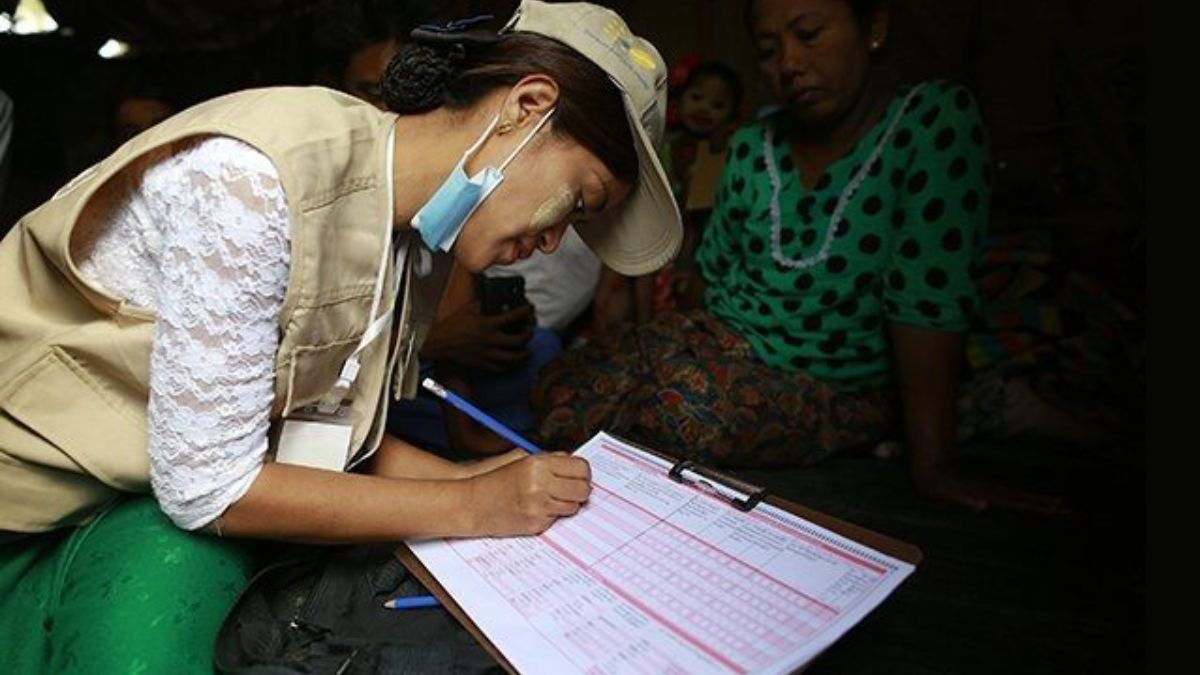
Myanmar’s military government launched a nationwide census on Tuesday (October 1), a move it says is necessary to compile voter lists for a general election promised next year.
Census takers, primarily schoolteachers and local administrative workers, began going door-to-door in the capital, Naypyitaw, under the watch of soldiers and police. More than 42,000 census workers will gather information from over 13 million households across the country, according to the Ministry of Immigration and Population.
The survey includes 68 questions, covering topics such as household composition, education, disabilities, and access to utilities, but also delves into sensitive areas like the background of household members and the cause of death of relatives — alarming those who joined anti-military resistance movements.
The military, which seized power from Aung San Suu Kyi’s elected government in February 2021, is widely believed to be using the census to solidify its control.
Critics argue that the information gathered could be used to monitor and target opponents of the junta, as well as bolster conscription efforts, following the military’s struggles against pro-democracy forces and ethnic militias seeking autonomy.
The shadow National Unity Government (NUG), which opposes military rule, has urged caution in complying with the survey. The NUG’s spokesperson, Kyaw Zaw, has condemned the census, describing it as a tactic to “terrorise the people” and urged citizens not to cooperate.
Quick Reads
View AllEthnic militias, including the Chin Brotherhood Alliance and the Dawei Defence Team, have warned they will target those involved in conducting the census, as they did during a voter list survey in January. That effort saw deadly attacks, resulting in the deaths of local officials and police officers, and the capture of military personnel.
The UN Population Fund, which supported Myanmar’s last census in 2014, announced in late 2023 that it would not participate in the current effort due to the country’s political unrest. The military government has since turned to China, which has pledged technical support for the count.
Senior General Min Aung Hlaing, head of the military government, stressed the importance of the census in a speech earlier this month, stating that the data would be essential for compiling voter lists ahead of an election.
“The census will allow us to prepare accurate voter lists,” he said, urging citizens to respond fully without “anxiety or doubt.”
However, he did not specify a date for the polls, despite previously pledging elections in 2025.
The political and security situation makes the prospect of free and fair elections unlikely. Independent analysts estimate that the military controls less than half of Myanmar’s territory, further complicating any efforts to organise a nationwide vote.
Myanmar’s population is officially estimated at 56 million.
With inputs from AP

 "17 years of 26/11: 9 terrorists killed, one hanged; 2 acquitted, justice waits for 6")
 "Georgia drops landmark case accusing Trump, allies of 2020 election meddling")
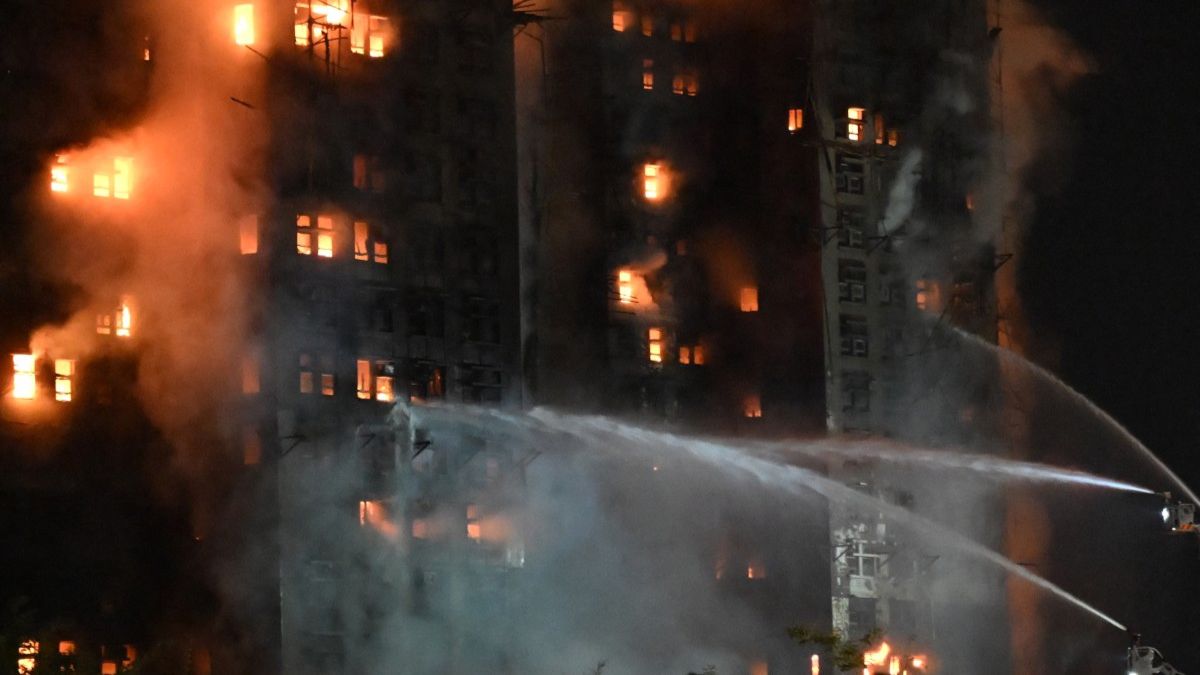 "At least 36 killed, hundreds missing after fire engulfs high-rise buildings in Hong Kong")
 "Deadline diplomacy: Trump’s Gaza-style playbook faces a tougher test in Ukraine truce push")
 "17 years of 26/11: 9 terrorists killed, one hanged; 2 acquitted, justice waits for 6")
 "Georgia drops landmark case accusing Trump, allies of 2020 election meddling")
 "At least 36 killed, hundreds missing after fire engulfs high-rise buildings in Hong Kong")
 "Deadline diplomacy: Trump’s Gaza-style playbook faces a tougher test in Ukraine truce push")



