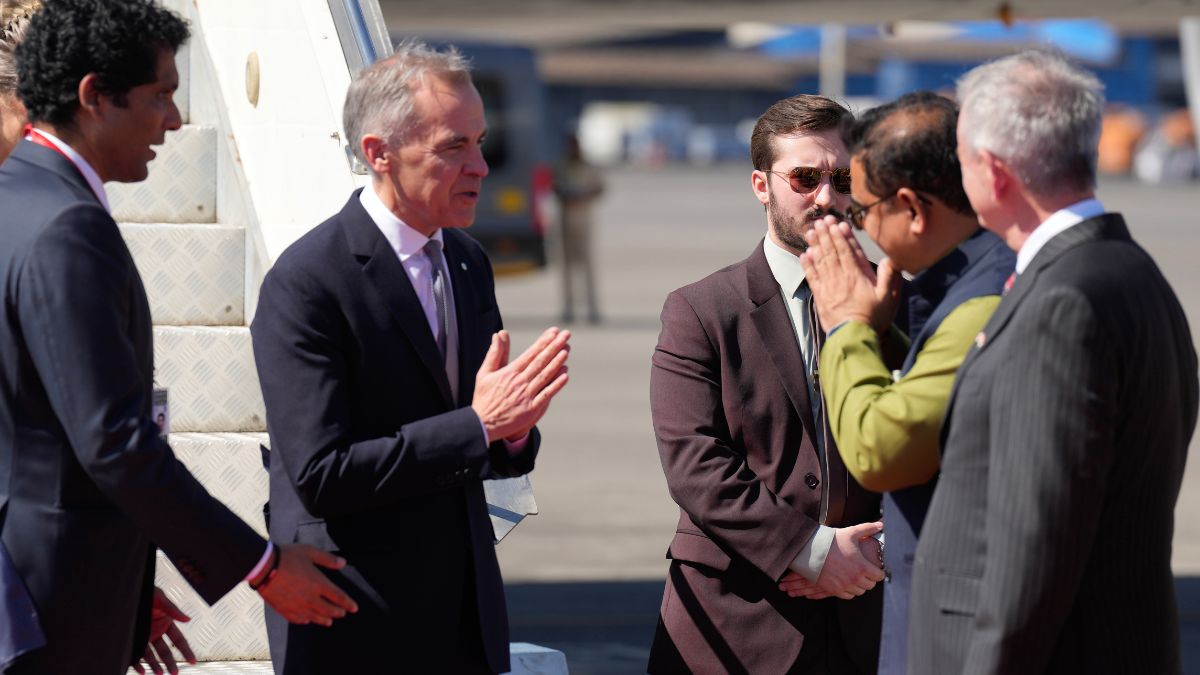
 "Mark Carney goes to India to clean up Justin Trudeau’s mess: Toronto Sun")
Canadian Prime Minister Mark Carney has arrived in India on a high‑stakes diplomatic visit widely framed as an effort to clean up the foreign‑policy wreckage left behind by Justin Trudeau’s tenure.
According to commentary published by the Toronto Sun, Carney’s outreach to New Delhi represents an attempt to stabilise ties that plunged into crisis after Canadian authorities alleged Indian involvement in the June 2023 killing of a Canadian Sikh activist near Vancouver. India strongly rejected the accusation and countered that Trudeau’s government had allowed supporters of the banned Khalistan movement to operate freely in Canada.
The diplomatic clash triggered tit-for-tat expulsions, frosty rhetoric and a chill in economic engagement between two G20 democracies whose trade potential had once been touted as significant. For months, the dispute overshadowed negotiations toward a broader economic partnership.
Trade and geopolitics back on the table
Despite the rupture, both countries last year signalled interest in moving forward with a long-discussed trade agreement. Relations showed signs of cautious improvement in June when Carney invited Indian Prime Minister Narendra Modi to attend the G7 summit in Alberta, an invitation widely interpreted as an olive branch.
India has consistently denied any role in the 2023 killing and has accused Ottawa of failing to curb extremist elements linked to Khalistan, a separatist movement seeking an independent Sikh homeland and banned in India. Canadian officials, meanwhile, have maintained concerns about alleged foreign interference and extraterritorial actions.
The Toronto Sun column frames Carney’s visit as a pragmatic recalibration, arguing that Canada’s economic and geopolitical interests require a working relationship with India, one of the world’s fastest-growing major economies. Bilateral trade, investment flows and cooperation in sectors such as energy, education and technology remain areas of shared interest that were sidelined during the diplomatic standoff.
A broader pattern of allegations
Canada is not alone in raising concerns about alleged Indian involvement in overseas plots with other governments previously examining similar claims. However, New Delhi has consistently rejected such accusations, calling them politically motivated or unsupported by credible evidence.
For Carney, the challenge is to move beyond recriminations while safeguarding Canada’s domestic political sensitivities. Re-engagement with India carries economic promise but also requires navigating complex diaspora politics and national security concerns at home.
Quick Reads
View AllThe Toronto Sun’s characterisation of the trip as an effort to “clean up” a predecessor’s missteps highlights the political dimension in Ottawa. Whether Carney can turn renewed dialogue into a durable reset will likely depend on sustained diplomatic discipline from both sides and a willingness to place long-term interests above short-term political pressures.

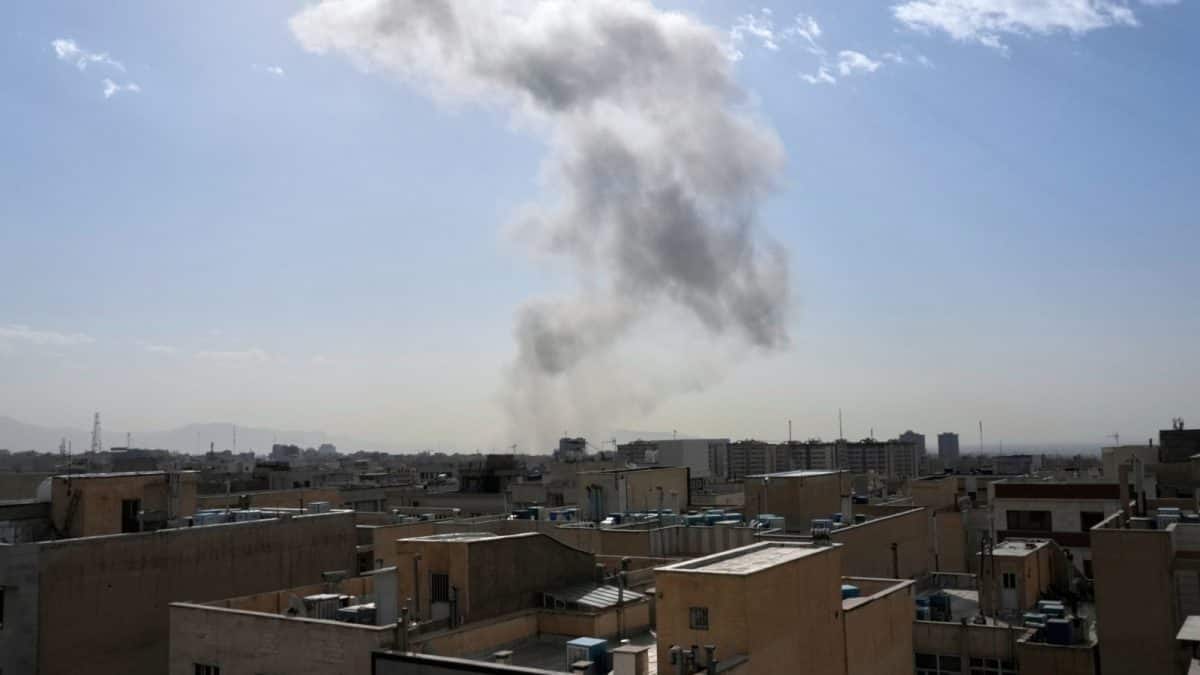
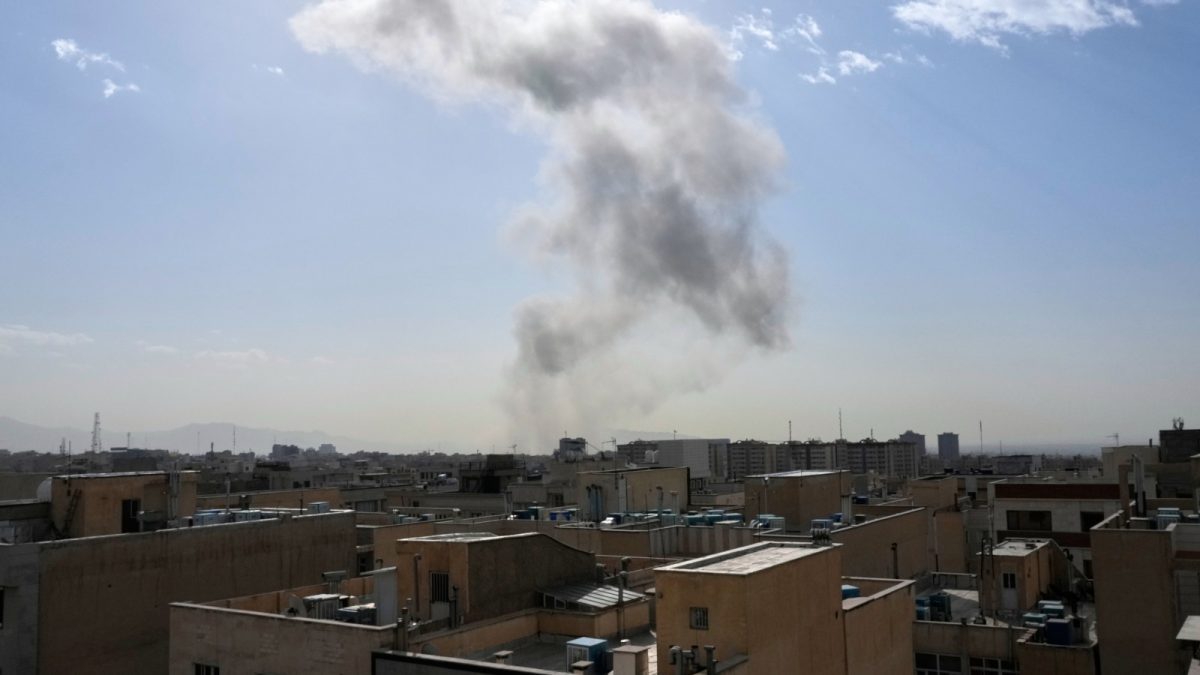 "Israel-Iran attack Live Updates: Israel urges Iranians in or around military infrastructure to evacuate immediately")
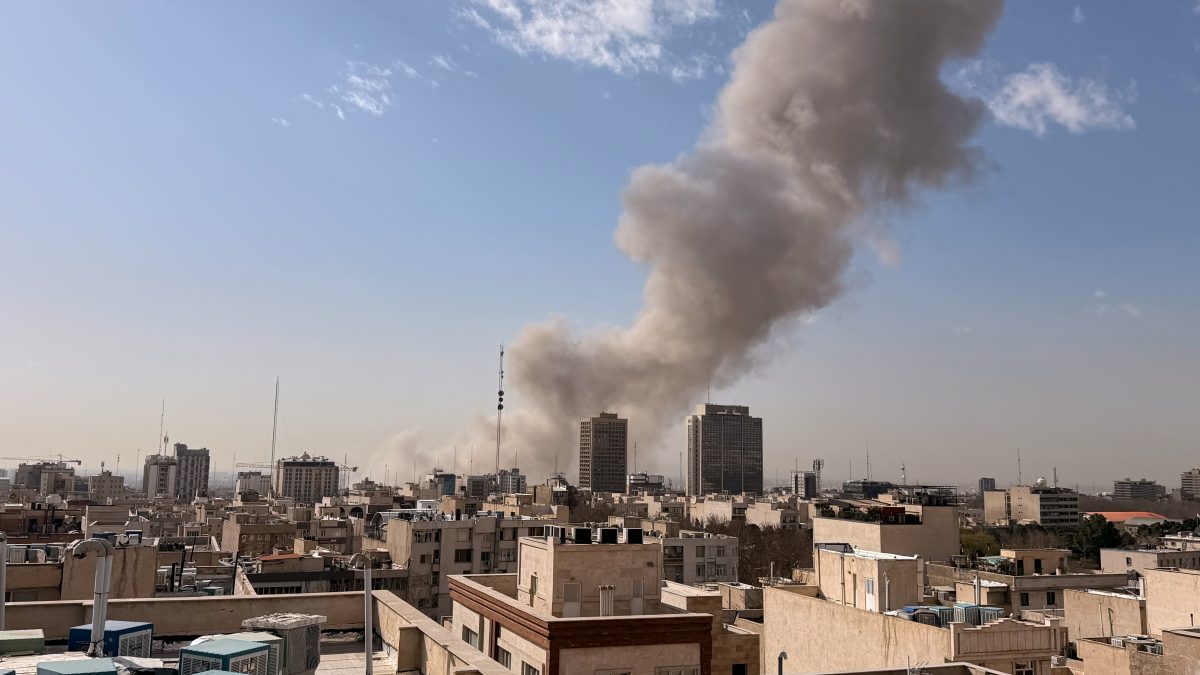 "Blasts reported across Bahrain, UAE and Kuwait as Iran retaliation fears rise after US–Israel strikes")
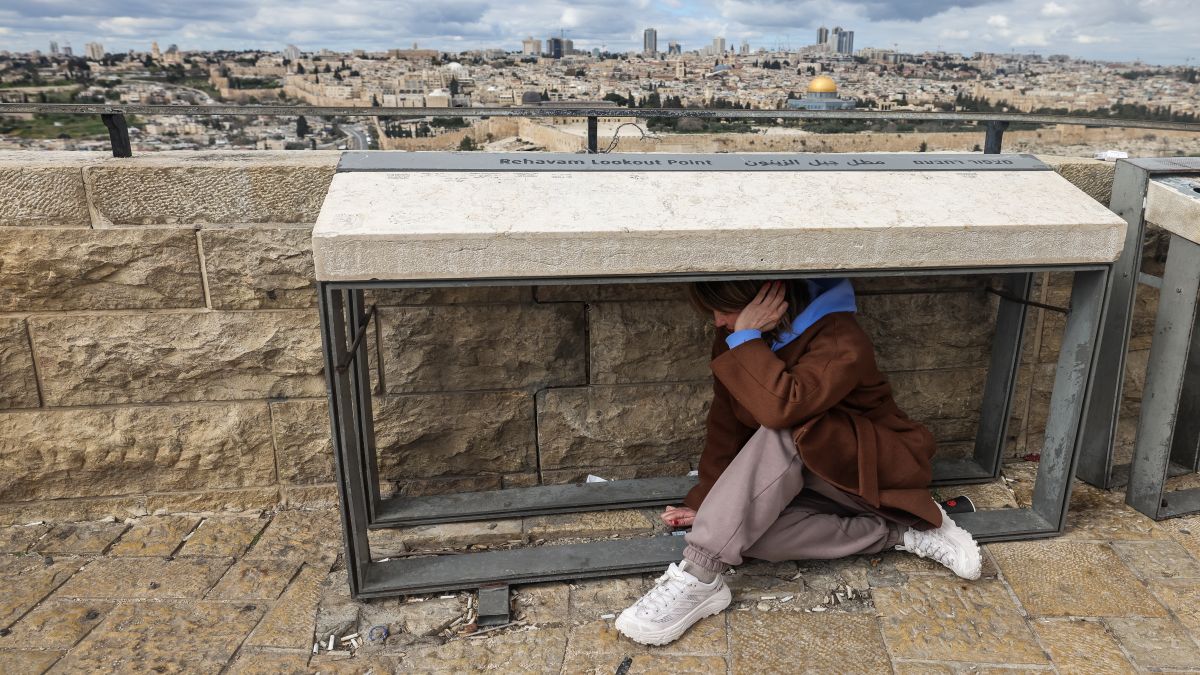 "What has Israel and US targeted in Iran? How is Iran retaliating?")
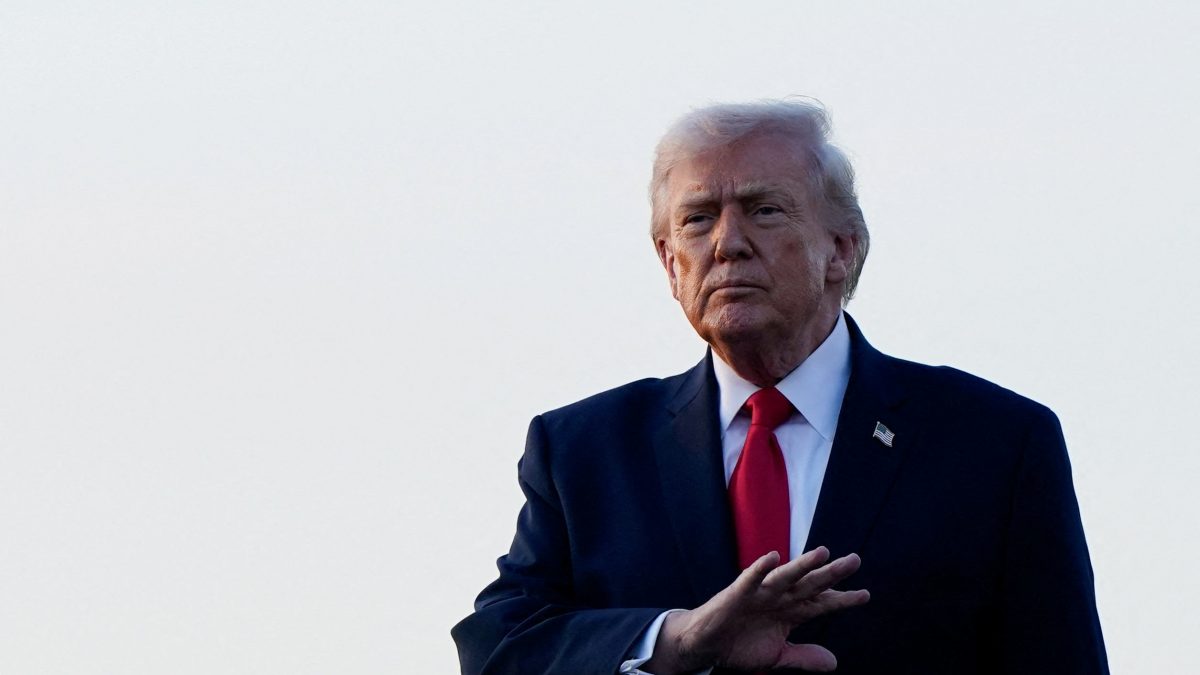 "‘Take over your govt’: Read Donald Trump’s full statement on US ‘major combat operations’ in Iran")
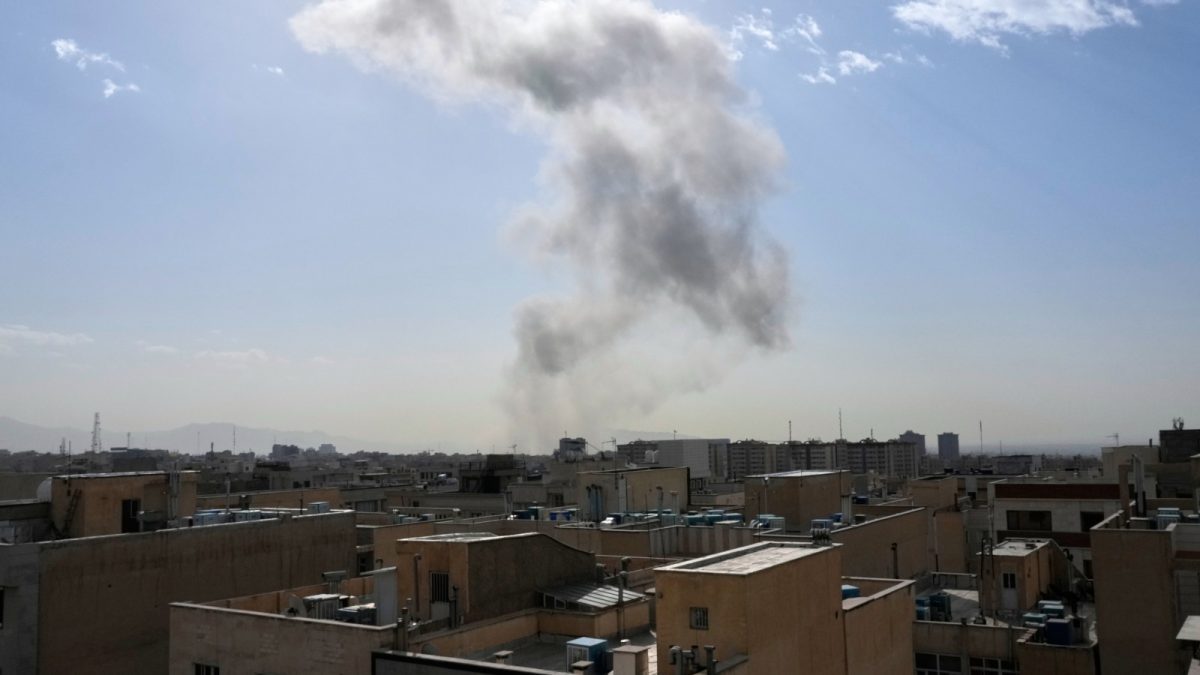 "Israel-Iran attack Live Updates: Israel urges Iranians in or around military infrastructure to evacuate immediately")
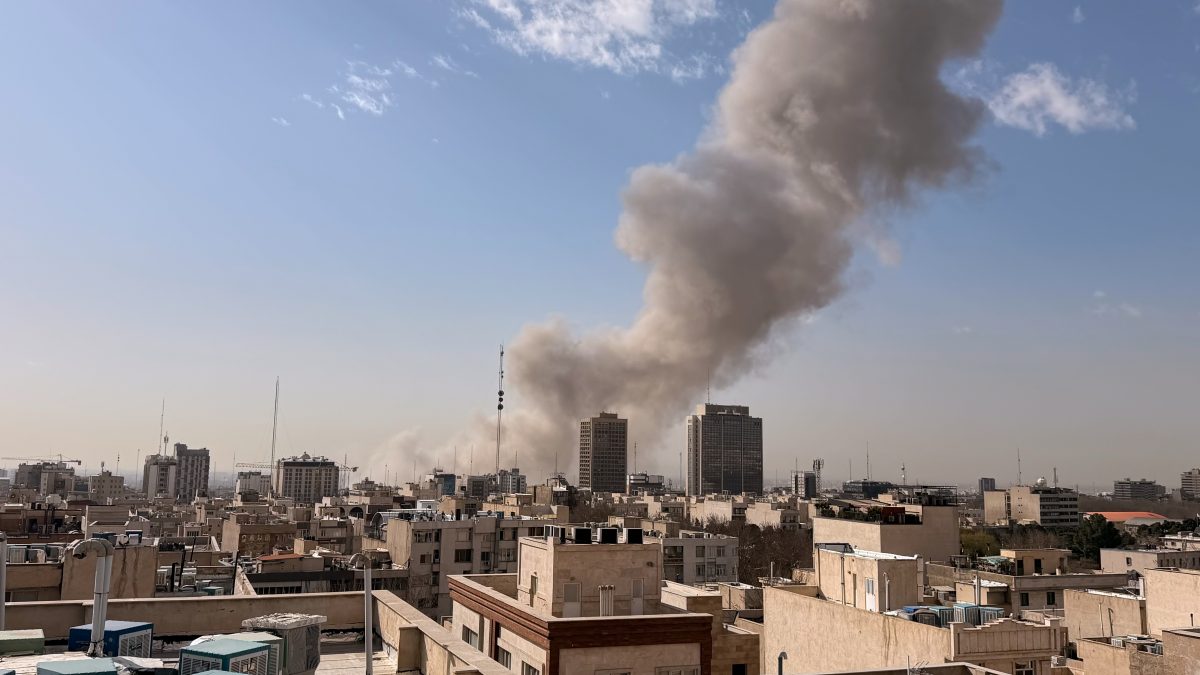 "Blasts reported across Bahrain, UAE and Kuwait as Iran retaliation fears rise after US–Israel strikes")
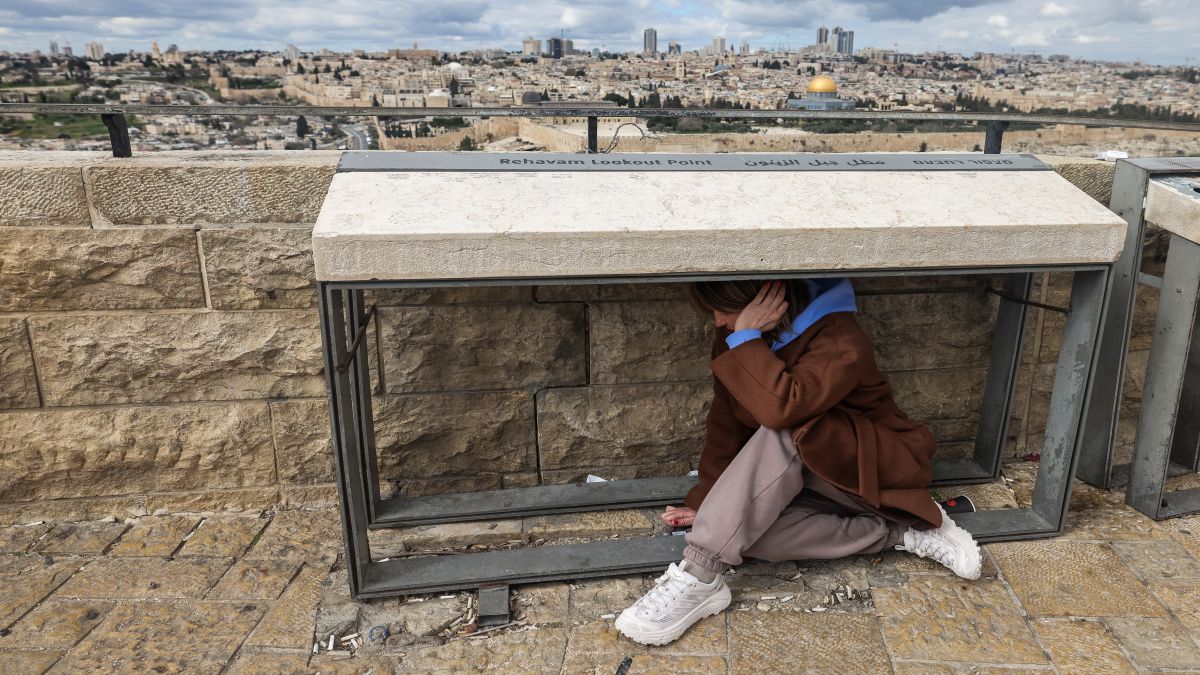 "What has Israel and US targeted in Iran? How is Iran retaliating?")
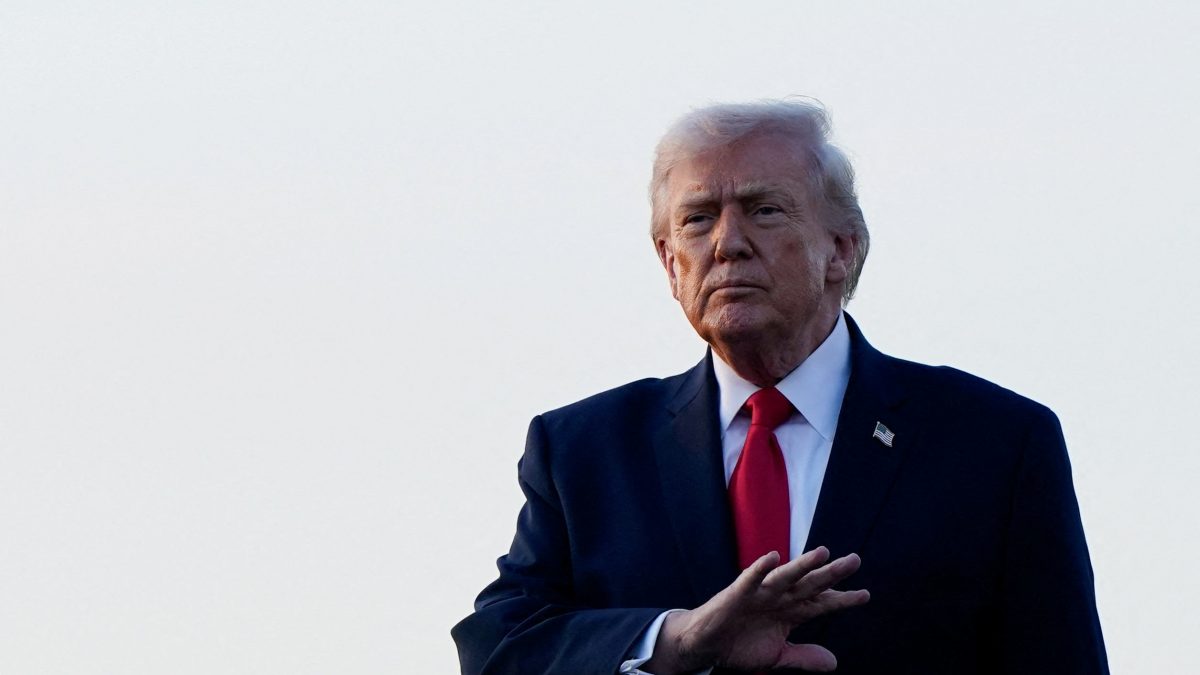 "‘Take over your govt’: Read Donald Trump’s full statement on US ‘major combat operations’ in Iran")