

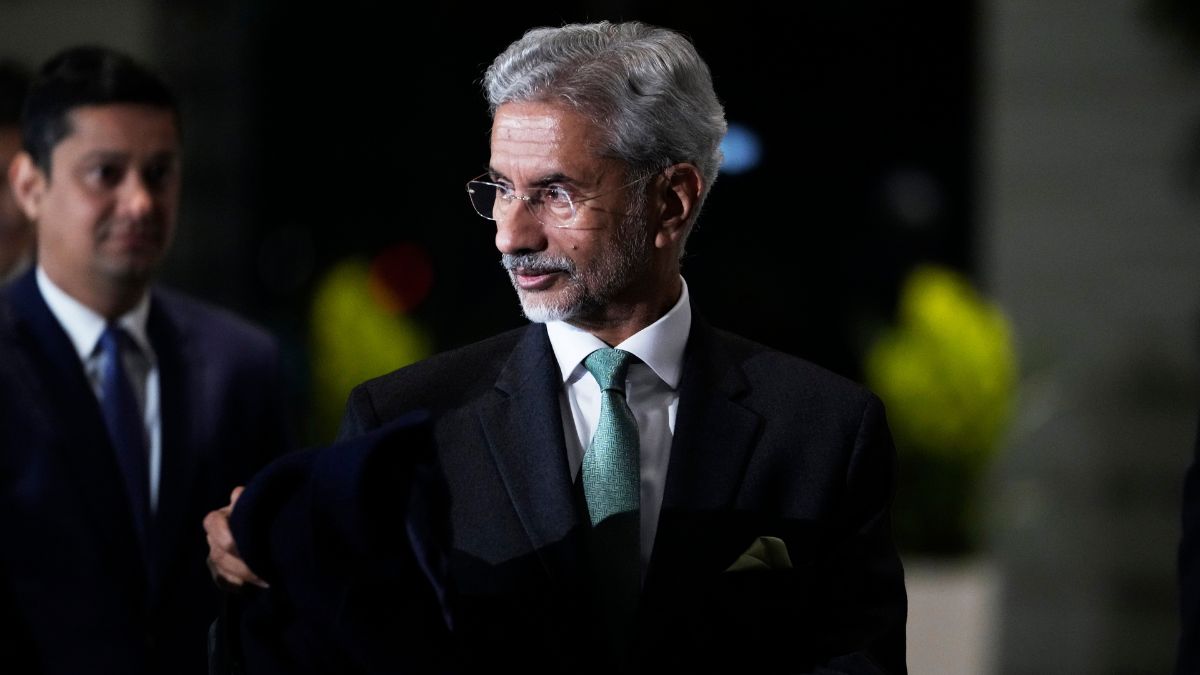
 "Jaishankar warns misuse of biological weapons by non-state actors is no longer a 'distant possibility'")
External Affairs Minister S Jaishankar on Monday cautioned that the misuse of biological weapons by non-state actors is no longer a “distant possibility” and called for a comprehensive overhaul of global biosecurity frameworks under the Biological Weapons Convention (BWC). He emphasised that the convention must be modernised, noting it currently lacks a compliance system or mechanisms to track new scientific developments.
Addressing a conference marking 50 years of the BWC, Jaishankar reiterated India’s push for stronger compliance measures, including verification systems suited to contemporary scientific realities. He highlighted the need for systematic reviews of scientific and technological developments to ensure governance keeps pace with innovation.
“Misuse [of biological weapons] by non-state actors is no longer a distant possibility. Bioterrorism is a serious concern that the international community has to be adequately prepared for,” he said, pointing out that the BWC still lacks “basic institutional structures, a compliance system, a permanent technical body and a mechanism to track new developments.” He added, “These gaps must be bridged in order to strengthen confidence,” while reaffirming India’s support for international cooperation and assistance in the peaceful exchange of materials and equipment.
India’s national implementation framework
Jaishankar also outlined India’s National Implementation Framework, which covers identification of high-risk agents, oversight of dual-use research, domestic reporting, incident management, and continuous training. He stressed that assistance during biological emergencies must be “fast, practical and humanitarian.”
“For 50 years, BWC has stood by one simple idea: That humanity rejects disease as a weapon. But norms survive only when nations renew them…We must modernise the Convention, we must keep pace with science and strengthen global capacity so that all countries can detect, prevent and respond to biological risks,” he said.
India’s global role in public health and non-proliferation
Pointing to India’s record in public health and non-proliferation, Jaishankar noted the country has a robust legal and regulatory system to implement UN Security Council resolution 1540 on non-proliferation and strategic trade controls. He highlighted India’s contribution to the Global South, supplying over 20 per cent of global generic medicines and 60 per cent of Africa’s generics, alongside advanced bioscience and vaccine capabilities.
Addressing vulnerabilities in a changing world
Jaishankar underscored growing global vulnerabilities in an era of rapid biotechnological advances. “Recent outbreaks, including the Covid-19 pandemic, which affected each and every one of us, have imposed a steep learning curve for policymakers and practitioners alike. These developments have raised new questions to be considered in the context of the implementation of the BWC,” he said.
He warned that biological threats—whether natural or deliberate—“move fast, defy borders and can overwhelm systems,” stressing that public health and security must reinforce each other. “Systems for detecting natural outbreaks help counter deliberate ones and no country can manage such threats alone, meaning that international cooperation is the required solution,” he added.
Quick Reads
View AllThe Global South must shape the next 50 years
Highlighting vulnerabilities in the Global South, Jaishankar said many countries face “deep gaps” such as fragile healthcare systems, weak surveillance, limited laboratories and slow emergency responses. “If biosecurity is uneven, so is global safety. The Global South is the most vulnerable and has the most to gain from stronger biosecurity. It also has the most to contribute. Its voice must therefore shape the next 50 years of the BWC,” he said.
India’s readiness to support global biosecurity
He concluded by affirming India’s readiness to be a trusted partner in global biosecurity, citing the country’s biotech ecosystem of nearly 11,000 start-ups, advanced BSL-3 and BSL-4 laboratories, and its capacity to detect and respond to a wide range of biological threats.

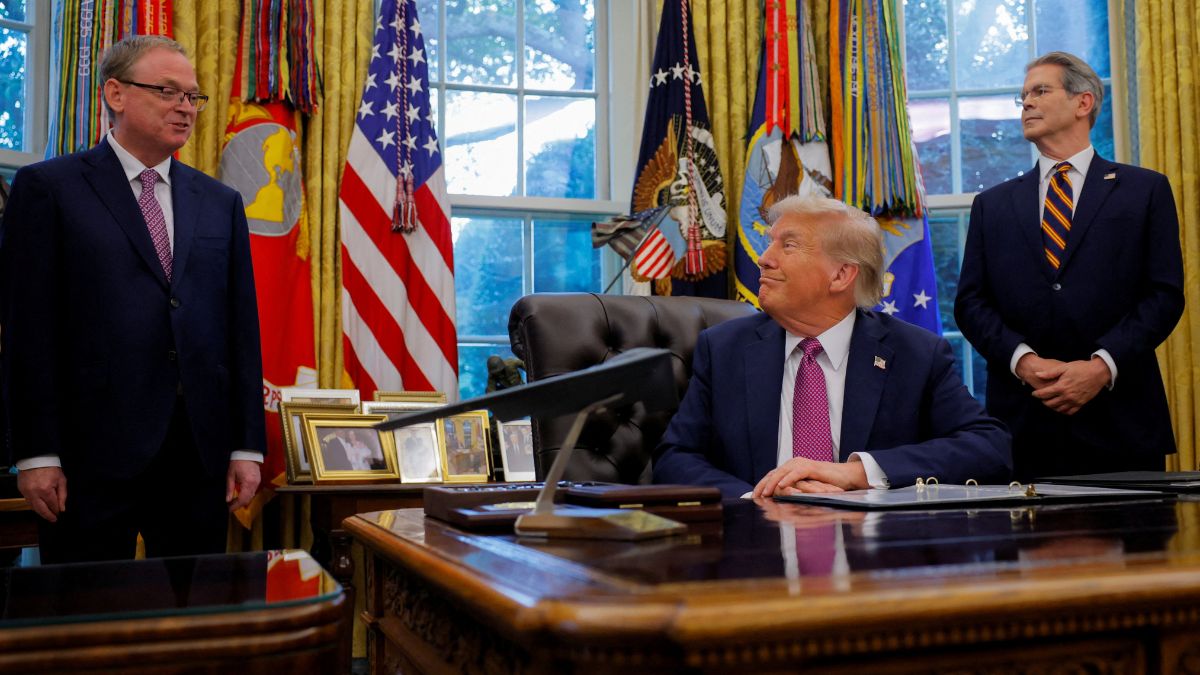 "Who will replace Jerome Powell as US Fed Chair as Trump nears his final choice?")
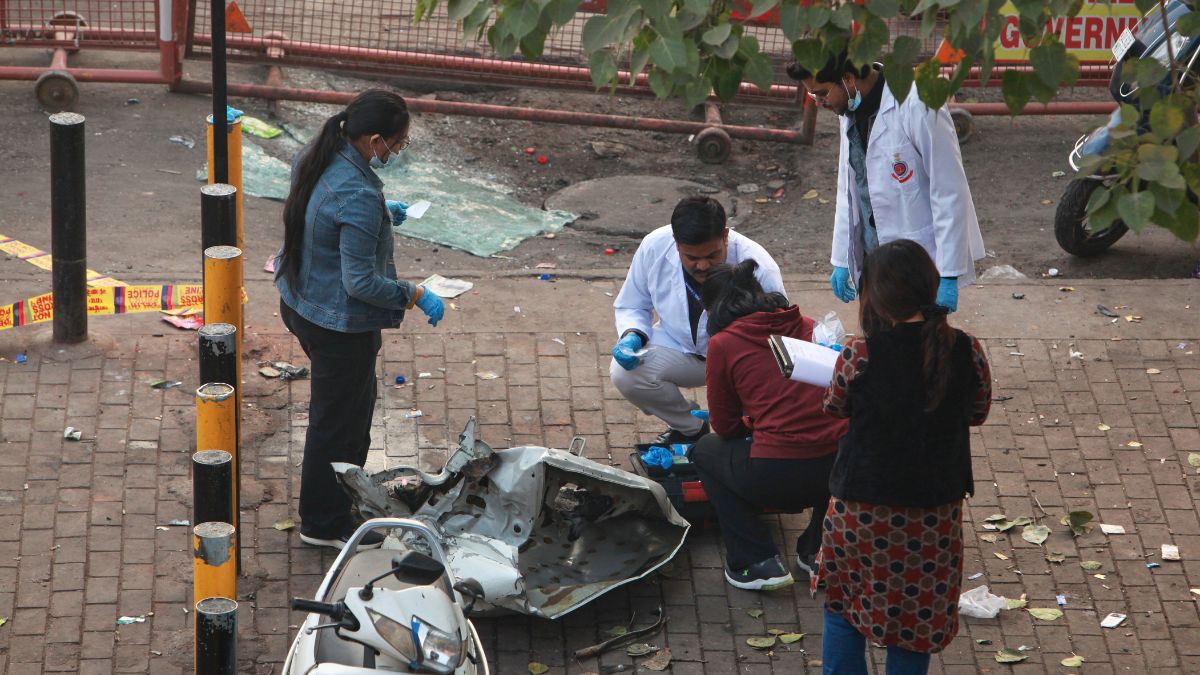 "NIA raids 8 locations in Kashmir in ‘white collar’ terror module linked to Delhi blast")
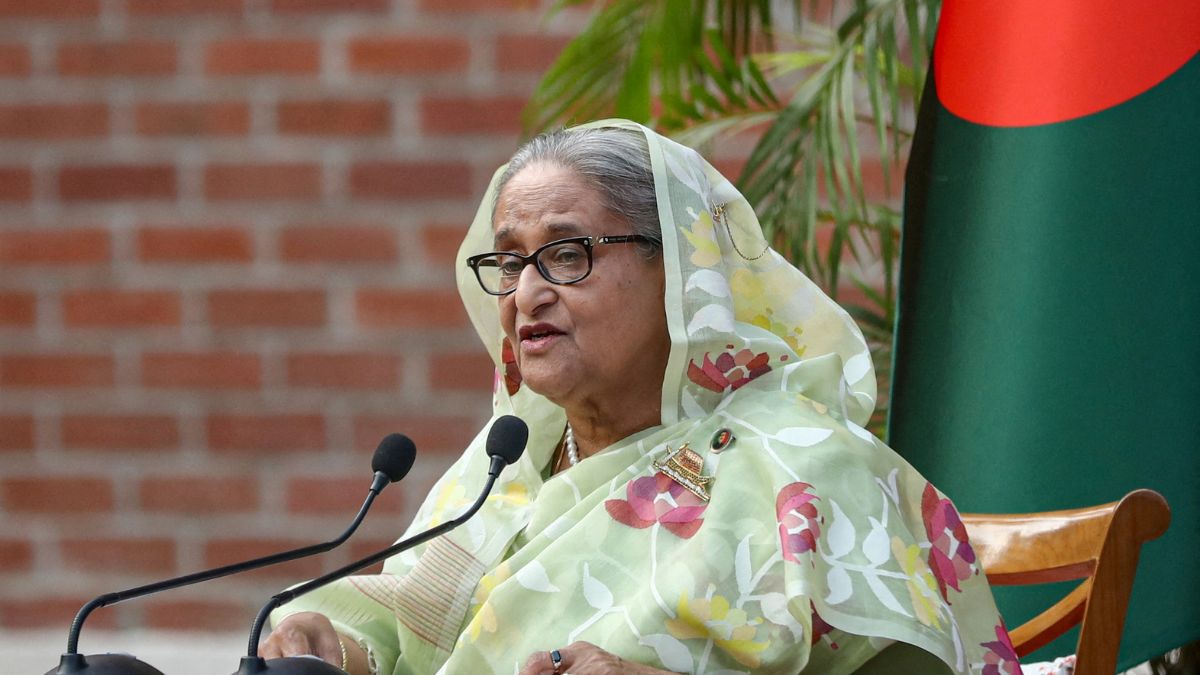 "Bangladesh: Hasina and UK MP Tulip Siddiq found guilty, sentenced in corruption case")
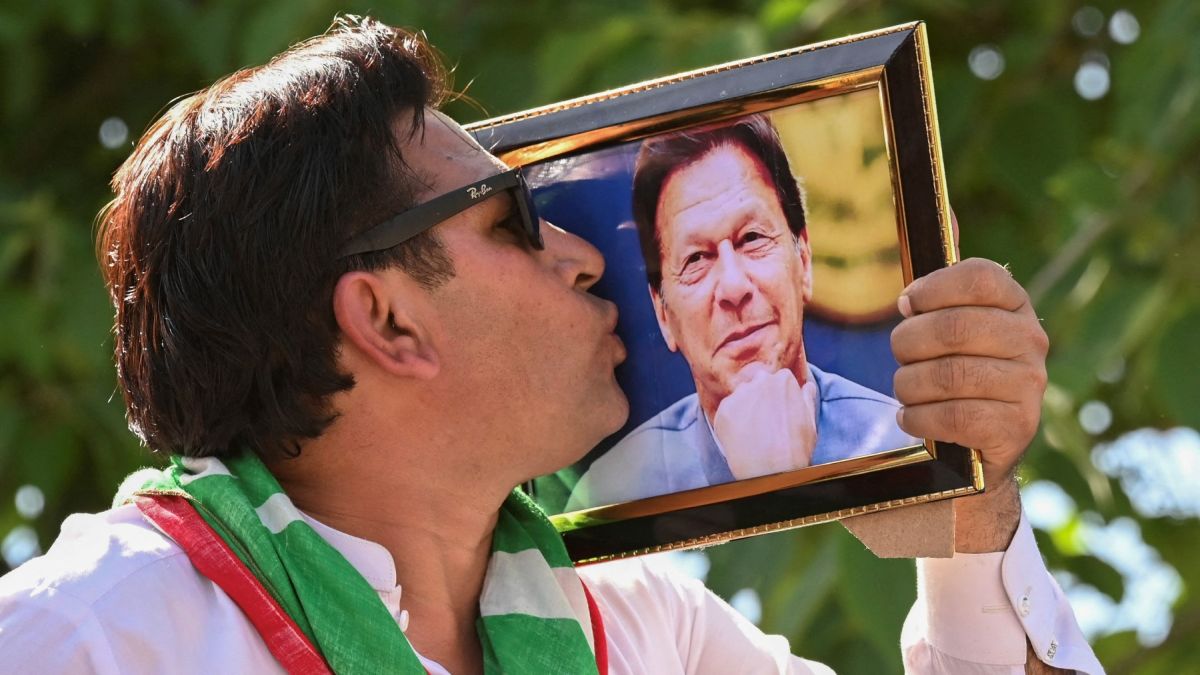 "Pakistan minister hints at Governor’s Rule in PTI-led Khyber Pakhtunkhwa amid uncertainty over Imran Khan")
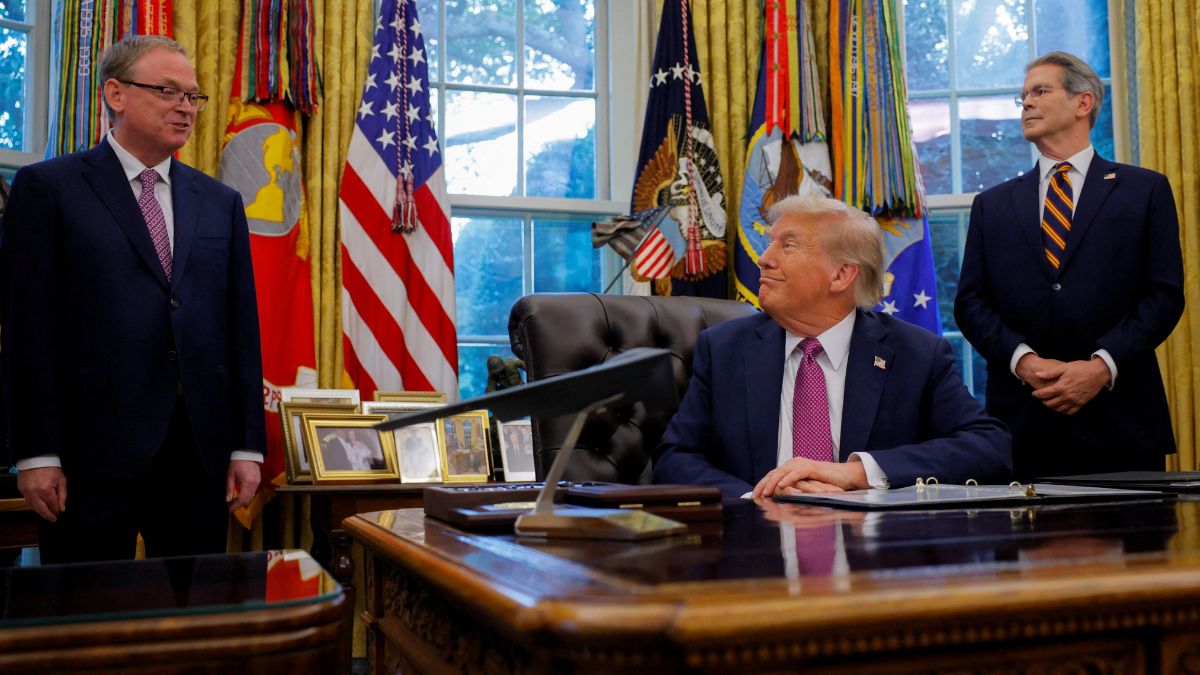 "Who will replace Jerome Powell as US Fed Chair as Trump nears his final choice?")
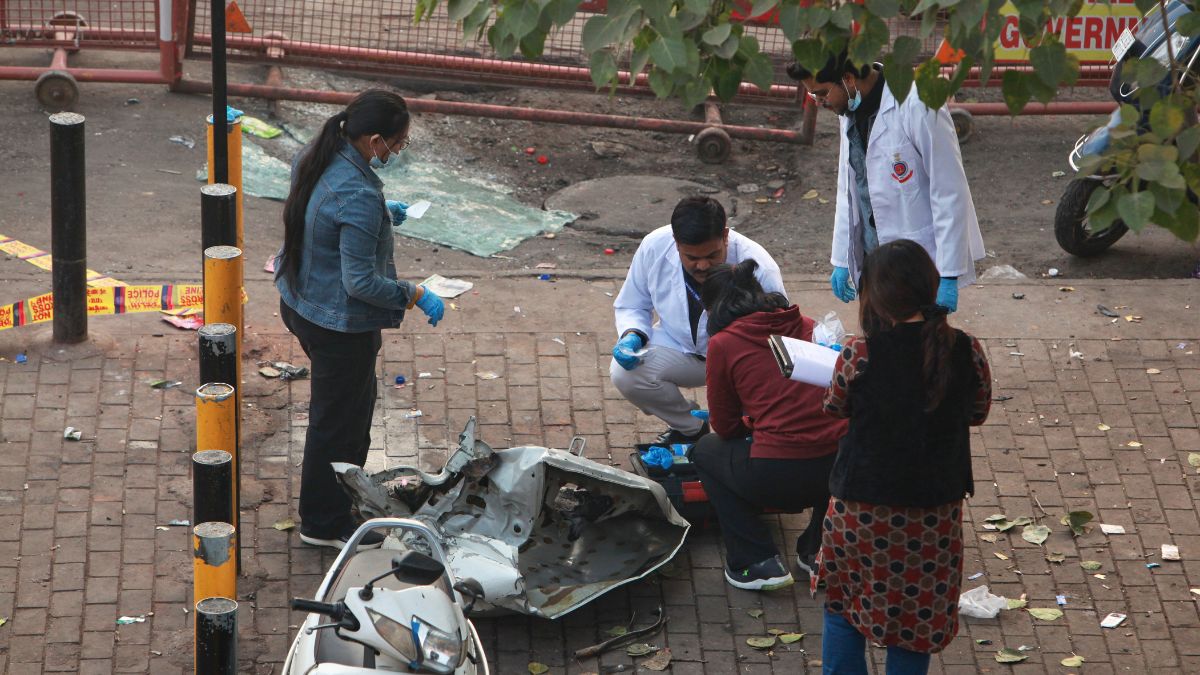 "NIA raids 8 locations in Kashmir in ‘white collar’ terror module linked to Delhi blast")
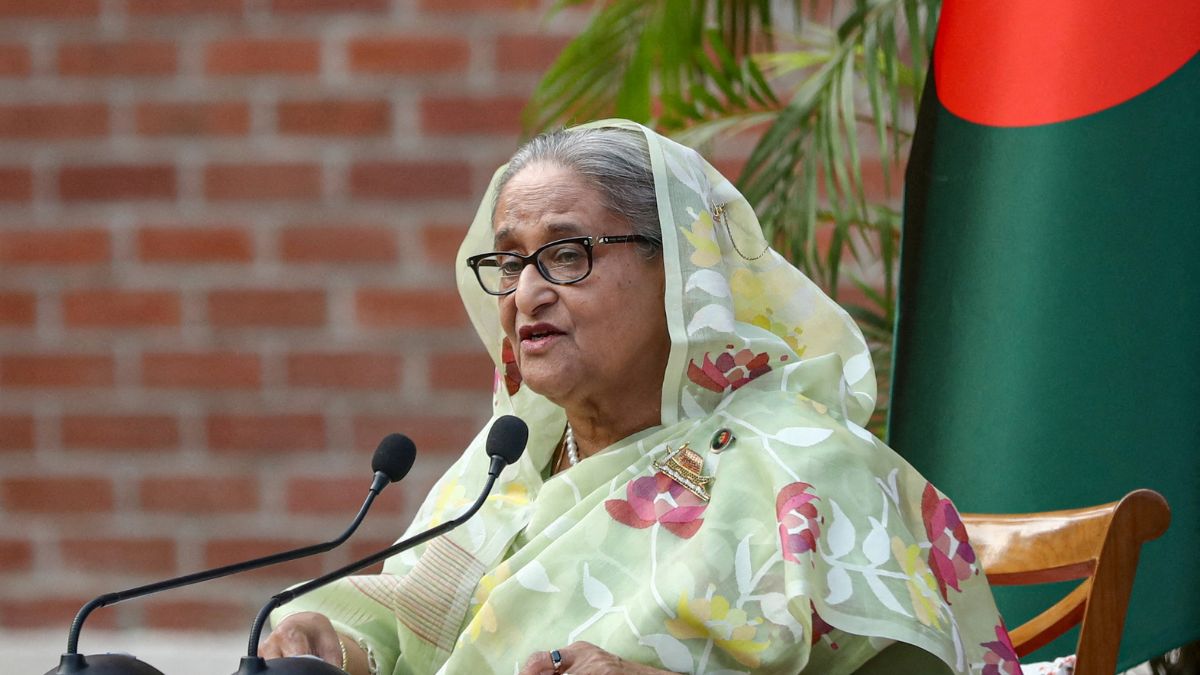 "Bangladesh: Hasina and UK MP Tulip Siddiq found guilty, sentenced in corruption case")
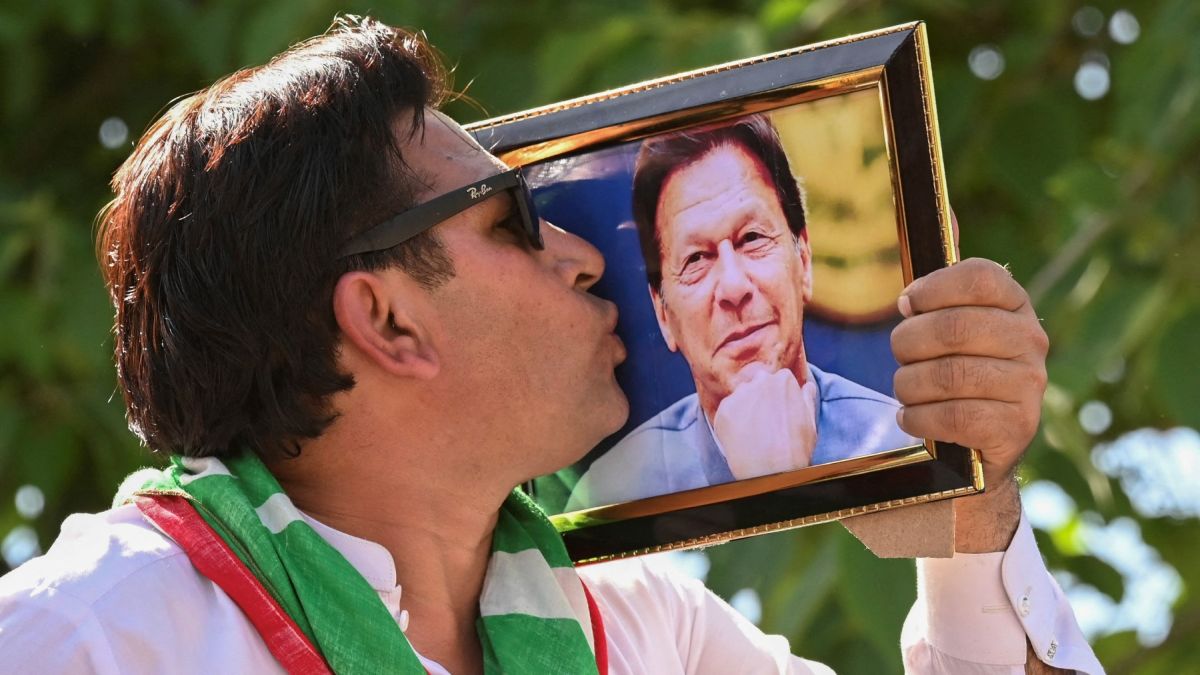 "Pakistan minister hints at Governor’s Rule in PTI-led Khyber Pakhtunkhwa amid uncertainty over Imran Khan")



