 "Israel moves to widen border security zone amid escalating Lebanon conflict")
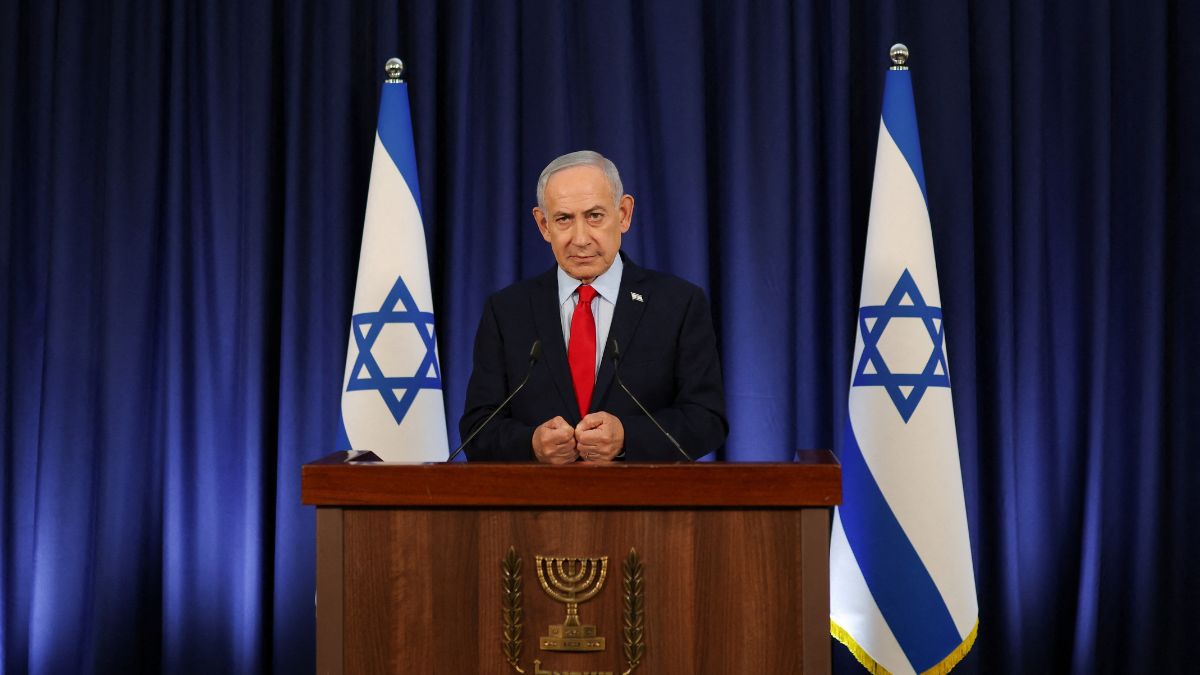
Israeli Prime Minister Benjamin Netanyahu on Sunday said he has ordered the country’s military to further expand the existing security buffer zone in southern Lebanon. He vowed to fundamentally change the security situation in the region.
Speaking in a video statement, Netanyahu said that Israeli forces had created “a genuine security zone preventing any infiltration toward the Galilee and the northern border,” adding that the zone was being expanded “to push the threat from anti-tank missiles further away.”
Netanyahu also said that dismantling Hezbollah “remains central” to Israel’s objectives in Lebanon, while describing it as directly connected to the broader confrontation with Iran.
Fears of permanent occupation
The expansion order comes days after Israel’s defence minister Israel Katz made a far more explicit declaration: that Israeli forces would establish a permanent buffer zone stretching all the way to the Litani River, an area covering nearly a tenth of Lebanon’s territory.
Katz said that the structures near the border were being cleared and demolished to push threats away from Israeli communities.
Israel’s finance minister Bezalel Smotrich went one step ahead, calling for the Litani River to be established as Israel’s new border. However, this has not been Israel’s official government policy, but it reflects the direction in which Israel’s most hardline ministers are pushing.
Why is this happening now?
The renewed fighting in Lebanon began on March 2, when Hezbollah launched rockets into Israel in retaliation for the killing of Iran’s Supreme Leader Ali Khamenei. The cross-border attacks have since intensified as part of the wider US-Israel war against Iran, now in its fifth week.
According to a report in Reuters, Israel has bombed bridges over the Litani River, destroyed homes, and carried out large-scale airstrikes across southern Lebanon, displacing hundreds of thousands of Lebanese civilians.
Hezbollah vows to fight on
Hezbollah has shown no signs of backing down. The group’s secretary-general Naim Qassem described the conflict as “a defensive battle for Lebanon and its citizens,” urging national unity and rejecting calls to disarm.
Hezbollah also claimed to have destroyed eight Israeli Merkava tanks in the village of Taybeh in southern Lebanon.
Senior Hezbollah lawmaker Hassan Fadlallah told Reuters that an Israeli occupation south of the Litani would amount to an “existential threat” to Lebanon, saying: “We have no choice but to confront this aggression and cling to the land.”
Quick Reads
View AllIn another notable diplomatic event, Lebanon this week declared Iran’s ambassador ‘persona non grata’ and asked him to leave the country. The Lebanese government clarified that the move did not amount to a severing of ties with Tehran. Israeli Foreign Minister Gideon Saar had praised this decision.

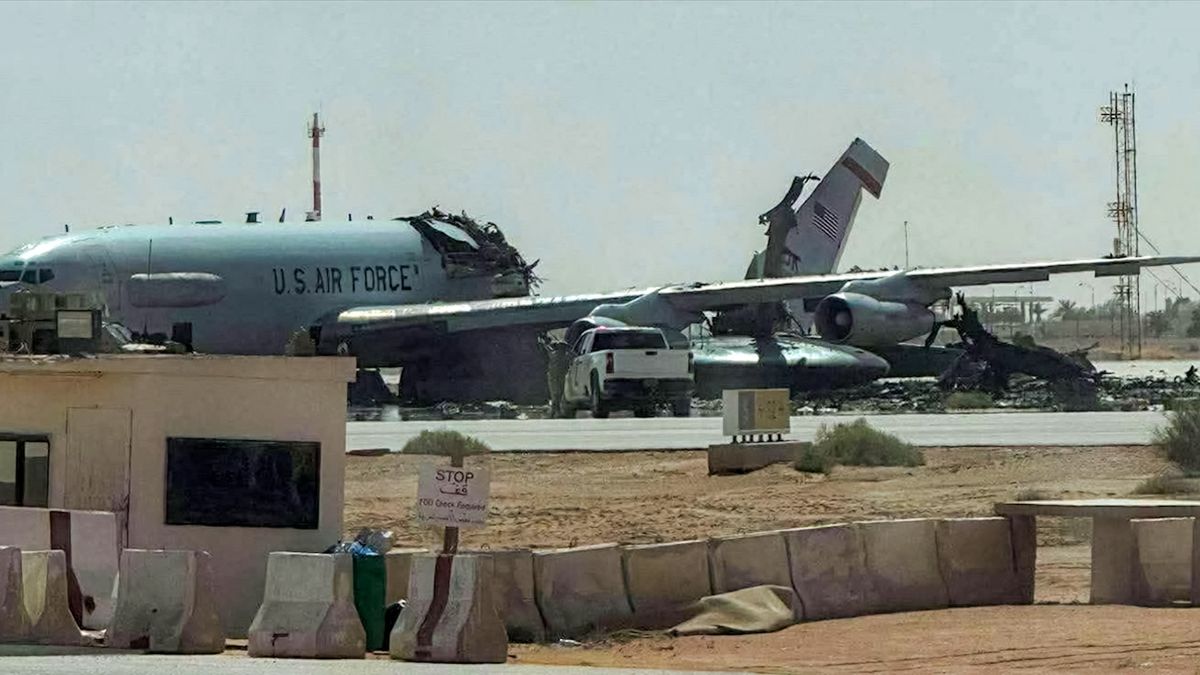 "Iran War Live Updates: Iran warns troops would be ‘set on fire’ as US deploys 3,500 Marines to West Asia")
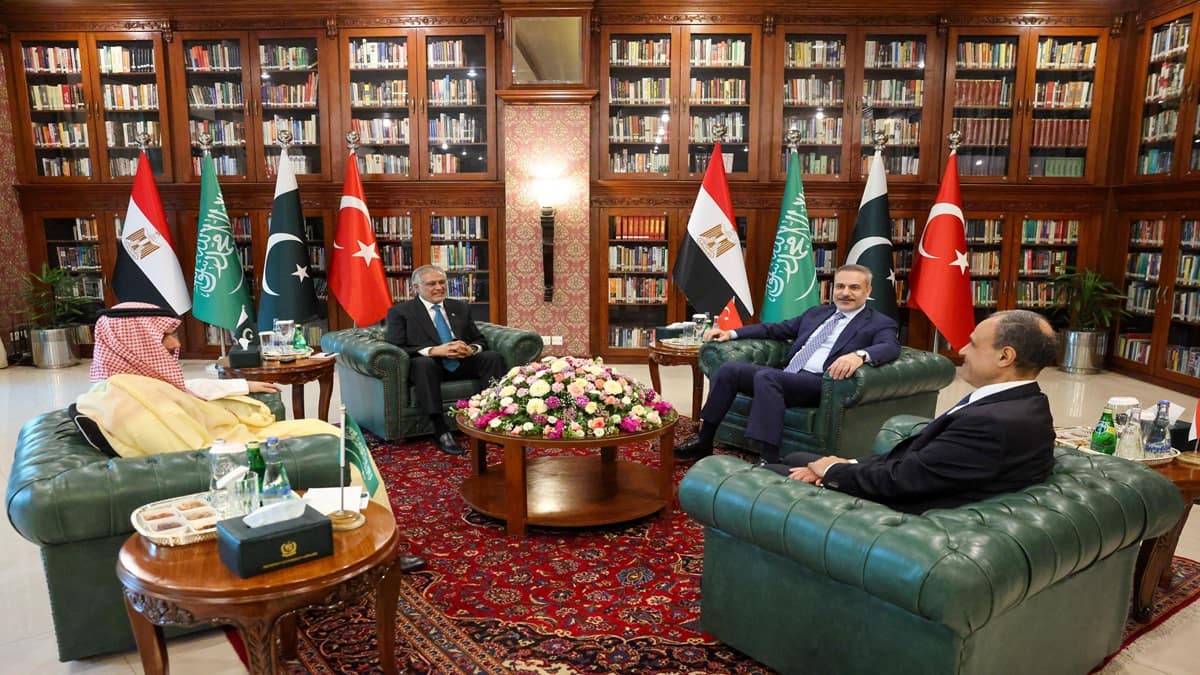
 "Iran warns US against ground invasion as regional powers meet in Pakistan for West Asia peace talks")
 "MI vs KKR Live Score, IPL 2026: Rohit departs after sensational knock, but MI way ahead in chase of 221")
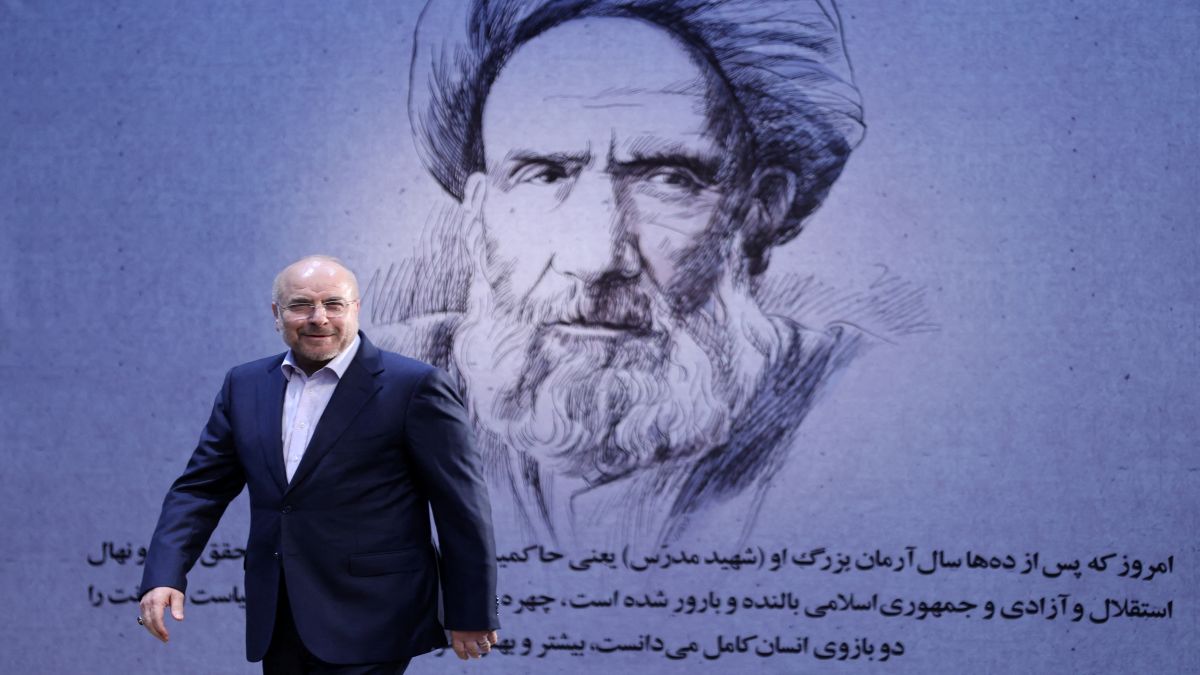 "Iran accuses US of publicly pushing peace talks while secretly preparing ground attack")
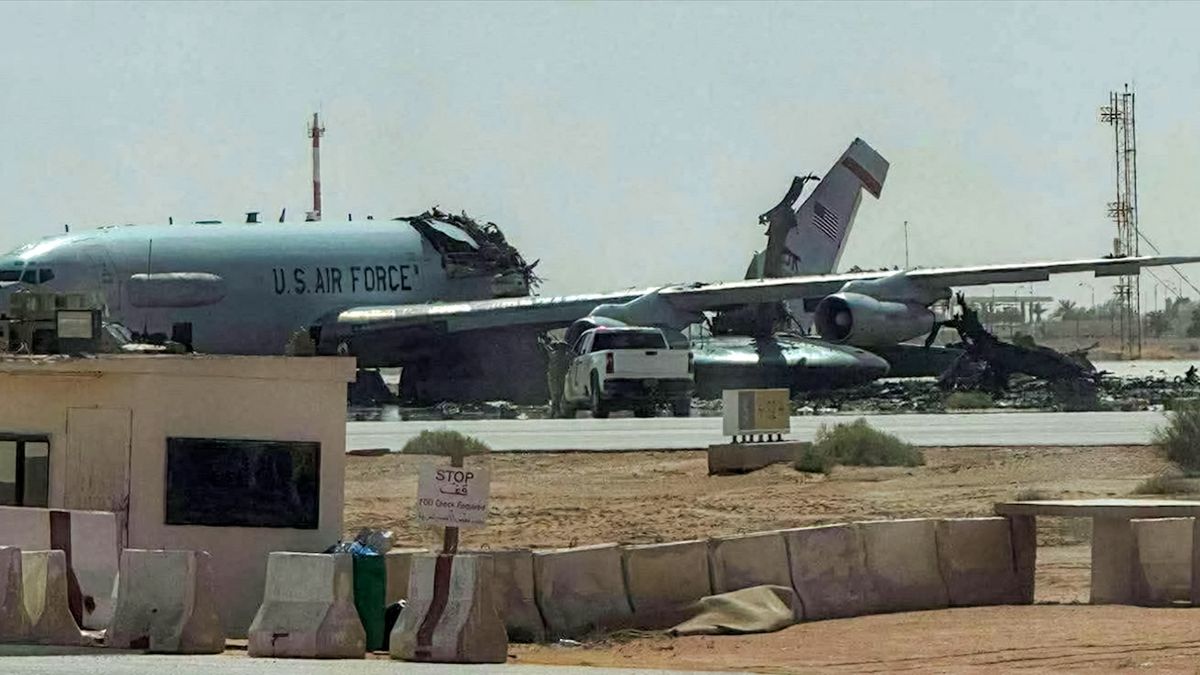 "Iran War Live Updates: Iran warns troops would be ‘set on fire’ as US deploys 3,500 Marines to West Asia")
 "Iran warns US against ground invasion as regional powers meet in Pakistan for West Asia peace talks")
 "MI vs KKR Live Score, IPL 2026: Rohit departs after sensational knock, but MI way ahead in chase of 221")
 "Iran accuses US of publicly pushing peace talks while secretly preparing ground attack")