

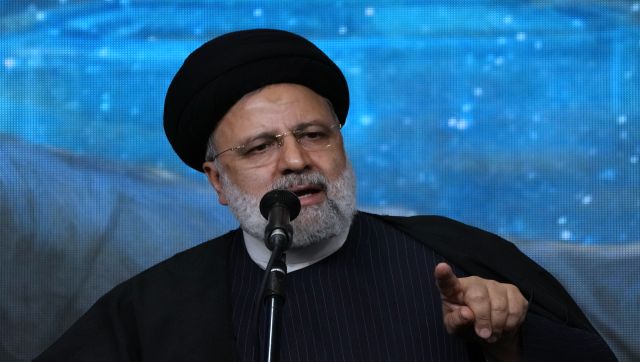
 "Iran's Raisi expected in Turkey for delayed Gaza talks")
Iran’s president, Ebrahim Raisi, was scheduled to go to Turkey on Wednesday to continue twice-postponed negotiations aimed at resolving old grievances and attempting to stop the Israel-Hamas conflict from spreading. Raisi’s meeting with Turkish President Recep Tayyip Erdogan occurs at a time when the conflict in Gaza is beginning to fuel tensions and intensify combat throughout the Middle East. In reaction to the Huthi rebels’ attacks on Red Sea maritime lines, the United States and Britain have increased their combined airstrikes against the rebels in Yemen who are backed by Iran. Israel looks ready to go all out against Iran-backed Hezbollah fighters in Lebanon and has been hitting targets in Syria related to Tehran on many occasions. Iran and Pakistan last week exchanged strikes against “militant” and “terrorist” targets and Turkey itself has stepped up attacks against Kurdish groups in Syria and Iran. The rapid pace of the Middle East escalation forced Raisi to delay his visit to Ankara twice. His planned talks in Ankara in early January were called off when twin blasts claimed by Islamic State group jihadists killed 89 people at the shrine of assassinated Islamic Revolutionary Guard Corps general Qasem Soleimani. A trip he had planned for November was cancelled because of conflicting schedules of diplomats involved in consultations over the Gaza war. ‘Liberators’ The turmoil engulfing the Middle East since Israel went to war in retaliation for Hamas’s October 7 attack has added a new layer of complexity to Turkey’s close but uneasy relationship with Iran. Erdogan depicts Iran-backed Hamas as legitimately elected “liberators” and not the “terrorist” organisation it has been proscribed as across the Western world. He has compared Israeli Prime Minister Benjamin Netanyahu to Adolf Hitler for pursuing an offensive that has killed more than 25,000 people – mostly women and children – in Gaza, according to the enclave’s Hamas-run health ministry. Relentless Israeli attacks since October 7 have left much of the besieged Palestinian territory in ruins and starved of food. But Erdogan had initially defended Israel’s right to respond to the Hamas raids that resulted in the death of 1,140 people – also mostly civilians – according to an AFP tally based on official Israeli figures. The militants are still believed to hold around 132 of the estimated 250 people they took hostage in the worst attack in Israel’s history. Tensions over trade Analysts note widespread anger in Iran’s official and semi-official media about Turkey’s continuing trade and diplomatic relations with Israel. These differences add to existing tensions between the two regional powers in Syria – where they supported opposing camps in the country’s civil war – and in the conflict between Azerbaijan and Armenia over Nagorno-Karabakh. “Relations between Turkey and Iran have always been complex and multidimensional,” Istanbul’s Centre for Iranian Studies director Hakki Uygur told AFP. “Turkey has always able to manage it, to somehow to find a middle ground. I think a similar thing will happen now.” Iran’s official IRNA news agency said Raisi will be leading a “high-ranking political and economic delegation” on his first official visit to Turkey since his election in 2021. Containing the conflict Iran and Turkey share a 535-kilometre (330-mile) border and a long history of both close economic relations and diplomatic feuds. Turkey backed rebel efforts to topple Iranian- and Russian-backed President Bashar al-Assad during Syria’s civil war. Iran grew increasingly anxious as Turkey supplied arms to help Azerbaijan beat back Armenian separatists from the Nagorno-Karabakh enclave in 2020 and then again last year. Tehran fears that Baku’s resurgence in the Caucasus region could feed the separatist ambitions of Iran’s large ethnic Azerbaijani minority. Analysts believe the Gaza war has helped put regional disputes on the back burner and force the two leaders to seek a joint approach to the Middle East. “It is possible that Raisi and Erdogan might declare some symbolic measure about Palestine out of the meeting,” said Clemson University professor Arash Azizi. “But I think their focus will be mostly on how to contain the conflict and make sure it doesn’t expand further, something that Ankara and Tehran both want.”
Raisi’s meeting with Turkish President Recep Tayyip Erdogan occurs at a time when the conflict in Gaza is beginning to fuel tensions and intensify combat throughout the Middle East
Advertisement
End of Article


 "Russian drones over Poland: Trump’s tepid reaction a wake-up call for Nato?")
 "As Russia pushes east, Ukraine faces mounting pressure to defend its heartland")
 "Why Mossad was not on board with Israel’s strike on Hamas in Qatar")
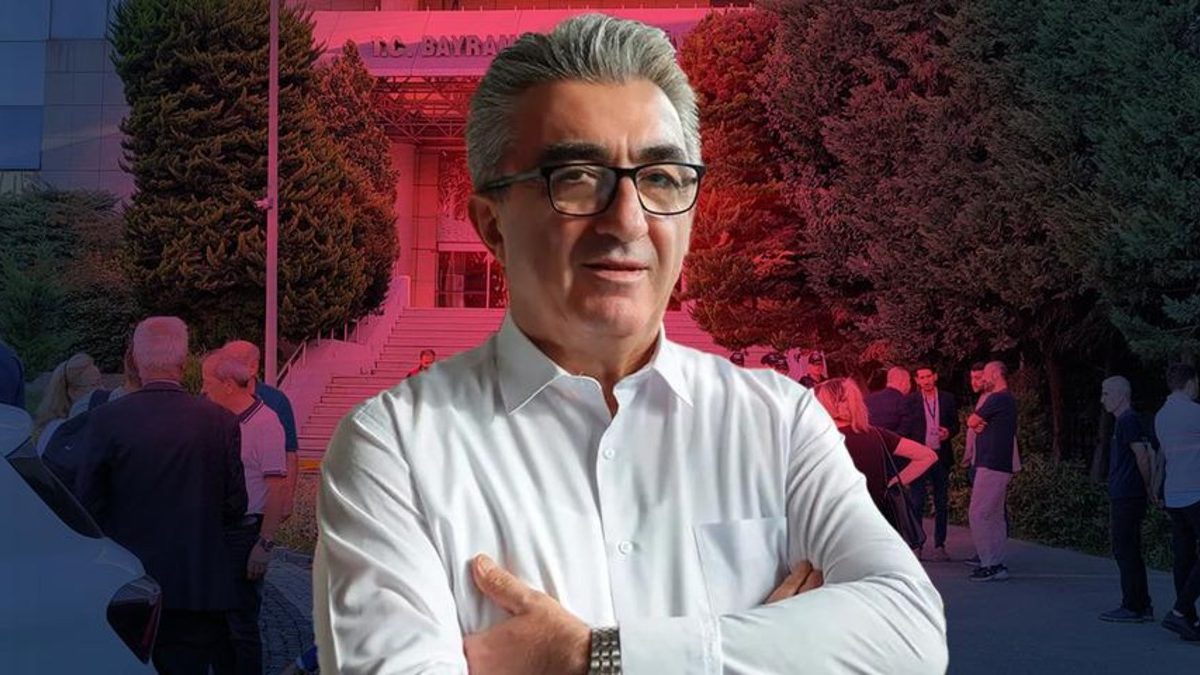 "Turkey: Erdogan's police arrest opposition mayor Hasan Mutlu, dozens officials in corruption probe")
 "Russian drones over Poland: Trump’s tepid reaction a wake-up call for Nato?")
 "As Russia pushes east, Ukraine faces mounting pressure to defend its heartland")
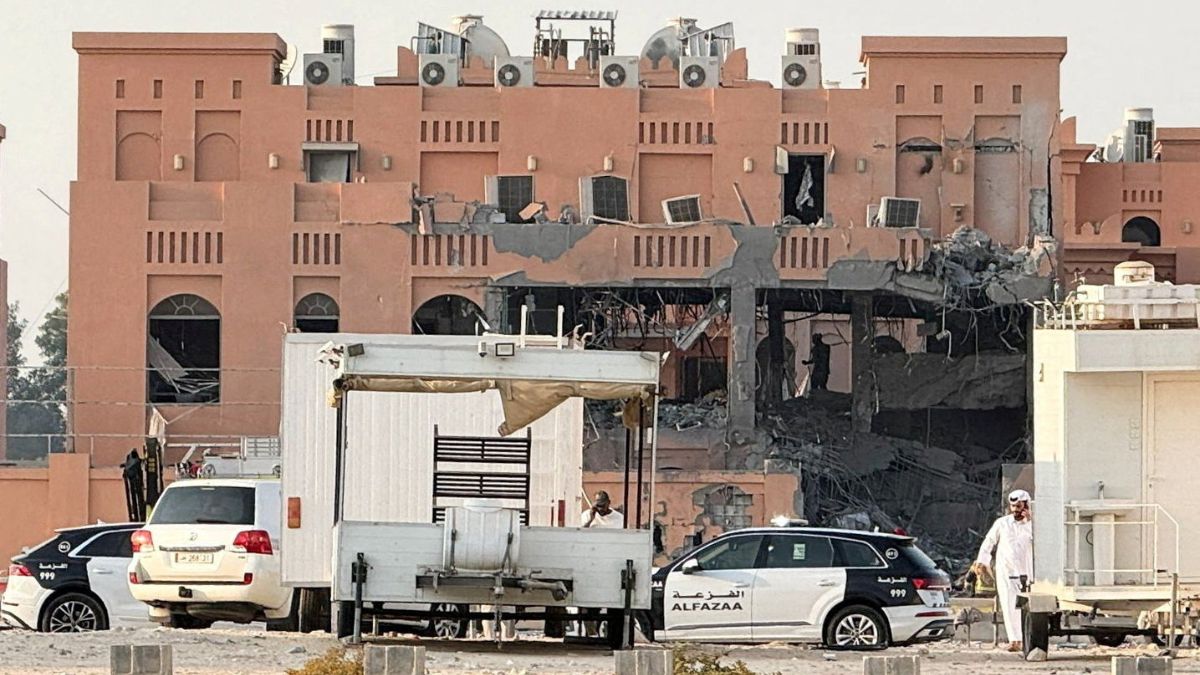 "Why Mossad was not on board with Israel’s strike on Hamas in Qatar")
 "Turkey: Erdogan's police arrest opposition mayor Hasan Mutlu, dozens officials in corruption probe")



