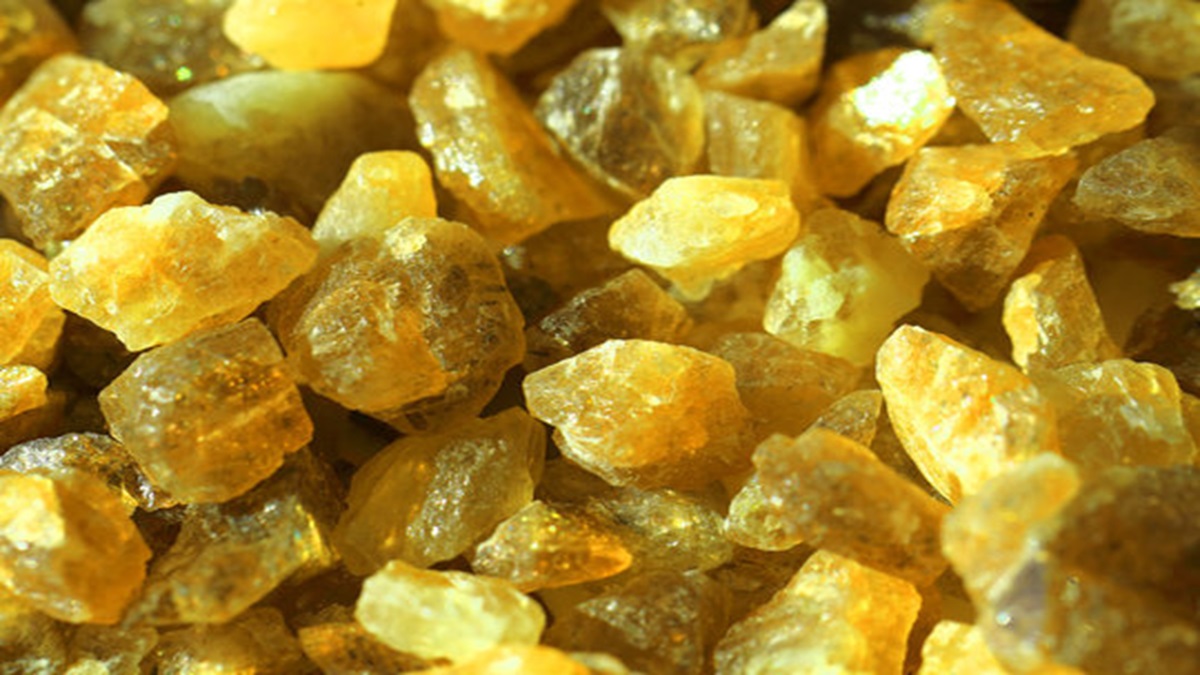
 "Iran war squeezes Sulphur supply chains critical for industry")
Among all the disruptions caused by the conflict in West Asia, there is one commodity whose unavailability has sent ripples across all the regions and sectors, and that is Sulphur- a non-metallic bright yellow chemical element used across industries from fertilisers to car batteries and chemicals to computer chips.
The impact of this massive disruption is already rippling across industries, which are already facing their biggest threat since the Covid-19 pandemic. According to the analytics firm Dun & Bradstreet, more than 44,000 companies have had at least one shipment affected.
This has led to a sharp increase in Sulphur’s price. According to a report by the Financial Times, countries like India and China are most affected due to this disruption. The price of Sulphur in China, its largest consumer, has already jumped 15 per cent since the war began.
This disruption in the sulphur sector has also exposed the vulnerabilities associated with its supply chain. The Gulf region alone accounts for over 45 per cent of the world’s Sulphur exports (Sulphur is a major byproduct of oil and gas refining). Indonesia, a major nickel producer, imports roughly 75 per cent of its Sulphur from West Asia. India too is dependent on Sulphur import primarily for its Urea requirement.
Even the countries outside West Asia that have Sulphur to sell are facing difficulties in finding vessels to transport it.
Ripples across industries
The brunt of the sulphur disruption can be seen across industries. Chipmakers who were already facing a hit from high oil and gas prices are finding it difficult to procure Sulphuric acid. Semiconductor companies use this Sulphuric acid to cool chips during manufacturing.
Meanwhile, the fertiliser industry, which is the largest user of Sulphur and accounts for 60 per cent of the demand, is also facing the heat. Analysts believe that a prolonged supply crunch of Sulphur could increase fears of global food shortage and could lead to a massive surge in prices. Several countries in West Asia and Africa, which are already facing a humanitarian crisis, are likely to be the biggest victims of this.
Quick Reads
View AllAccording to Argus Media, which covers fertilisers and other commodities, the price of Urea in the global market has already hit $700 a tonne, a 45 per cent jump from just before the war.
Another industry facing the consequences of Sulphur disruption is metals and mining. Sulphuric acid is used in leaching, a process from which metals such as copper, nickel and uranium are separated and recovered.
According to the FT report, there are almost 3 million tonnes per year of copper production in the Democratic Republic of Congo that use Sulphuric acid and is vulnerable to growing disruptions. Metal industries may have stockpiles that would help them sustain several weeks, but not any longer.

 "US-Israel Iran War Live Updates: Iran says Kharg Island oil infrastructure unharmed after US strikes, warns over retaliation")
 "At least 4, including 2 children wounded in Afghanistan's drone attack on Pakistan")
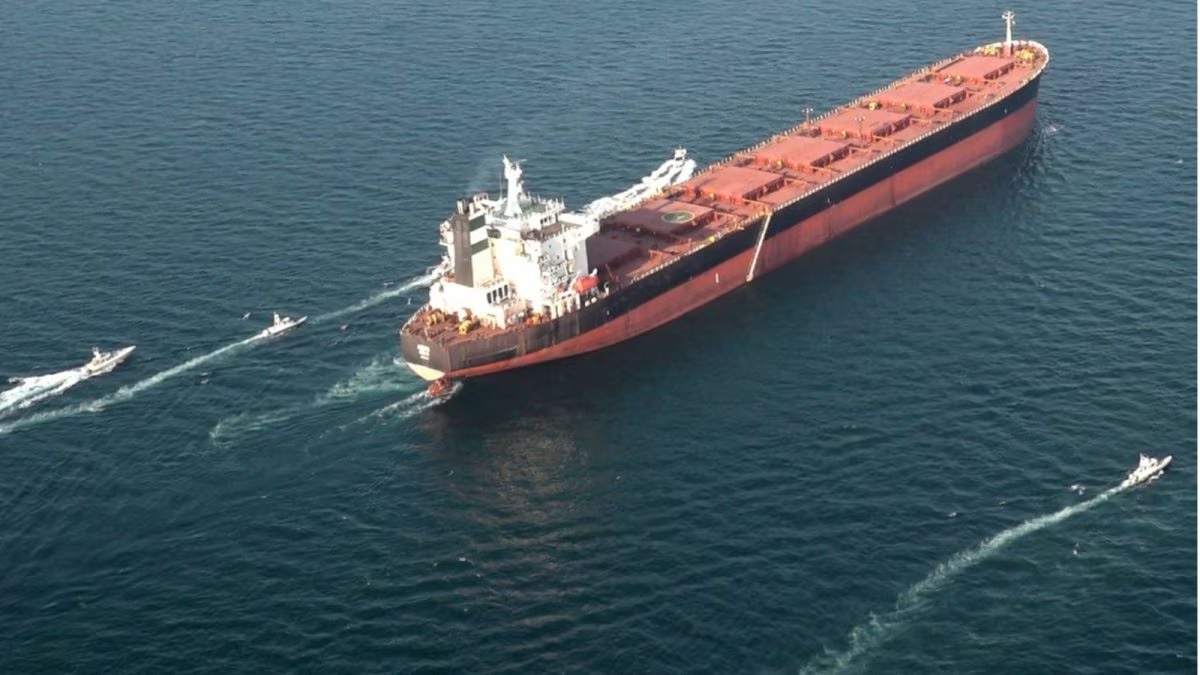 "After Shivalik, LPG carrier Nanda Devi heads to India after clearance from Strait of Hormuz: Report")
 "Why are Oscar statuettes are only worth $1?")
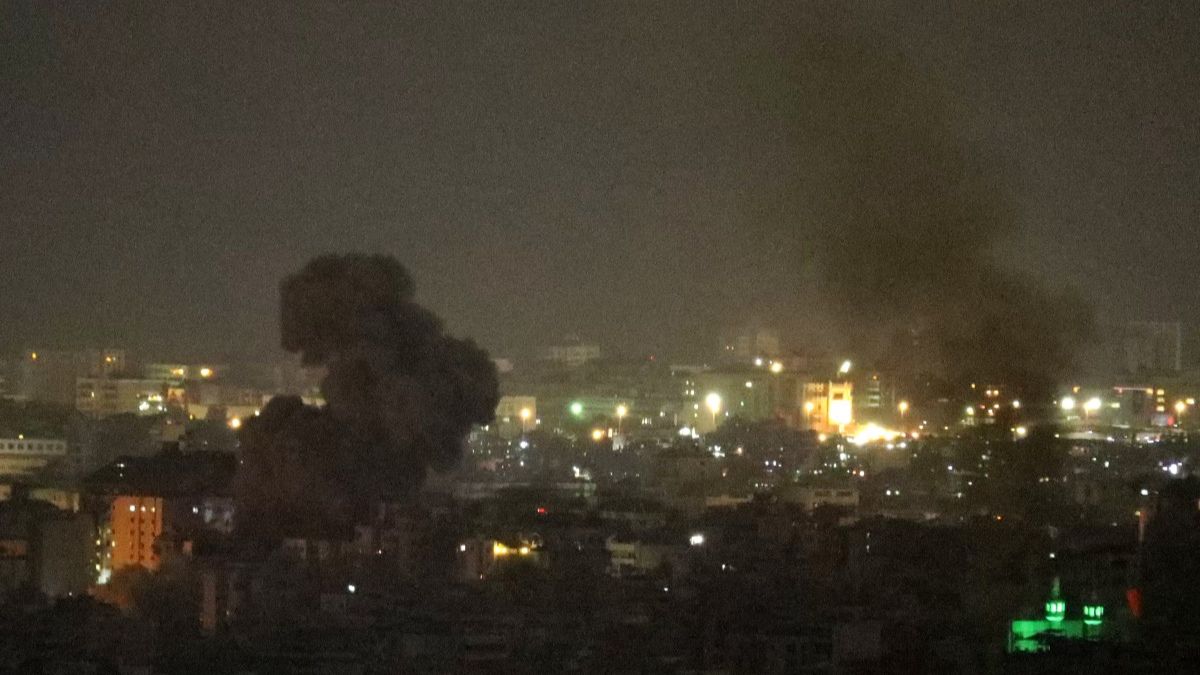 "US-Israel Iran War Live Updates: Iran says Kharg Island oil infrastructure unharmed after US strikes, warns over retaliation")
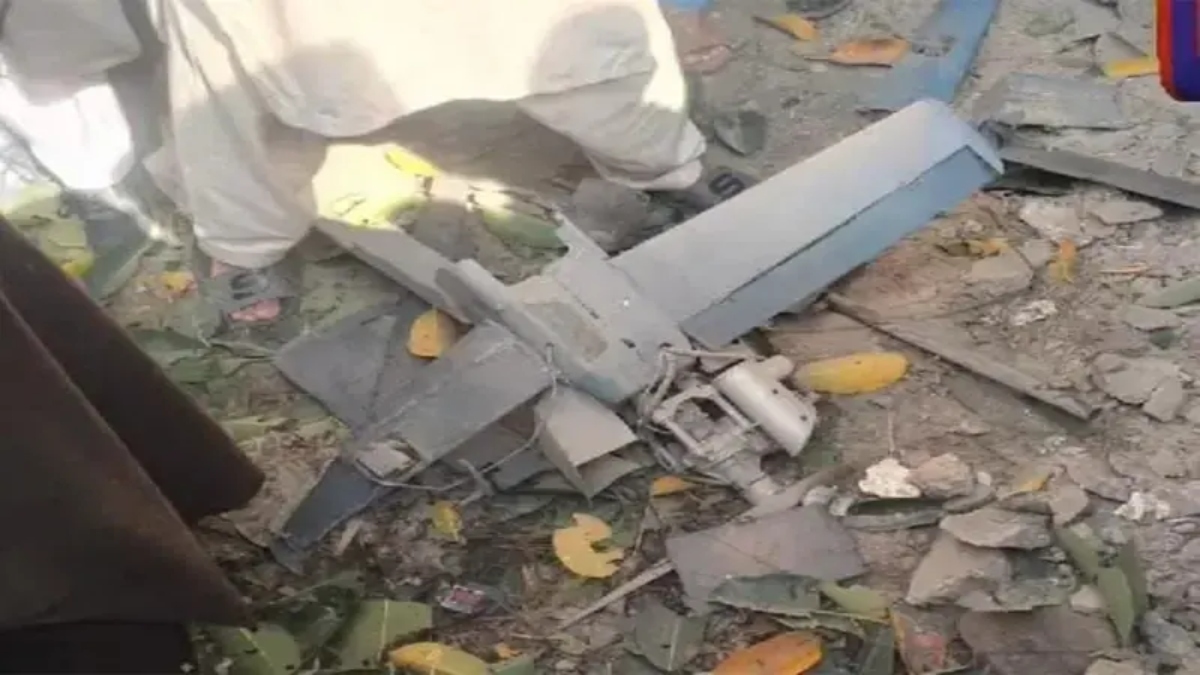 "At least 4, including 2 children wounded in Afghanistan's drone attack on Pakistan")
 "After Shivalik, LPG carrier Nanda Devi heads to India after clearance from Strait of Hormuz: Report")
 "Why are Oscar statuettes are only worth $1?")