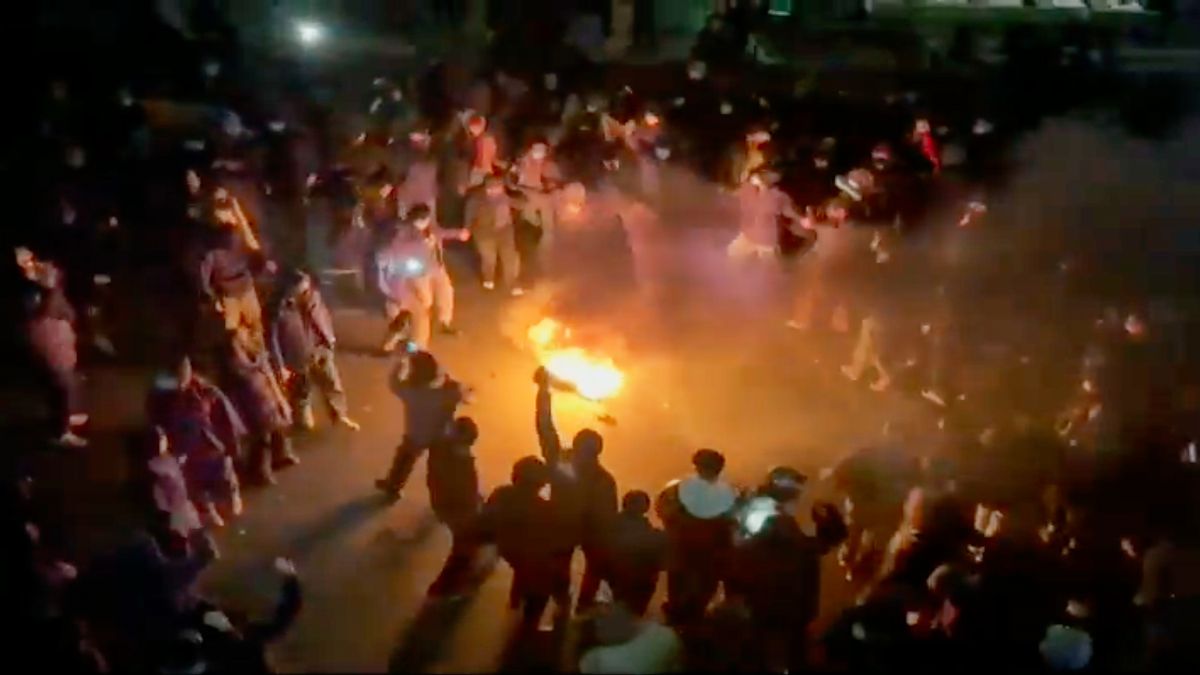
 "Iran protests weaken, activists say over 3,000 killed as Tehran plans to restore SMS, internet")
While the protests in Iran have reportedly simmered down, the death toll of demonstrators has crossed the 3,000 mark, a human rights group said on Saturday. The Human Rights Group Activist News Agency verified the latest death toll after three weeks of protests, with 4,382 cases that the group said are still under review.
“So far, 2,107 people with severe injuries have been identified, and the arrest of at least 24,266 individuals has been confirmed,” the body said in its latest report. The figure emerged the same day Iranian Supreme Leader Ayatollah Ali Khamenei said “several thousands” of people have been killed. He blamed the U.S. for backing the protests and for the deaths, claiming it is a U.S. attempt to “devour Iran.”
“We do not intend to lead the country toward war,” Khamenei said in one of several posts on the social platform X on Saturday. “However, we will not just let go of the criminals inside the country either. Worse than the internal criminals are the international criminals! We will not let go of them either," he added.
In a separate post, Khamenei wrote that Iran has “extinguished the fire of sedition”, but the US must be “held accountable.” The Iranian Supreme Leader went on to accuse Israel of collaborating with the US to commit “heinous crimes” in Iran.
He said these crimes include vandalising 250 mosques and over 250 educational and scientific institutions. “They damaged the power grid, banks, and healthcare facilities,” Khamenei wrote in another X post. “They murdered several thousand people.”
Iran’s rollback of internet blackout begins
In the midst of this, Iran has begun easing sweeping communication restrictions imposed after deadly anti-government protests rocked the country for more than two weeks. According to Iranian news outlet Fars News Agency, authorities on Saturday said that they have restored the short messaging service (SMS) nationwide as part of a phased plan after eight days of near-total internet disruption.
Authorities said the internet blackout had “significantly weakened the internal connections of opposition networks abroad” and disrupted the activities of the “terror cells”. They made it clear that they would gradually lift other internet and communications controls.
Quick Reads
View AllAs per the outlet, in the second phase, users are expected to regain access to Iran’s national internet network and domestic applications, before international internet connectivity is restored in a final stage.
Meanwhile, local sources said that access to Iranian messaging platforms, including Eita and Bale, had resumed after days of interruption.


 "From Starmer to Macron: European leaders fume over Trump's Greenland tariffs")
 "Hasina warns Yunus pushing Bangladesh into ‘chaos’ as extremists fill political ‘vacuum’, admits 'mistakes' in 2024 unrest")
 "India vs New Zealand Live Score 3rd ODI at Indore: Arshdeep, Rana strike early to reduce NZ to 5/2")
 "Exclusive | How Jodhpur Polo became the 'Mecca' of Indian polo")
 "From Starmer to Macron: European leaders fume over Trump's Greenland tariffs")
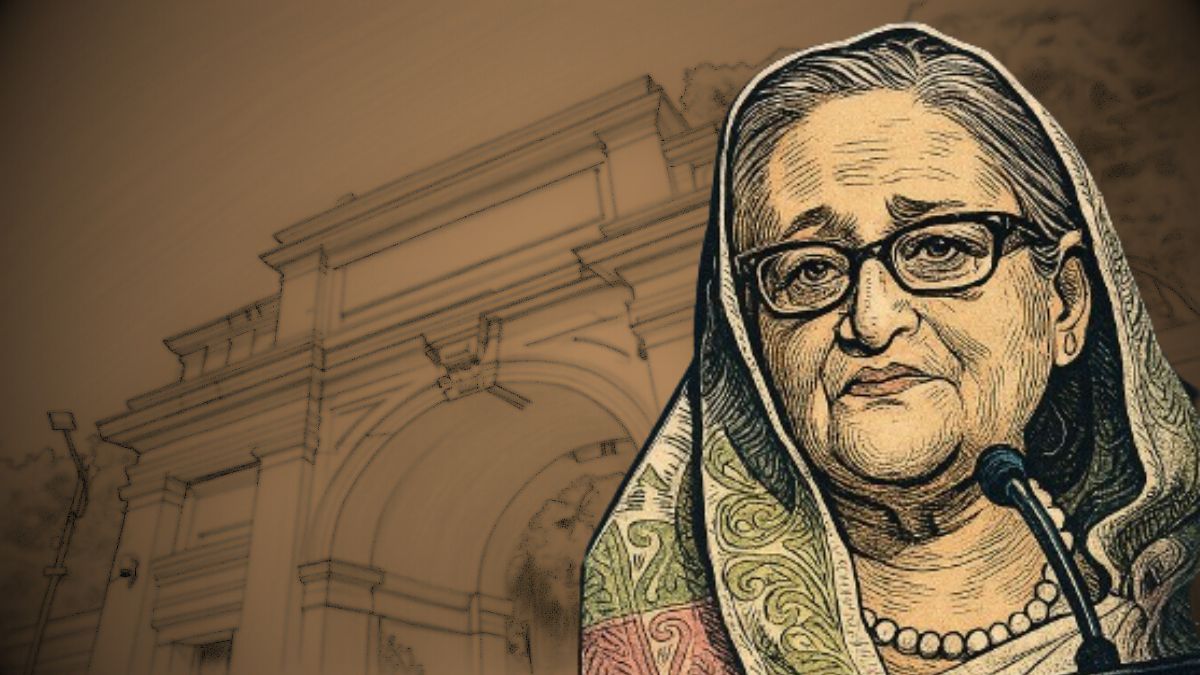 "Hasina warns Yunus pushing Bangladesh into ‘chaos’ as extremists fill political ‘vacuum’, admits 'mistakes' in 2024 unrest")
 "India vs New Zealand Live Score 3rd ODI at Indore: Arshdeep, Rana strike early to reduce NZ to 5/2")
 "Exclusive | How Jodhpur Polo became the 'Mecca' of Indian polo")