

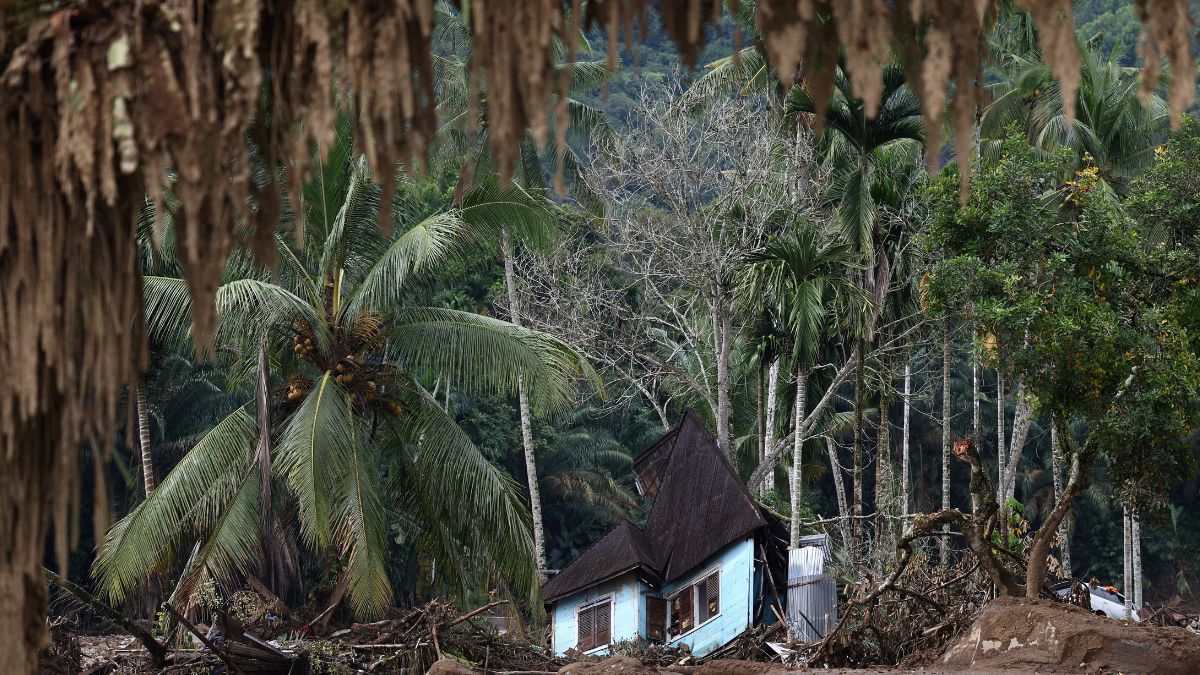
 "Indonesia death toll from floods and landslides rises to 753 as hundreds remain missing")
The number of people killed by floods and landslides on Indonesia’s Sumatra Island rose to 753 on Tuesday, with 504 still missing, the national disaster agency said. The updated figure marks a steep increase from the 604 reported on Monday.
Days of torrential rain and a rare tropical storm battered the island, leaving many areas submerged and entire communities cut off. Although the rains have eased and waters have largely receded, the impact has been devastating for those left behind.
In North Sumatra, residents waded through thick grey-brown mud to recover what little they could. She described fleeing in fear as rising water pushed into her village last week. A neighbour had shouted a warning to run, and she escaped with her child as water rose to their knees. Surveying her damaged home, she said it was destroyed and hoped for government help.
President Prabowo Subianto visited the region on Monday and pledged support for survivors, including assistance for damaged homes. He has not yet declared a national emergency or issued calls for international support, unlike his Sri Lankan counterpart after recent floods. Some areas remain inaccessible, and military ships and helicopters have been deployed to reach stranded communities.
Communities struggle with shortages and loss
Across the island, people continue to search for missing relatives while coping with power cuts, telecommunications outages and a lack of basic supplies. In East Aceh, Zamzami said the oncoming floodwaters were “unstoppable, like a tsunami wave”. Villagers sheltered on the roof of a two-storey fish market and are now left without clean water, with children beginning to fall ill.
In West Sumatra, hundreds of survivors have taken refuge in a school in Padang. Traders and labourers said the disaster would hit those with no savings the hardest, forcing families who rely on daily wages to start over with nothing.
Quick Reads
View AllMore than half a million people evacuated during the disaster, and government estimates indicate tens of thousands of homes suffered damage ranging from light to severe.
In North Aceh, Misbahul Munir said he felt fortunate compared with others, noting the high death toll elsewhere. But he broke down as he described losing almost everything. “The furniture is all damaged. I only have the clothes that I’m wearing,” he said.


 "India to induct INS Aridhaman, third indigenous nuclear submarine, soon: Navy chief")
 "India-Russia ties go beyond arms and oil. There’s Bollywood, literature, and tourism")
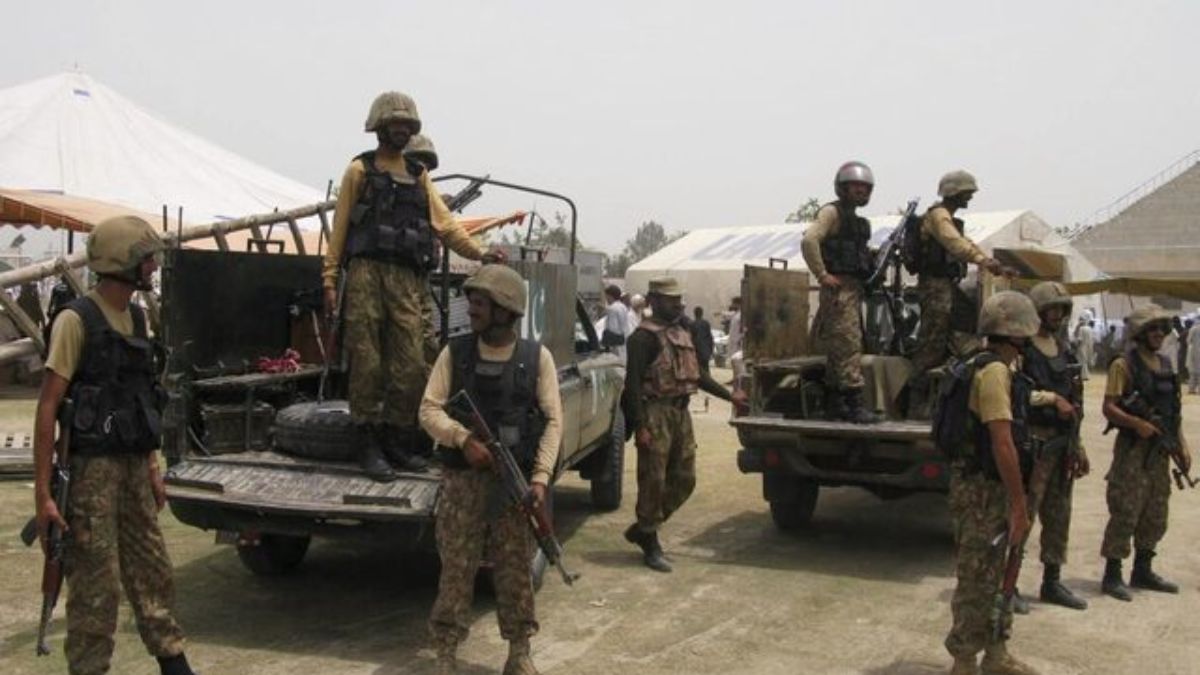 "Pakistan: Govt official, 2 cops among 5 killed as TTP ambushes vehicle in Khyber Pakhtunkhwa")
 "Rich nations have been gatekeeping Ozempic-like weight-loss drugs. WHO wants it to end")
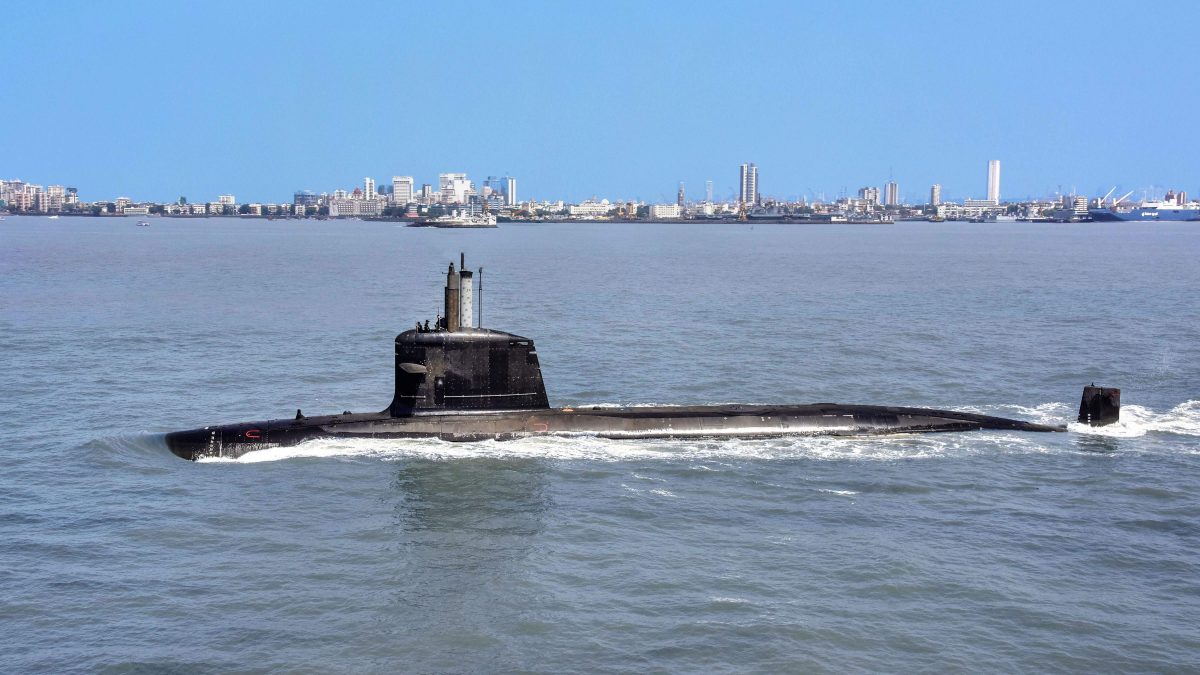 "India to induct INS Aridhaman, third indigenous nuclear submarine, soon: Navy chief")
 "India-Russia ties go beyond arms and oil. There’s Bollywood, literature, and tourism")
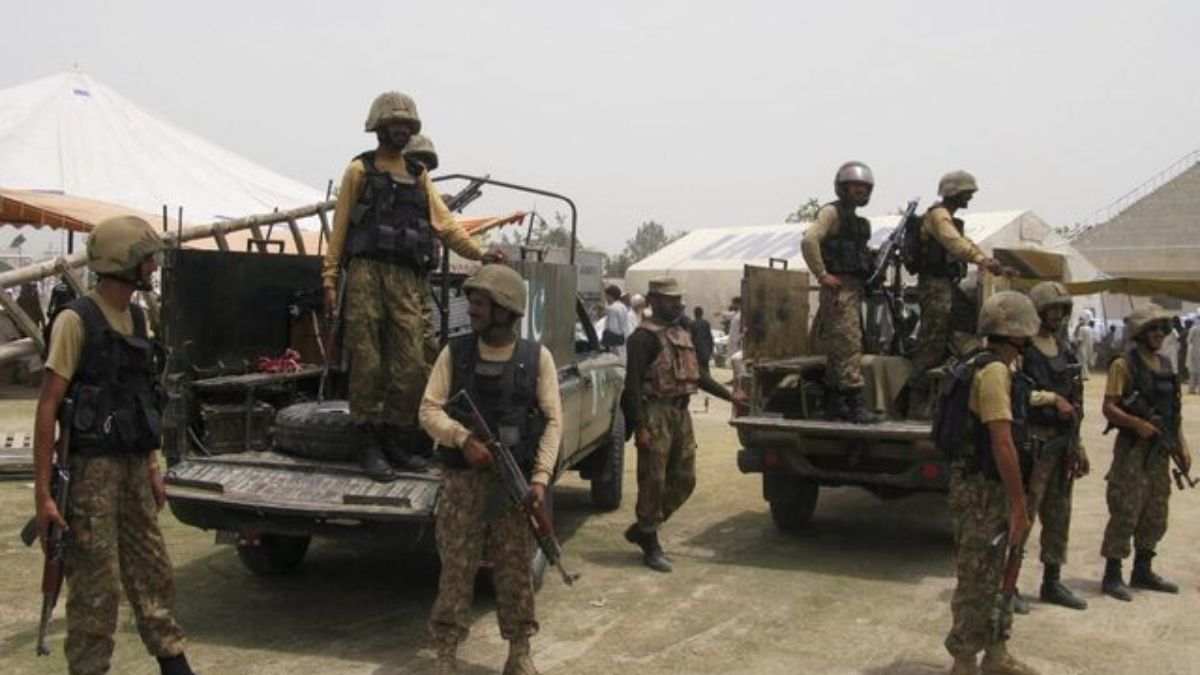 "Pakistan: Govt official, 2 cops among 5 killed as TTP ambushes vehicle in Khyber Pakhtunkhwa")
 "Rich nations have been gatekeeping Ozempic-like weight-loss drugs. WHO wants it to end")



