 "India’s efforts to protect Gulf workers falling short: Report")
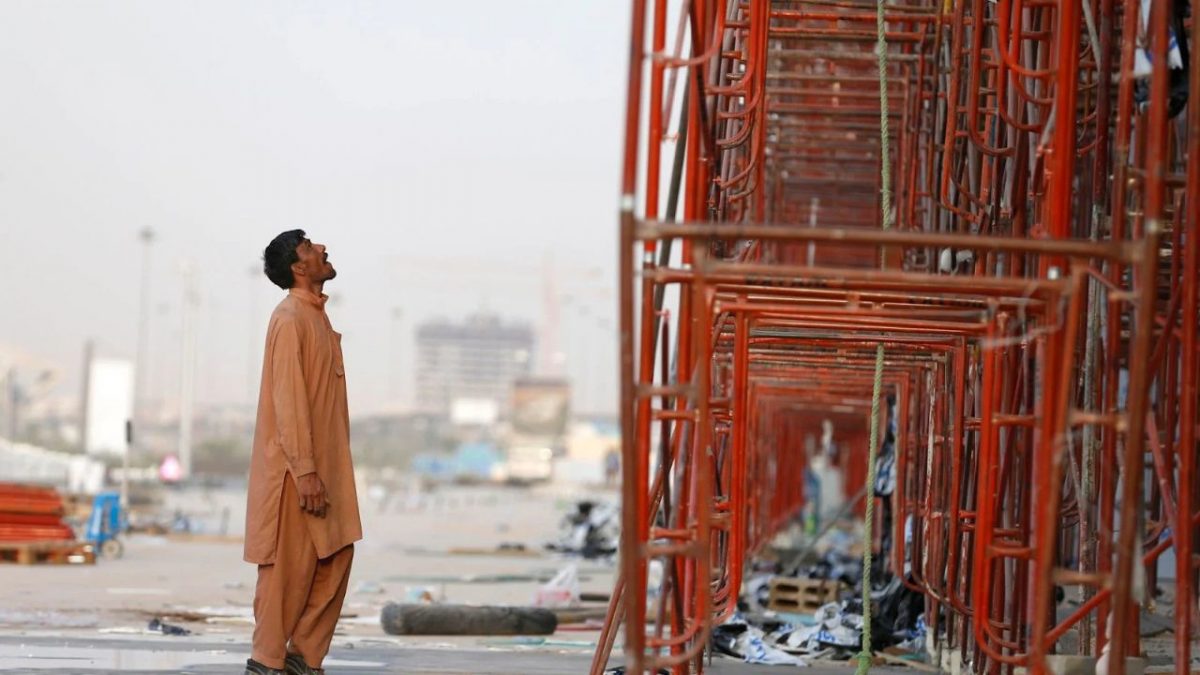
The economic stability of India remains deeply intertwined with the millions of its citizens who seek employment across the West Asia. Despite the simmering regional tensions involving Iran, the vast majority of the ten million Indians residing in the Gulf have chosen to remain in their host countries rather than returning home.
This massive diaspora serves as a vital financial lifeline, pumping tens of billions of dollars in remittances into the Indian economy every year while simultaneously acting as a critical pressure valve for a domestic labour market that continues to struggle with unemployment. However, the human cost of this economic arrangement is becoming increasingly difficult to ignore as systemic failures in migrant protection persist.
The harsh reality for blue collar workers
A significant portion of the Indian workforce in the Gulf consists of low income individuals employed in demanding manual roles. These labourers frequently encounter a gauntlet of systemic abuses that begin long before they even leave Indian soil.
Common grievances include the theft of hard earned wages, the imposition of extortionate fees by recruitment agents, and exposure to dangerously substandard workplace conditions. For these workers, the dream of providing a better life for their families in India is often overshadowed by the grim reality of exploitation and a lack of legal recourse in foreign jurisdictions.
Stagnant regulations and the need for reform
The legal framework governing the migration of Indian workers has remained largely static for several decades, failing to keep pace with the evolving complexities of global labour markets. Recognising the urgent need for change, a draft bill was introduced to the Indian parliament last year with the specific aim of tackling the rampant exploitation of citizens abroad.
Quick Reads
View AllThis legislative push represents the first major attempt in years to modernize the protections afforded to those who take the risk of seeking work overseas, yet critics argue that the proposed measures do not go nearly far enough to address the root causes of the problem.
Limitations of the overseas mobility and welfare council
Central to the new legislative proposal is the creation of a dedicated body known as the Overseas Mobility and Welfare Council. This organisation is intended to oversee the wellbeing of emigrants and provide a structured support system for those in distress. However, independent analysts have raised serious concerns regarding the actual authority this council will possess.
There are growing fears that the body lacks teeth to provide oversight on the recruitment offices that source workers and send them abroad. Without the power to strictly regulate these often predatory intermediaries, the council may find itself unable to prevent the cycle of debt and abuse that begins during the initial hiring process.
The future of Indian migrant rights
As the Indian government weighs the implementation of these new rules, the pressure to provide genuine protection for its overseas citizens continues to mount. While the proposed council marks a symbolic step forward, the reliance on outdated methods of monitoring recruitment agencies remains a significant hurdle.
For the millions of Indians who continue to stick it out in the Gulf, the effectiveness of these reforms will determine whether their contributions to the national economy are met with the dignity and safety they deserve. Only a robust and enforceable legal overhaul can ensure that the prosperity of the nation is not built upon the suffering of its most vulnerable workers.

 "Iran War Live Updates: Israel vows to raze all homes near Lebanon border, extend control to Litani River")
 "IndiGo’s big move: Who is its new CEO Willie Walsh and can he steer the airline through turbulence?")
 "‘Go, get your own oil’: Trump targets UK over Iran stand, says ‘won’t be there to help you anymore’")
 "'Upcoming days will be decisive': Pete Hegseth says Iran has limited options, pushes for deal")
 "Iran War Live Updates: Israel vows to raze all homes near Lebanon border, extend control to Litani River")
 "IndiGo’s big move: Who is its new CEO Willie Walsh and can he steer the airline through turbulence?")
 "‘Go, get your own oil’: Trump targets UK over Iran stand, says ‘won’t be there to help you anymore’")
 "'Upcoming days will be decisive': Pete Hegseth says Iran has limited options, pushes for deal")