

 "Islamabad’s own record 'speaks for itself': India rejects Pakistan’s allegations on minority rights in India")
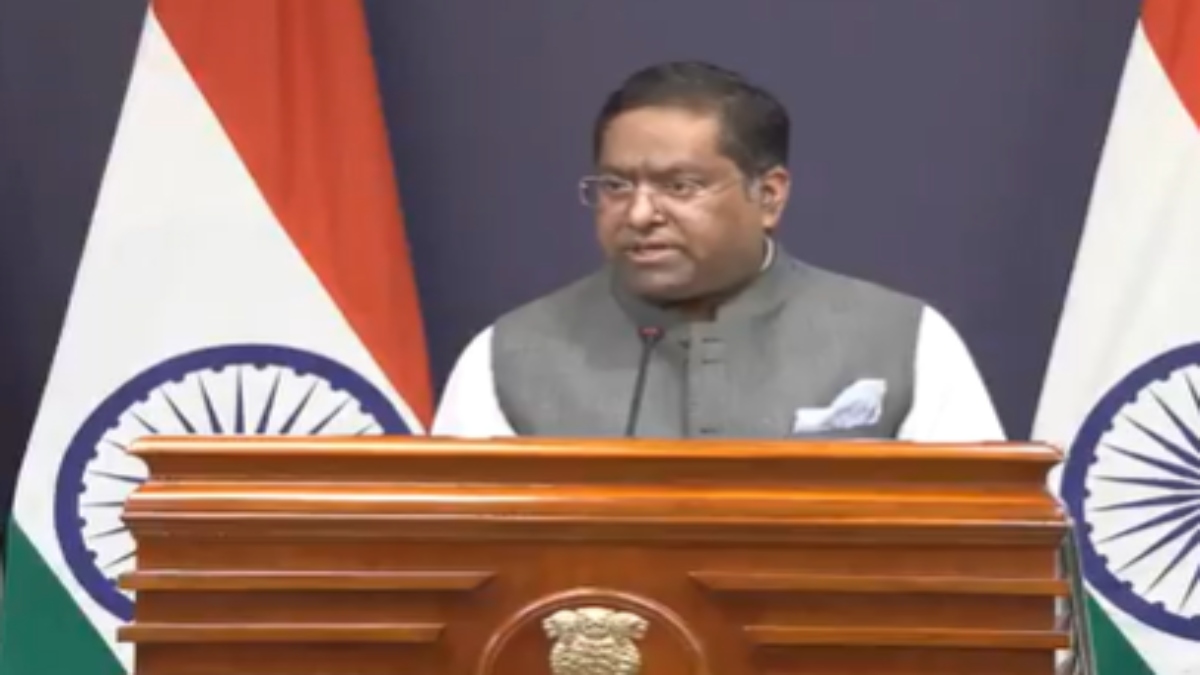
India on Monday strongly rejected remarks made by Pakistan’s Ministry of Foreign Affairs on alleged incidents involving minorities in India, asserting that Islamabad’s own record on minority rights “speaks for itself”.
Responding to media queries on comments by Pakistani Foreign Office spokesperson Tahir Andrabi, External Affairs Ministry spokesperson Randhir Jaiswal said New Delhi firmly dismissed the allegations, describing them as coming from a country with an abysmal and well-documented human rights record.
‘Finger-pointing cannot hide Pakistan’s reality’
Jaiswal said Pakistan’s treatment of religious minorities has been a long-standing and serious concern, adding that attempts to divert attention through baseless accusations would not alter ground realities.
Our response to media queries regarding remarks of the Spokesperson of the Pakistani Ministry of Foreign Affairs on incidents in India ⬇️
— Randhir Jaiswal (@MEAIndia) December 29, 2025
🔗 https://t.co/xMhlbQZYqc pic.twitter.com/WU09obKsbj
“We reject the reported remarks from a country whose abysmal record on this front speaks for itself. Pakistan’s horrific and systemic victimisation of minorities of various faiths is a well-established fact. No amount of finger-pointing will obfuscate it,” he said.
Pakistan’s claims and India’s response
The MEA’s response followed remarks by Andrabi, who alleged persecution of minorities in India and claimed the issue was a matter of “deep concern” for Islamabad, while calling on the international community to take note.
India countered by underlining Pakistan’s own track record, which has repeatedly drawn criticism from international human rights organisations.
Blasphemy laws and Pak’s systemic abuse
New Delhi pointed out that Pakistan has consistently weaponised its blasphemy laws against minorities and vulnerable individuals. Pakistan’s blasphemy provisions, particularly Section 295-C, have long been criticised globally for vague language and extreme punishments, including the death penalty.
These laws have disproportionately targeted religious minorities, especially Christians, Ahmadis and Hindus, often leading to mob violence, arbitrary arrests and prolonged imprisonment.
Quick Reads
View AllDecades of violence against minorities in Islamic Republic Pakistan
Pakistan has a long history of violence and discrimination against religious minorities, marked by mob attacks, communal riots, legal marginalisation and forced conversions over decades.
The Ahmadi community has faced sustained state-backed and societal persecution, while Christians have repeatedly been targeted in communal violence. In the 2009 Gojra riots in Punjab, mobs attacked Christian neighbourhoods, killing eight people and injuring several others.
Hindu places of worship have also come under attack during communal flare-ups, including the 2020 assault on a Hindu temple in Karak district of Khyber Pakhtunkhwa.
India has consistently maintained that Pakistan must first address its own record of minority persecution instead of making unfounded allegations against others, stressing that credibility on human rights begins at home.


 "China’s massive military drills force Taiwan to reroute flights")
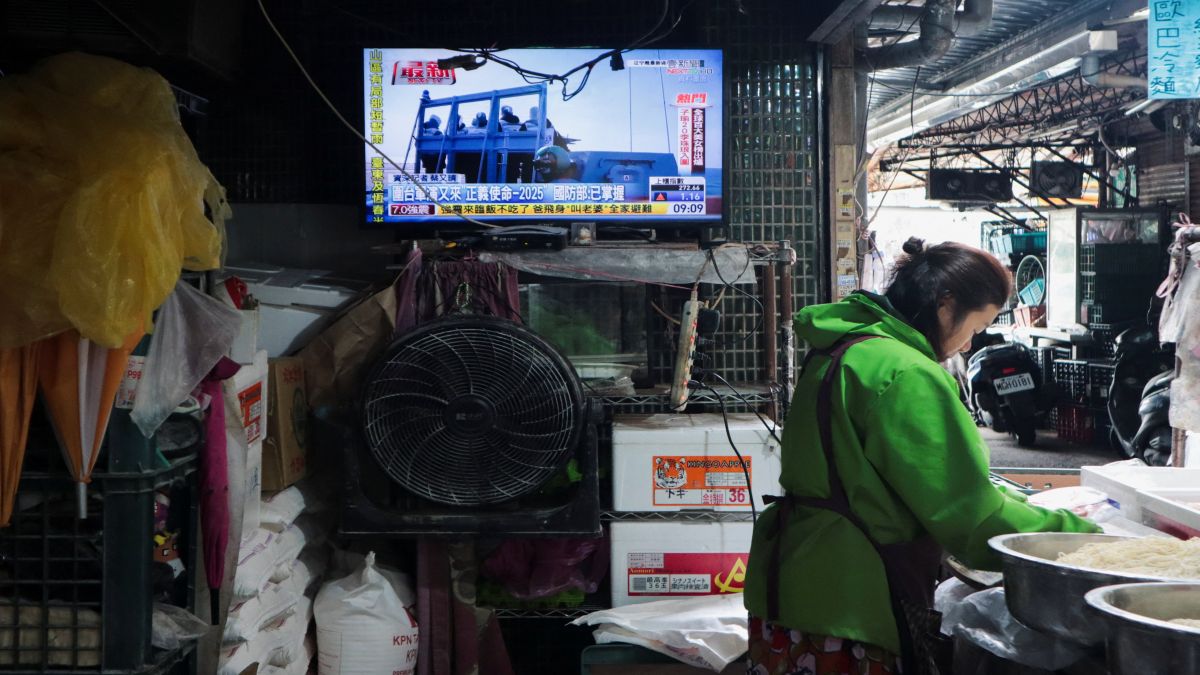 "China launches military drills around Taiwan: How Beijing uses war games to intimidate the island")
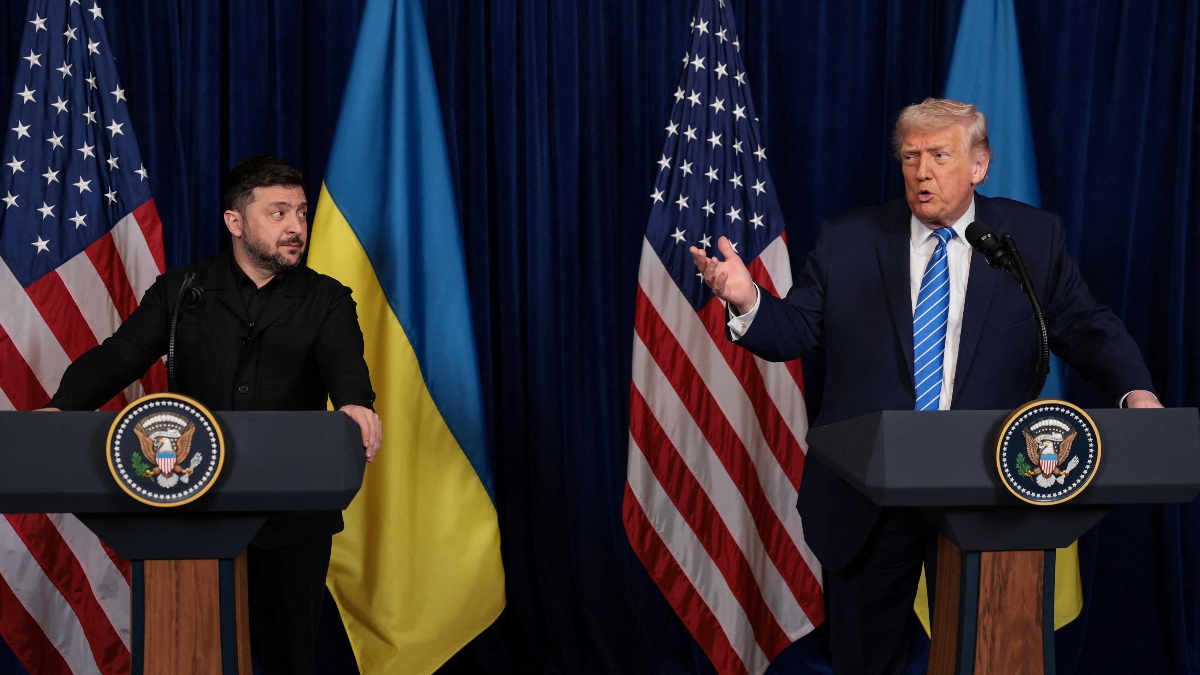 "Control of Zaporizhzhia nuclear plant, fate of Donbas: Sticking points remain after Trump–Zelenskyy talks")
 "Thailand accuses Cambodia of ceasefire breach as 'more than 250' drones cross border")
 "China’s massive military drills force Taiwan to reroute flights")
 "China launches military drills around Taiwan: How Beijing uses war games to intimidate the island")
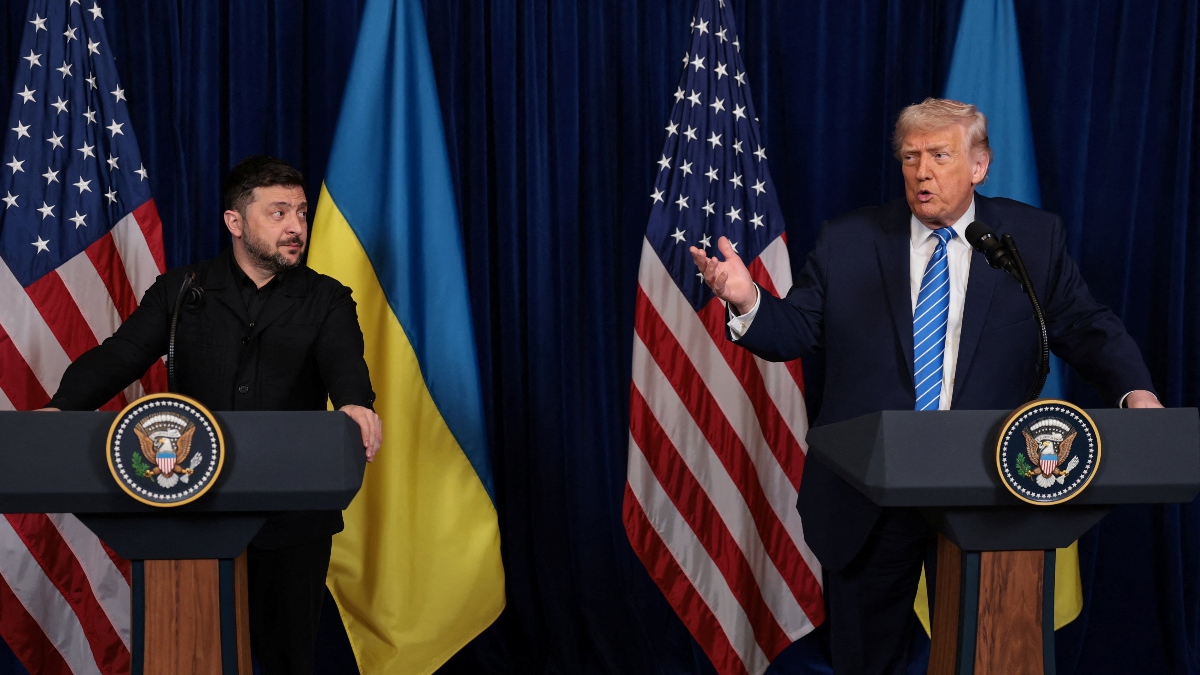 "Control of Zaporizhzhia nuclear plant, fate of Donbas: Sticking points remain after Trump–Zelenskyy talks")
 "Thailand accuses Cambodia of ceasefire breach as 'more than 250' drones cross border")



