

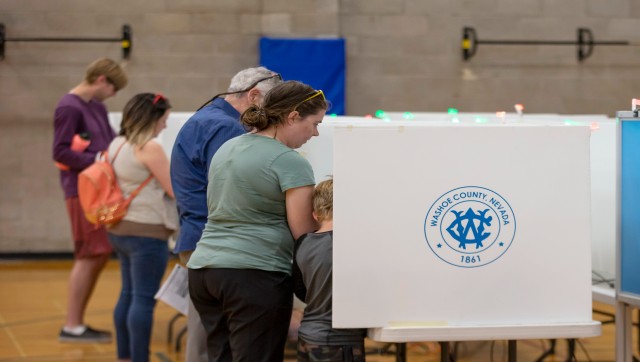
 "In Nevada, Joe Biden wins primary, while votes are still being counted for GOP race")
This week’s simultaneous presidential caucuses and primary in Nevada are confusing voters; in Tuesday’s first round, participants may choose to support “none of these candidates.” While Donald Trump is the only significant contender in Thursday’s Republican caucuses, which count towards the GOP nomination, Nikki Haley participated in Tuesday’s Republican primary, which does not. The impact of the third state on the GOP schedule has been diminished by the divided contests. It could have also contributed to a dull approach to Tuesday’s elections, as the day began with lower-than-expected voter participation. Officials said that in the first two hours following the polls’ opening, 183 voters cast ballots in person in Washoe County, which is the second-most populous county in the state. During the same two hours, 2,298 voters cast ballots in person in Clark County, which is home to Las Vegas and is the most populous county in Nevada. Voters in Nevada can also cast their ballots before election day or via mail. Tuesday also saw a Democratic primary, which author Marianne Williamson and a few lesser-known opponents were soundly defeated by President Joe Biden. There was no ballot for Minnesota Representative Dean Phillips. Arriving at the Reno Town Mall, 65-year-old Jeff Turner marked “none of these candidates” on his vote. This option, which Nevada lawmakers introduced to all statewide contests decades ago, is one that many Trump fans might use because the former president and front-runner of the GOP is not on the primary ticket. Turner’s candidates of choice — Florida Gov. Ron DeSantis and then businessman Vivek Ramaswamy — also would not have been on the ballot had they stayed in the race, since they opted to participate in Thursday’s caucus. Turner is among those people who lament an increasingly likely rematch between Trump and President Joe Biden. “I think it’s my duty,” Turner said of voting in an election where his candidates of choice are not on the ballot. “I think we all have the right to vote, we ought to vote. And even if it’s none of these candidates, it’s at least stating where I’m at. And I’m hoping others will see that.” Haley, a former U.N. ambassador, has rejected the Nevada caucuses as unfair and set up by the state party to deliver a victory for the former president. Her campaign balked at the $55,000 fee the Nevada GOP was charging candidates to participate in the caucuses. “We have not spent a dime nor an ounce of energy on Nevada. We made the decision early on that we were not going to pay $55,000 to a Trump entity to participate in a process that is rigged for Trump,” Haley campaign manager Betsy Ankney told reporters on Monday. “Nevada is not and has not been our focus.” Haley’s campaign dismissed any concerns about how she might fare in the symbolic primary and has instead focused on her home state of South Carolina and its Feb. 24 primary. Ralph Eastwood, a 64-year-old retired truck driver from Las Vegas, is a Biden supporter who changed his registration to Republican so he could for for Haley — mainly to vote against Trump. “Stupid as it may seem, she’s the anti-Trump,” Eastwood said. “Who do you really want to be the president? Somebody who’s had a tried and true ability to to have no real emotional control, to have a long instinct for victimizing people because he can he can?” Trump, meanwhile, is expected to pick up all of Nevada’s 26 Republican delegates in Thursday’s contest. He needs to accrue 1,215 delegates to formally clinch the party’s nomination but could reach that number in March. “If your goal is to win the Republican nomination for president, you go where the delegates are. And it baffles me that Nikki Haley chose not to participate,” Trump’s senior campaign adviser Chris LaCivita said in an interview. Though Biden faced little danger of losing the primary, he campaigned in the Western state Sunday and Monday to start energizing voters ahead of November, when Nevada will be a key swing state. Speaking Sunday in North Las Vegas, Biden described a potential second Trump presidency as a “nightmare.” Trump’s campaign advisers also see the primary as an opportunity to test-drive their general election operation. “It’s a national campaign and this is what national campaigns do,” LaCivita said. “We don’t forget anybody. We don’t take anything for granted.” The caucuses, to be held Thursday evening, are expected to heavily favor Trump. With his strong grassroots support, Trump already has an advantage when caucuses are held instead of primaries. The contests require organizing supporters around a state and prodding them to show up in person at an appointed hour. But Nevada’s GOP tipped the scales even further, passing changes that barred any super PACs, like the kind former candidate and Florida Gov. Ron DeSantis was relying on, from helping candidates. The Nevada GOP also barred Republicans from running in the primary election, where they could show support among a broader number of voters, if they wanted to compete in the party-run caucuses. Nevada’s early-state role is overlooked during election cycles because of its distance from Washington and the notoriety of other early contests in Iowa, New Hampshire and South Carolina. The state’s longtime locals do not have the same tradition of playing a decisive role, having only been an early state since 2008, when the late Senate Majority Leader Harry Reid, a skilled political power broker, got his home state a slot at the top of the presidential primary calendar. Nevada’s population moves around a lot, and the state is fast growing, drawing people who may not be familiar with its relatively nascent role. But setting all that aside, the state has been extra neglected this year with an incumbent president running in the Democratic race, a former president running in the Republican race and his only major challenger mostly ignoring the state. South Carolina Sen. Tim Scott and former Vice President Mike Pence had also opted to run in the Nevada primary before they ended their campaigns. Because of the timing of their announcements, their names will still appear as an option on the ballots — along with a quirk under Nevada law that allows voters to choose “none of these candidates.” Nevada lawmakers added “none of these candidates” as an option in all statewide races as a way post-Watergate for voters to participate but express dissatisfaction with their choices. “None” can’t win an elected office but it came in first in primary congressional contests in 1976 and 1978. It also finished ahead of both George Bush and Edward Kennedy in Nevada’s 1980 presidential primaries. The two processes have been a source of confusion and frustration for voters, said Cari-Ann Burgess, the interim registrar of voters in Washoe County, which includes Reno. For months, her office has received calls from Republican voters asking questions, including, which contest they should vote in and why Trump is not on the primary ballot they received in the mail. Those calls continued on Tuesday.
Tuesday also saw a Democratic primary, which author Marianne Williamson and a few lesser-known opponents were soundly defeated by President Joe Biden
Advertisement
End of Article


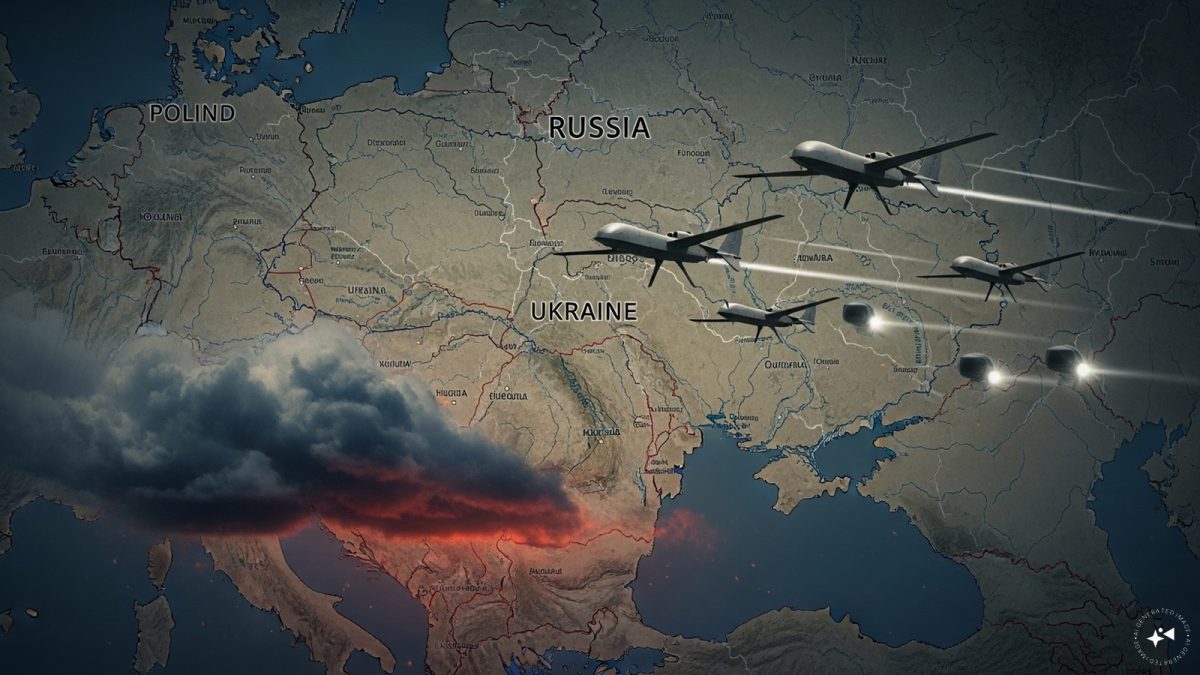 "Russian drones over Poland: Trump’s tepid reaction a wake-up call for Nato?")
 "As Russia pushes east, Ukraine faces mounting pressure to defend its heartland")
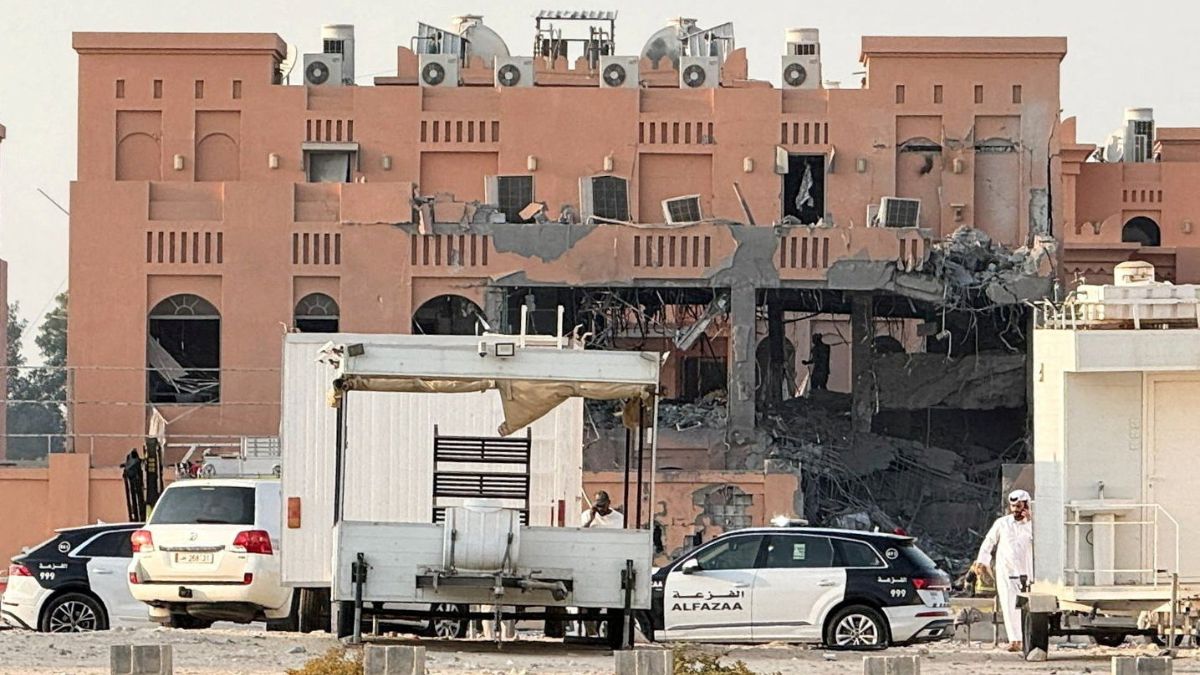 "Why Mossad was not on board with Israel’s strike on Hamas in Qatar")
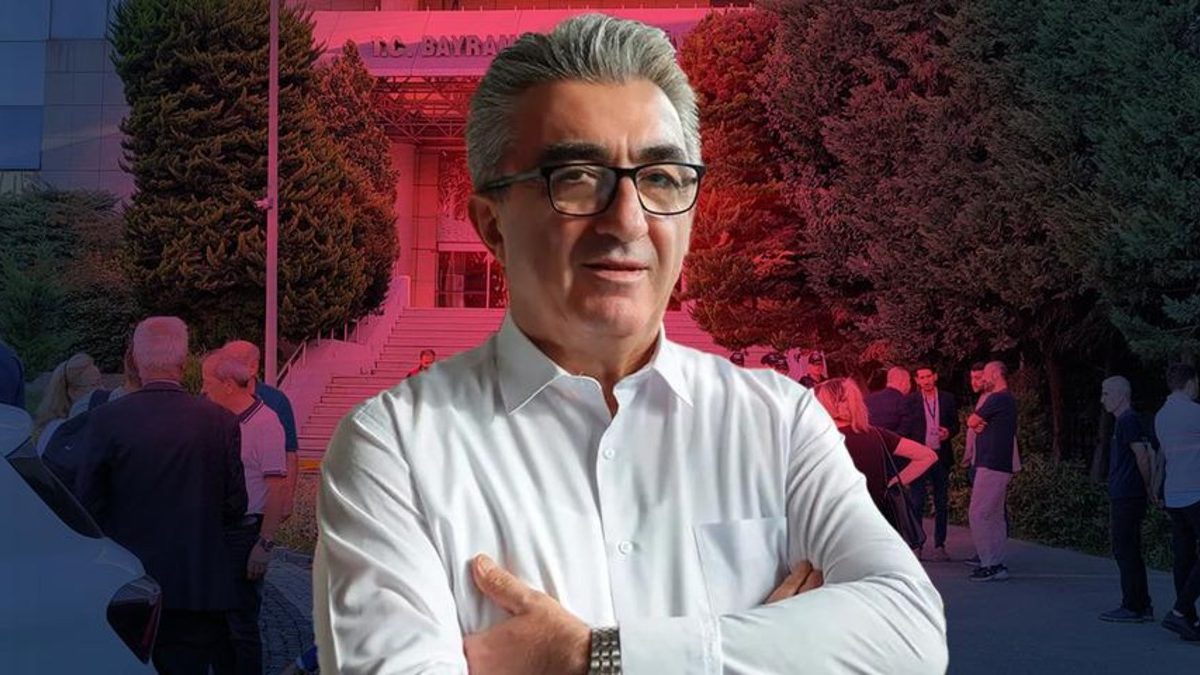 "Turkey: Erdogan's police arrest opposition mayor Hasan Mutlu, dozens officials in corruption probe")
 "Russian drones over Poland: Trump’s tepid reaction a wake-up call for Nato?")
 "As Russia pushes east, Ukraine faces mounting pressure to defend its heartland")
 "Why Mossad was not on board with Israel’s strike on Hamas in Qatar")
 "Turkey: Erdogan's police arrest opposition mayor Hasan Mutlu, dozens officials in corruption probe")



