

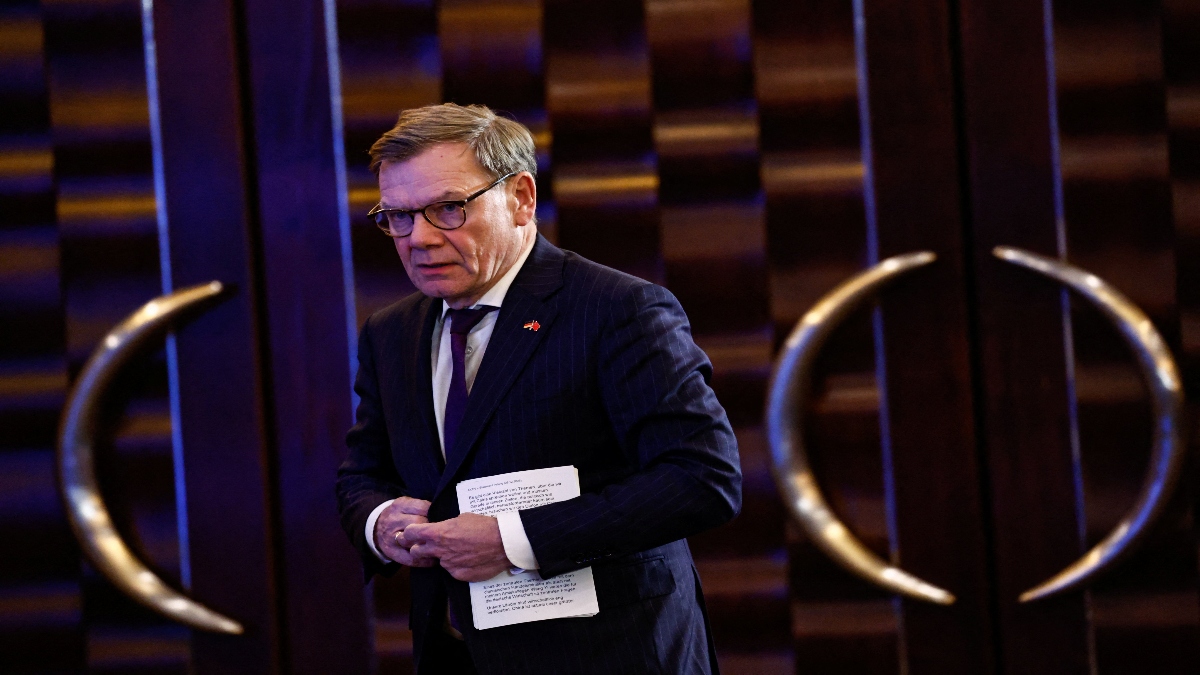
 "In first official visit to China, Germany’s Wadephul urges end to supply chain uncertainty amid trade tensions")
German Foreign Minister Johann Wadephul on Monday urged an end to the uncertainty disrupting critical supplies of Chinese semiconductors and rare earths to European manufacturers.
Wadephul’s first official visit to China comes at a volatile moment for Europe’s industrial sector, which has been grappling with tightening export controls from Beijing.
The restrictions have highlighted the bloc’s heavy reliance on China for strategic chips and rare earth materials amid intensifying global trade tensions.
“In all of these areas there has been uncertainty, and that needs to be eliminated,” Reuters quoted Wadephul as saying.
He was accompanied on the trip by a small business delegation, including Hildegard Mueller, president of the German VDA automobile industry association.
Wadephul — who had postponed an earlier visit after Beijing initially agreed to only one of the meetings requested by his office — said discussions had been open and intensive, adding that his talks would help pave the way for Chancellor Friedrich Merz’s planned visit early next year.
However, he noted that “quite a lot of work” remained to convince Beijing to issue new rare earth licences to German companies, indicating that German firms were not included in the first batch of licences China announced last week, reported Reuters.
China’s export controls on 17 rare earth minerals — crucial for industries ranging from automobiles and consumer electronics to defence — have caused months of disruption since they were imposed in April amid the US-China trade war.
Beijing has also tightened restrictions on certain semiconductors widely used by car manufacturers, following the Dutch government’s move to seize control of Chinese-owned chipmaker Nexperia.
China’s Minister of Commerce, Wang Wentao, said Beijing “values German concerns” regarding export controls and chip supplies, but added that “the most urgent task” was for the Dutch government to end “improper administrative interference and stabilise the semiconductor supply chain”.
Quick Reads
View AllRelations between Europe and China have already been under strain due to China’s expanding trade surplus — a situation French President Emmanuel Macron, who visited Beijing last week, described as “unsustainable”.
China reaffirms position on Taiwan
During the visit, Wadephul met Chinese Foreign Minister Wang Yi, who reiterated Beijing’s stance on Taiwan and said its “One China” policy remained an essential political foundation for bilateral relations.
China claims democratically governed Taiwan as its territory, and interprets the “One-China” principle to mean that both sides of the Taiwan Strait belong to a single country — an assertion firmly rejected by Taiwan’s government.
The German foreign ministry said Wadephul intended to raise European security concerns, particularly Russia’s invasion of Ukraine, in his meeting with Wang. However, there was no sign from Beijing of any shift in its position.
“China supports all efforts conducive to peace and will continue to play a constructive role in this regard,” Wang said, according to a statement from China’s foreign ministry.
Berlin has been trying to balance a tougher line on Beijing — in coordination with European partners — with the need to preserve its critical economic ties with its largest trading partner.
Last month, Germany established a committee of experts to advise parliament on “security-relevant trade relations” with China, part of a broader effort to reduce dependence on Beijing for key materials and for markets critical to German industrial exports.
With inputs from agencies

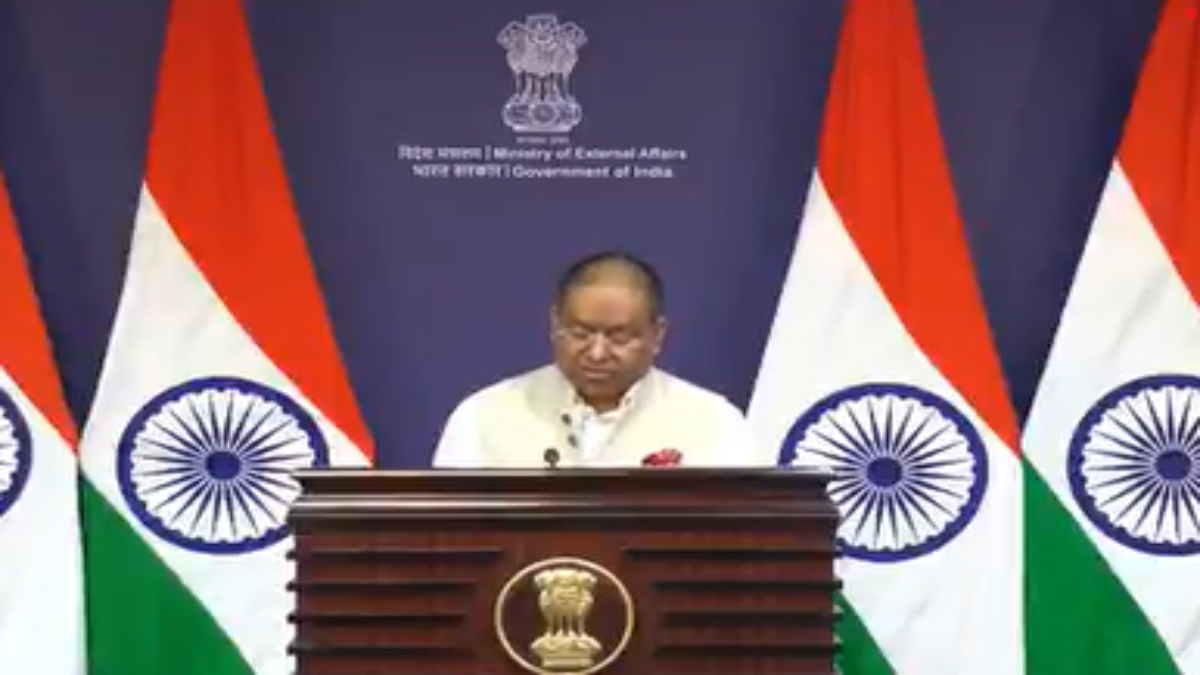 "'Democracy and Pakistan don’t go together': India takes swipe at Pakistan’s political crisis")
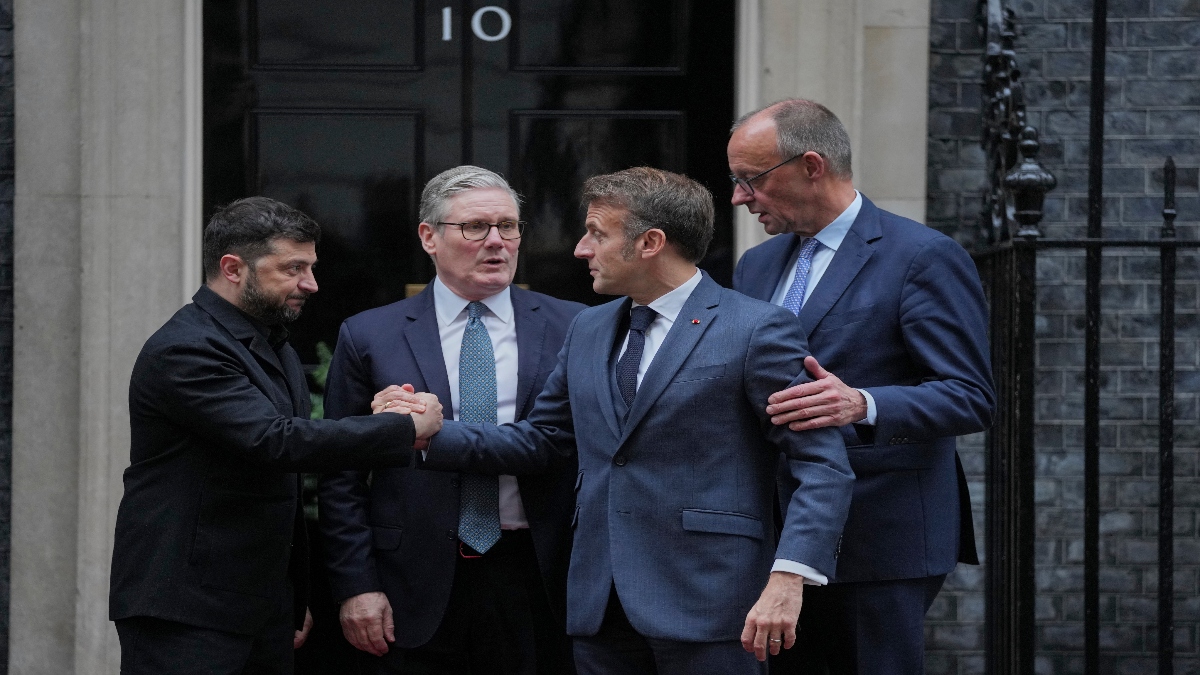 "'Can’t manage without US, Europe': Zelenskyy urges unity among allies in London talks")
 "India-EU push to resolve pending issues as trade pact enters crucial phase")
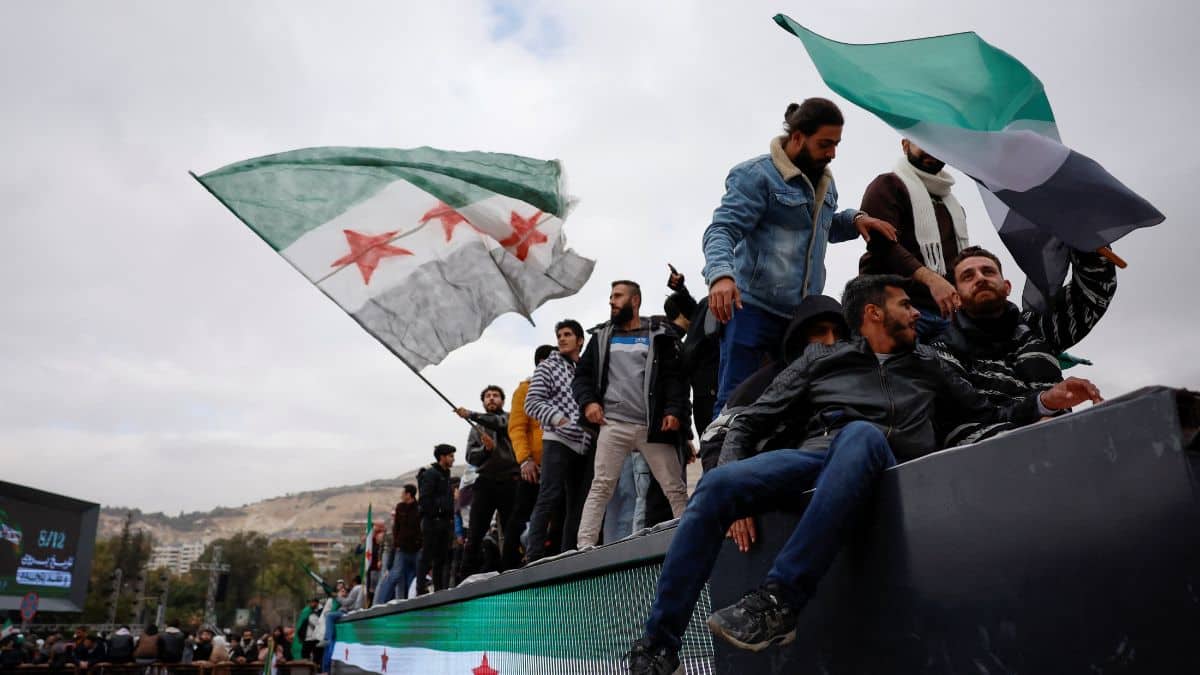
 "One year of Sharaa’s Syria as supporters celebrate one year of the fall of Bashar al-Assad")
 "'Democracy and Pakistan don’t go together': India takes swipe at Pakistan’s political crisis")
 "'Can’t manage without US, Europe': Zelenskyy urges unity among allies in London talks")
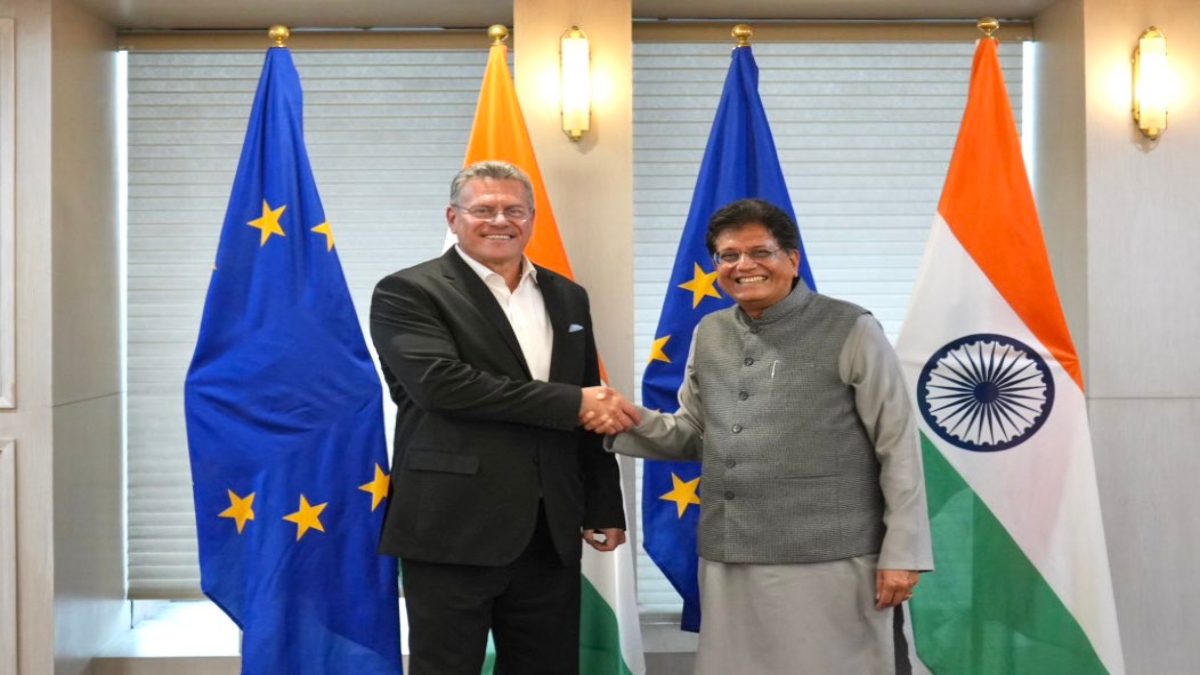 "India-EU push to resolve pending issues as trade pact enters crucial phase")
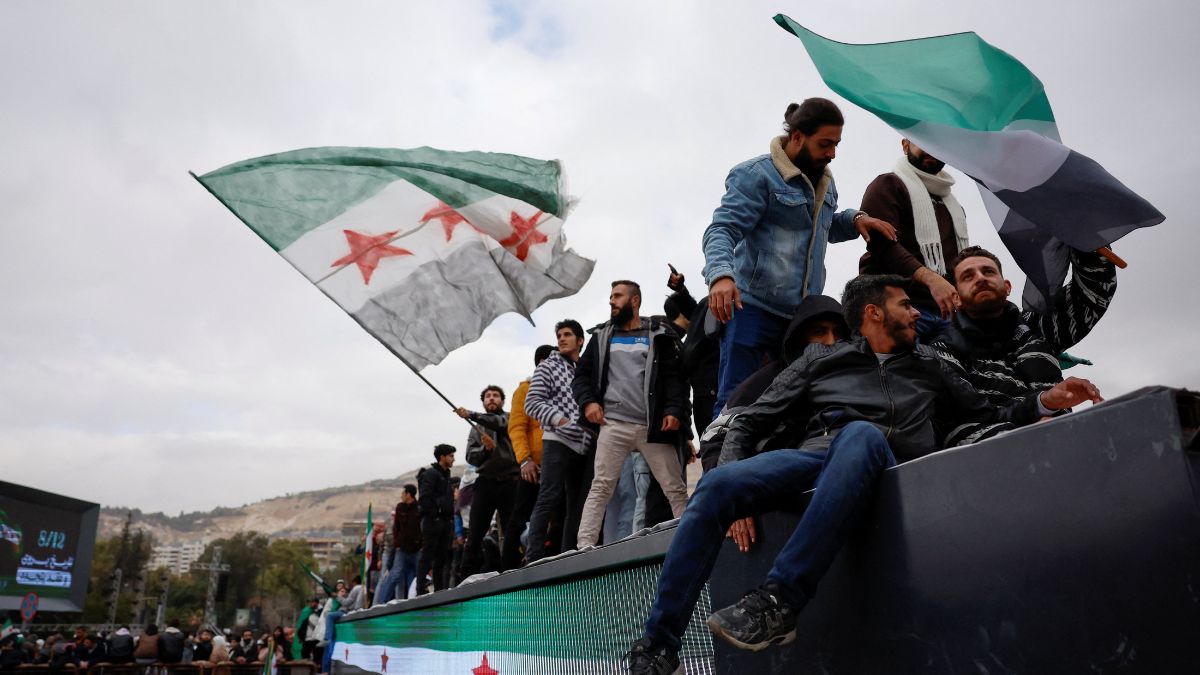 "One year of Sharaa’s Syria as supporters celebrate one year of the fall of Bashar al-Assad")



