

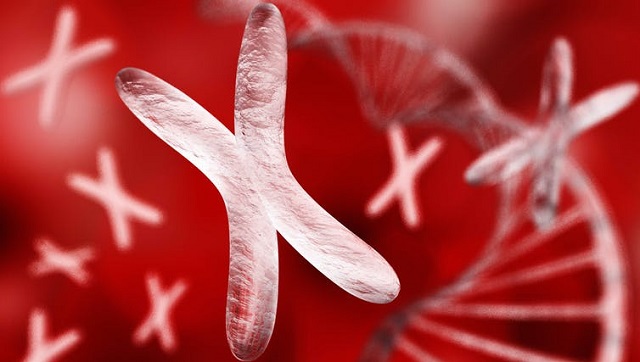
 "How the gender divide in medicine and clinical research is adversely impacting women's health")
Kelly Burrowes,
University of Auckland International Women’s Day celebrates women’s achievements and raises awareness of the continuing mission towards gender equality. So it’s a good time to be reminded we still need to correct decades — centuries even — of gender bias in medicine and medical research. It’s no secret men and women are different. It’s why we have a whole genre of books and jokes about why “men are from Mars and women are from Venus”. Mentally, physically and biologically, men and women are simply not built the same way. It sounds obvious, but we have only really begun to understand why. These differences have not been reflected accurately in the field of medicine. Women’s health has too often been considered a niche area — even though it involves roughly 50 percent of the world’s population. Under-researched and under-diagnosed What we do know is that being female puts us at higher risk of some of the most challenging conditions. Autoimmune diseases, for example, affect approximately 8 percent of the global population, but
78 percent of those affected are women. Females are three times more likely than males to develop rheumatoid arthritis and four times more likely to be diagnosed with multiple sclerosis, an autoimmune disease that attacks the
central nervous system. Women make up two-thirds of people with Alzheimer’s disease, and are three times more likely to have a heart attack than men. Women are at least twice as likely to suffer chronic pain conditions such as fibromyalgia, chronic fatigue syndrome and chronic Lyme disease. As author Maya Dusenbery made clear in her book
Doing Harm_,_ these conditions are under-researched and often go undiagnosed and untreated. Different sex, different symptoms Heart disease is another example where sex — or perhaps sexism — still plays a huge determining factor. Women are less likely to experience the “classic” symptoms of a heart attack — symptoms that were discovered in research led by men, in which most of the participants were men. Women’s most common heart attack symptom, as with men, is chest pain or discomfort. But women are more likely than men to experience some of the
other common symptoms, particularly shortness of breath, nausea, vomiting and back or jaw pain. But because the diagnosis method still favours male biology, many women experience a delayed diagnosis or a misdiagnosis. On average, women are diagnosed with heart disease
seven to ten years later than men. This often results in other chronic diseases being prevalent by the time of the diagnosis. Male bias affects clinical studies The reasons for women being this over-representated in some conditions is not clear. But
genetic and hormonal factors are likely to be involved. Historically, however, medical research has often excluded women. In 1977 the US Food and Drug Administration (FDA) recommended women of childbearing age be excluded from clinical research studies. This was to protect the most “vulnerable” populations — unborn children — following the
thalidomide scandal. Another reason given for excluding women in clinical studies is that, depending on where a woman is in her menstrual cycle, the variation of her hormones “complicates” the results. This variability would mean more subjects were needed in clinical trials, thereby increasing costs. Male-only studies were justified by a belief that what would work for men would also work for women. This erroneous assumption has had catastrophic results. Every cell in a person’s body has a sex. This means diseases and medications used to treat them will affect women differently — as we have learned, often at a cost to their health.
Eight out of ten of the drugs removed from the US market between 1997 and 2000 were withdrawn because of side effects that occurred mainly or exclusively in women. Between 2004 and 2013, US women suffered more than
2 million drug-related adverse events, compared with 1.3 million for men. Time to end the gender divide The lack of recognition of sex differences in biology and medicine is a huge issue research has only recently begun to rectify. In 1997, the FDA published a rule requiring manufacturers to show evidence of how their drug is safe and affected by age, sex and race. When
last measured in depth in 2016, it was clear there had been significant progress, with women
accounting for roughly half of the participants in some clinical trials funded by the US National Institutes of Health (
NIH). Scientists are now required to account for the possible role of sex as a biological variable in both animal and human studies. But the lack of funding for women’s health remains a huge issue. According to earlier
analysis from the UK, less than 2.5 percent of publicly-funded research was dedicated to reproductive health. Yet
one in three women will suffer from a reproductive or gynaecological health issue. This means roughly 16 percent of the population will experience an issue that receives only 2.5 percent of the annual research budget. Although policies are being implemented to help address the huge gender divide in medicine, there is clearly still a long way to go.
Kelly Burrowes, Senior Researcher, University of Auckland This article is republished from
The Conversation under a Creative Commons license. Read the
original article.
Women’s health has too often been considered a niche area — even though it involves roughly 50 percent of the world’s population.
Advertisement
End of Article

 "Charlie Kirk, shot dead in Utah, once said gun deaths are 'worth it' to save Second Amendment")
 "From governance to tourism, how Gen-Z protests have damaged Nepal")
 "Did Russia deliberately send drones into Poland’s airspace?")
 "Netanyahu ‘killed any hope’ for Israeli hostages: Qatar PM after Doha strike")
 "Charlie Kirk, shot dead in Utah, once said gun deaths are 'worth it' to save Second Amendment")
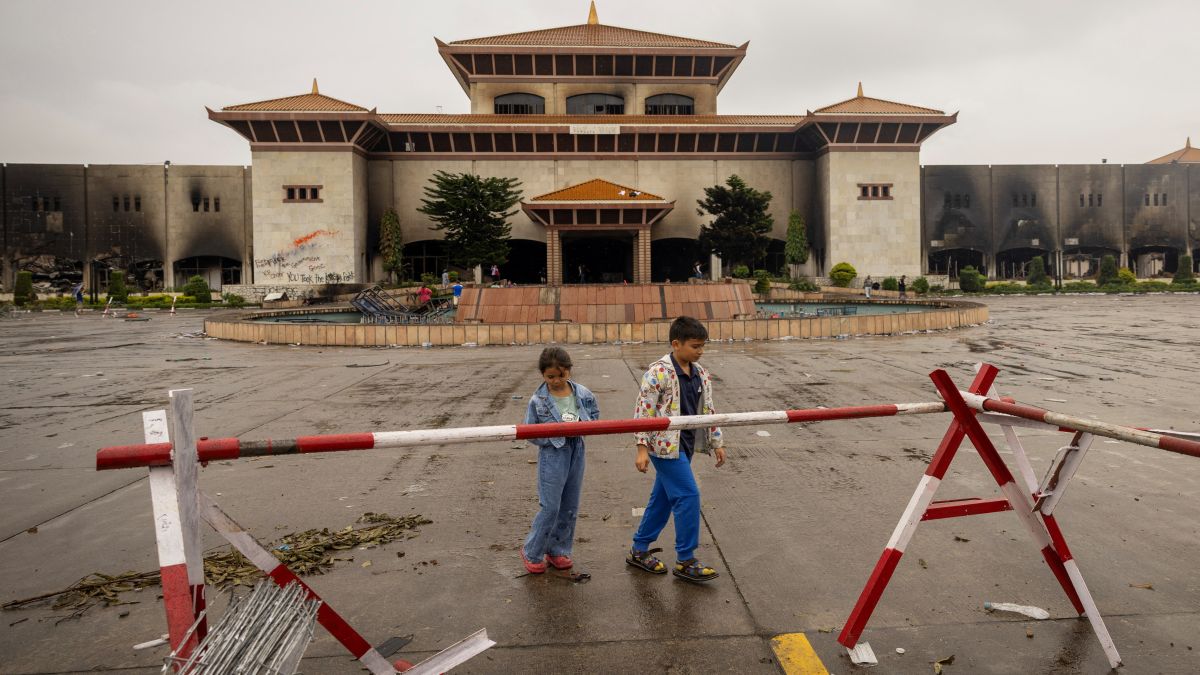 "From governance to tourism, how Gen-Z protests have damaged Nepal")
 "Did Russia deliberately send drones into Poland’s airspace?")
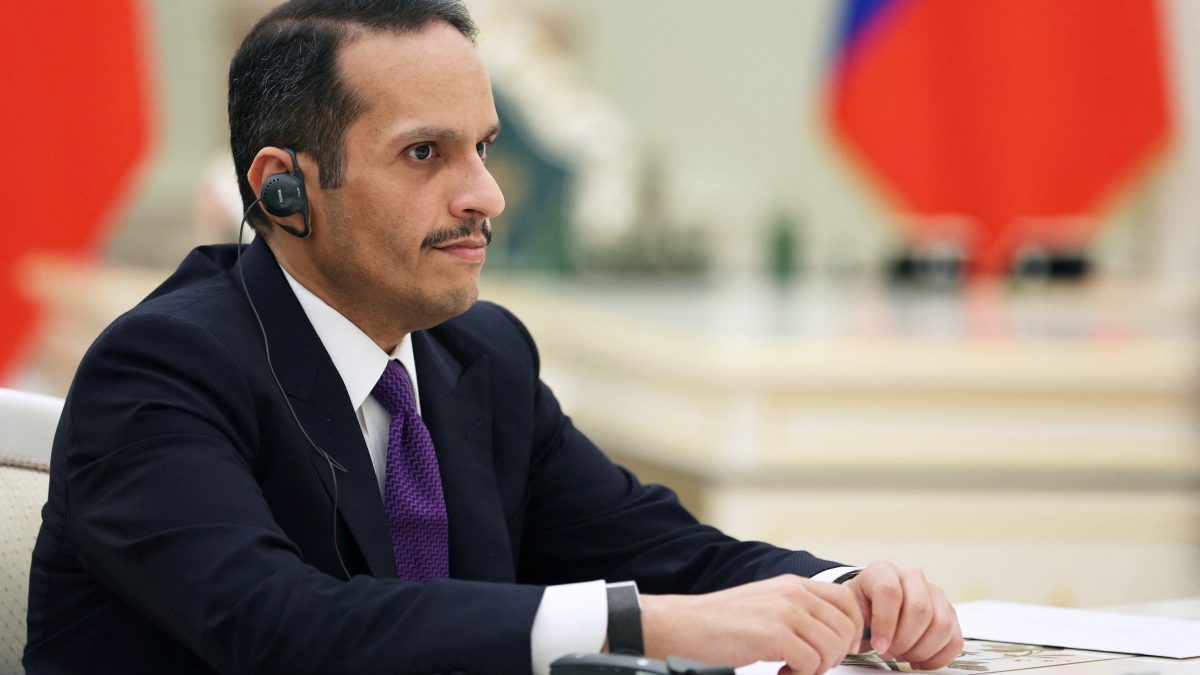 "Netanyahu ‘killed any hope’ for Israeli hostages: Qatar PM after Doha strike")



