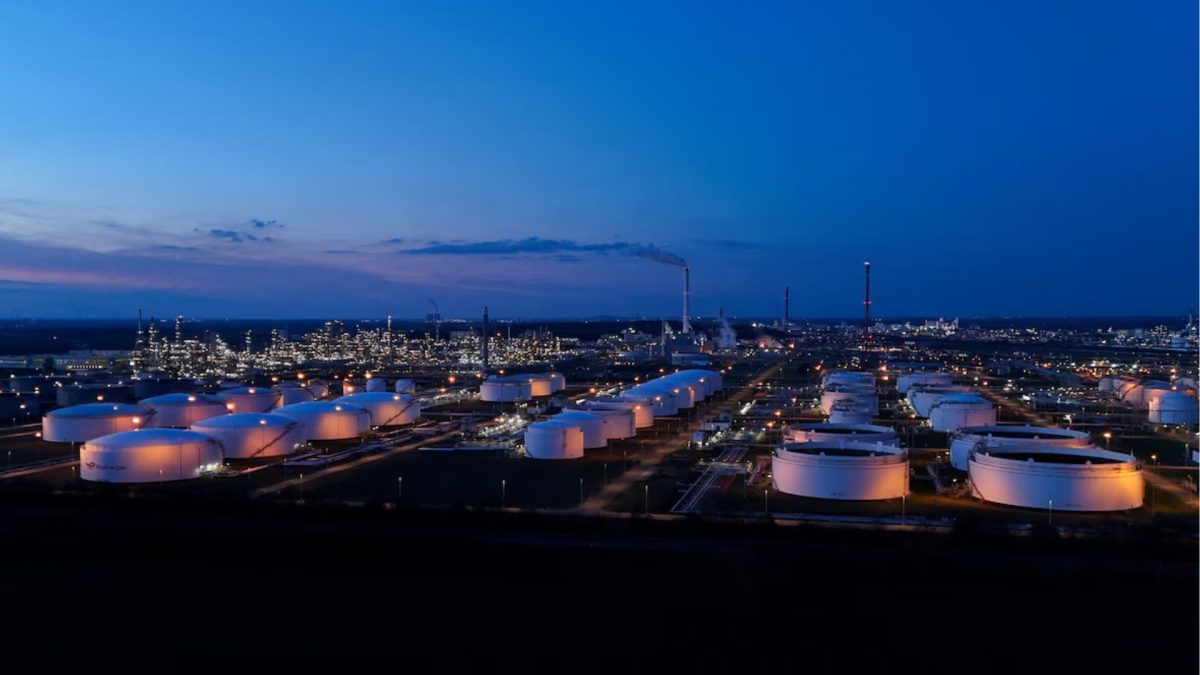
 "Hours after Qatar LNG strike, Saudi Aramco’s Samref refinery in Yanbu targeted in aerial attack")
The ongoing West Asia conflict took another sharp turn after Iran targeted Saudi Arabia’s energy infrastructure, with an aerial strike hitting the Samref oil refinery in the Red Sea port city of Yanbu. The attack comes just hours after similar strikes on key facilities in Qatar and the United Arab Emirates.
According to Reuters, the attack on Samref refinery in Yanbu—linked to Saudi Aramco—was part of a broader retaliation by Iran following earlier Israeli strikes on its own energy facilities.
In recent hours, multiple sites across the Gulf have come under fire. Qatar’s Ras Laffan LNG facility, one of the world’s largest, was hit, while energy infrastructure in the UAE and Kuwait also reported damage or disruptions.
What’s emerging is a coordinated escalation, with energy hubs—rather than just military targets—increasingly in the crosshairs.
Limited damage, bigger message
Initial reports suggest the Yanbu refinery strike caused limited operational impact, though assessments are still ongoing.
But the symbolic significance is much larger.
Yanbu sits on the Red Sea and serves as a key alternative export route for Saudi oil, especially at a time when the Strait of Hormuz remains under threat.
Targeting such locations highlights the vulnerability of even diversified energy routes in the region. The attacks have already sent global energy markets into turbulence. Oil prices have surged sharply amid fears that continued strikes could disrupt supplies from one of the world’s most important oil-producing regions.
Quick Reads
View AllAnalysts warn that if the current trajectory continues, the impact could go far beyond West Asia, affecting global fuel prices, inflation and supply chains.
What began with military exchanges has now expanded into direct attacks on economic lifelines across multiple countries. With Iran warning of further retaliation and the US cautioning against escalation, the region appears to be entering a more volatile and unpredictable phase.

 "Israel-Iran War News: Tehran mocks Trump over $200-bn budget request for war, calls it ‘tip of the iceberg’")
 "Gabbard & CIA chief contradict Trump on Iran’s nuclear bomb & ‘imminent’ threat level")
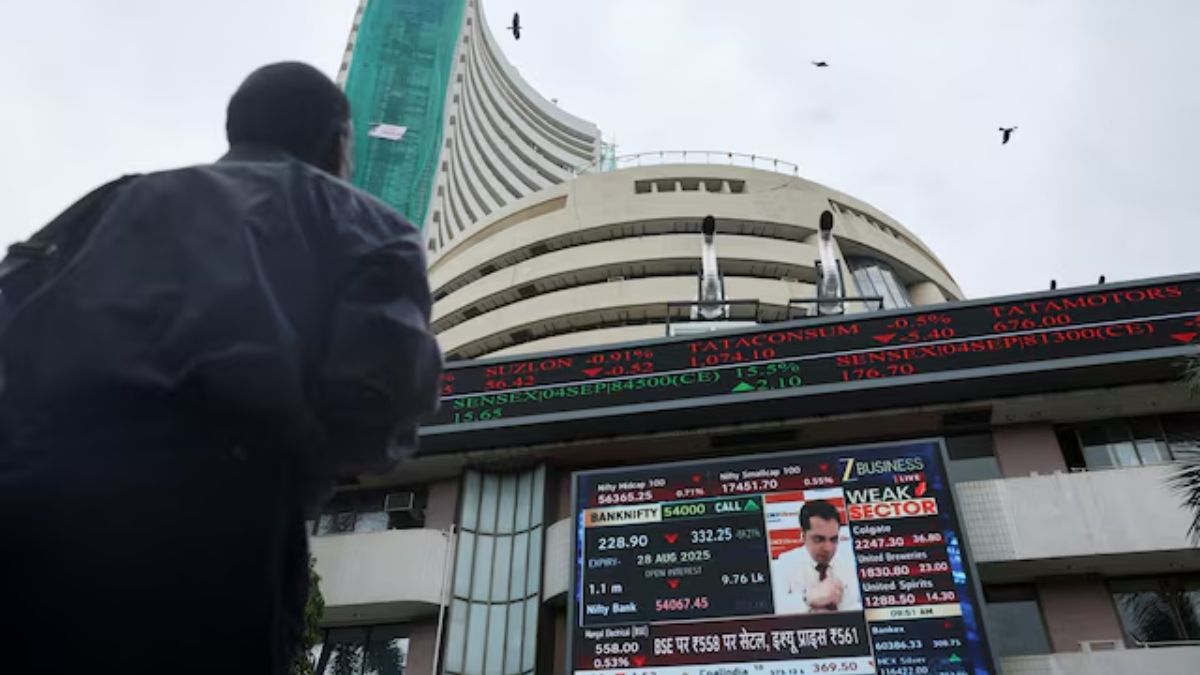 "Investors lose Rs 9 lakh crore in 1 session. What caused stock market to tank?")
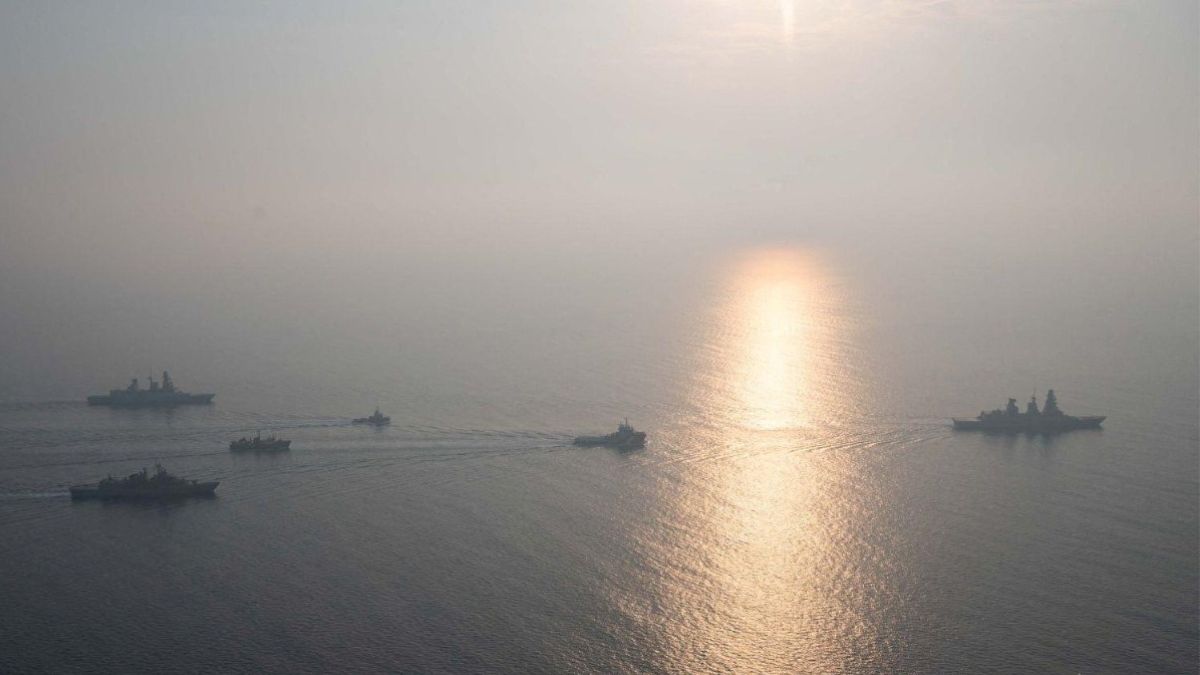 "Can the Red Sea replace the Strait of Hormuz amid global oil crisis?")
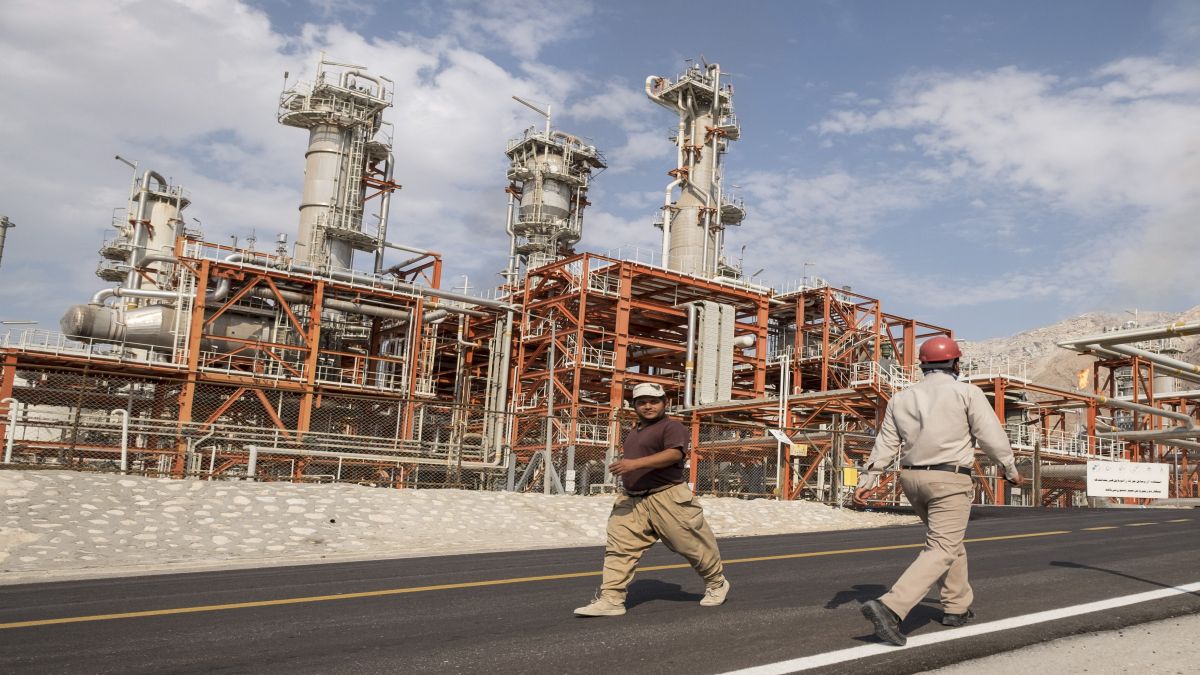 "Israel-Iran War News: Tehran mocks Trump over $200-bn budget request for war, calls it ‘tip of the iceberg’")
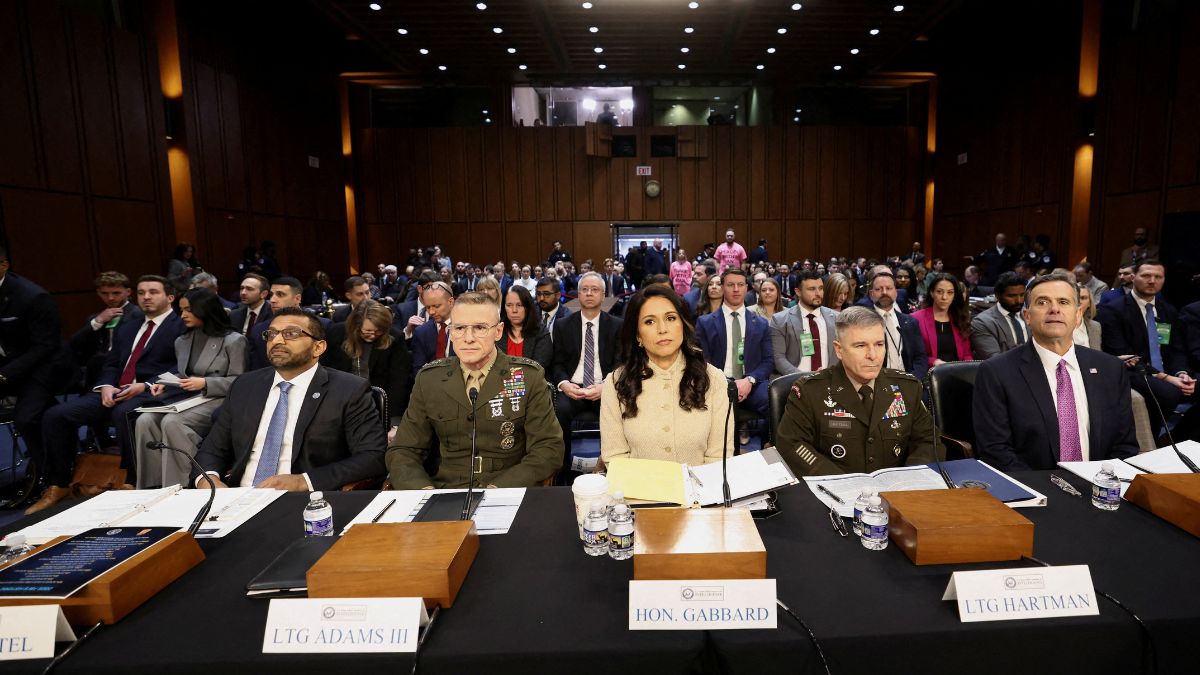 "Gabbard & CIA chief contradict Trump on Iran’s nuclear bomb & ‘imminent’ threat level")
 "Investors lose Rs 9 lakh crore in 1 session. What caused stock market to tank?")
 "Can the Red Sea replace the Strait of Hormuz amid global oil crisis?")