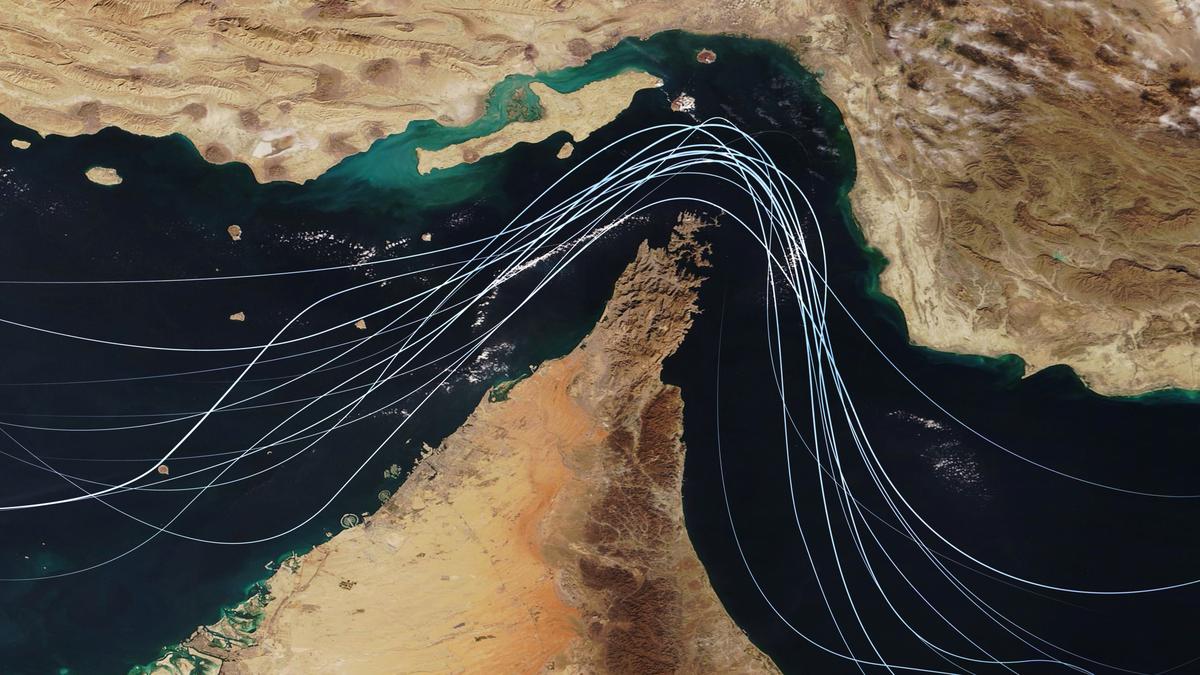
 "Hormuz open to all but ‘enemy’ vessels: Iran doubles down after Trump’s 48-hour ultimatum")
The Strait of Hormuz remains open to global shipping, except for vessels linked to what Iran describes as its “enemies,” Tehran’s representative to the UN maritime agency said on Sunday, signalling a partial easing of its earlier hardline stance.
The remarks came hours after US President Donald Trump warned that Washington could target Iranian power plants if the strategic waterway is not “fully open” within 48 hours.
Ali Mousavi, Iran’s representative to the International Maritime Organisation, said ships not connected to the US, Israel, or their allies could continue to pass through the strait, provided they coordinate security and safety arrangements with Tehran.
He added that Iran is willing to work with the UN body to enhance maritime safety and protect seafarers in the Gulf, while blaming US and Israeli strikes for triggering the current tensions in the region.
“Diplomacy remains Iran’s priority. However, a complete cessation of aggression, as well as mutual trust and confidence, are more important,” Mousavi said.
Iran had earlier moved to restrict traffic through the Strait of Hormuz — a critical chokepoint through which nearly one-fifth of global oil and liquefied natural gas supplies pass — warning it would not allow energy shipments to reach the US, Israel, and their partners.
Ongoing threats of Iranian attacks during the US-Israeli conflict have already disrupted shipping through the narrow passage, raising concerns of a potential global energy shock.
In response, the US has been attempting to build a naval coalition to escort vessels through the strait, though several NATO allies have reportedly been reluctant to participate in direct military operations against Iran.

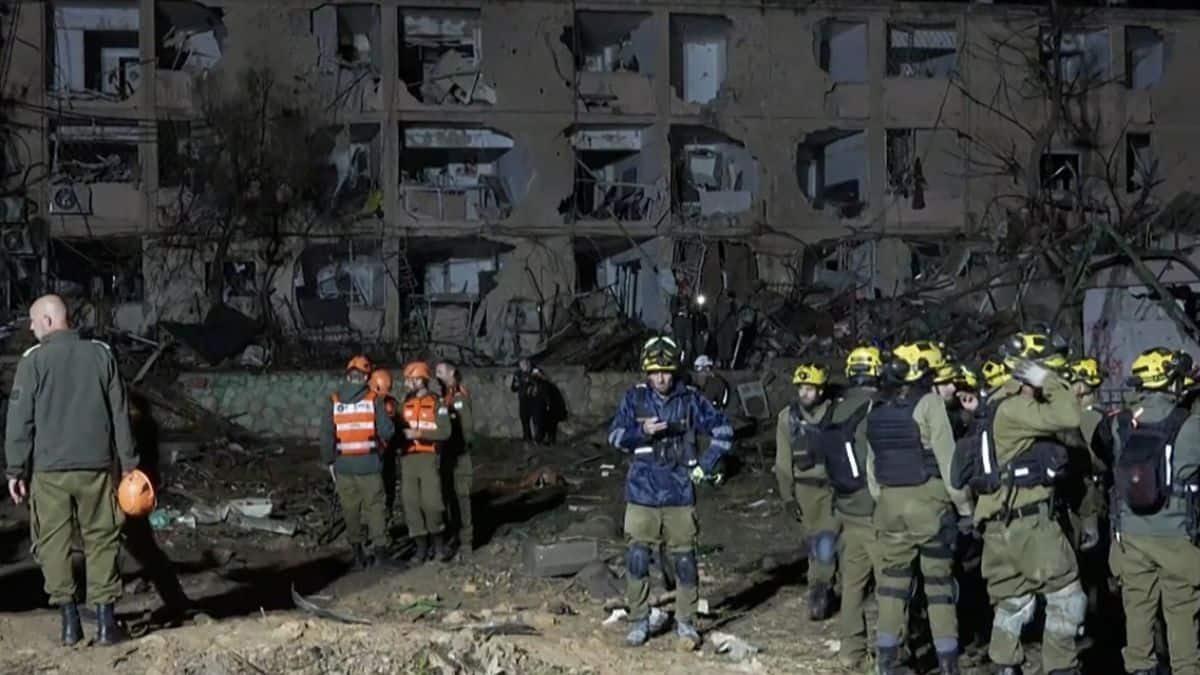
 "Israel-Iran war live: Over 180 injured in Iranian attacks on Israel’s Arad and Dimona, says Ministry")
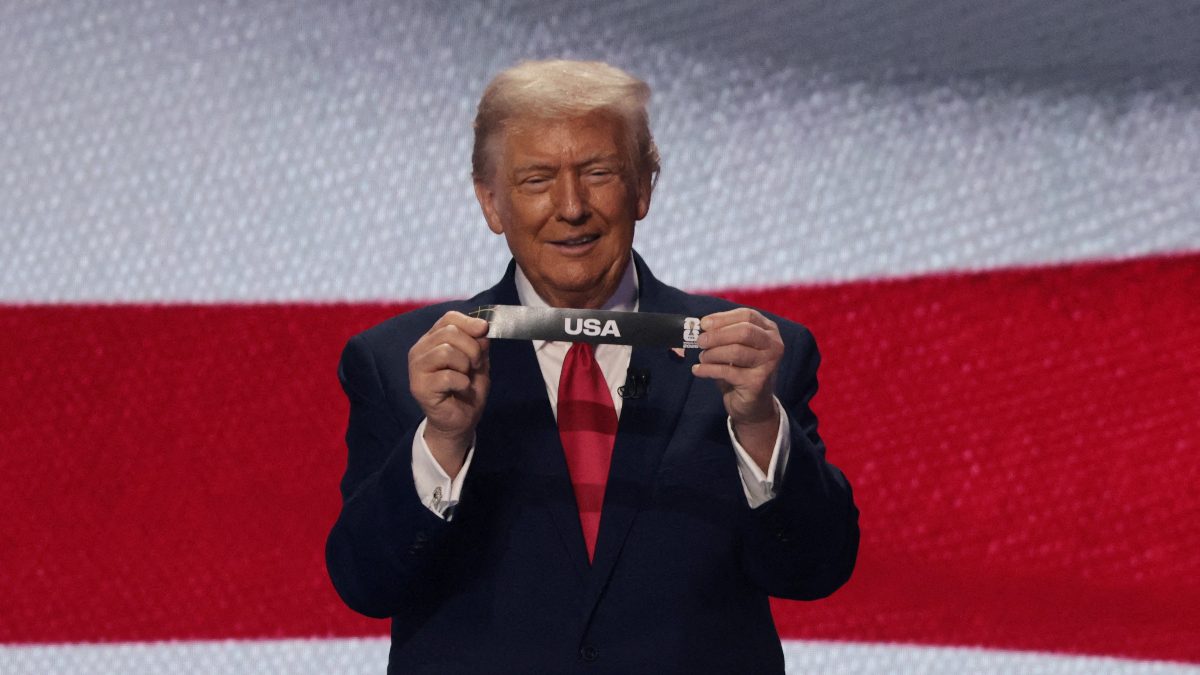 "Pentagon draws up Iran ground invasion plans as Trump weighs options: Report")
 "Netanyahu had to prove he was alive 3 times. Why proof of life is ‘Word of the Week’")
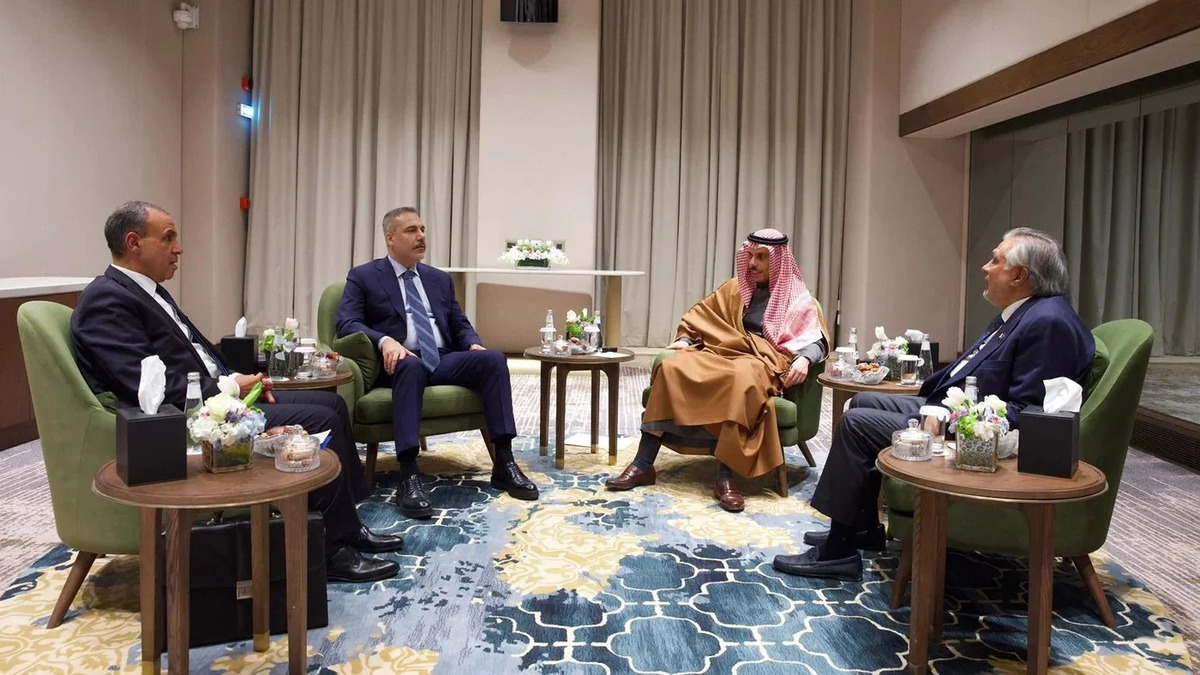 "Amid Ankara push for security pact, Turkey, Saudi Arabia, Egypt, Pakistan hold talks in Riyadh")
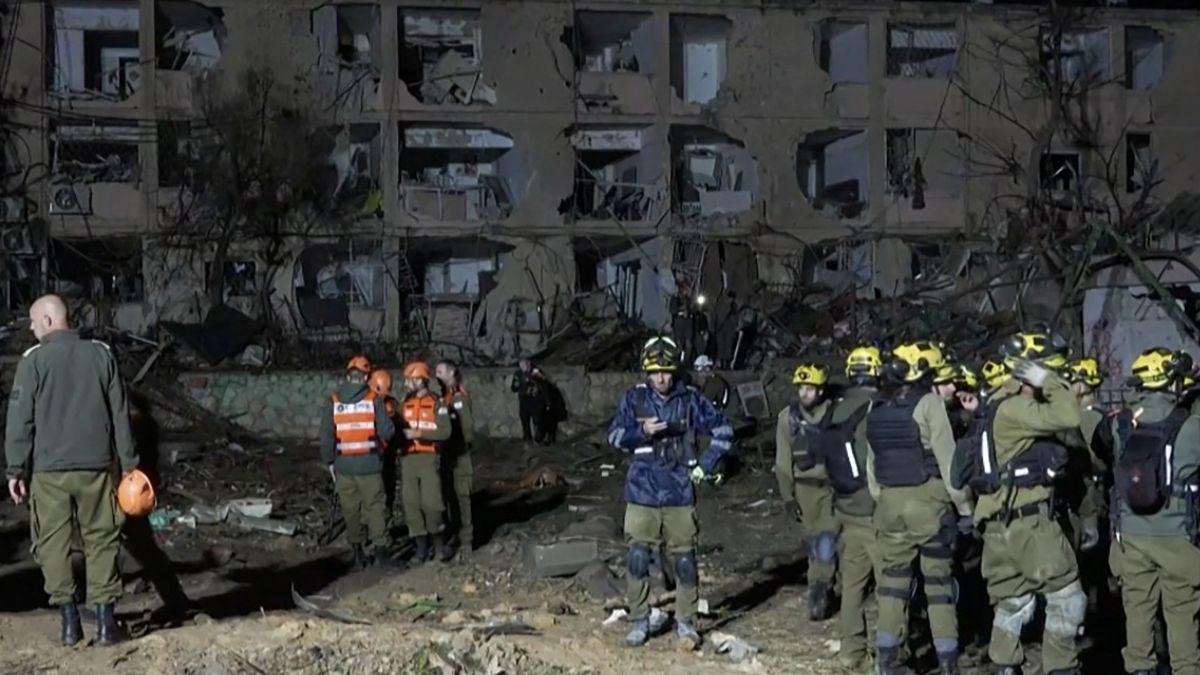 "Israel-Iran war live: Over 180 injured in Iranian attacks on Israel’s Arad and Dimona, says Ministry")
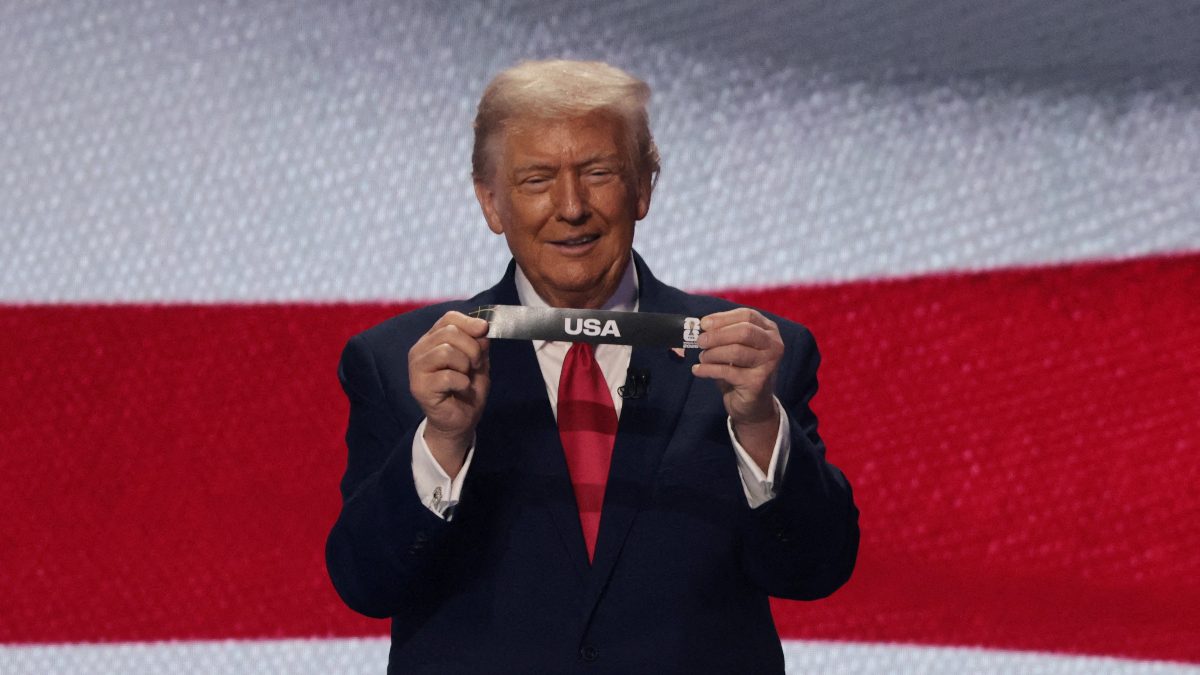 "Pentagon draws up Iran ground invasion plans as Trump weighs options: Report")
 "Netanyahu had to prove he was alive 3 times. Why proof of life is ‘Word of the Week’")
 "Amid Ankara push for security pact, Turkey, Saudi Arabia, Egypt, Pakistan hold talks in Riyadh")