Firstpost
  • Home
  • Video Shows
    Vantage Firstpost America Firstpost Africa First Sports
  • World
    US News
  • Explainers
  • News
    India Opinion Cricket Tech Entertainment Sports Health Photostories
  • Asia Cup 2025
Apple Incorporated Modi ji Justin Trudeau Trending

Sections

  • Home
  • Live TV
  • Videos
  • Shows
  • World
  • India
  • Explainers
  • Opinion
  • Sports
  • Cricket
  • Health
  • Tech/Auto
  • Entertainment
  • Web Stories
  • Business
  • Impact Shorts

Shows

  • Vantage
  • Firstpost America
  • Firstpost Africa
  • First Sports
  • Fast and Factual
  • Between The Lines
  • Flashback
  • Live TV

Events

  • Raisina Dialogue
  • Independence Day
  • Champions Trophy
  • Delhi Elections 2025
  • Budget 2025
  • US Elections 2024
  • Firstpost Defence Summit
Trending:
  • Nepal protests
  • Nepal Protests Live
  • Vice-presidential elections
  • iPhone 17
  • IND vs PAK cricket
  • Israel-Hamas war
fp-logo
Here's why women registering to vote in Saudi Arabia for the first time is a big deal
Whatsapp Facebook Twitter
Apple Incorporated Modi ji Justin Trudeau Trending

Sections

  • Home
  • Live TV
  • Videos
  • Shows
  • World
  • India
  • Explainers
  • Opinion
  • Sports
  • Cricket
  • Health
  • Tech/Auto
  • Entertainment
  • Web Stories
  • Business
  • Impact Shorts

Shows

  • Vantage
  • Firstpost America
  • Firstpost Africa
  • First Sports
  • Fast and Factual
  • Between The Lines
  • Flashback
  • Live TV

Events

  • Raisina Dialogue
  • Independence Day
  • Champions Trophy
  • Delhi Elections 2025
  • Budget 2025
  • US Elections 2024
  • Firstpost Defence Summit
  • Home
  • World
  • Here's why women registering to vote in Saudi Arabia for the first time is a big deal

Here's why women registering to vote in Saudi Arabia for the first time is a big deal

Sarakshi Rai • December 14, 2015, 10:22:26 IST
Whatsapp Facebook Twitter

Women registered to vote for the first time ever in Saudi Arabia on Thursday, ahead of the nationwide local elections. Though women’s rights activists have hailed the move as progress — they say there is still a long way to go before women have equal rights to men in the kingdom.

Advertisement
Subscribe Join Us
Add as a preferred source on Google
Prefer
Firstpost
On
Google
Here's why women registering to vote in Saudi Arabia for the first time is a big deal

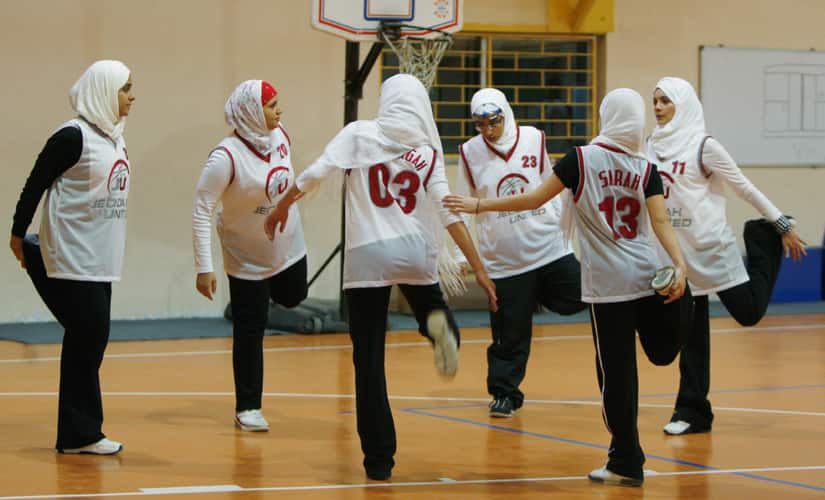
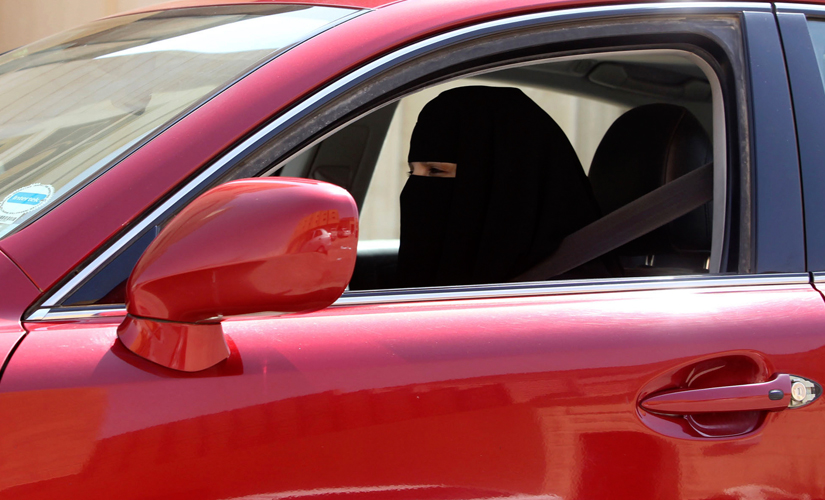
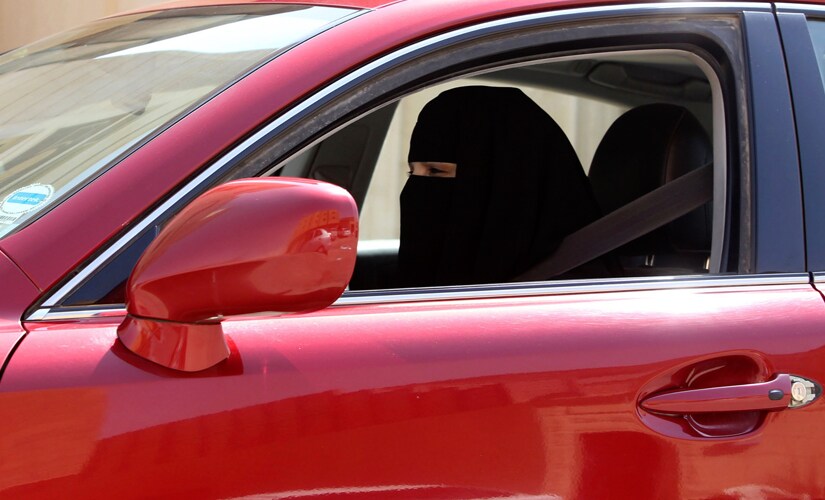
Editor’s Note: This article was originally published on 20 August 2015 at 16.44 IST and has been republished in light of the recent Saudi municipal elections where 20 women were elected for the first time . Women registered to vote for the first time ever in Saudi Arabia on Thursday, ahead of the nationwide local elections. Not just that, they will also be able to stand for election. The kingdom’s officials describe this as a “significant milestone in progress towards a participation-based society”. This is a big deal considering that until now, women in Saudi Arabia have been marginalised in society, have been under-represented in government and still cannot drive a car. According to a report in the  Saudi Gazette, the first two women to receive their voter cards were Jamal Al-Saadi and Safinaz Abu Al-Shamat. Shamat told the newspaper she had been determined to be “the first woman” to register, describing it as a “national duty to participate in elections”. The late King Abdullah announced in 2011 that women would be allowed to take part in the elections after their lack of involvement sparked online outrage. He also appointed women to the country’s 150-member advisory body and allowed female athletes to compete at the Olympics for the first time, in London in 2012, their covered bodies contrasting with those of their competitors. Though women’s rights activists have hailed the move as progress — they say there is still a long way to go before women have equal rights to men in the kingdom. Here’s why. 1. Women aren’t allowed to drive cars. [caption id=“attachment_2400834” align=“alignnone” width=“825”] ![A woman drives a car in Saudi Arabia October 22, 2013. A conservative Saudi Arabian cleric has said women who drive risk damaging their ovaries and bearing children with clinical problems, countering activists who are trying to end the Islamic kingdom's male-only driving rules. Reuters](https://images.firstpost.com/wp-content/uploads/2015/08/38.jpg) A woman drives a car in Saudi Arabia October 22, 2013. A conservative Saudi Arabian cleric has said women who drive risk damaging their ovaries and bearing children with clinical problems, countering activists who are trying to end the Islamic kingdom’s male-only driving rules. Reuters[/caption] Though there is no official law that bans women from driving apart from the country’s deeply held religious beliefs that prohibit it, with Saudi clerics arguing that females who drive “undermine social values”. In 2011, a rebel group of Saudi women came up with the “Women2Drive” campaign that encouraged women to disregard the laws and post images and videos of themselves driving on social media. It was not a stellar success. A few men in the country however believe that “women should be allowed to drive but only to take their children to school or a family member to hospital. Women should accept simple things”, reports Arab News. 2. They are always to be accompanied by a chaperone. 
4

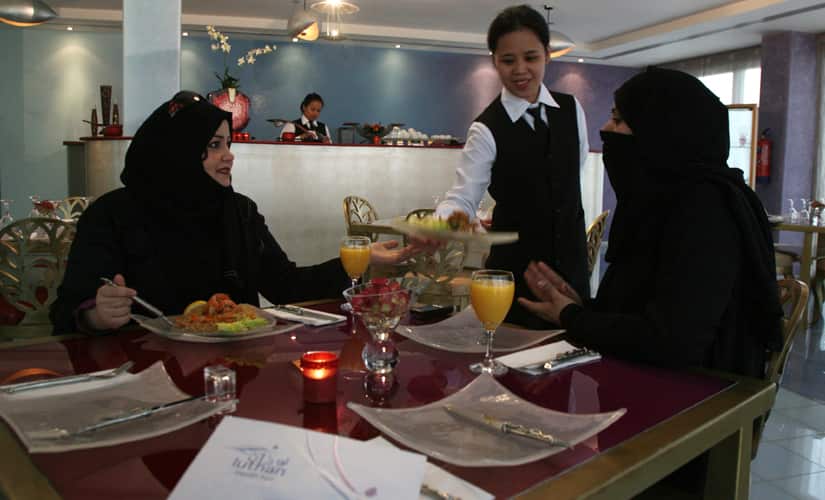
Saudi women by law are supposed to be accompanied at all times by a male guardian called ‘mahram’ outside their homes. The guardian is a male relative and accompanies the women on all of their errands. The Guardian reports that, this shows Saudi Arabia’s “conservative traditions and religious views that hold giving freedom of movement to women would make them vulnerable to sins.” The law is so strict concerning the “marham” that when a teenager reported that she had been gang-raped, she was at the time not with a mahram and was punished by the court. The victim was given more lashes than one of her alleged rapists received, reports the Washington Post. 3.  Women are not allowed to watch football.

8

A cleric in Saudi Arabia announced a fatwa in which he banned women from watching football stating that they watched the game “only to stare at men’s thighs”. 4. Saudi Arabia’s has a strict dress code for women.

5

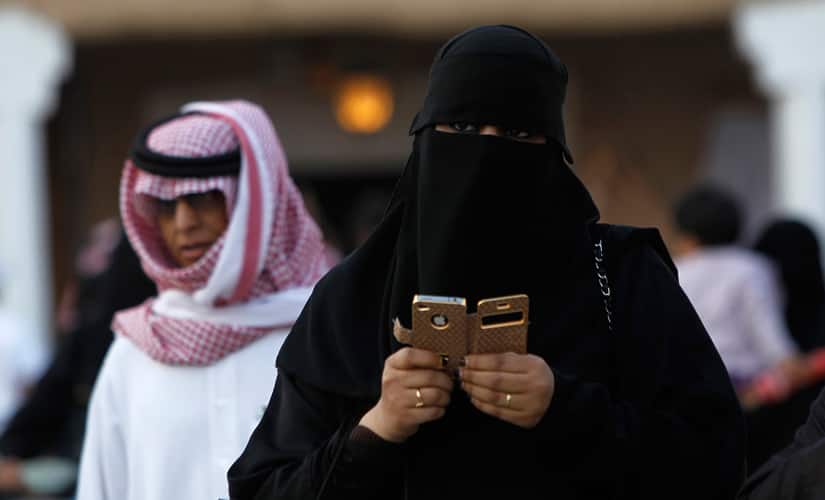
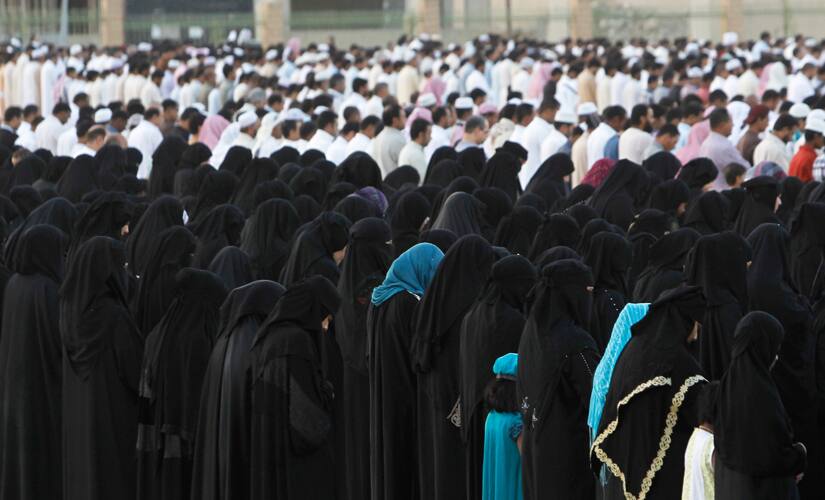
Saudi Arabia and Iran are the only Muslim-majority countries that legally impose a dress code. The Economist reports that, “Women, foreign and local, must wear an abaya (a few get away with long coats) in public places. Muslim—often equated with Saudi—women are said to have to wear a headscarf; foreigners needn’t. The western coastal of Jeddah is far more relaxed than Riyadh, with abayas often brightly coloured or worn open to expose the clothing beneath. At home with relatives, and all-female settings, women can shed their outer layers. At some posh private Red Sea resorts, they go in bikinis. While many women head to aeroplane lavatories just before landing, not being fully covered is tolerated in the airport.” The Shoura Council has passed a new law that would make it mandatory for women TV anchors working in the Kingdom to wear modest dress and not show off their beauty. 5. Women cannot try on clothes in a mall

10

“The mere thought of a disrobed woman behind a dressing-room door is apparently too much for men to handle,” says Vanity Fair writer Maureen Dowd in ‘A Girl’s Guide to Saudi Arabia’.

Tags
Elections NewsTracker Voting Women's rights in Saudi Arabia Saudi Arabi
End of Article
Latest News
Find us on YouTube
Subscribe
End of Article

Impact Shorts

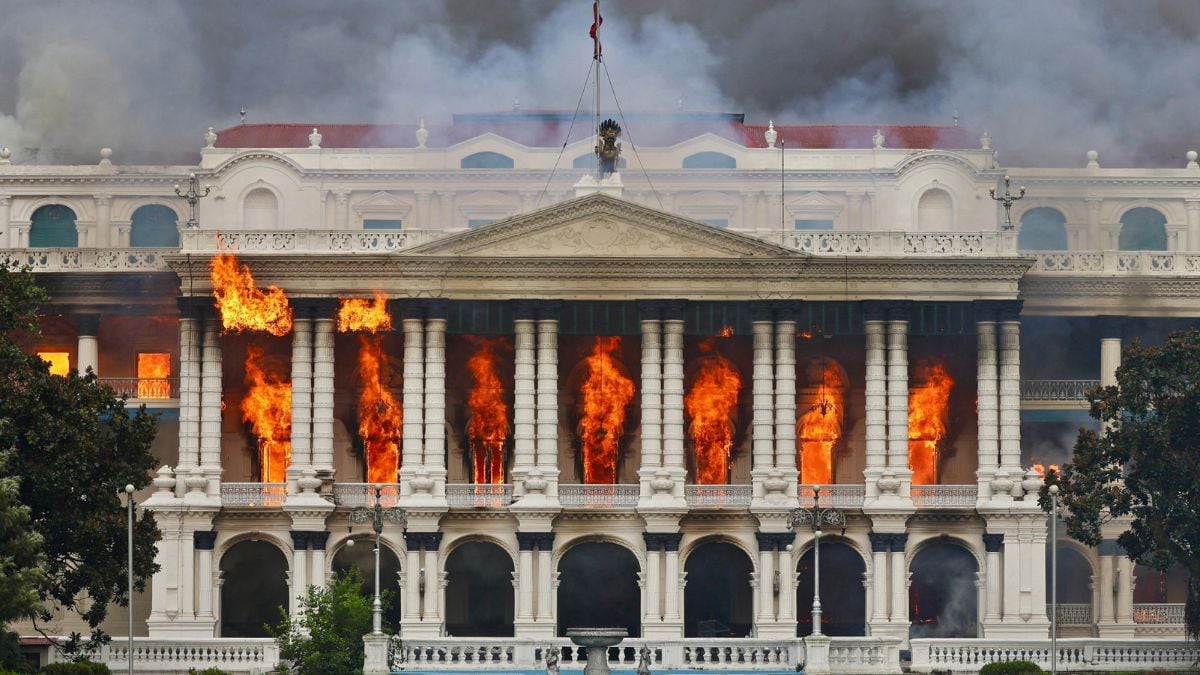
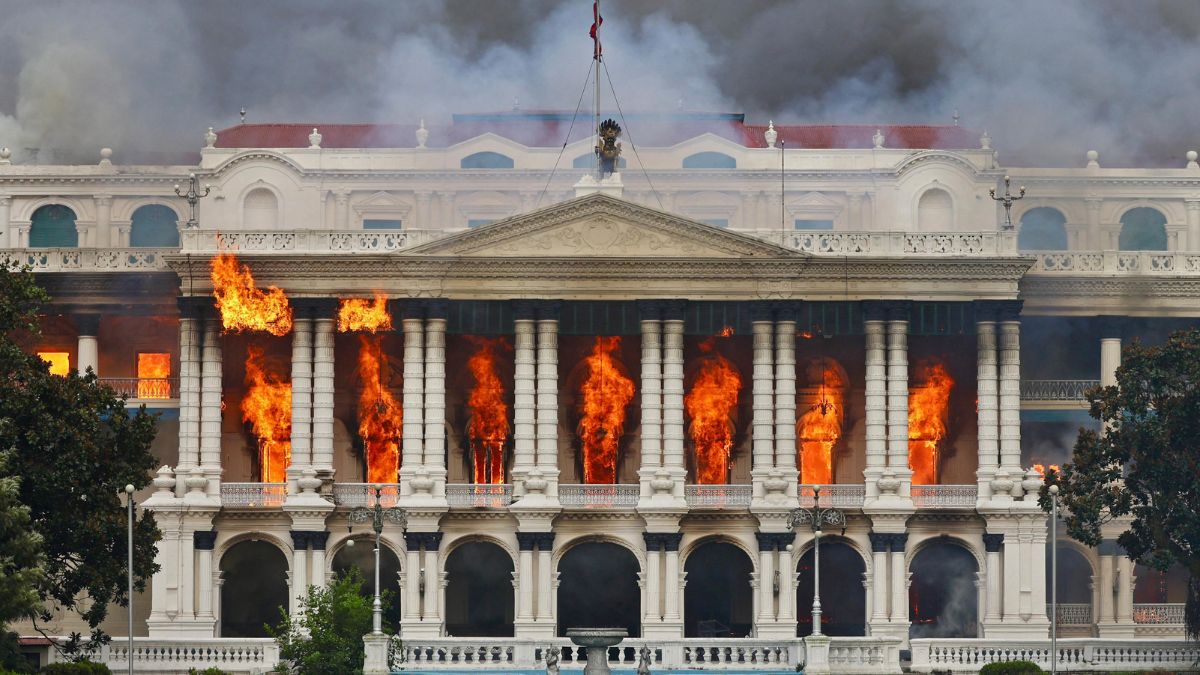
Nepal: Oli to continue until new PM is sworn in, nation on edge as all branches of govt torched

Nepal: Oli to continue until new PM is sworn in, nation on edge as all branches of govt torched

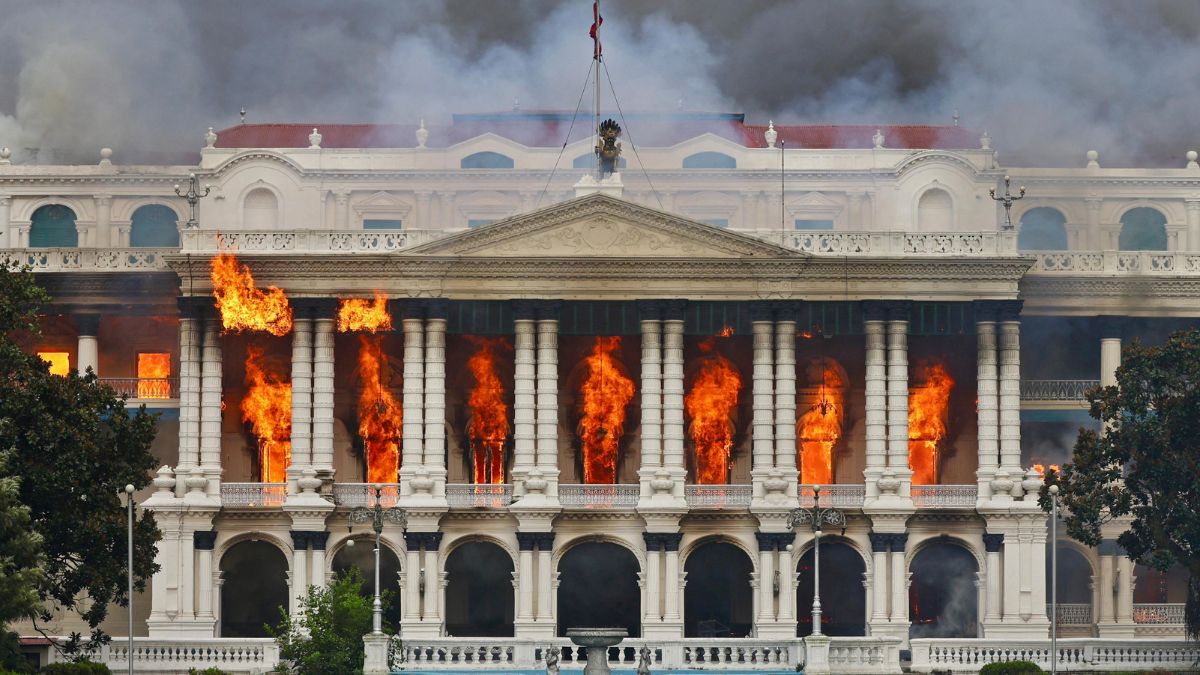
Khadga Prasad Sharma Oli remains caretaker PM amid chaos in Nepal. Protesters torched parliament, executive seat, Supreme Court, and presidential residence. President Paudel calls for dialogue as violence continues across the country.

More Impact Shorts

Top Stories

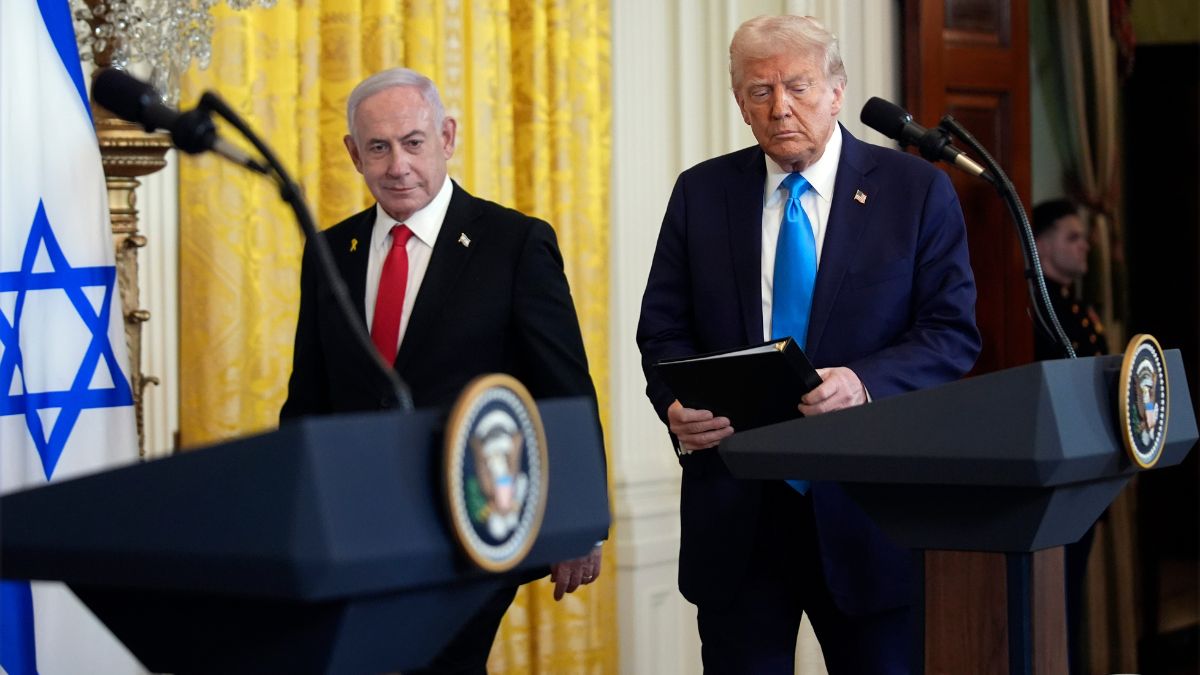
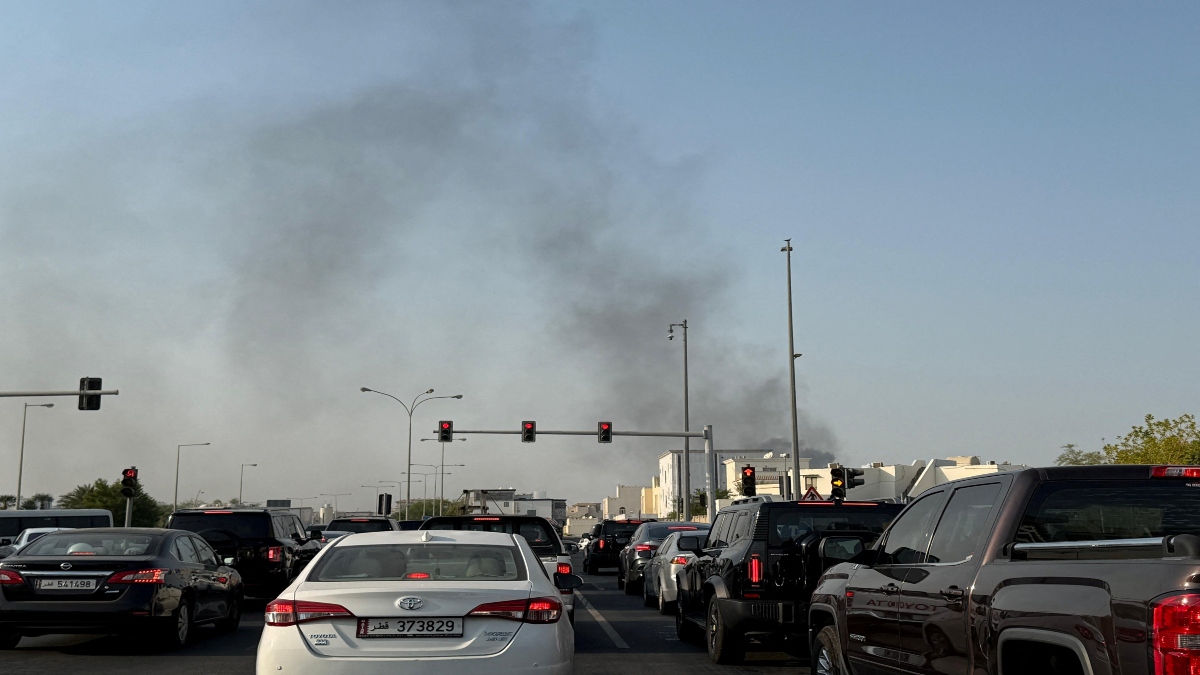
Israel targets top Hamas leaders in Doha; Qatar, Iran condemn strike as violation of sovereignty

Israel targets top Hamas leaders in Doha; Qatar, Iran condemn strike as violation of sovereignty

Nepal: Oli to continue until new PM is sworn in, nation on edge as all branches of govt torched

Nepal: Oli to continue until new PM is sworn in, nation on edge as all branches of govt torched

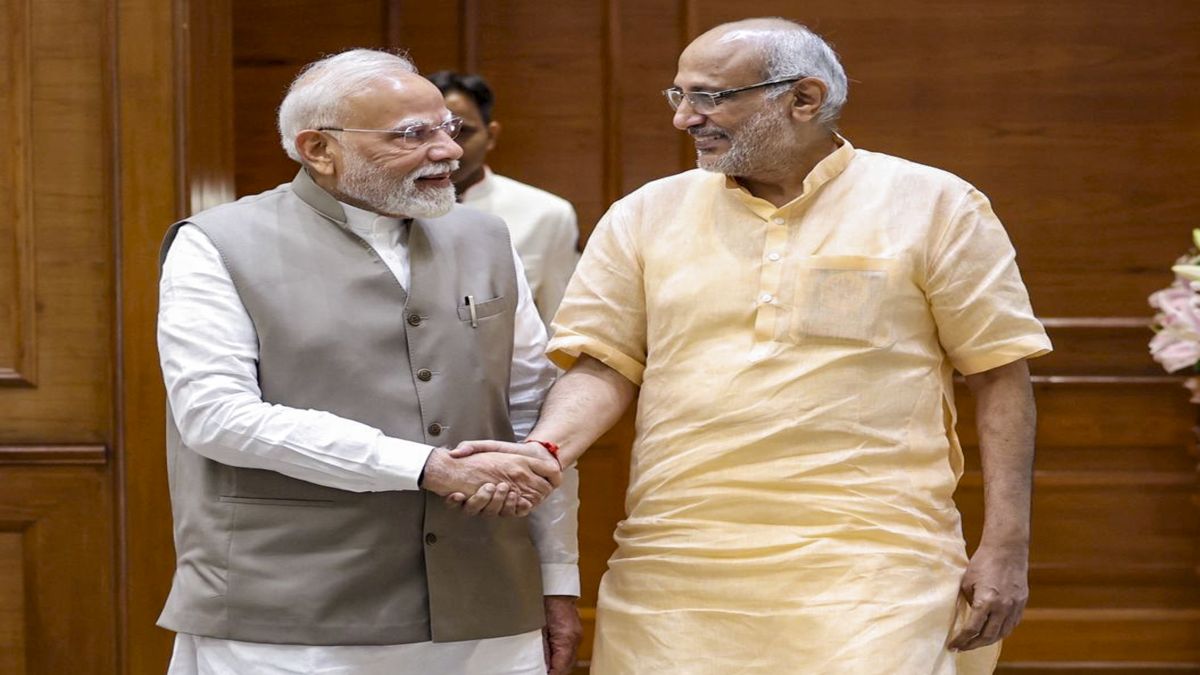
Who is CP Radhakrishnan, India's next vice-president?

Who is CP Radhakrishnan, India's next vice-president?

Israel informed US ahead of strikes on Hamas leaders in Doha, says White House

Israel informed US ahead of strikes on Hamas leaders in Doha, says White House

Israel targets top Hamas leaders in Doha; Qatar, Iran condemn strike as violation of sovereignty

Israel targets top Hamas leaders in Doha; Qatar, Iran condemn strike as violation of sovereignty

Nepal: Oli to continue until new PM is sworn in, nation on edge as all branches of govt torched

Nepal: Oli to continue until new PM is sworn in, nation on edge as all branches of govt torched

Who is CP Radhakrishnan, India's next vice-president?

Who is CP Radhakrishnan, India's next vice-president?

Israel informed US ahead of strikes on Hamas leaders in Doha, says White House

Israel informed US ahead of strikes on Hamas leaders in Doha, says White House

Top Shows

Vantage Firstpost America Firstpost Africa First Sports

QUICK LINKS

  • Trump-Zelenskyy meeting
Latest News About Firstpost
Most Searched Categories
  • Web Stories
  • World
  • India
  • Explainers
  • Opinion
  • Sports
  • Cricket
  • Tech/Auto
  • Entertainment
  • IPL 2025
NETWORK18 SITES
  • News18
  • Money Control
  • CNBC TV18
  • Forbes India
  • Advertise with us
  • Sitemap
Firstpost Logo

is on YouTube

Subscribe Now

Copyright @ 2024. Firstpost - All Rights Reserved

About Us Contact Us Privacy Policy Cookie Policy Terms Of Use
Home Video Shorts Live TV