

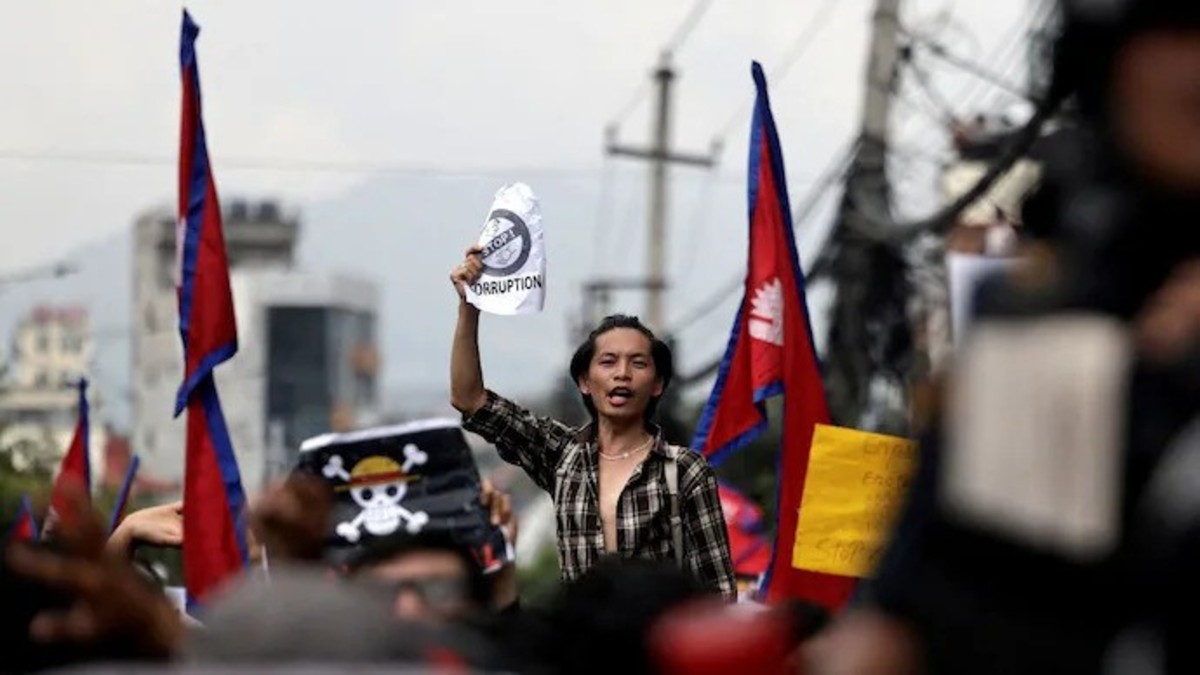
 "From Kathmandu to Lima: How Gen Z shook politics across the world in 2025")
In 2025, a generation that had grown up with TikTok feeds, Discord servers and smartphones in hand stepped into the political spotlight.
From the winding streets of Nepal’s Kathmandu Valley to the plazas of Lima, from Moroccan cities to the streets of Madagascar’s capital, young people, largely defined as Generation Z, took to the streets in unprecedented waves of protest, demanding more accountability, better services and fundamental reforms.
Many polititical commentators suggested this was not isolated unrest, but part of a broader global pattern of youth-led dissent, driven by economic frustrations, unmet expectations and disillusionment with the political status quo.
Nepal: Youth uprising topples government
One of the most dramatic manifestations of Gen Z activism occurred in Nepal in September, when massive anti-government protests erupted against corruption, nepotism and a controversial ban on major social media platforms.
Protests initially sparked by the ban on Facebook, Instagram, WhatsApp, YouTube and other networks quickly grew into widespread public demonstrations calling for political accountability and transparency. As young people poured into the streets, what began as online mobilisation spread to real-world actions that included vigorous confrontations with authorities.
The result was staggering. Prime Minister K.P. Sharma Oli resigned, parliament was dissolved and a transitional government was put in place, with elections slated for March 2026.
According to Nepal’s government, these protests,overwhelmingly driven by young people, inflicted a significant economic toll, costing the national economy an estimated $586 million through infrastructure damage and business disruptions.
Quick Reads
View AllPeru: Broader discontent takes the streets
Thousands of young Peruvians also took to the streets throughout 2025, with demonstrations erupting over a controversial pension law and growing frustration over corruption and insecurity.
While not always framed under a single banner, analysts frequently describe these as part of the Gen Z wave surging across continents, young people dissatisfied with stagnant economic prospects and entrenched political elites.
In Lima’s San Martín Square and other urban centres, weekly protests became a fixture, with demonstrators raising flags and voices against what they saw as government failed priorities. Though precise leadership structures were loose, the protests signalled deep generational discontent.
Morocco: Gen Z 212 challenges government priorities
In Morocco, demonstrations led in large part by decentralised youth groups like Gen Z 212 — named for the country’s +212 telephone code, showed how young people felt government priorities were skewed away from their needs.
Starting in late September, protests spread across more than ten cities, with participants coordinating over TikTok, Instagram and Discord to demand better public services, greater investment in healthcare and education, and jobs.
While the protests did not immediately topple the Moroccan government, they led to pledges of reform and debates about youth inclusion in political life, illustrating how Gen Z activism can influence government priorities even where demands have not been fully met.
Madagascar: From power cuts to political shake-up
Across the Indian Ocean in Madagascar, infrastructure hardships, notably chronic shortages of water and electricity, became the rallying cry for Gen Z protestors. What observers described as one of the largest youth-led movements in years quickly escalated into nationwide demonstrations.
The unrest reached a critical point when President Andry Rajoelina dissolved his government in response, and the military assumed control in a transitional administration, pledging elections and constitutional reform.
Although the long-term political trajectory is still unfolding, Madagascar’s Gen Z protests dramatically highlighted how basic frustrations, when amplified by social mobilisation — can force dramatic shifts at the highest levels of government.
A shared, digital playbook
What connects these geographically and culturally diverse movements isn’t a single ideology, but a generation with shared tools and environments. Read: social media platforms like Discord, Instagram and TikTok, and a common feeling that traditional political channels have failed to deliver for them.
Experts note that these protests tend to be leaderless and decentralised, with digital networks facilitating rapid coordination and broad participation. The use of symbolic imagery—including flags inspired by popular culture—has helped unify disparate movements around a sense of shared purpose and narrative.
What comes next?
As 2025 draws to a close, the global Gen Z uprisings have left clear marks: governments have fallen, policies have shifted, and political debates now include voices that were previously marginalised. Yet questions remain about whether these movements can translate street energy into lasting institutional change.
Still, as the protests in Nepal, Peru, Morocco and Madagascar have shown, this generation is not waiting quietly for permission to participate in shaping its future. Instead, it’s using the tools and networks it knows best to demand accountability, and relevance.


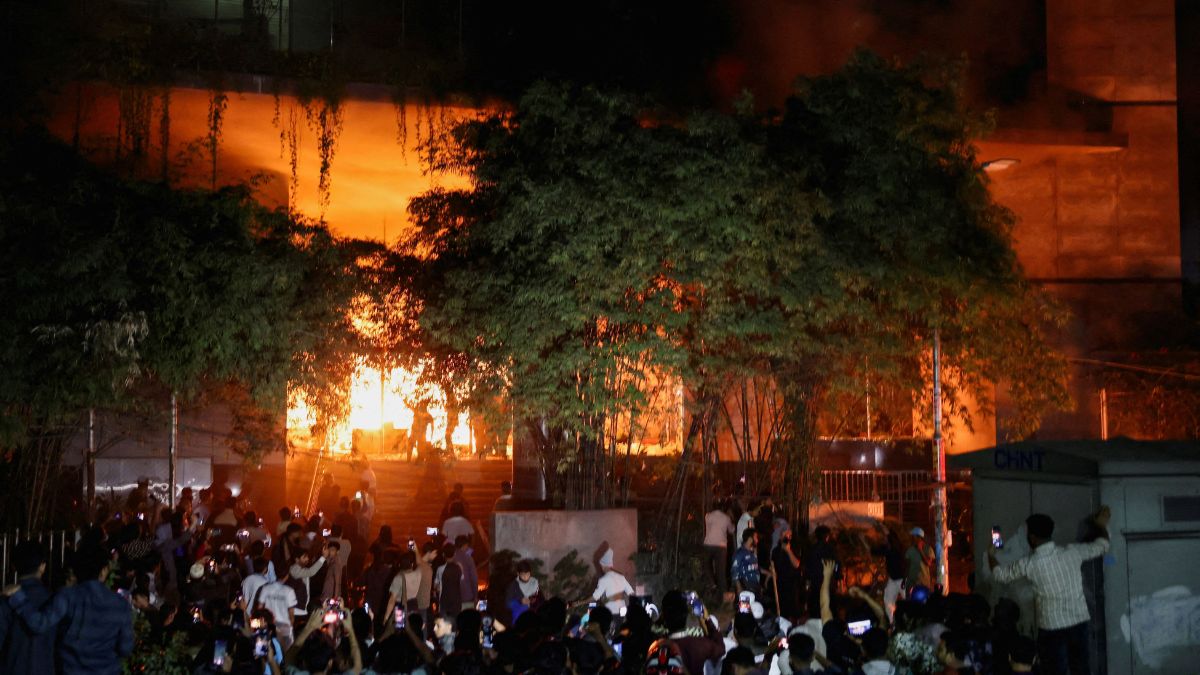 "Bangladesh Protests Live: Police, army on street as post-Hadi violence targets Indian missions, Awami offices")
 "Who was Claudio Valente, Brown University shooting suspect who also killed MIT professor?")
 "Ukraine to US midterms: Will 2026 seal Trump's place in history?")
 "Bill Gates, quotes from ‘Lolita’ on woman’s body: What newly released Epstein photos reveal")
 "Bangladesh Protests Live: Police, army on street as post-Hadi violence targets Indian missions, Awami offices")
 "Who was Claudio Valente, Brown University shooting suspect who also killed MIT professor?")
 "Ukraine to US midterms: Will 2026 seal Trump's place in history?")
 "Bill Gates, quotes from ‘Lolita’ on woman’s body: What newly released Epstein photos reveal")



