

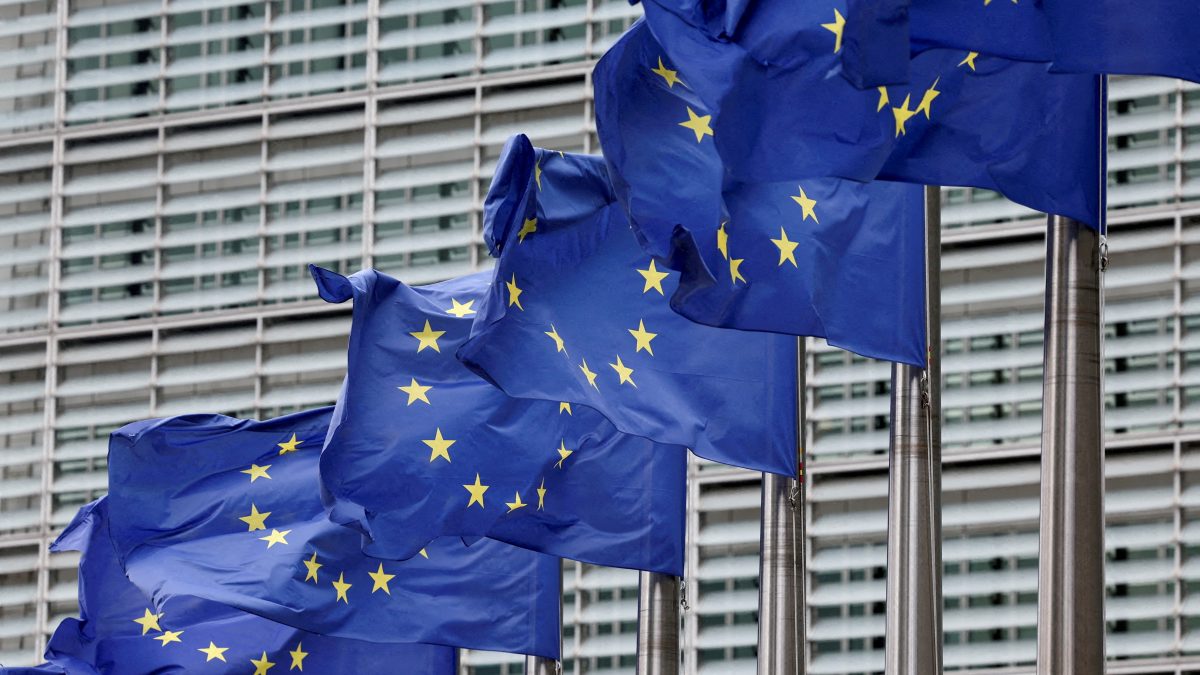
 "Europe’s $246 bn question: Should frozen Russian assets be used to fund Ukraine’s war?")
Following a prolonged debate amid a raging war, the European Union leaders are all set to decide on Thursday whether they will use Russia’s frozen immobilised assets to fund Ukraine’s fight against Russia. Ahead of the voting, many are calling the occasion a ‘make or break moment for Europe.
It is pertinent to note that the European Union has frozen €210bn of Russian central bank assets. Most of this is held at Euroclear in Brussels. As the war inches closer to the fourth anniversary, the EU wants to use this money to generate a loan for Ukraine.
Under the plan, the EU would borrow from Euroclear to provide Ukraine with an initial €90bn loan, about two-thirds of Kyiv’s funding needs for 2026 and 2027. The EU expects Ukraine’s other allies to provide the rest.
As per the plan, Ukraine would repay the money to the EU if and when Russia agreed to pay reparations for the colossal damage inflicted during the war. The EU would then repay the amount to Euroclear. It is pertinent to note that throughout the cycle, Russia would remain the legal owner of the assets.
Why now
In 2024, the EU agreed to make use of the frozen Russian sovereign wealth for Ukraine. However, touching the assets has been a controversial step. The concern was not just how Russia would react to the move; decision-makers in Brussels, Paris and Berlin feared damaging global investor confidence in the eurozone.
Things changed in October this year when Germany’s relatively new chancellor, Friedrich Merz, came out decisively in favour of a plan to use the assets without confiscation. This was also happening at a time when US President Donald Trump had halted new US military aid for Ukraine.
Quick Reads
View AllMeanwhile, European nations, grappling with stagnant economies and public spending pressures, are not doing nearly enough to fill the gap, according to the Kiel Institut in Germany. In the midst of all this, Ukraine is running out of money fast: Kyiv needs an estimated €136bn in 2026 and 2027 to fund its defence and keep afloat, according to the European Commission. Hence, the need for the money has become more significant.
How is Russia reacting to it?
Russian President Vladimir Putin said that frozen assets to finance a loan would be akin to “theft of someone else’s property”. The Russian leader and his advisers have issued dark warnings about the consequences for European economic stability and investor faith in the eurozone.
Earlier this year, the Russian Central Bank launched a $230 billion claim for damages against Euroclear, which is already fighting more than 100 legal cases in Russia. In the midst of this, Putin has signed a series of decrees, most recently in October, making it easier for the Kremlin to seize Western private and state assets in Russia, in retaliation for any confiscation of assets.
Belgium, which is also the host of lion’s share of the assets, has been hesitant about the idea, calling it “fundamentally wrong”. The Belgian government argued that the plan would be seen as confiscation and that, without strong EU guarantees, it could be left with multibillion-euro bills if Moscow is successful in suing Euroclear and seizing Belgian property in Russia.
While EU courts might not pay heed to Russia’s ruling, Belgium might face scrutiny from Russia’s allies like Kazakhstan or China, which could seize its assets.
What lies ahead
Many wonder if there is a plan B to this endeavour. EU member states could use unallocated funds in the EU budget as collateral for a loan for Ukraine – a tried-and-tested method of raising money, which was proposed by the European Commission this month.
Countries like Belgium, Italy, Bulgaria and Malta believe that it is legally a safer way to help Kyiv, leaving the Russian billions intact for Ukraine’s reconstruction.
If the Thursday and Friday voting ends with no clear plan to fund Ukraine, the EU’s credibility would take a major hit. Europe would find it even harder to sway peace talks orchestrated by a transactional US president who has already dismissed the continent’s leaders as weak.
Ahead of the voting, Merz issued a stark warning about the risks of failing to agree on the frozen assets plan. “If we do not succeed in this, then the European Union’s ability to act will be severely damaged for years, if not longer, and we will show the world that we are incapable of standing together and acting at such a crucial moment in our history," he said.
If the bloc agrees to the plan, it would trigger relief for Ukraine. However, there will still be challenges. Even if EU leaders sign off on the frozen assets idea, it would still need to be turned into law to meet Ukraine’s urgent military and civilian needs by springtime. It will also be interesting to see how Russia would react to the matter.

 "Bangladesh Protests Live: Police, army on street as post-Hadi violence targets Indian missions, Awami offices")
 "Who was Claudio Valente, Brown University shooting suspect who also killed MIT professor?")
 "Ukraine to US midterms: Will 2026 seal Trump's place in history?")
 "Bill Gates, quotes from ‘Lolita’ on woman’s body: What newly released Epstein photos reveal")
 "Bangladesh Protests Live: Police, army on street as post-Hadi violence targets Indian missions, Awami offices")
 "Who was Claudio Valente, Brown University shooting suspect who also killed MIT professor?")
 "Ukraine to US midterms: Will 2026 seal Trump's place in history?")
 "Bill Gates, quotes from ‘Lolita’ on woman’s body: What newly released Epstein photos reveal")



