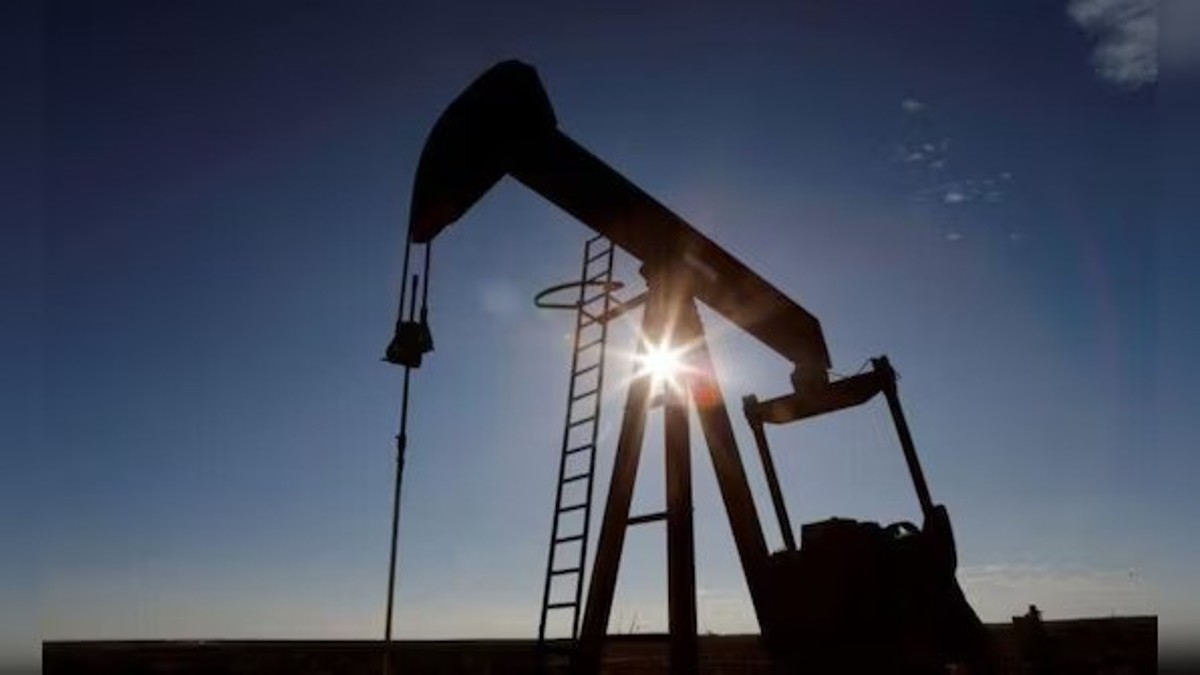
 "China rides out Iran war oil shock on back of ‘teapot’ refineries — at least for now")
As the war in Iran enters its second month and Brent crude surges past $100 a barrel, China has largely managed to shield its economy from a massive disruption due to the oil crisis. One of the biggest reasons of this insulation is its network of small, independent “teapot” refineries in Shandong province.
These compact, privately owned facilities account for roughly a quarter of China’s total refining capacity. They are named ’teapot refineries’ for their diminutive, teapot-like shape.
Small tanks, big role
Unlike major state-owned energy firms such as Sinopec, which are wary of triggering US financial sanctions, teapot refineries operate almost entirely in the domestic market and thus find themselves comfortable in purchasing discounted Iranian and Russian crude.
Unilateral sanctions imposed by the United States, have paved the way for Iran, Venezuela and Russia to become the biggest suppliers to China.
China was already well-positioned when US and Israeli strikes on Iran began on February 28, and Tehran moved to block the Strait of Hormuz within hours. Beijing had spent years building up its energy buffers, accumulating an estimated 1.2 billion barrels of crude stockpiles much of it bought from sanctioned producers at well below market rates. It covers roughly 109 days of seaborne import cover.
Challenges remain
The teapots were central to that effort, soaking up cheap Iranian and Russian oil that larger state firms didn’t touch due to the possible repercussions.
For now, local fuel supplies in Shandong have remained broadly stable. “We built some inventories earlier, so the pressure is not that big for the near term,” one Shandong teapot executive told Reuters. In the week ending March 5, refineries in the province were operating at about 55 percent capacity, slightly up from the previous week.
But the cushion is thinning fast. The key problem is margins. Before the war, Iranian light crude traded around $11 cheaper per barrel than Brent. That discount has now narrowed to as little as $2, even as Brent itself has surged past $100. For refineries that survive on razor-thin margins, the squeeze is severe.
Quick Reads
View All“In normal times, they boost fuel supply and margins. During crises, they act as a flexible buffer for bargain barrels. However, when discounts dry up and prices surge, their thin profit margins get squeezed, forcing some to cut operations,” said Alicia Garcia-Herrero, senior fellow at the Bruegel think tank, as reported in The Guardian.
Workers are already feeling the strain. At Luqing Petrochemical, one of Shandong’s prominent teapots sanctioned by the US last year, a production-line worker said client orders had dropped sharply.
Analysts warn that if prices continue to climb, some teapots could go under entirely, leaving China’s carefully constructed energy buffer with a hole it may struggle to fill.

 "Iran Israel War Live News: Strikes continue as Iran intensifies search for American pilot")
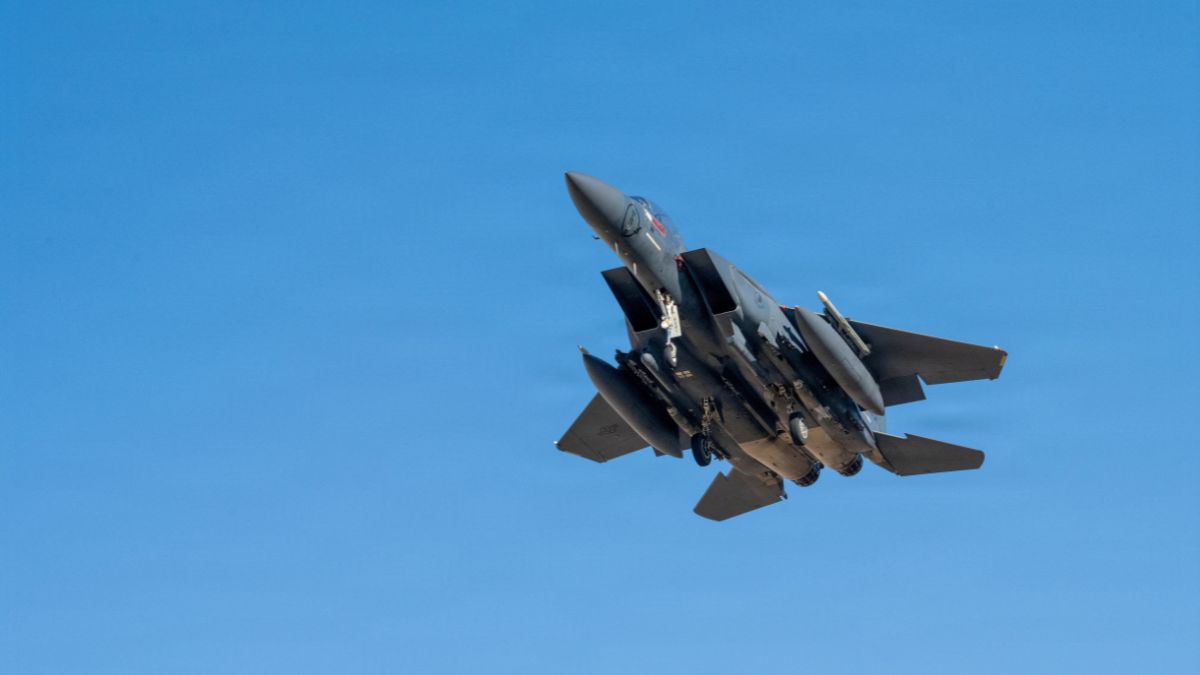
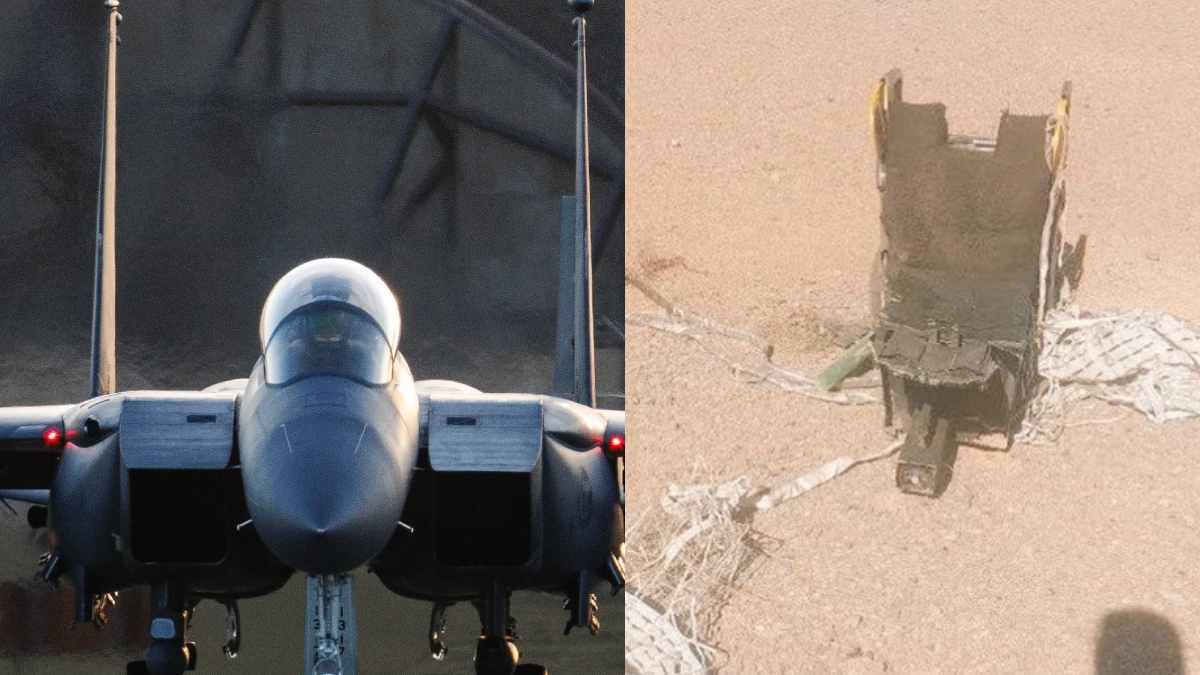 "One of two US crew members rescued after F-15E jet shot down over Iran, race to hunt second ongoing")
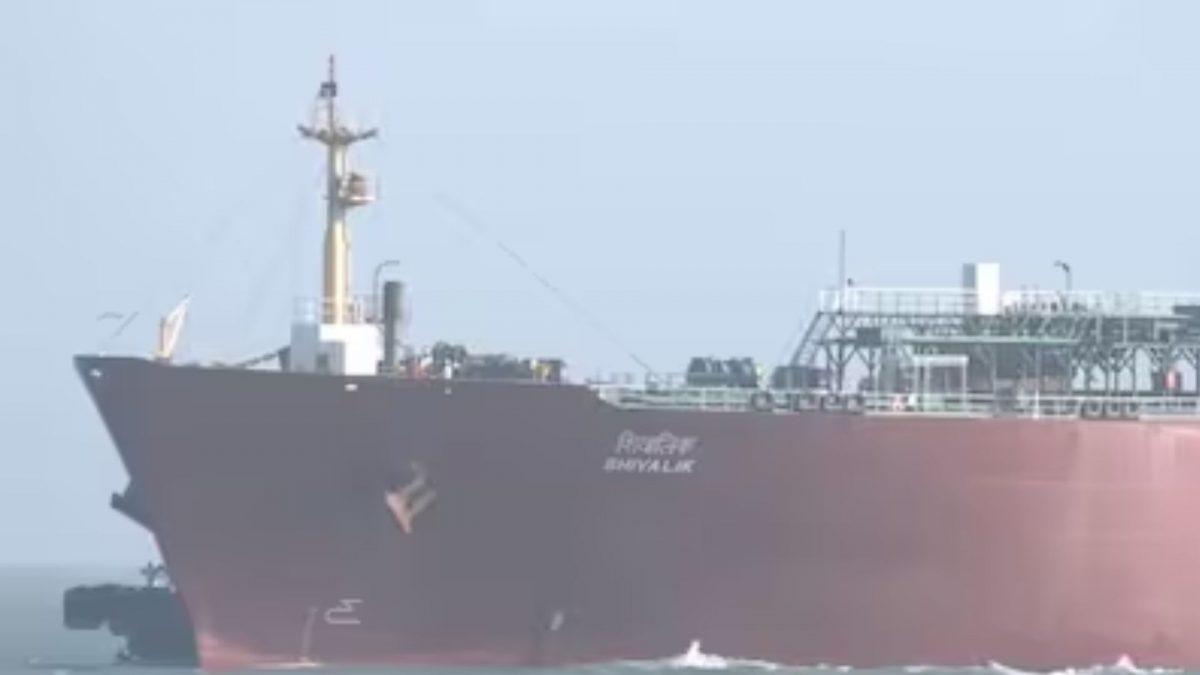 "Seventh India-flagged LPG tanker crosses Strait of Hormuz")
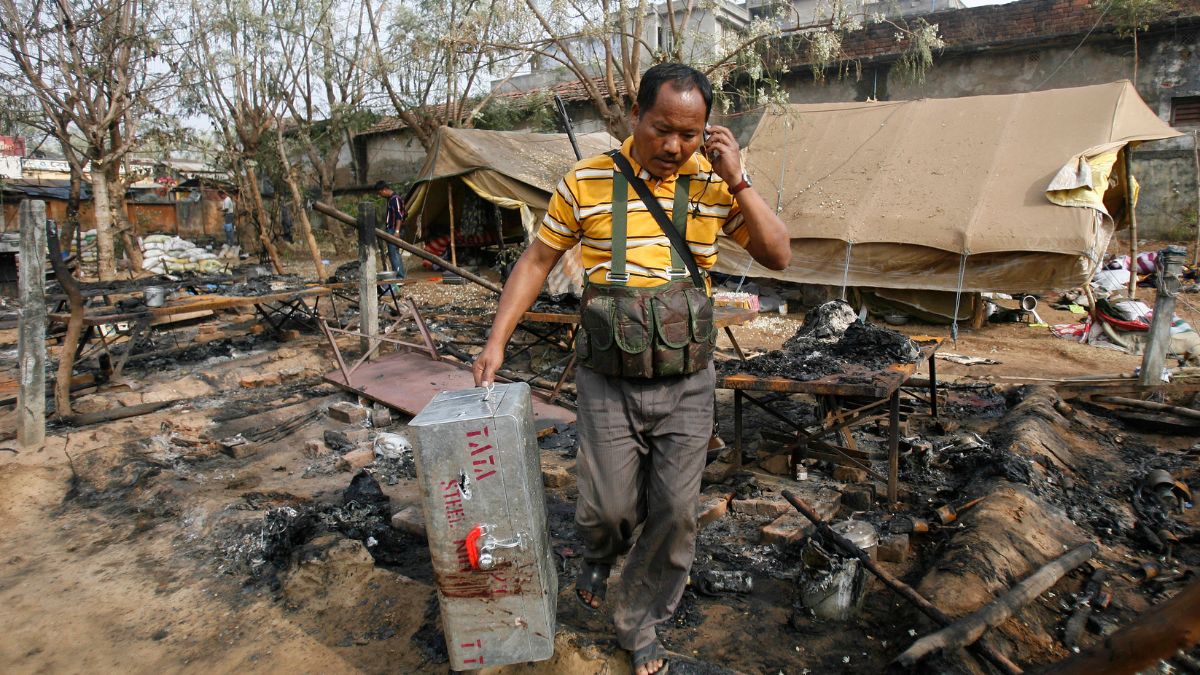 "This Week in Explainers: How India won the war against 'Red Terror'")
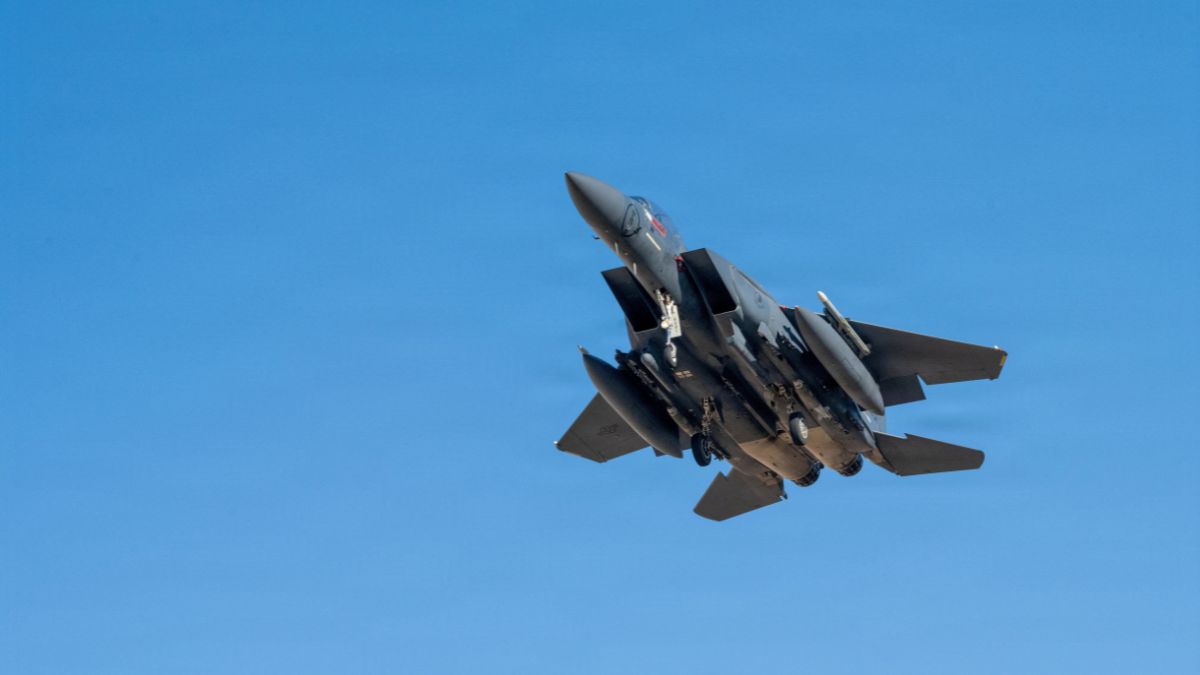 "Iran Israel War Live News: Strikes continue as Iran intensifies search for American pilot")
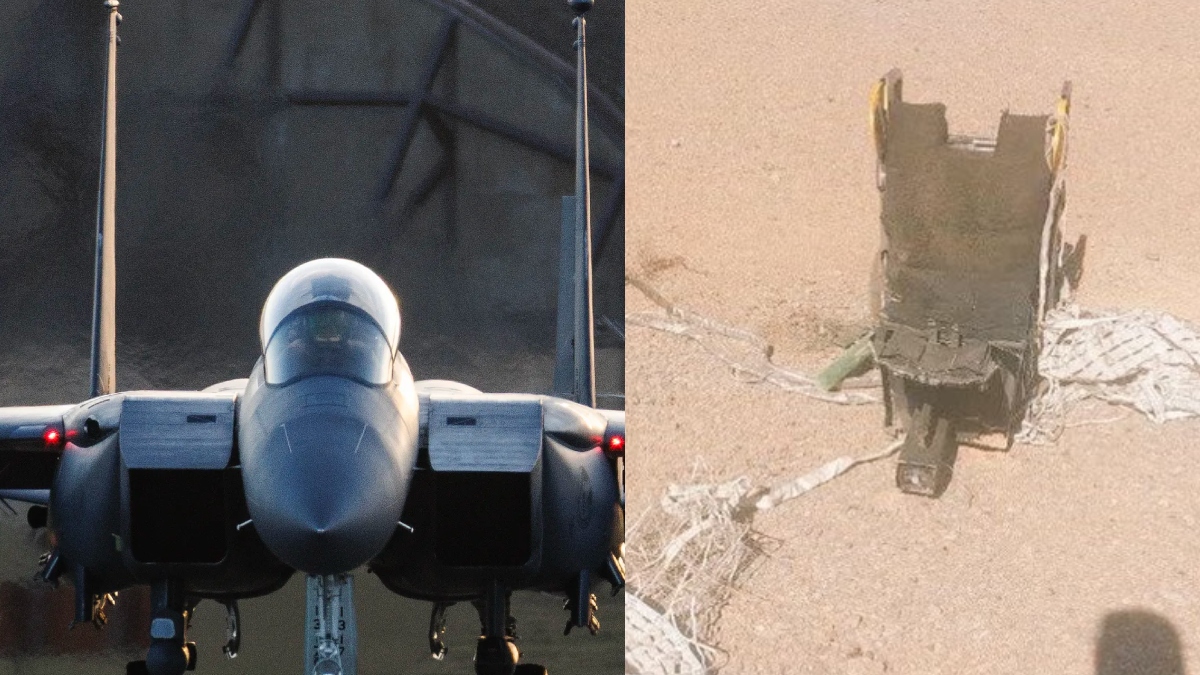 "One of two US crew members rescued after F-15E jet shot down over Iran, race to hunt second ongoing")
 "Seventh India-flagged LPG tanker crosses Strait of Hormuz")
 "This Week in Explainers: How India won the war against 'Red Terror'")