

 "Caste in the USA, Episode 1: Conversations about casteism in Indian diaspora are vital to challenging its impact")
Editor’s note: Firstpost is holding a series of conversations with Indians in the US, across its campuses, offices and households, to understand how caste discrimination pervades the community just as much as it does back home in India. Hosted by Thenmozhi Soundararajan, Dalit rights activist, artist, technologist and executive director of Equality Labs, the podcast cracks taboos about caste among Indians in the US.
***
In Episode 1: “Caste doesn’t just impact the caste-oppressed, caste impacts all of us,” says host Thenmozhi Soundararajan in the opening episode of Caste in the USA, a podcast which brings to light experiences of caste discrimination in the US. This episode reiterates why the need of the hour is to increase conversation around the topic of caste in the diaspora, which is otherwise considered taboo or brushed aside as a conversation which will shame Indian culture in front of non-Indians. Laying out a structure for this podcast series, Thenmozhi explains that in the episodes to come, she will engage in conversations that explain how dominant caste networks in the US work to keep caste alive. Sharing her experience from having steered a caste survey which brought forth the extent of caste discrimination prevalent among South Asian communities, Thenmozhi also shares the hope that these conversations will eventually help those in the audience self-examine how caste impacts one’s own psyche everyday.
***
Listen to Caste in the USA, Episode 1 here:
***
Read the complete transcript for Episode 1: Jai Bhim and Jai Savitri everyone. I am Thenmozhi Soundararajan and this is the series Caste in the USA with Firstpost. Today’s episode is just an introduction. It’s just you, me and our conversation about caste in the United States. This is an important topic for myself and many caste oppressed Americans, because we have been grappling with the spectre of caste — particularly because we see caste pretty organised all throughout the diaspora, because we often do not talk openly about the taboo it has become in many of our networks all across the country. The purpose of this series is to have one-on-one intimate conversations with people who have seen it and who are working to dismantle it and this is an unusual conversation. Partially because of the fact that we have both caste oppressed people and people with caste privilege openly sharing the pain of caste apartheid.
This is something we don’t really often like to delve in, but caste is violent for everyone that’s involved.
For me, I have been really influenced by this one thinker Resmaa Menakem who wrote this really beautiful book called My Grandmother’s Hands: Racialised Trauma and a Pathway to Mending Hearts and Bodies. What I loved about this book is that it really looked at the problem of racial violence and anti-Black violence through this lens of trauma. He doesn’t just talk about white supremacy as a political construct or an ideology. He talks about it as white-body supremacy. So a lived, somatic experience that has been built up through centuries of inter racial violence and that, Black communities experience one version of white body supremacy but so do white Americans who watch and are complicit with the violence that is unleashed in their names in order to create white dominance. To me that is what I really hope to explore more deeply with y’all as we go into these conversations… how are we seeing the violence in caste we created as networks of complicity get dealt throughout the country. For me, from where I really encountered this was in the battle around the California textbooks. For anybody who knows this, you know, this has been a recurring challenging battle throughout the years where we are seeing, you know, dominant caste forces wanting to push a very particular origin story when it comes to caste. So, in the round that our team was involved in, this was in 2015, we saw dominant castes, primarily Brahmin individuals from groups like the Hindu-American foundation who were leading a charge to basically erase caste from the textbook and erase the word “Dalit”. And their argument was that by teaching caste, Hindu children would be bullied and, you know, in some cases this was done by the scholar, Dr Shiva Bajpai, who was the intellectual architect of their campaign. He would argue in his many letters to the California Board of Education that in fact caste was a good thing. Caste actually helped India endure colonialism and wasn’t even really a big deal in India at all. And, you know, as a Dalit, we obviously thought that this is absolutely like h****shit. So, you know, many, many, many caste oppressed Californians mobilised to tell their testimonies around this issue. And the thing is that as you begin to scratch the surface of these dominant caste coalitions coming forward to erase caste and doing all sorts of other kinds of mischievousness in terms of erasing, you know, evidence based history from the textbooks. So one of the things that is so interesting is that with all of these dominant caste people, who were Brahmin, and were writing to the board of education and making this like very spurious, non-evidence based claims, is that Dr Shiva Bajpai who was like the leader of all of this, he never divulged that he was on that chair of the Brahmin Samaj of North America. So if caste doesn’t exist in the diaspora, why is the chairperson of the Brahmin Samaj of North America writing to erase the word “Dalit” from textbooks? Just think about that, think about how wild that is… And that really goes to show to me the sickness that we have in caste, where we see dominant caste people shirking their responsibilities of acknowledgement and recognition of what creates their dominance. While at the same time punishing and creating great consequences for Dalits that speak out about this issue as well as terrorising American institutions that want to address this situation. I think this is why we want to speak out and this is why this is such a deeply intercaste effort. To me the thing that I thought that was so profound in my learning from California textbook battle was that in working with board of education, there was another wrinkle to being able to come out about what caste looks like in the US, is that for them they were like, “Wow, you guys have compelling stories and we know that you guys are survivors of the atrocity and that you are experiencing discrimination but you have no data.” I just looked at [them] and I just thought again this is one of big traps caste oppressed people have to fall into, is that narrative of institutions is the narrative of data, is the narrative of proof of structural discrimination and yet how few Dalits exist who have that skill set that are able to create processes to be able to document that. And for me, that really is like again one of the other strange pieces of this is that Dalits have to simultaneously gain access to institutional power as well as learn the tools of institution building, as well as the pedagogies of data, while also living through incredible violence in order to tell the stories of the violence. So, when faced with that conversation and also seeing the mess that dominant caste people were able to make with their resources and their access, it was really clear for our team at Equality Labs that we needed to push this conversation forward and take what we knew anecdotally, in terms of how caste operated in our community and tried to create a first data set. I was very lucky to work with my colleague Dr Maari Zwick Maitreyii and we created a really powerful set of first questions and we were lucky to have mentorship with scholars like Dr Cornel West. As we put together our questions, we were really anticipating this not just to be a question set that was directed at Dalits but really towards all South Asians, because again, caste doesn’t just impact the caste oppressed, caste impacts all of us. So, we actually reached out to hundreds of organisations across the country. It included religious institutions like temples, gurudwaras and churches as well as organising institutions like SAALT which actually works with the South Asian community overall. As well as cultural associations like the Telugu association of North America. To me what was so interesting at that time was when we started to do this outreach, it really showed how controversial it was to have this conversation at that time. Even simply disseminating the survey lead to tremendous amounts of attacks against our team of primarily Dalit women, scholars and researchers.

 "Charlie Kirk, shot dead in Utah, once said gun deaths are 'worth it' to save Second Amendment")
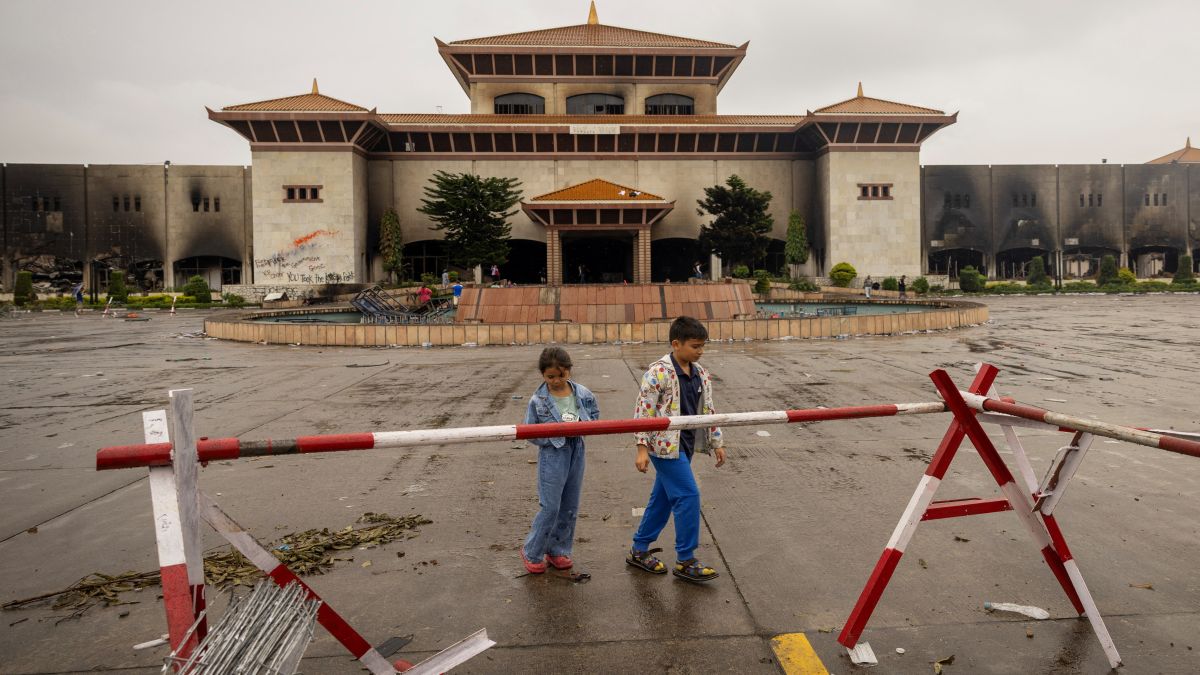 "From governance to tourism, how Gen-Z protests have damaged Nepal")
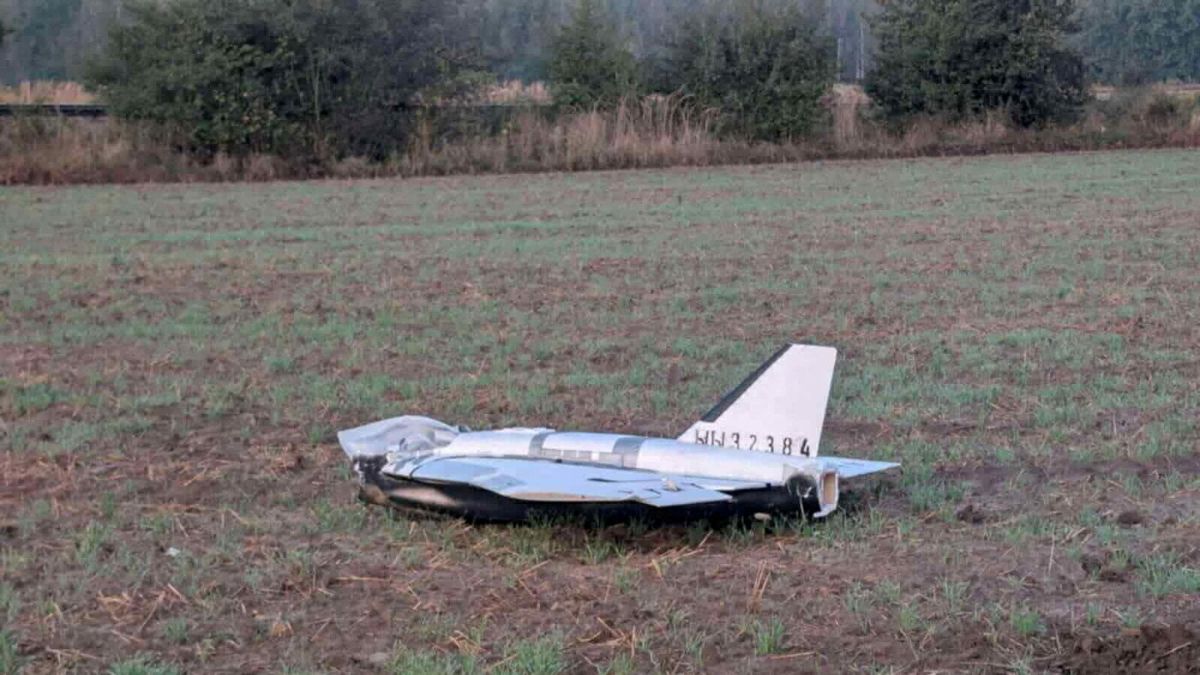 "Did Russia deliberately send drones into Poland’s airspace?")
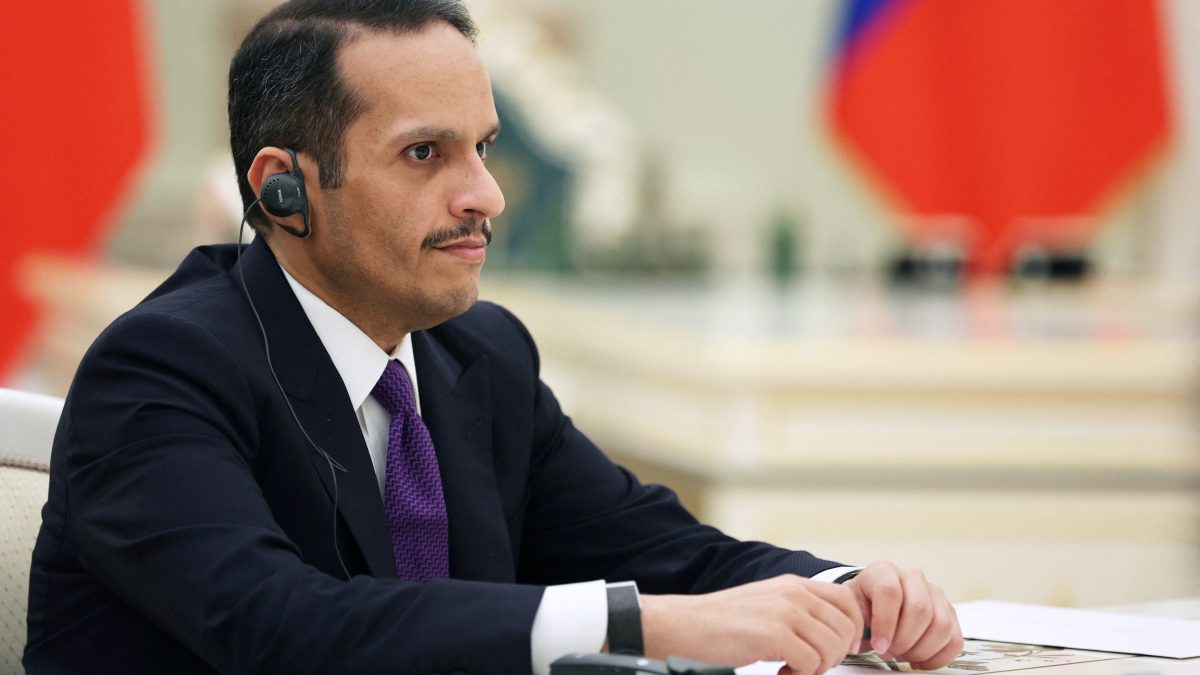 "Netanyahu ‘killed any hope’ for Israeli hostages: Qatar PM after Doha strike")
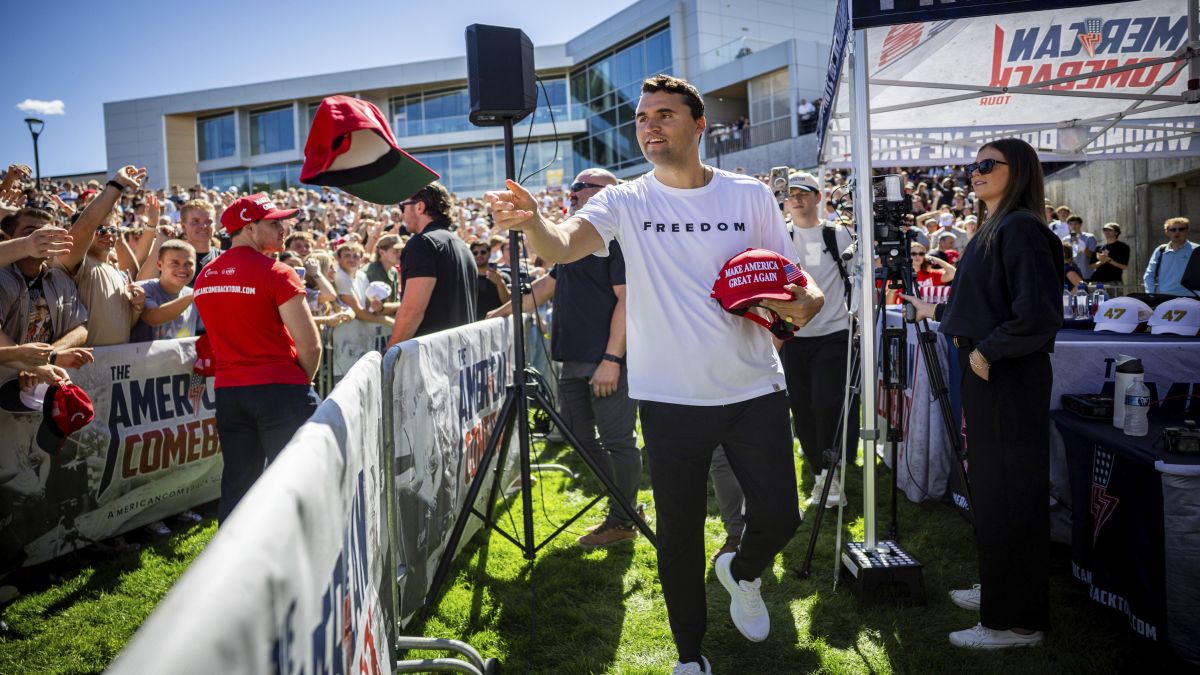 "Charlie Kirk, shot dead in Utah, once said gun deaths are 'worth it' to save Second Amendment")
 "From governance to tourism, how Gen-Z protests have damaged Nepal")
 "Did Russia deliberately send drones into Poland’s airspace?")
 "Netanyahu ‘killed any hope’ for Israeli hostages: Qatar PM after Doha strike")



