

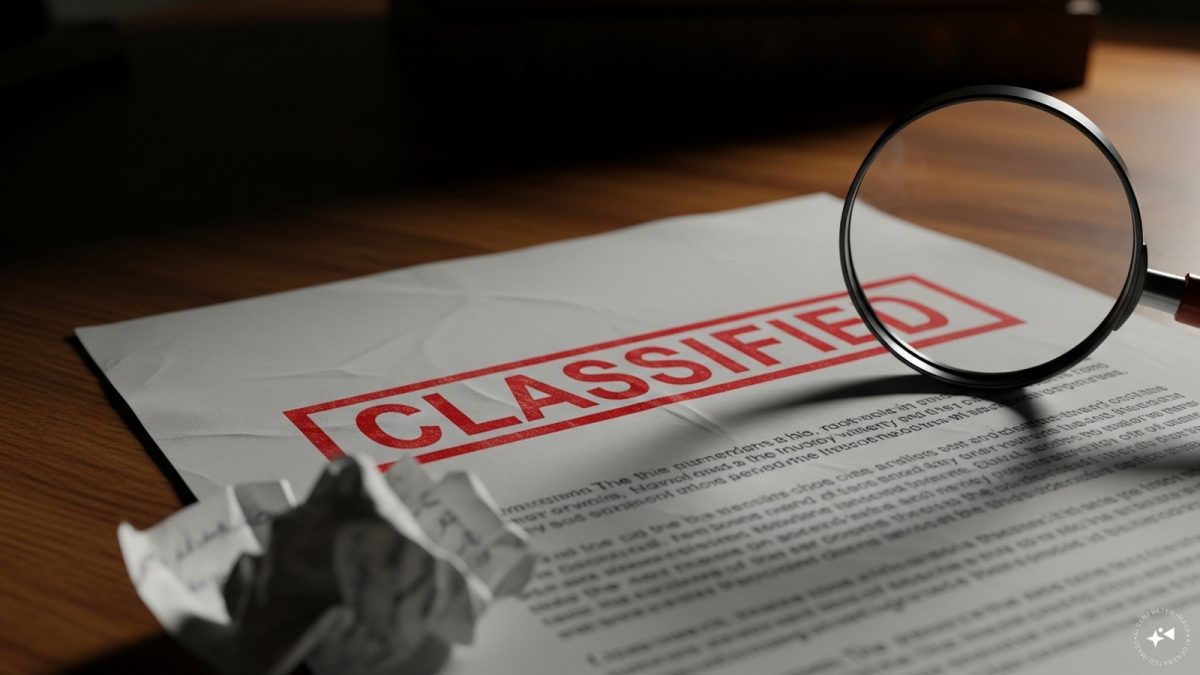
 "Beware of honey trap, China warns defence officials after govt employee jailed for espionage")
China has issued a warning to officials working in the defence and technology sectors to beware of “honey traps” after a public official was blackmailed into surrendering state secrets while he was on a foreign trip.
The National Administration of State Secrets Protection has published an article on its social media account about how personnel in the military are increasingly falling victim to honey trapping by foreign intelligence agencies.
What’s the case?
The article details the case of a man identified by his surname, Guo, from a mainland military enterprise. He was on a trip to an unnamed foreign city where he was supposed to accept a project. During his trip, Guo encountered a spy posing as a “business representative” who approached him via deliberately arranged social occasions.
“This seemingly accidental encounter was actually a honey trap orchestrated by a foreign intelligence agency,” the article said.
Guo later had sexual relations with a woman from the foreign spy agency, who later threatened to make his affair public, thereby successfully recruiting him.
He later carried out recruitment tasks for the organisation, successfully enlisting a technical expert named Chen and a staff member named Li. According to the report, the trio then funnelled internal intelligence and classified military-industrial secrets from their enterprise to the foreign agency.
“Throughout the intelligence exchange, Guo acted as the on-site interpreter,” the article further read.
Call for better security systems
The article also calls for the need to better secure internal security management. It proposed a “full-cycle” management framework for state personnel travelling abroad, covering everything from pre-trip security reviews and active supervision while overseas to post-return observation. It also recommended stricter preventive education and mandatory disclosure policies requiring employees to declare all foreign relationships to improve long-term institutional oversight.
“[We should] focus on enhancing the awareness and political discernment of personnel visiting abroad through typical cases and interactive experiential education,” the article stated.

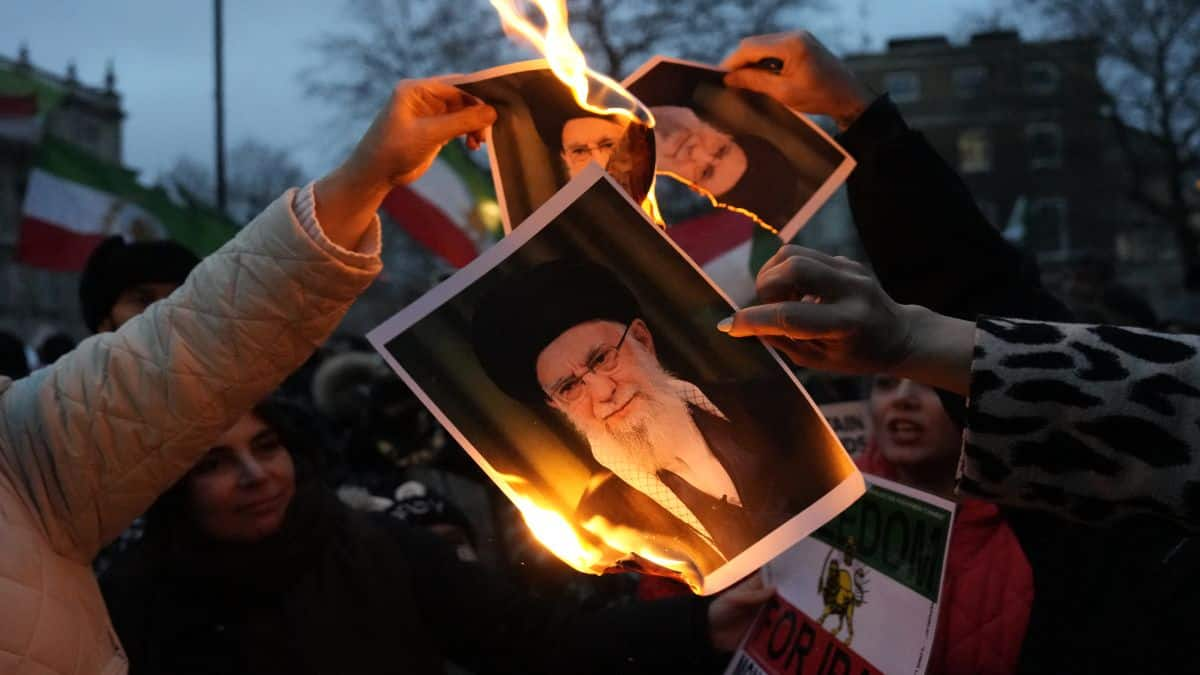
 "Iran protests revive the 2011 Arab Spring question: Does regime change improve livelihoods?")
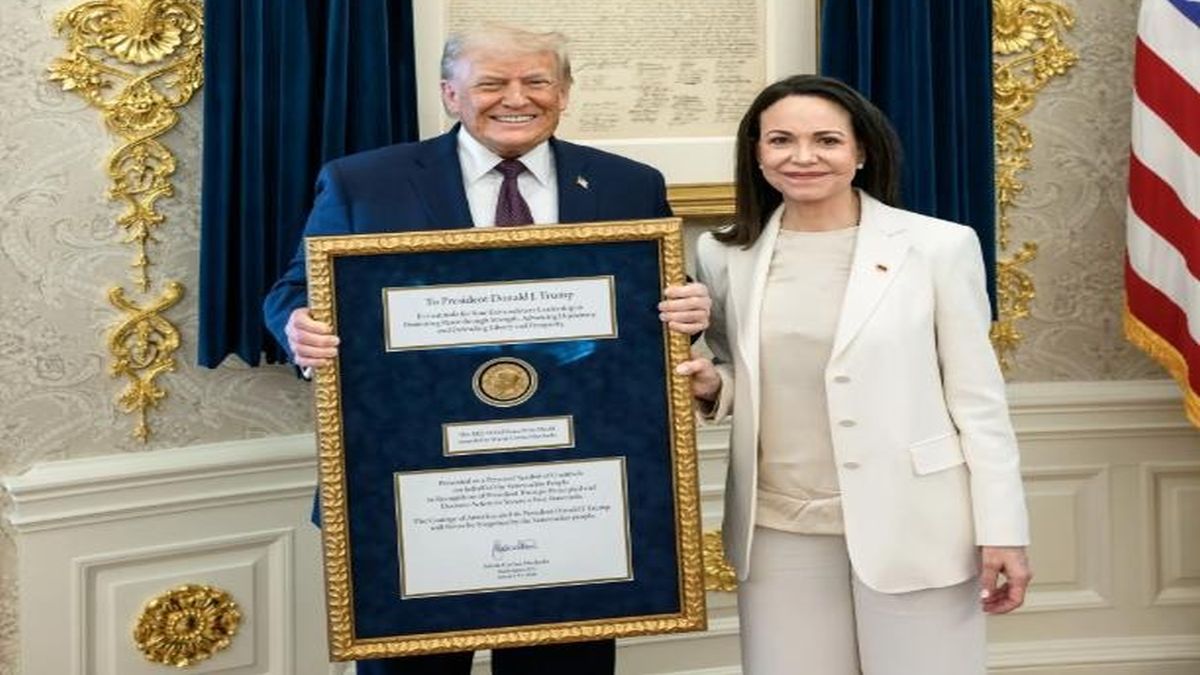 "The Nobel meet: Trump gets the medal not honour, Machado has the title not power")
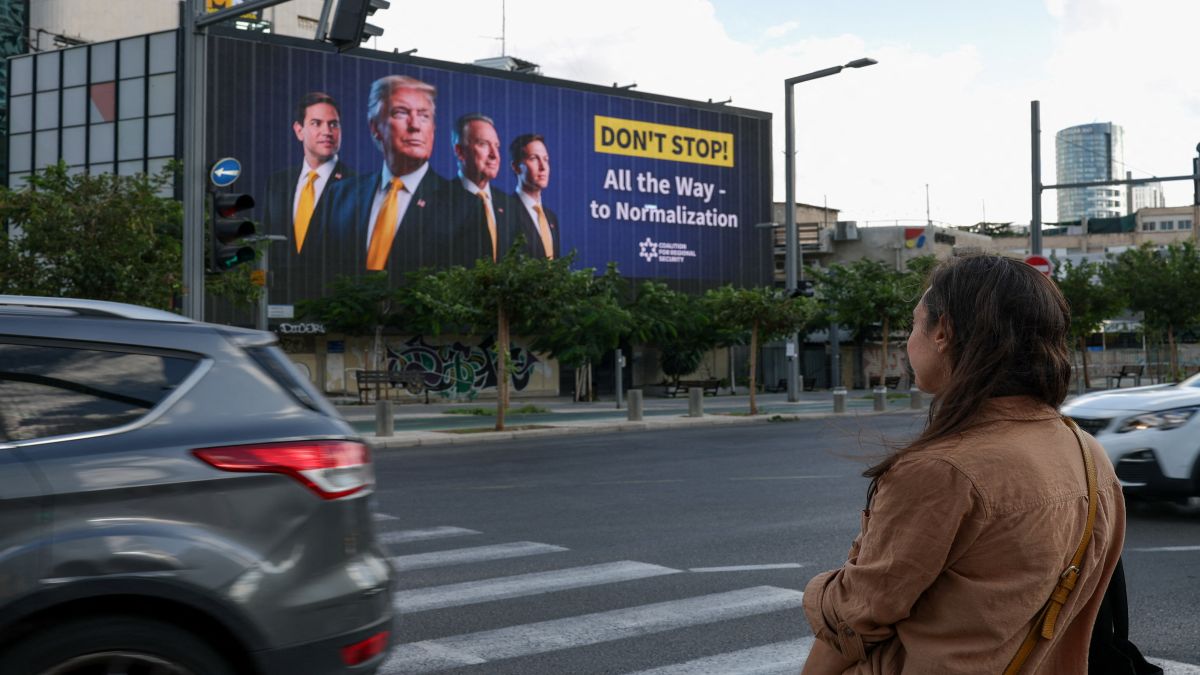 "Trump appoints Rubio, Kushner & 'contentious' Blair to Gaza ‘board of peace’")
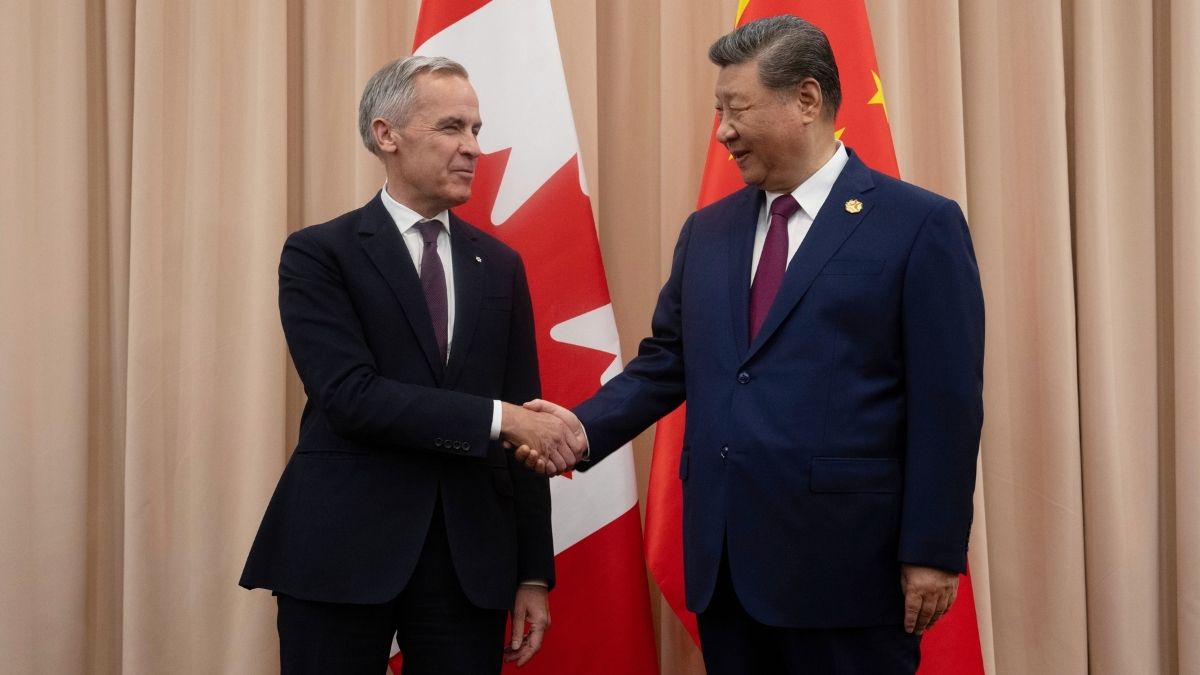 "Trump officials warn that Canada will regret EV deal with China, blocking vehicles from entering US")
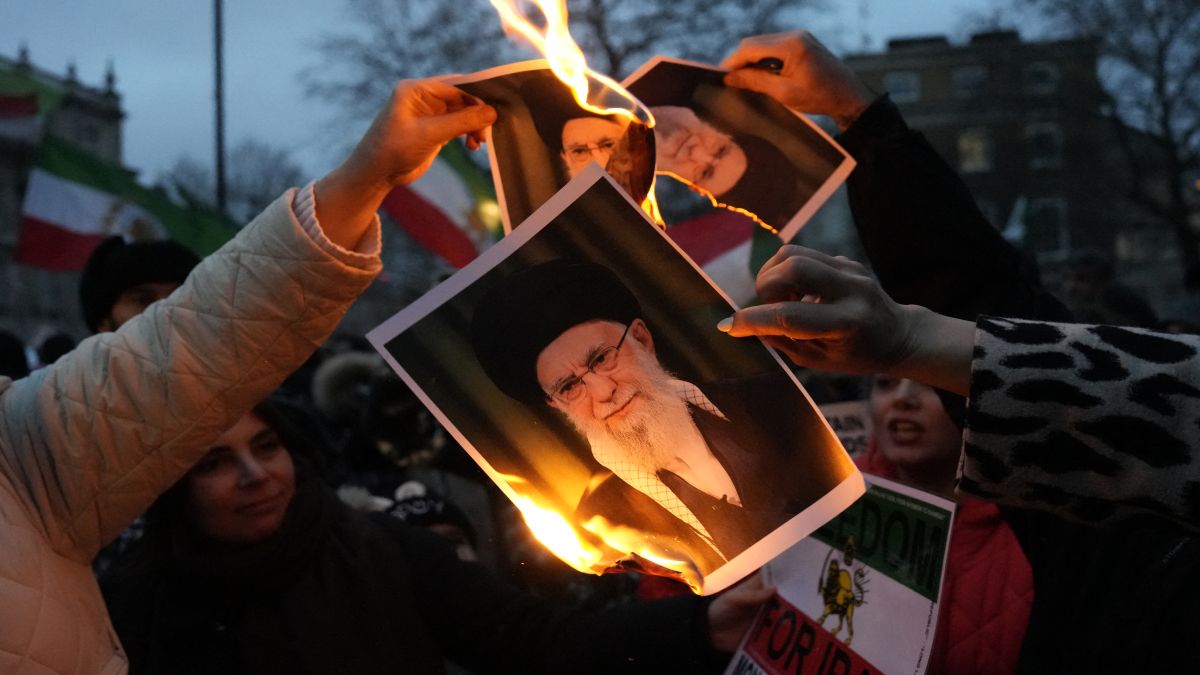 "Iran protests revive the 2011 Arab Spring question: Does regime change improve livelihoods?")
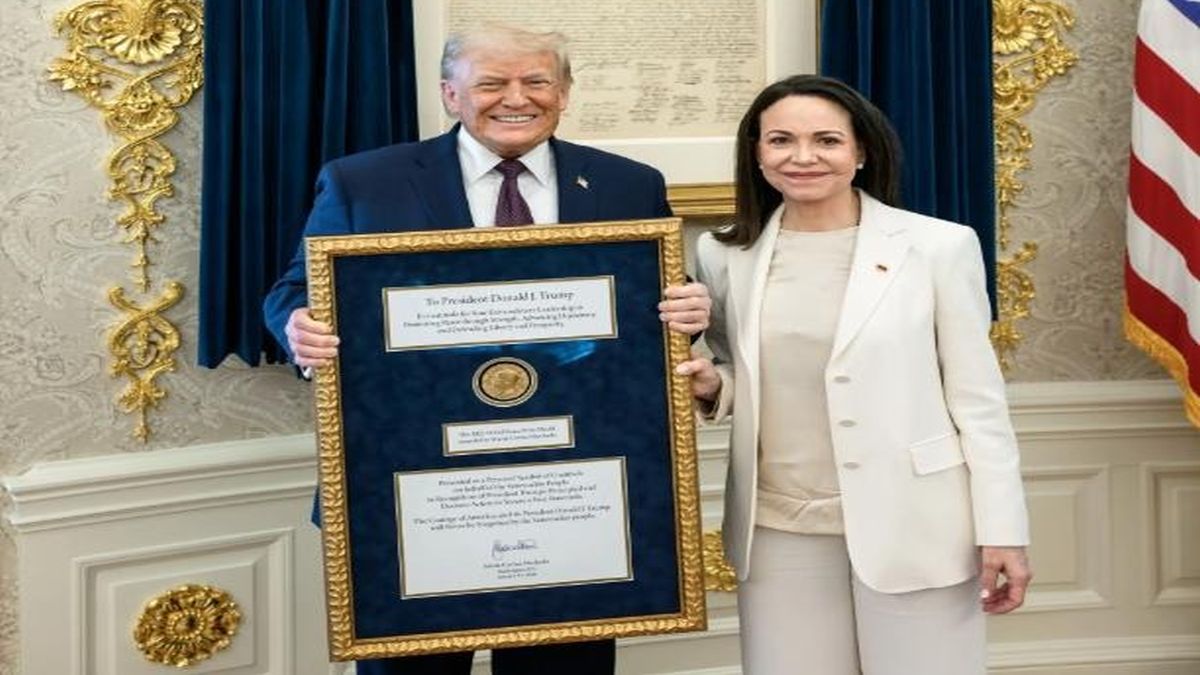 "The Nobel meet: Trump gets the medal not honour, Machado has the title not power")
 "Trump appoints Rubio, Kushner & 'contentious' Blair to Gaza ‘board of peace’")
 "Trump officials warn that Canada will regret EV deal with China, blocking vehicles from entering US")



