

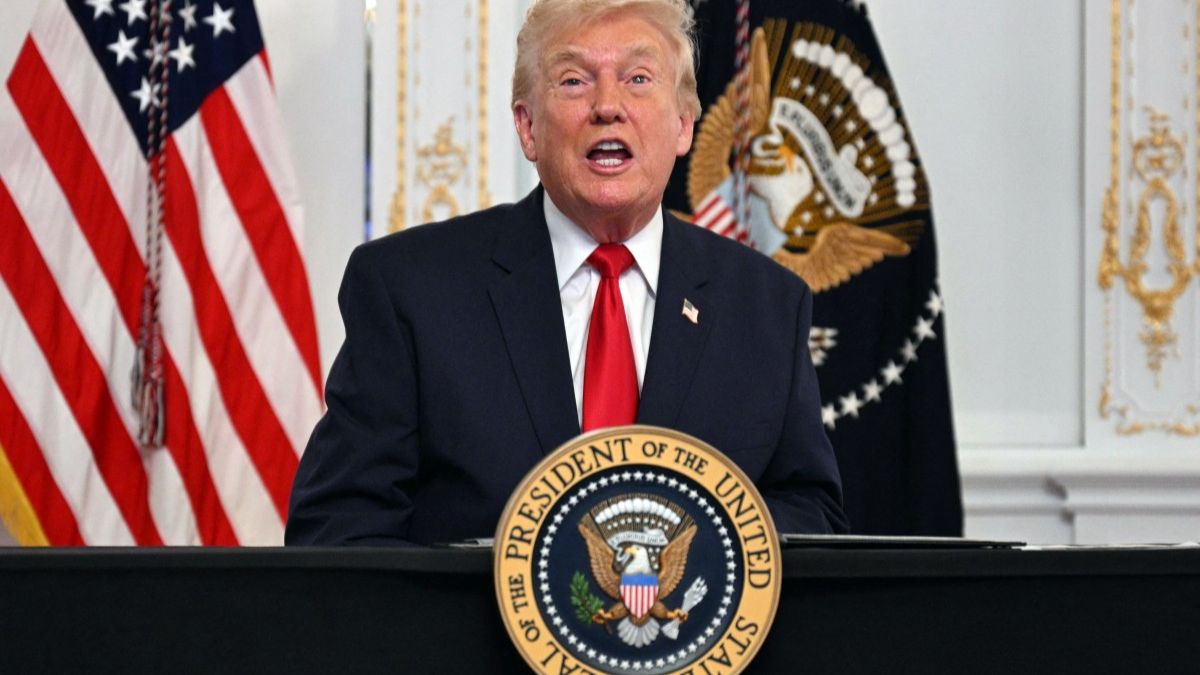
 "A curious case of Trump's anti-drug claims: He pardons over 100 traffickers")
The contrast between President Trump’s vow to confront America’s drug crisis and his extensive use of clemency for drug offenders has become increasingly stark, forming a striking backdrop to his latest wave of pardons.
Framed by this pattern, President Donald Trump began his year in office by pardoning Ross Ulbricht, the founder of Silk Road who had been convicted for operating what was then the largest online marketplace for illegal drugs and other illicit goods. In the months that followed, he extended clemency to additional high-profile figures, including Chicago gang leader Larry Hoover and Baltimore drug kingpin Garnett Gilbert Smith, according to The Washington Post.
Last week, he pardoned former Honduran president Juan Orlando Hernández, who had received a 45-year sentence for running his country as a “narco-state” that helped to move at least 400 tons of cocaine into the United States.
According to the Post analysis, Trump has pardoned or granted clemency to at least 10 people for drug-related crimes since the beginning of his second term, having issued almost 90 such pardons or commutations during his first term. The actions come despite his campaign pledges to confront America’s worsening drug crisis and halt the illegal flow of deadly drugs across the border.
Critics question contradictions in drug policy
While exercising broad clemency powers, Trump has also threatened military action against Venezuela over allegations that its government supports the drug trade and has pushed the Pentagon to conduct targeted strikes on boats suspected of smuggling drugs in the Caribbean. These contrasting moves have drawn criticism from Democrats and others who argue that the clemency decisions undermine his stated commitment to get tough on drugs.
Senator Tim Kaine, speaking on the Senate floor, invoked the cases of Ulbricht and Hernández as he questioned how such pardons protect Americans from narcotics entering the country. Asked about the apparent contradiction, White House press secretary Karoline Leavitt said the pardon of the former Honduran president does not weaken the administration’s rationale for lethal strikes on suspected traffickers. She added that Trump aims to stop illegal narcotics from reaching US borders and to correct what he views as past injustices by a “weaponised Justice Department”.
Quick Reads
View AllWhite House spokeswoman Abigail Jackson said Trump had exercised his constitutional authority and criticised former president Joe Biden, repeating unfounded claims that Biden’s staff used an autopen to sign pardons without his knowledge.
Clemency surge fuels lobbying boom
Trump has issued far more pardons this year than during his first term, extending clemency to almost all of the approximately 1,500 defendants charged in the 6 January 2021 US Capitol attack, as well as about a dozen members of Congress, mostly Republicans, including Representative Henry Cuellar of Texas, who had been charged with bribery, money laundering and conspiracy. By comparison, Trump granted clemency to more than 230 people during his first term, only two of them in his first year.
The surge in pardons has spurred a lucrative lobbying industry. Public filings show that lobbyists have spent more than 2.1 million dollars this year on firms advocating for pardons, clemency and related executive relief, more than double the 2024 total. Records also show that some individuals seeking pardons have paid as much as 1 million dollars to hire people close to the president to press their case.
Experts say the administration’s efforts to strike boats near Venezuela have shown little effect on the flow of drugs into the United States, noting that the route is not typically used for trafficking to the US Most fentanyl-linked drugs, which account for the majority of recent drug deaths, are manufactured in Mexico and smuggled across the land border. The administration has not offered detailed evidence that the boats it has targeted carried drugs bound for the United States.
Although officials have argued that the strikes deter traffickers, Defence Secretary Pete Hegseth said last week that operations had paused because there were “hard to find boats to strike”, which he presented as a sign that deterrence was working. Experts say there is no available evidence confirming a decline in trafficking. Georgetown University drug policy professor Regina LaBelle remarked that “drug trafficking is like water; it’s going to find a way to get in.”

 "Why is Mexico raising tariffs on Indian goods? How big will the impact be?")
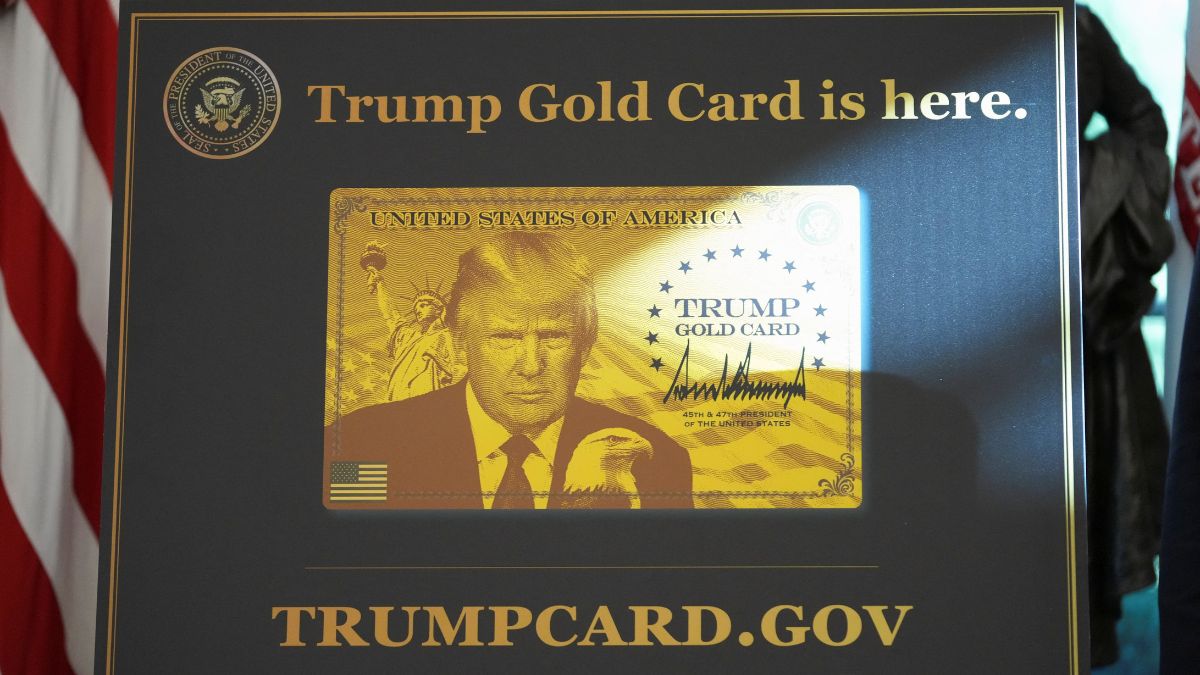 "Trump Gold Card is here: Which US visa does it replace? How does it differ from green card?")
 "Delhi court denies anticipatory bail to Luthra brothers in Goa nighclub fire case")
 "Pakistani military court sentences ex-ISI chief Faiz Hameed to 14 years")
 "Why is Mexico raising tariffs on Indian goods? How big will the impact be?")
 "Trump Gold Card is here: Which US visa does it replace? How does it differ from green card?")
 "Delhi court denies anticipatory bail to Luthra brothers in Goa nighclub fire case")
 "Pakistani military court sentences ex-ISI chief Faiz Hameed to 14 years")



