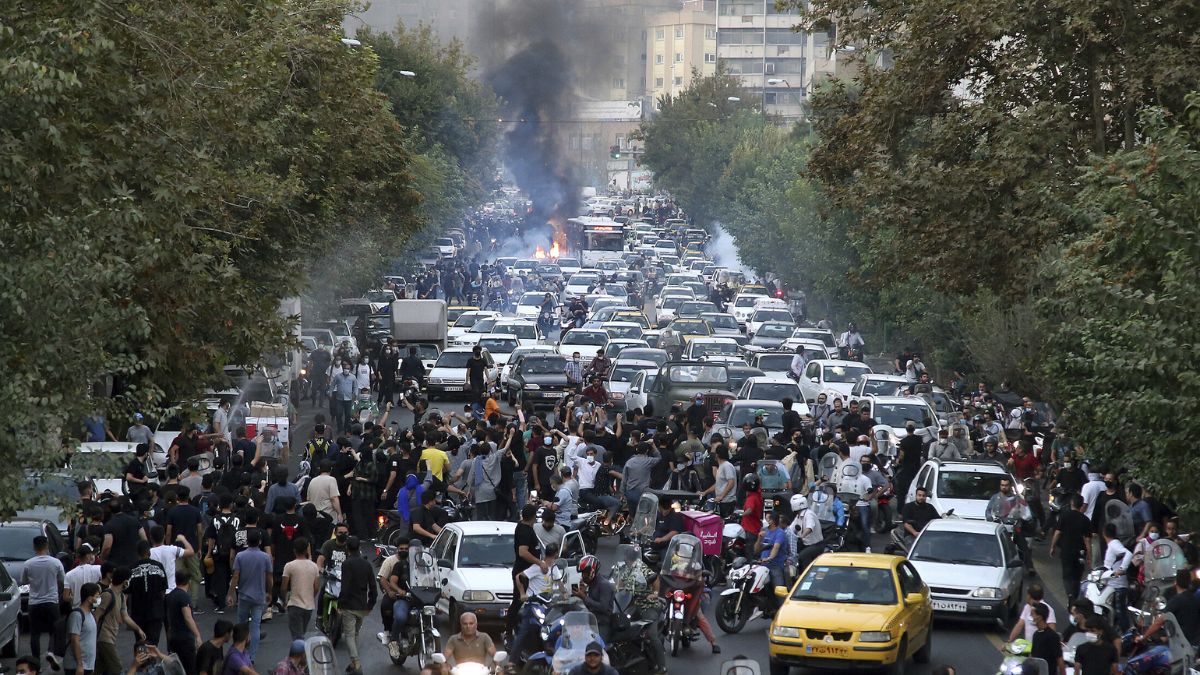
 "7 dead in Iran protests: 3 ways Ayatollah regime is responding to economic unrest")
At least seven people have died in Iran as nationwide protests over worsening economic conditions continue to spread across multiple cities and rural provinces. What began as demonstrations by Tehran shopkeepers and small business owners frustrated by the collapse of the Iranian rial has grown into a wider movement with citizens from various walks of life taking to the streets.
Many protesters are now demanding the ouster of the cleric-led regime, citing deepening public discontent over economic mismanagement and social inequities. The protests come amid soaring inflation, sharp declines in purchasing power and frustration over state-controlled subsidy systems that have failed to alleviate the financial strain on ordinary Iranians.
In an attempt to quell unrest while maintaining political control, the government has adopted a multi-pronged approach, combining promises of reform, administrative reshuffles and temporary shutdowns of public services.
Anti-corruption drive
One of the regime’s primary strategies has been a high-profile anti-corruption campaign. President Masoud Pezeshkian has vowed to crack down on smuggling, rent-seeking and bribery, targeting entrenched networks that have long benefited from state subsidies.
Officials have also suggested that citizens may soon receive direct financial support instead of relying on subsidised foreign currency allocations, a system that has largely failed to stabilise the economy.
Analysts say these measures are intended to placate protesters by addressing the root causes of economic frustration, while carefully preserving the clerical leadership’s hold on power. By publicly taking aim at corruption and promising reform, the government hopes to signal responsiveness without fundamentally altering the existing political structure.
Central bank chief fired
The cleric-led administration has also sought to demonstrate accountability through personnel changes in its economic apparatus. Reports indicate that senior central bank officials and other top economic advisers have been removed or reassigned. These moves serve a dual purpose: projecting an image of responsiveness to citizens’ grievances, and warning that further mismanagement or opposition to government directives may carry consequences.
Such high-level firings are a familiar tactic in Tehran’s playbook, providing a visible gesture of accountability while leaving systemic issues largely unaddressed. The reshuffles come alongside stern warnings from authorities against “disruptive elements,” reflecting the government’s ongoing balancing act between appeasement and deterrence.
Quick Reads
View AllGovernment shutting down public services
In a more direct response to the protests, the regime has temporarily closed public buildings and government offices in several cities, while deploying security forces to confront demonstrators. Clashes between police and protesters have intensified, leaving at least seven dead and dozens more injured or arrested. The unrest has drawn participants from across society, including students, traders and rural residents, illustrating the widespread anger over economic hardship.
Authorities insist on dialogue and national unity, but the visible security presence underscores a willingness to use coercion to contain the demonstrations. This “carrot-and-stick” approach, combining promises of reform and administrative action with targeted force — encapsulates Tehran’s strategy to manage both the economic crisis and the growing political dissent challenging the Ayatollah regime.
International observers have expressed concern over the crackdown on demonstrators, while some foreign policymakers have warned of the risks of prolonged unrest destabilising the region. The Iranian regime, facing mounting domestic pressure and limited foreign options, appears determined to maintain control through a careful balance of concessions and suppression.
The coming weeks will likely determine whether Tehran can stabilise the situation or if the protests mark the beginning of sustained, large-scale opposition to clerical rule. For now, the dual approach of anti-corruption pledges, administrative firings, and public service shutdowns illustrates the regime’s attempt to manage both economic discontent and political dissent without relinquishing authority.

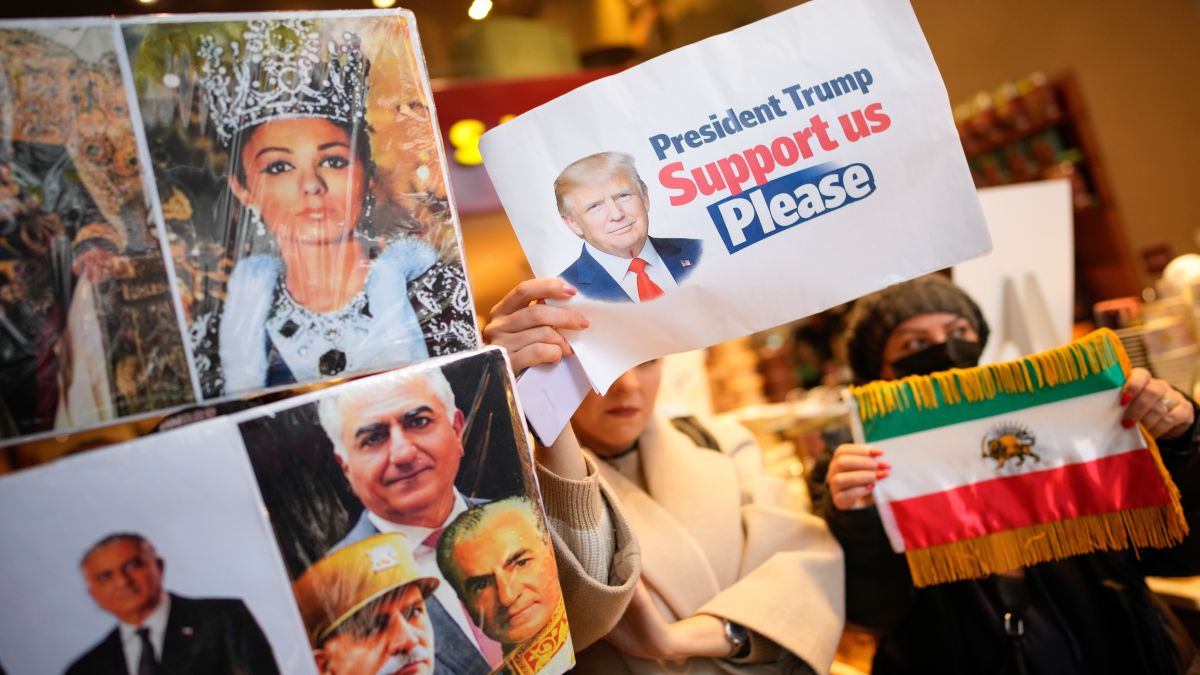 "Trump announces 25% tariff on Iran’s trading partners. How India may be affected")
 "India, US to resume BTA talks after 5 months as Gor pushes for trade deal with 'real friends'")
 "ICC sources rubbish Bangladesh sports adviser’s sensational claim of BCB being asked to drop Mustafizur")
 "Jerome Powell: The 'Fed chair with a spine' taking on Trump")
 "Trump announces 25% tariff on Iran’s trading partners. How India may be affected")
 "India, US to resume BTA talks after 5 months as Gor pushes for trade deal with 'real friends'")
 "ICC sources rubbish Bangladesh sports adviser’s sensational claim of BCB being asked to drop Mustafizur")
 "Jerome Powell: The 'Fed chair with a spine' taking on Trump")