

 "'Time Away': TikTok enables parents to set screen time limits for teens")
TikTok on Tuesday said that parents will now be able to limit screen times for teen users to prevent overexposure to the app. The move also comes at a time when the Chinese-based video-sharing app has been met with claims that excessive screen time is damaging adolescents’ mental health.
TikTok’s update follows in the footsteps of competitor Instagram, owned by Facebook parent company Meta, which launched a similar feature several months ago.
Meanwhile, US President Donald Trump has said that the US is talking to four different groups about a possible sale of TikTok after the app managed to evade a ban that would have cost millions of users.
TikTok’s fate has been up in the air since a law requiring its owner ByteDance to either sell it on national security grounds or face a ban took effect on January 19. Trump, after taking office on January 20, signed an executive order seeking to delay by 75 days the enforcement of the law.
How will parental control work?
The feature, set for immediate launch in the EU with the US to follow later, allows parents to set time limits or establish time windows for being on TikTok, the company said in a statement on its website.
Once activated, teens would not be able to get around TikTok’s “Time Away” feature without their parents deactivating it from their own account.
TikTok’s changes come as it is under scrutiny across the EU and further afield for its impact on teens and for its potential use to interfere in elections.
‘Mediation’ feature
The app has also announced that it would launch another feature in the coming weeks that would allow parents to see their kids’ following list as well as who follows them and who have they blocked.
And under-16s will be offered a “Meditation” function after 10pm suggesting relaxation exercises accompanied by calming music – although this feature can be switched off by the teen.
With inputs from AFP

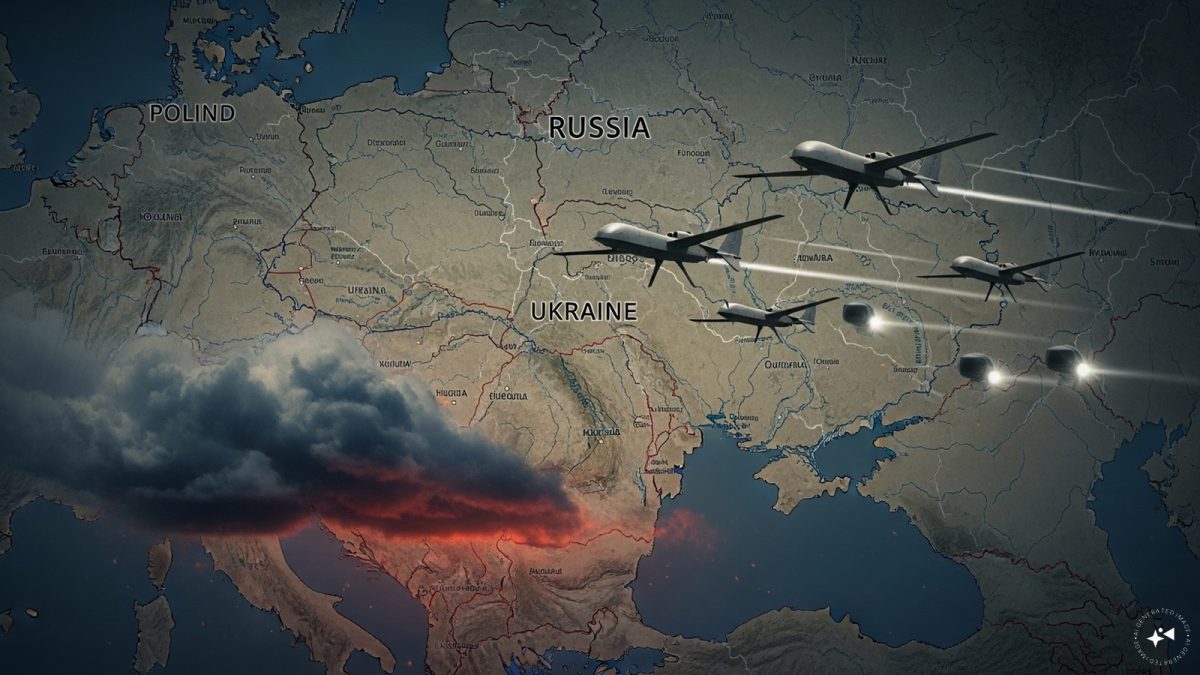 "Russian drones over Poland: Trump’s tepid reaction a wake-up call for Nato?")
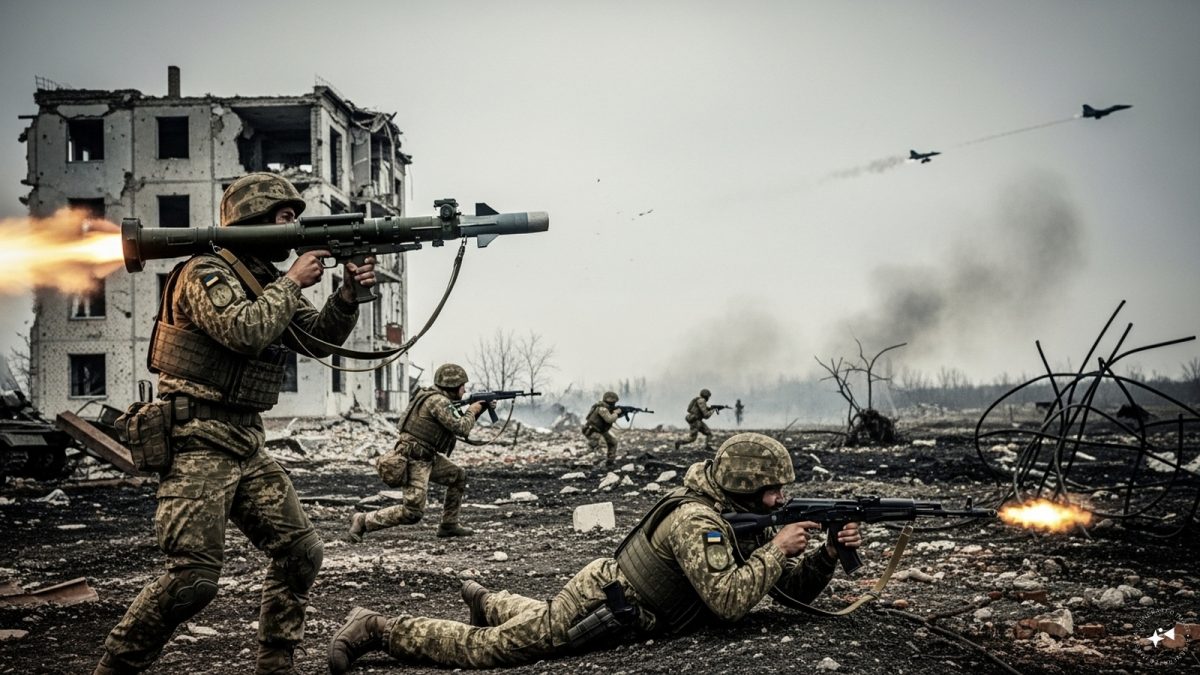 "As Russia pushes east, Ukraine faces mounting pressure to defend its heartland")
 "Why Mossad was not on board with Israel’s strike on Hamas in Qatar")
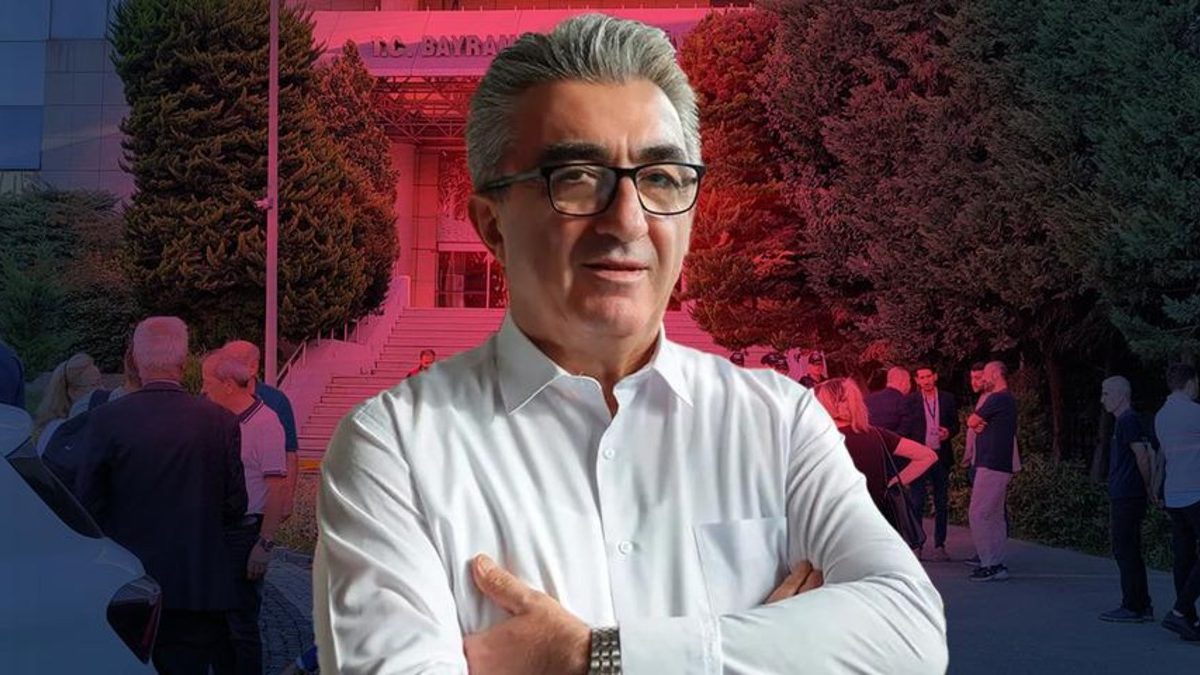 "Turkey: Erdogan's police arrest opposition mayor Hasan Mutlu, dozens officials in corruption probe")
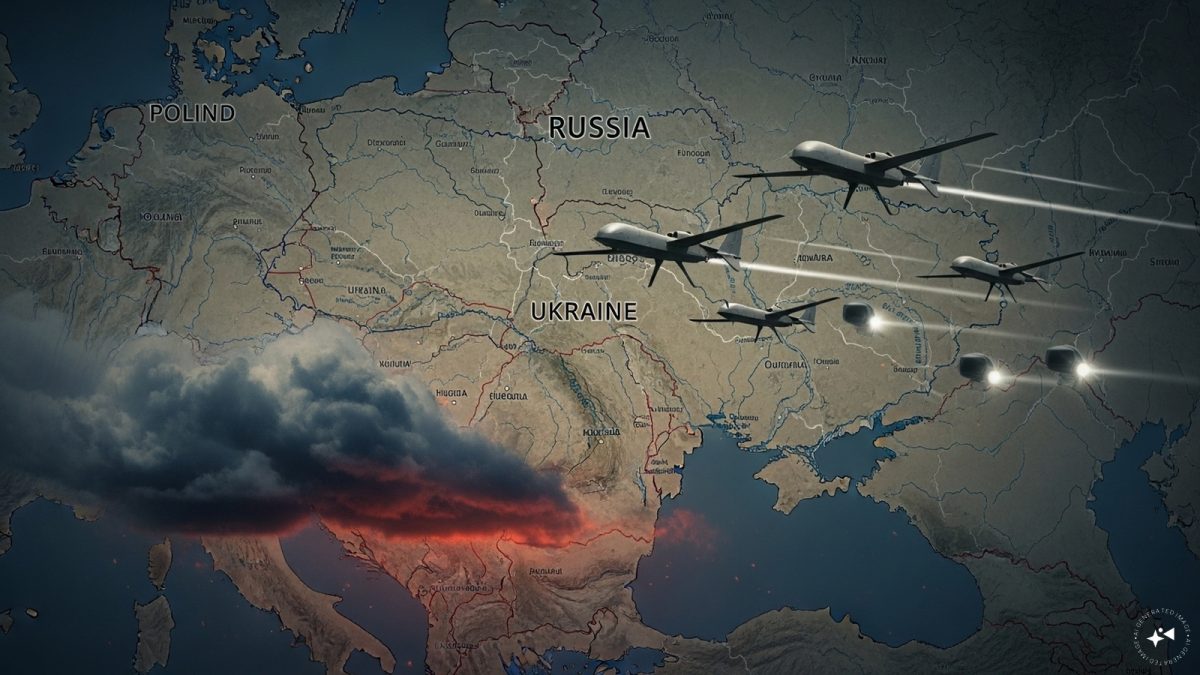 "Russian drones over Poland: Trump’s tepid reaction a wake-up call for Nato?")
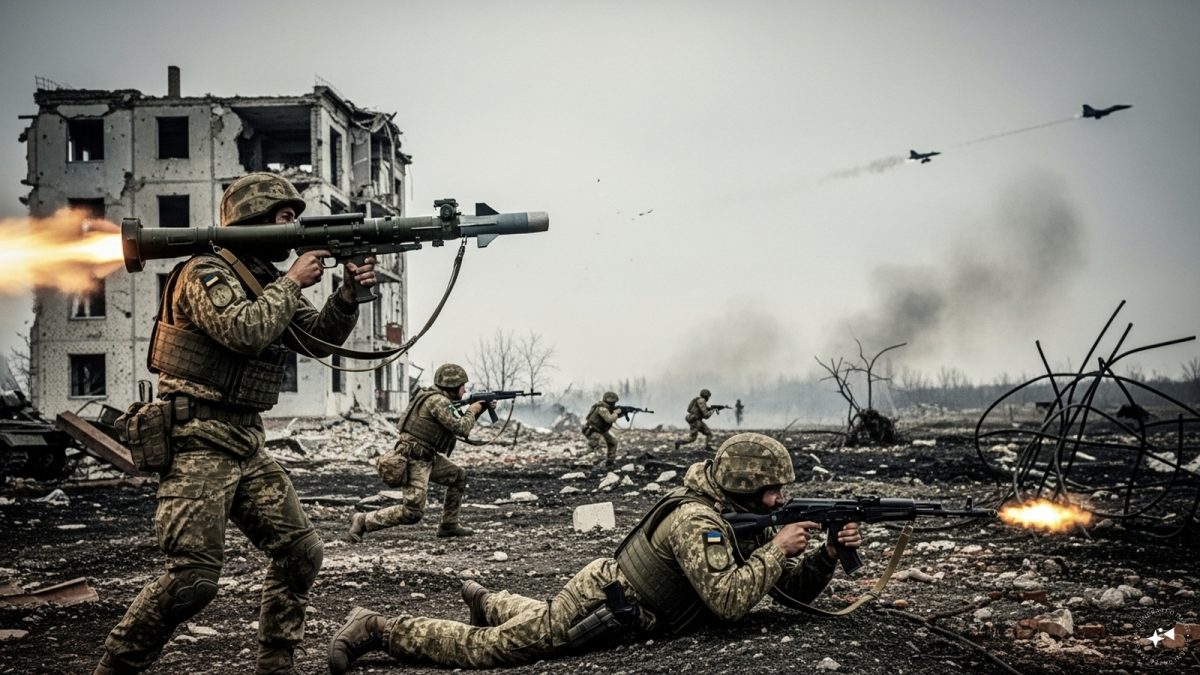 "As Russia pushes east, Ukraine faces mounting pressure to defend its heartland")
 "Why Mossad was not on board with Israel’s strike on Hamas in Qatar")
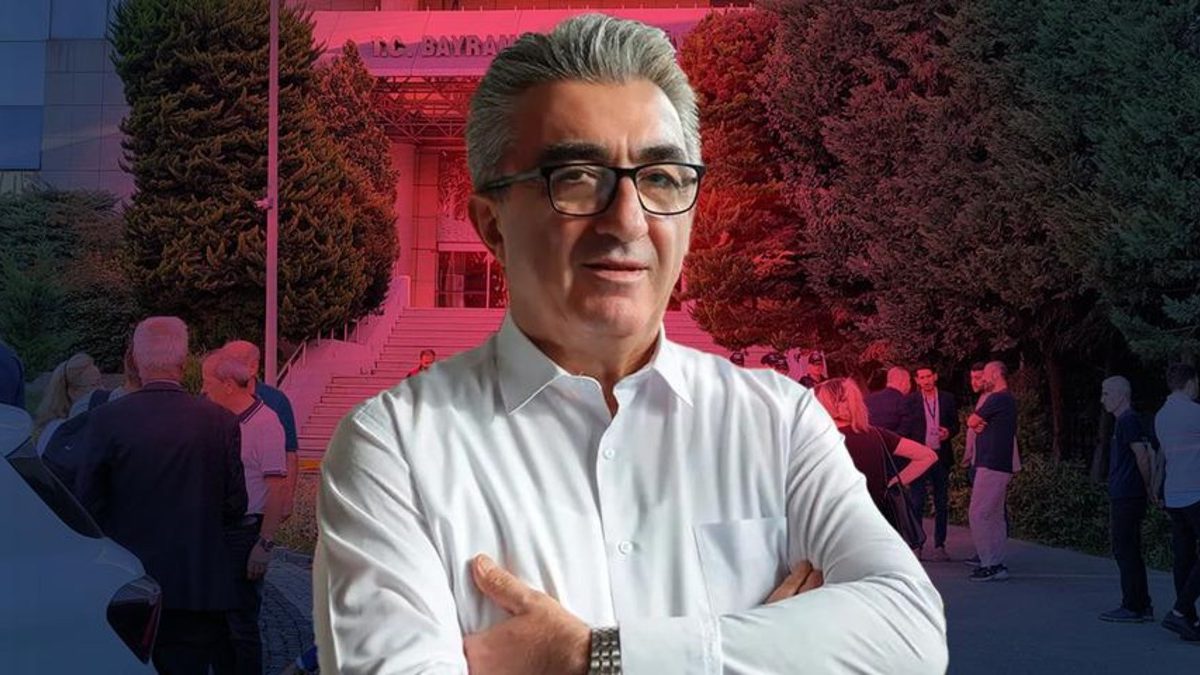 "Turkey: Erdogan's police arrest opposition mayor Hasan Mutlu, dozens officials in corruption probe")



