

 "Sexi-fication of AI? Here's why OpenAI gave ChatGPT a sexy, flirtatious persona")
OpenAI’s latest creation, GPT-4o, dubbed “omni” for its all-encompassing capabilities, marks a significant leap forward in chatbot technology.
Unlike its predecessors, GPT-4o simulates human interaction, offering advice, rating jokes, and engaging in banter. Described by OpenAI CEO Sam Altman as resembling “AI from the movies,” this advancement brings chatbots closer to human-like responsiveness and expressiveness.
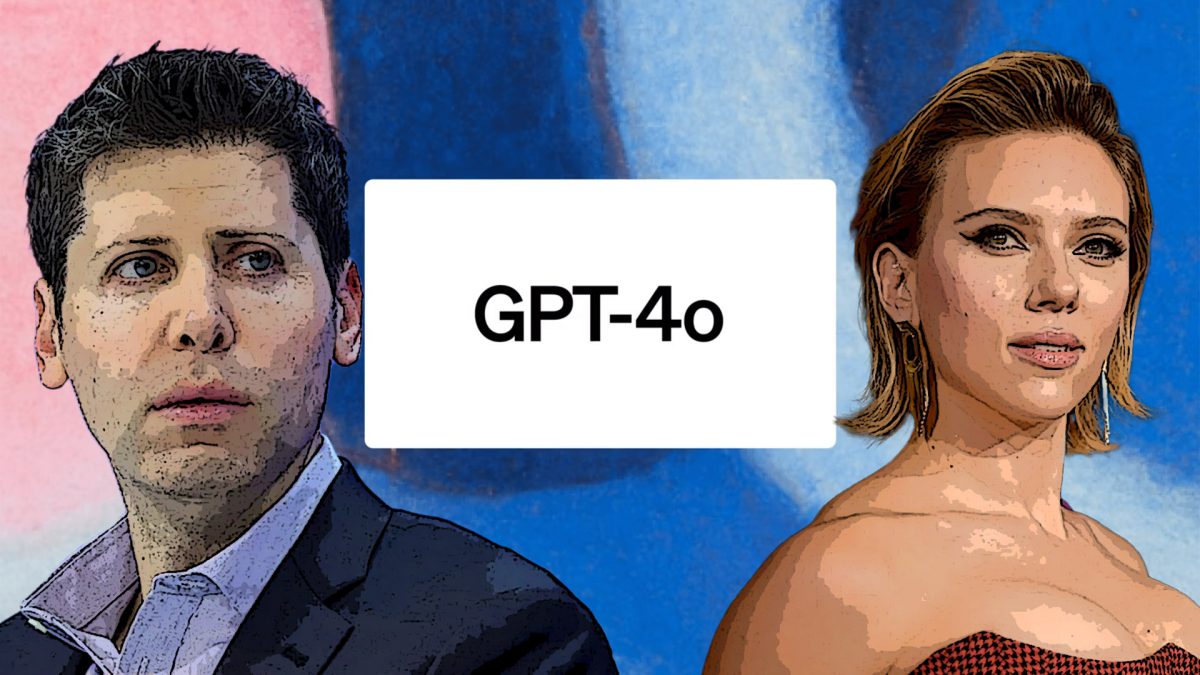
Altman’s reference to the movie “Her,” where a character falls in love with an AI, resonates in GPT-4o’s demonstrations, with its mannerisms similar to that of the AI chatbot voiced by Scarlett Johansson.
However, concerns do come, regarding the bot’s flirtatious and coquettish behaviours, particularly when its interactions take on a seductive tone.
Tech analyst Nick St Pierre, speaking to the Guardian, expressed his unease about GPT-4o’s flirtatiousness. He says it echoes broader discussions on the social and psychological impact of AI assistants and why they are made to resemble submissive young women who cater to users’ desires.
This concern isn’t new; previous voice assistants like Siri and Alexa have sparked debates about reinforcing gender stereotypes. People usually demand these assistants do certain things, instead of asking them to.
Reports from UNESCO have highlighted that voice assistants like GPT-4o, with their flirtatious and submissive characteristics, not only shape user behaviour but also reinforce societal norms regarding gender roles. By portraying women as compliant and eager to please, AI systems can contribute to a culture that devalues women’s agency.
Despite some efforts by big tech to offer more diverse voice options, GPT-4o’s introduction suggests a lack of attention to addressing gender bias in AI.
OpenAI’s male-dominated leadership raises questions about the company’s commitment to gender inclusivity. The absence of women on its board until recently and a lack of consideration for gender implications in AI development underscore persistent issues in the tech industry.
Impact Shorts
More ShortsThe launch of GPT-4o certainly brings back the discussions about misogyny in tech and how tech companies have failed to address bias in the digital world.
Furthermore, the impact of gendered AI extends beyond individual interactions to broader societal attitudes and expectations. When users become accustomed to interacting with AI assistants in a manner that mirrors traditional gender dynamics, it can influence their perceptions and behaviours in real-life interactions with women.
Addressing gender bias in AI requires a multifaceted approach that involves diverse representation in AI development teams, rigorous testing for bias and stereotyping, and ongoing dialogue about the ethical implications of AI technologies.
It’s not enough for developers to create AI systems that mimic human behaviour; they must also consider the social and ethical ramifications of their creations.
Ultimately, the introduction of GPT-4o serves as a reminder of the importance of critically examining the societal impact of AI technologies.
While AI has the potential to revolutionise various aspects of our lives, it has to be developed and deployed in a manner that promotes inclusivity, diversity, and social progress.

 "Russian drones over Poland: Trump’s tepid reaction a wake-up call for Nato?")
 "As Russia pushes east, Ukraine faces mounting pressure to defend its heartland")
 "Why Mossad was not on board with Israel’s strike on Hamas in Qatar")
 "Turkey: Erdogan's police arrest opposition mayor Hasan Mutlu, dozens officials in corruption probe")
 "Russian drones over Poland: Trump’s tepid reaction a wake-up call for Nato?")
 "As Russia pushes east, Ukraine faces mounting pressure to defend its heartland")
 "Why Mossad was not on board with Israel’s strike on Hamas in Qatar")
 "Turkey: Erdogan's police arrest opposition mayor Hasan Mutlu, dozens officials in corruption probe")



