

 "Sun might not be as quiet as scientists thought during the passive, calm period of its cycle")
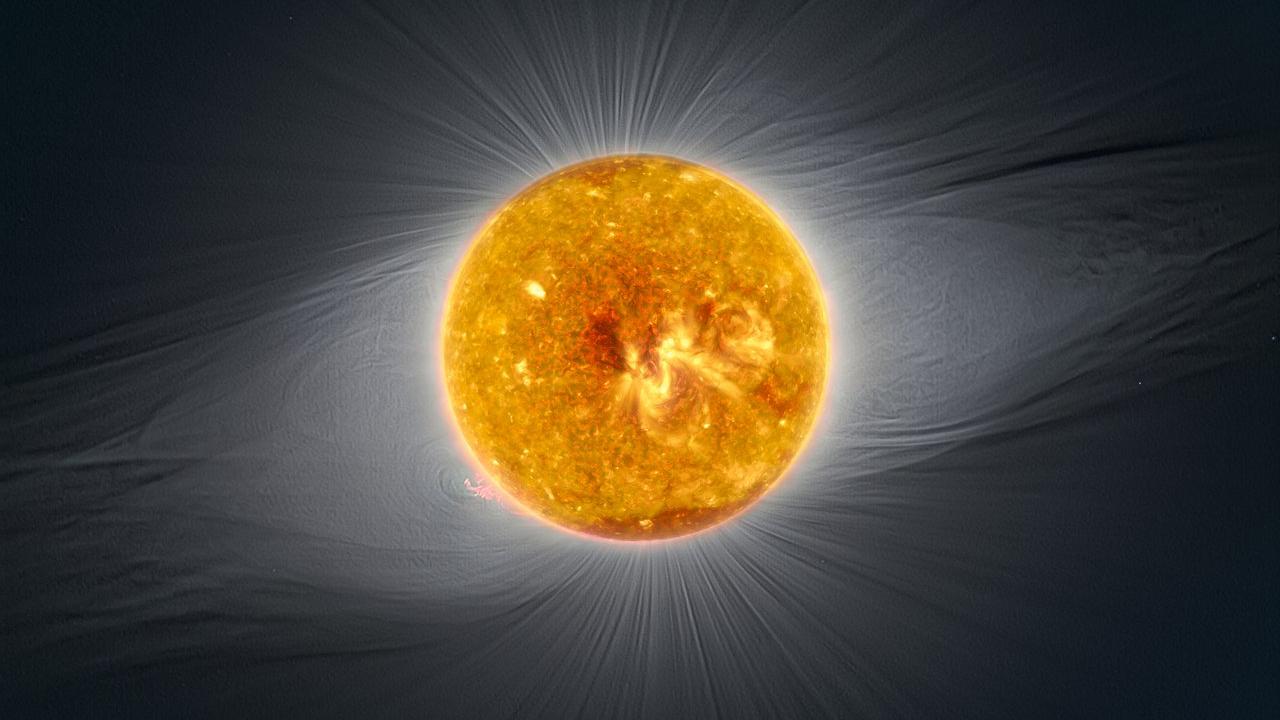
Solar activity varies in 11-year cycles. As the activity cycle switches to a new one, the Sun is usually very calm for several years. For a long time, researchers have believed that there is not much of interest going on in the Sun during the passive period, therefore not worth studying. Now, this assumption is showed to be false by Juha Kallunki, Merja Tornikoski and Irene Bjorklund, researchers at Metsahovi Radio Observatory in Finland, in their peer-reviewed research article published in Solar Physics. [caption id=“attachment_8573251” align=“alignnone” width=“1280”] This image combines a photograph from La Silla in visible light, with ultraviolet data from NASA’s SOHO spacecraft’s instruments, and four filters from Solar Dynamics Observatory’s instruments. Image: ESO[/caption]
Not all phenomena could be explained ― yet
The researchers reached their conclusion by examining the solar radio maps detected by the Metsahovi Radio Observatory and comparing them with the data collected by a satellite observing the Sun in the ultraviolet range. The solar maps showed active areas, or radio brightenings, which can be observed on the maps as hotter areas than the rest of the solar surface. According to researchers, there are three explanations for radio brightenings. First, some brightenings were observed in the polar areas on the solar maps that could be identified as coronal holes. Particle flows, or solar winds, ejected by coronal holes can cause auroras when they reach the Earth’s atmosphere. The corona is the outer atmosphere of the Sun. Second, the researchers observed brightenings from which, based on other observations, ejections of hot material from the surface of the Sun could be detected. Third, radio brightenings were found in areas where, based on satellite observations, strong magnetic fields were detected. Researchers also found radio brightenings in some areas where no explanatory factor was found on the basis of satellite observations. “The other sources used did not explain the cause of the brightening. We don’t know what causes those phenomena. We must continue our research,” Kallunki says. Additional observations and research are also needed to predict whether the phenomena of the solar minimum indicate something about the next active period, about its onset and intensity, for example. Each one of the last four cycles has been weaker than the previous one. Researchers do not know why the activity curves do not rise as high as during the previous cycles. “Solar activity cycles do not always last exactly 11 years, either,” explains Merja Tornikoski. “A new activity period will not be identified until it is already ongoing. In any case, these observations of the quiet phase we are now analysing are clearly during a period when activity is at its lowest. Now we are waiting for new rise inactivity.”
Solar storms can cause danger
On Earth, solar activity can be seen as auroras, for example. Solar activity can even cause major damage, as solar storms caused by solar flares can damage satellites, electricity networks and radio frequency communications. Research helps to prepare for such damage. “In solar storms, it takes two to three days before the particles hit the Earth. They reach satellites higher up in orbit much faster, which would leave us even less time to prepare for damage,” Kallunki points out. Located in Kirkkonummi, Finland, Aalto University Metsahovi is the only astronomical radio observatory and continuously operational astronomical observation station in Finland. Metsahovi is internationally known for its unique, continuous datasets, including a solar monitoring programme spanning over 40 years that has collected data from scientifically very interesting high radio frequencies. This is possible thanks to the exceptionally precise mirror surface of the Metsahovi radio telescope.

 "Charlie Kirk, shot dead in Utah, once said gun deaths are 'worth it' to save Second Amendment")
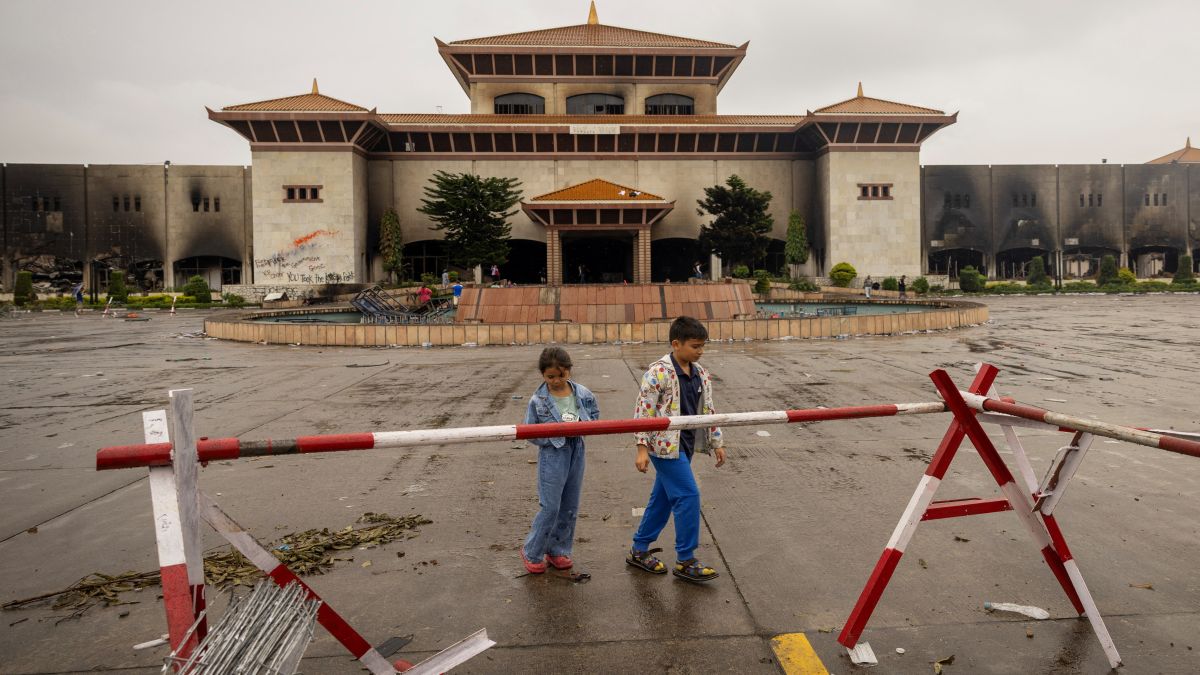 "From governance to tourism, how Gen-Z protests have damaged Nepal")
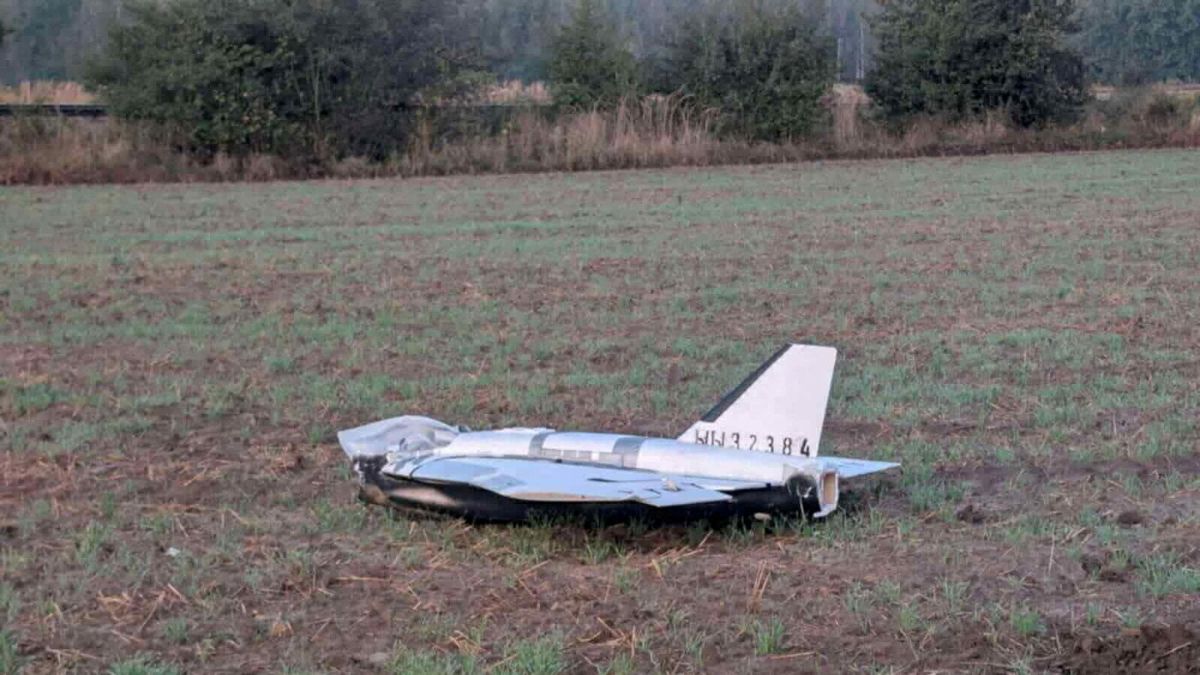 "Did Russia deliberately send drones into Poland’s airspace?")
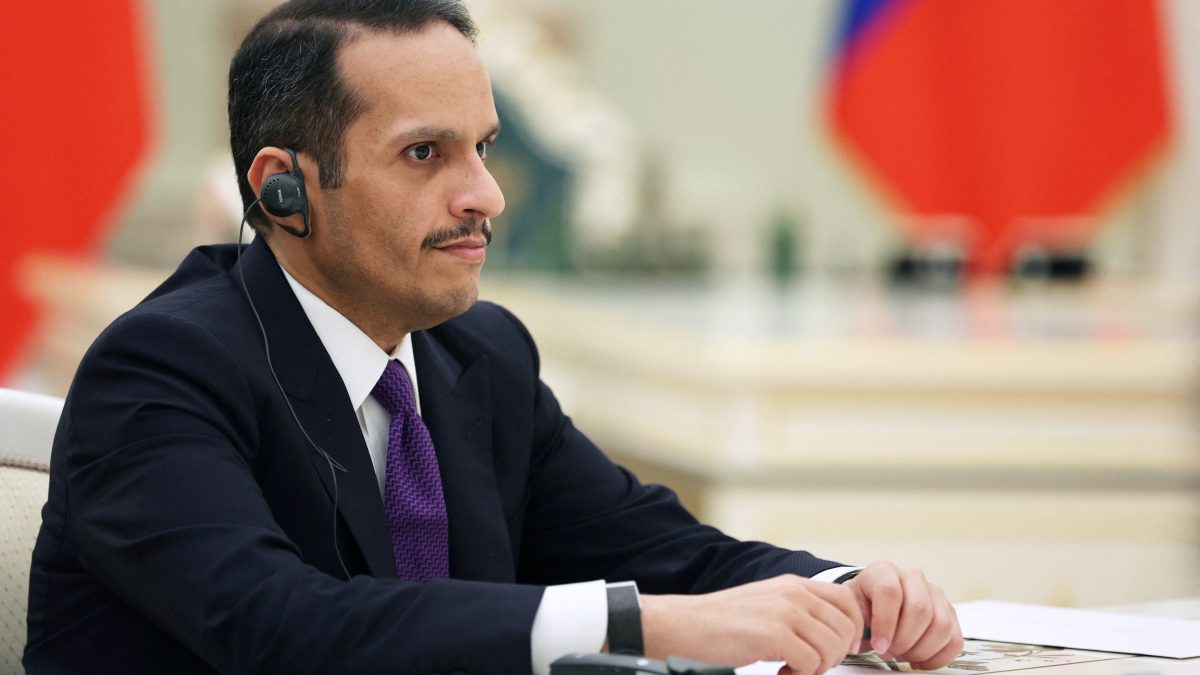 "Netanyahu ‘killed any hope’ for Israeli hostages: Qatar PM after Doha strike")
 "Charlie Kirk, shot dead in Utah, once said gun deaths are 'worth it' to save Second Amendment")
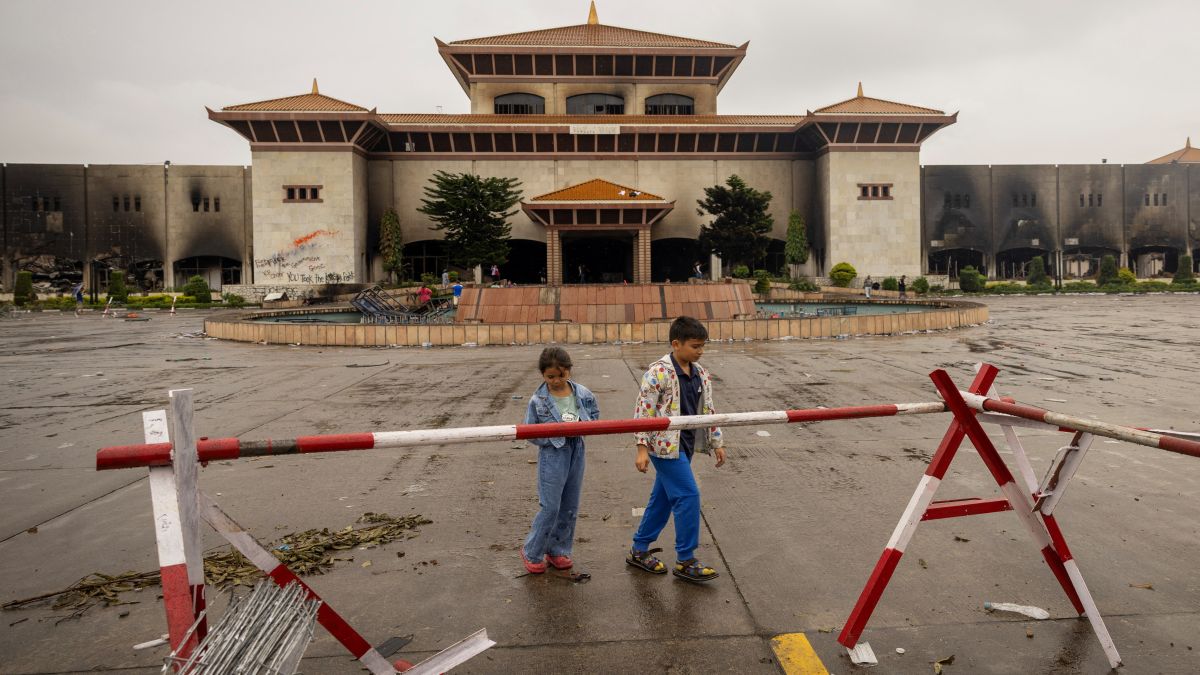 "From governance to tourism, how Gen-Z protests have damaged Nepal")
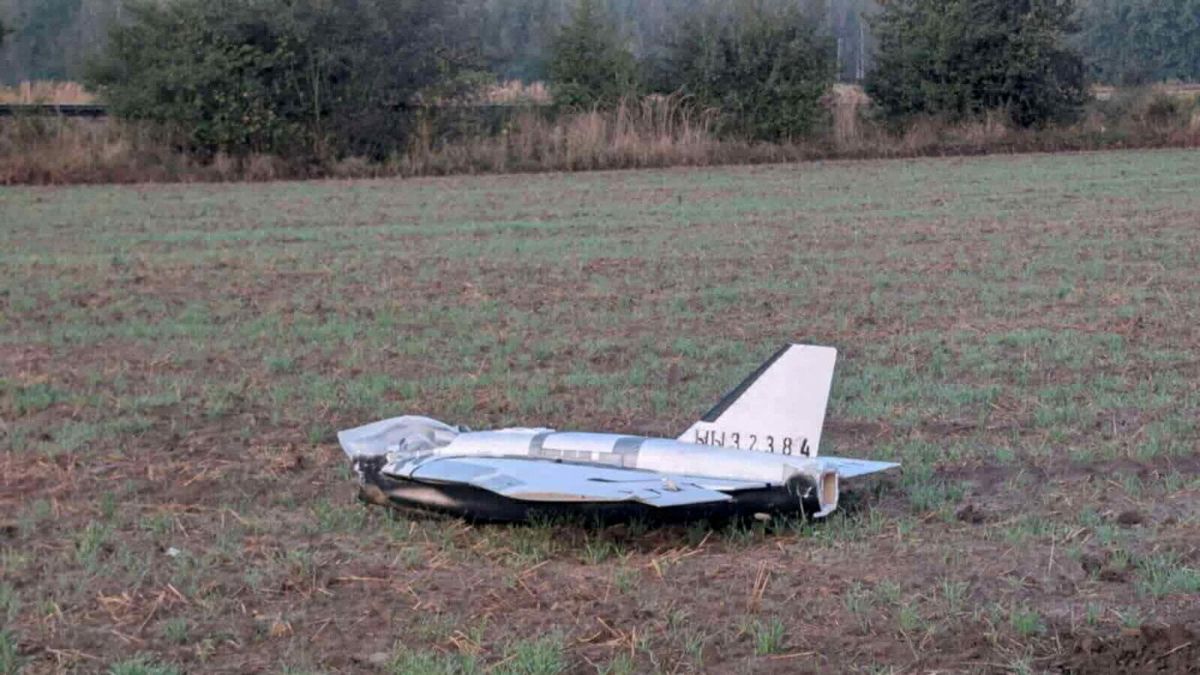 "Did Russia deliberately send drones into Poland’s airspace?")
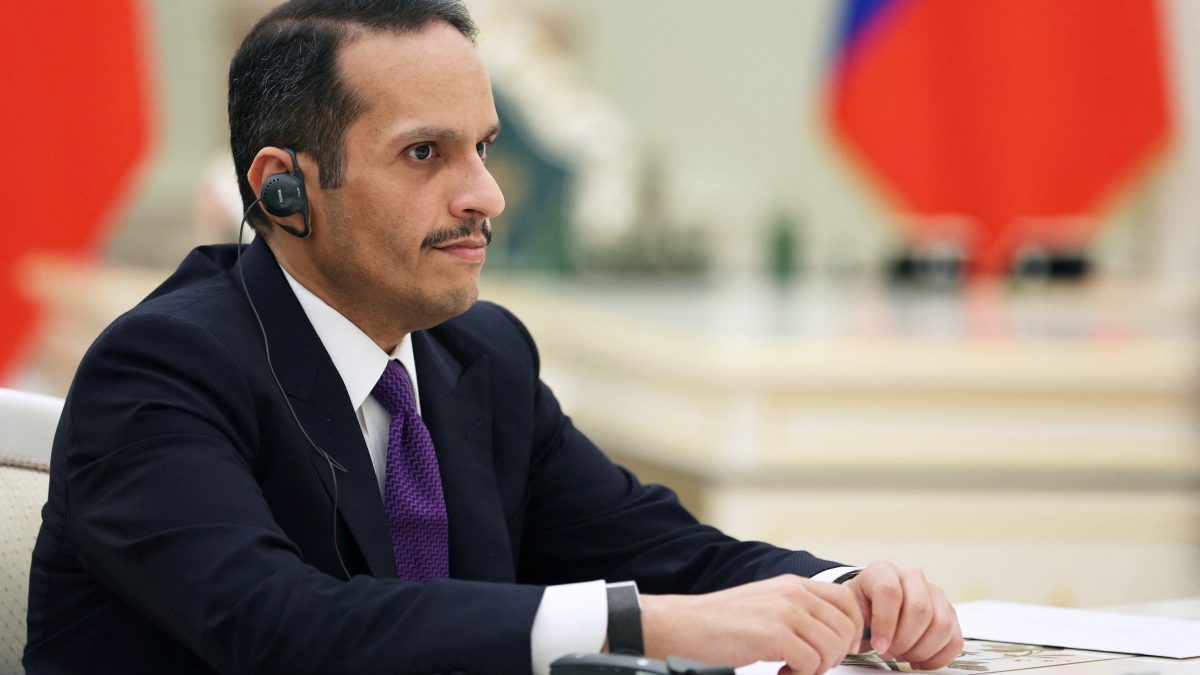 "Netanyahu ‘killed any hope’ for Israeli hostages: Qatar PM after Doha strike")



