

 "Pi Day: Pie puns and jokes apart, here are four reasons Pi is the best constant")
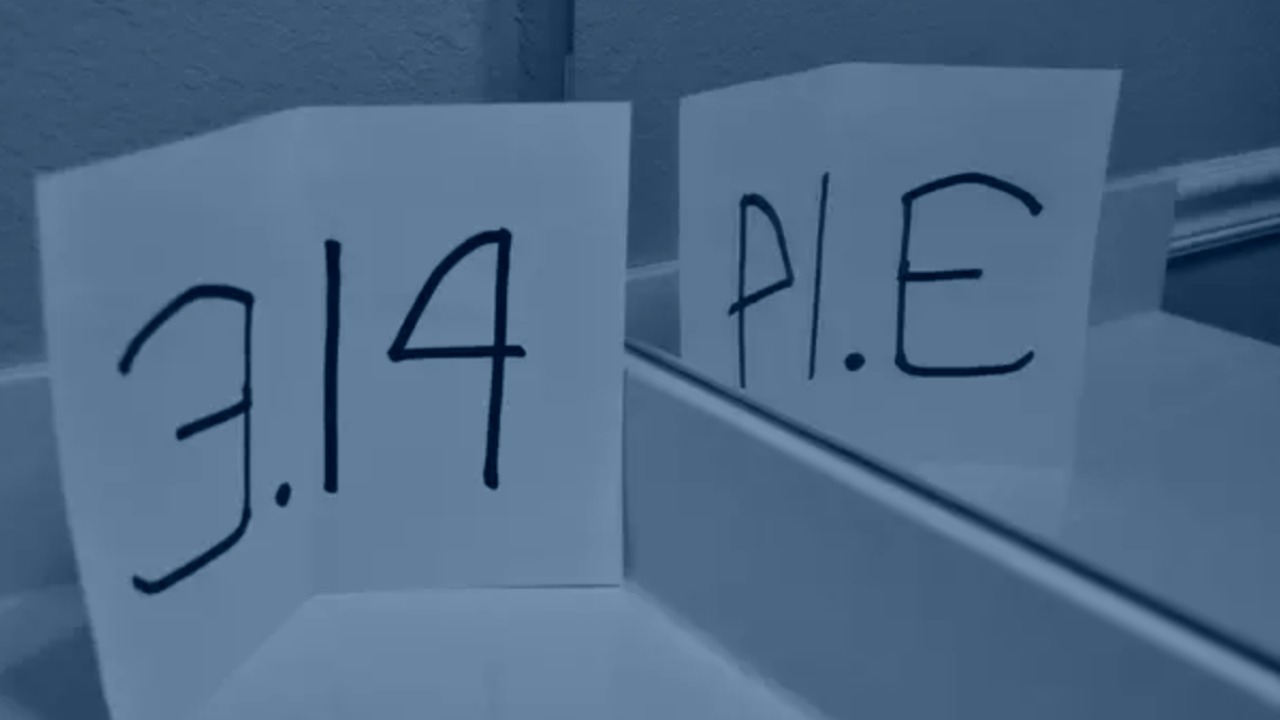
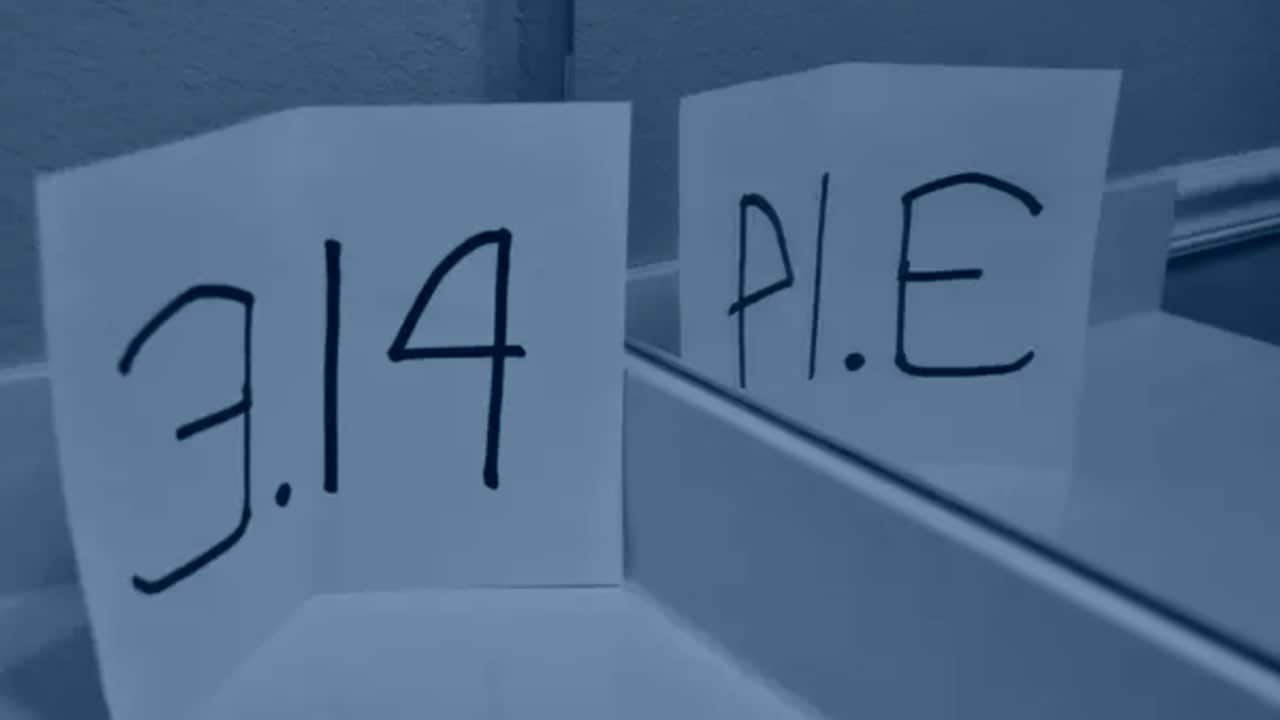
It’s Pi day today! The 14 March… because 3/14 kind of, sort of looks like 3.14 if you squint a little, and then a little more. I know, I know… it isn’t the same thing — far from it, because 3/14 is clearly a fraction and not Pi by any stretch of the number. Whatever. It’s still known as Pi Day. And today is it! [caption id=“attachment_6258331” align=“alignnone” width=“1280”] Pi power.[/caption] The one day of the year when mathematicians probably get discounts at bakeries, cheers at pie-contests and contests over who can recite more digits of pi — infinite that it is. 3.141592653589793238462643383279502884197169399375105820974944592307816406286208 99862803482534211706 Those are the first 100 digits if you’re planning on giving it a go. Jokes apart though, pi really does need popularity and better PR. From school, we’ve learnt that pi is linked with all things circular and round. The ratio of circumference to the diameter which is unchanging in circles anywhere and everywhere. We learnt it by heart, took the IIITJEEs/SATs/GATEs, and then threw the Pi along with all those enormous textbooks and practise tests in the bin (unless you’re in a technician, engineer, or have a kid learning geometry.) [caption id=“attachment_6258251” align=“alignnone” width=“1280”]
 Coincidence? I think not. Image courtesy: Envision[/caption] Here are a handful of different reasons pi is fantabulous and underrated, as Mathematician Steven Strogatz put it in
his ode to Pi in the New Yorker.
Coincidence? I think not. Image courtesy: Envision[/caption] Here are a handful of different reasons pi is fantabulous and underrated, as Mathematician Steven Strogatz put it in
his ode to Pi in the New Yorker.
Pi puts infinity within reach
The digits of pi are endless, and yet its numbers don’t show a pattern or any kind. “They go on forever, seemingly at random—except that they can’t possibly be random, because they embody the order inherent in a perfect circle,” says Strogatz. Pi has a duality, caught between perfect order and total randomness.
Pi touches infinity in other ways too
There are several formulas like this one: 1 – 1⁄3 + 1⁄5 – 1⁄7 + 1⁄9 – 1⁄11 + ⋯ called ‘infinity series’. Not only are they an endless series of numbers or fractions, like pi itself, but the sum of all their numbers also equals pi. These formulae feature odd numbers, and form a bridge between number theory and geometry. “(Pi) joins two seemingly separate mathematical universes, like a cosmic wormhole,” Strogatz said. [caption id=“attachment_6258261” align=“alignnone” width=“1280”] NASA
celebrates Pi day with stories about the role of Pi in space and spaceflight. Image: NASA[/caption]
At the heart of all thing cyclical is Pi
There are many different constants in the sciences and mathematics, but there’s one quality that sets pi apart — its link with cycles. Whether its a process that repeats over and over — a heartbeat, a hip hop rhythm or planets orbiting the Sun — pi has a seat on the table. The world around us has more pis running in the background than we realize. The gentle breathing of a sleeping baby and our body’s sleep-wake cycle are two such examples, both of which can be described using some seriously pi-laden mathematics.
Pi makes waves
Owing to the link Pi has to rhythms and cyclical patterns, it is also rooted in the way waves work. The ripple in a pool of water, tides in the beach, electromagnetic waves that rule wireless communication (hello, 5G!) or supersonic jet engines are some examples. Pi has its two legs in so many natural phenomena and workings of the universe. There’s no running from it. So, today on Pi day, embrace the damn constant. It’s going to be in and around you longer than any darling or lover will.

 "Israel targets top Hamas leaders in Doha; Qatar, Iran condemn strike as violation of sovereignty")
 "Nepal: Oli to continue until new PM is sworn in, nation on edge as all branches of govt torched")
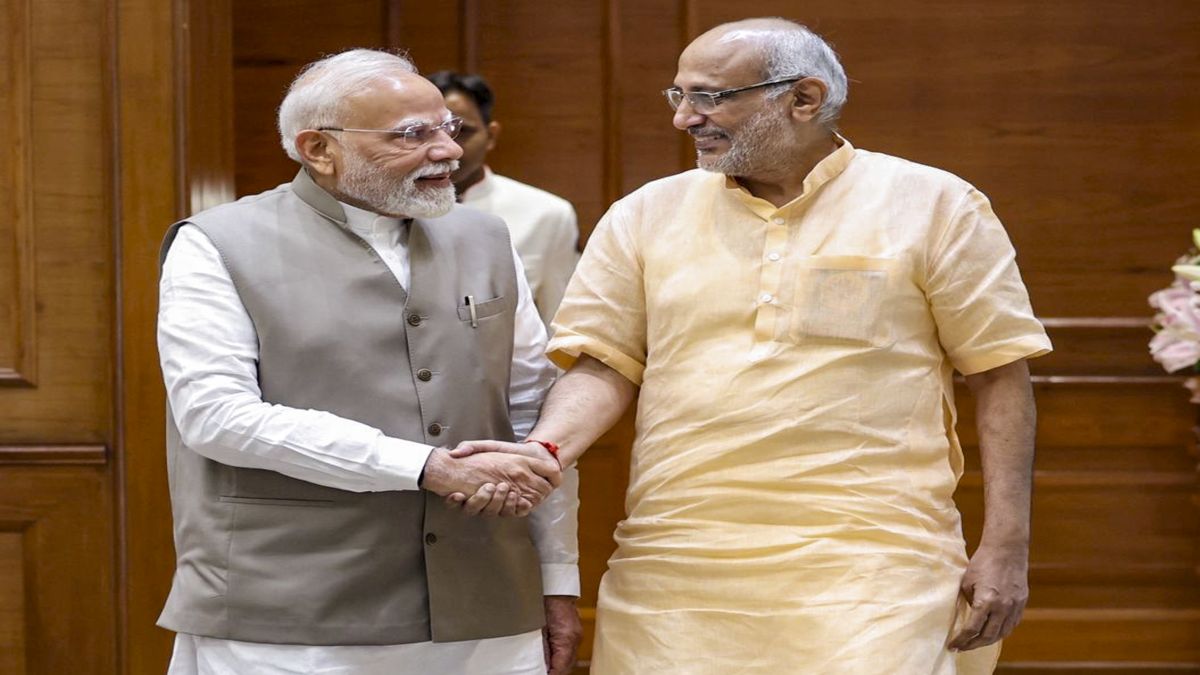 "Who is CP Radhakrishnan, India's next vice-president?")
 "Israel informed US ahead of strikes on Hamas leaders in Doha, says White House")
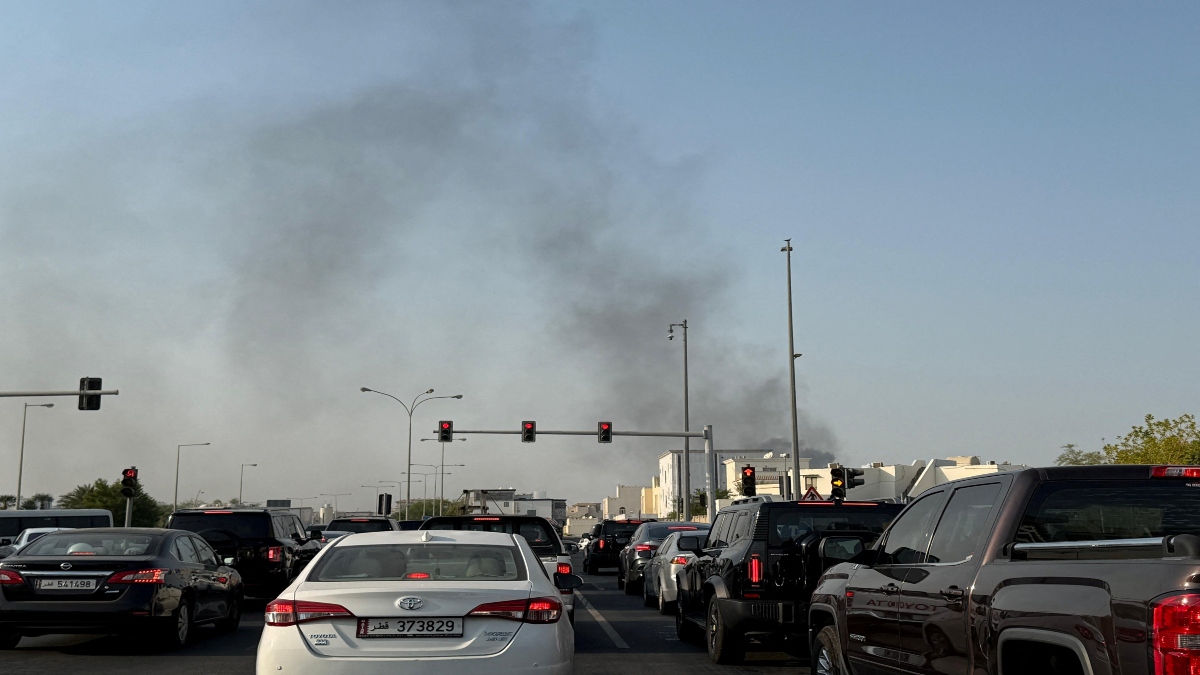 "Israel targets top Hamas leaders in Doha; Qatar, Iran condemn strike as violation of sovereignty")
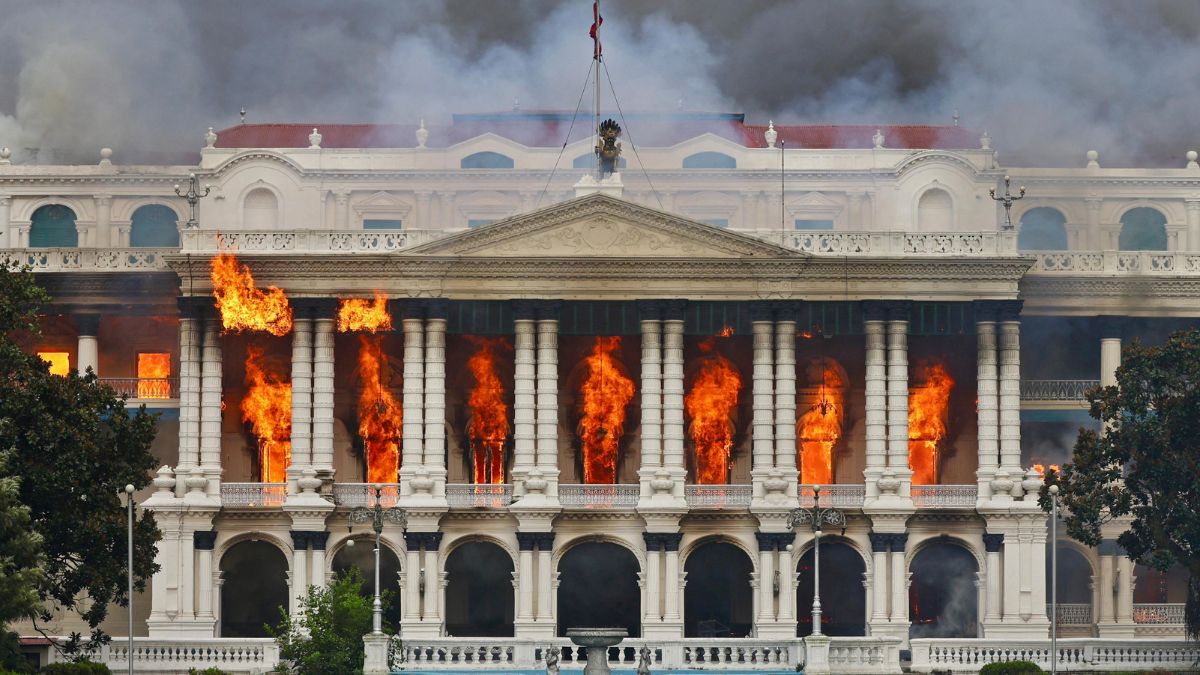 "Nepal: Oli to continue until new PM is sworn in, nation on edge as all branches of govt torched")
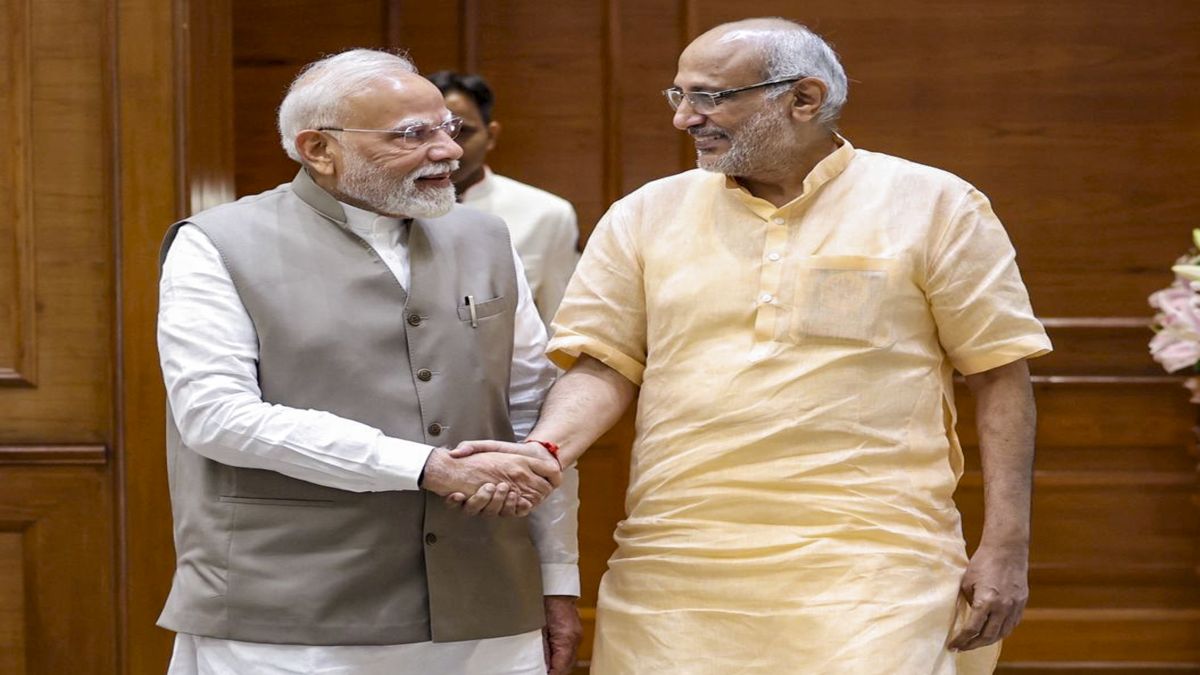 "Who is CP Radhakrishnan, India's next vice-president?")
 "Israel informed US ahead of strikes on Hamas leaders in Doha, says White House")



