

 "NASA's Hubble telescope tracks the lifecycle of giant storms on Neptune's surface")
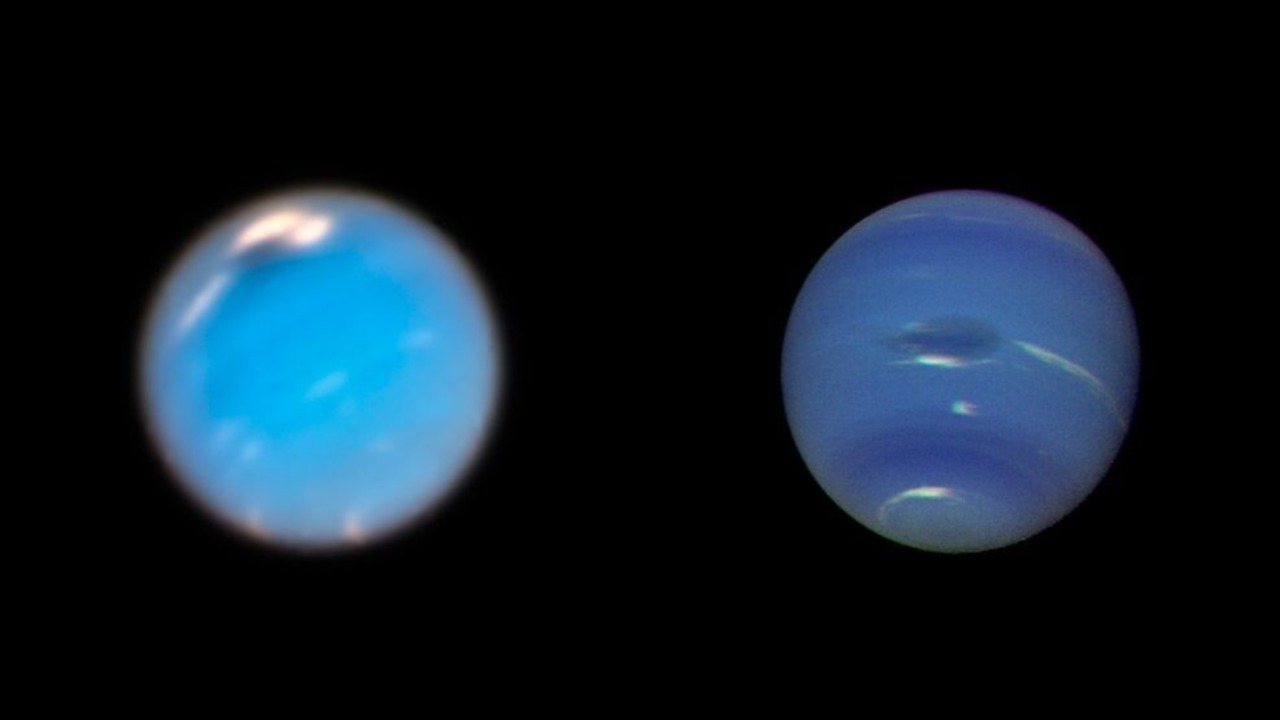
In a first, the Hubble Space Telescope has beamed back images documenting the birth of a giant storm on Neptune, a finding that may reveal insights on the inner workings of the poorly-understood ice giant planets, NASA said. Like Jupiter’s Great Red Spot, Neptune’s Great Dark Spots are storms that form from areas of high atmospheric pressure. In contrast, storms on Earth form around areas of low pressure. Scientists have seen a total of six dark spots on Neptune over the years. Voyager 2 identified two storms in 1989. Since Hubble launched in 1990, it has viewed four more of these storms, NASA said in a statement. Researchers analysed Hubble’s photos of the ice giant taken over the past several years and chronicled the growth of a new Great Dark Spot that became visible in 2018. By studying companion clouds that showed up two years before the new Great Dark Spot, the researchers conclude dark spots originate much deeper in Neptune’s atmosphere than previously thought. [caption id=“attachment_6334581” align=“alignnone” width=“1280”] A composite picture of the storms on Neptune as seen from the Hubble Space Telescope (left) and the Voyager 2 spacecraft (right). The Hubble Wide Field Camera 3 image of Neptune, taken in Sept. and Nov. 2018, shows a new dark storm (top center). In the Voyager image, a storm known as the Great Dark Spot is seen at the center. It is about 13,000 km by 6,600 km in size — as large as the Earth in its longer dimension. Image credit: NASA[/caption] The Hubble images also helped the researchers pinpoint how often Neptune gets dark spots and how long they last. The findings not only give scientists insights on the inner workings of the ice giant planets but also have implications for studying exoplanets of similar size and composition. “If you study the exoplanets and you want to understand how they work, you really need to understand our planets first,” said Amy Simon, a planetary scientist at NASA’s Goddard Space Flight Center in the US. “We have so little information on Uranus and Neptune,” said Simon, lead author of the study published in journal Geophysical Research Letters. Scientists first saw a Great Dark Spot on Neptune in 1989, when NASA’s Voyager 2 probe flew past the mysterious blue planet. As the spacecraft zoomed by, it snapped pictures of two giant storms brewing in Neptune’s southern hemisphere. Scientists dubbed the storms “The Great Dark Spot” and “Dark Spot 2.”
Just five years later, the Hubble Space Telescope took sharp images of Neptune that revealed both the Earth-sized Great Dark Spot and the smaller Dark Spot 2 had vanished. A new Great Dark Spot appeared on Neptune in 2018, nearly identical in size and shape to the one Voyager saw in 1989. Researchers were analysing Hubble images of a smaller dark spot that appeared in 2015 when they discovered small, bright white clouds in the region where the 2018 Great Dark Spot would later appear. “We were so busy tracking this smaller storm from 2015, that we weren’t necessarily expecting to see another big one so soon,” Simon said. The high-altitude clouds are made up of methane ice crystals, which give them their characteristic bright white colour. Scientists suspect these methane clouds accompany the storms that form dark spots, hovering above them the way lenticular clouds cap tall mountains on Earth.

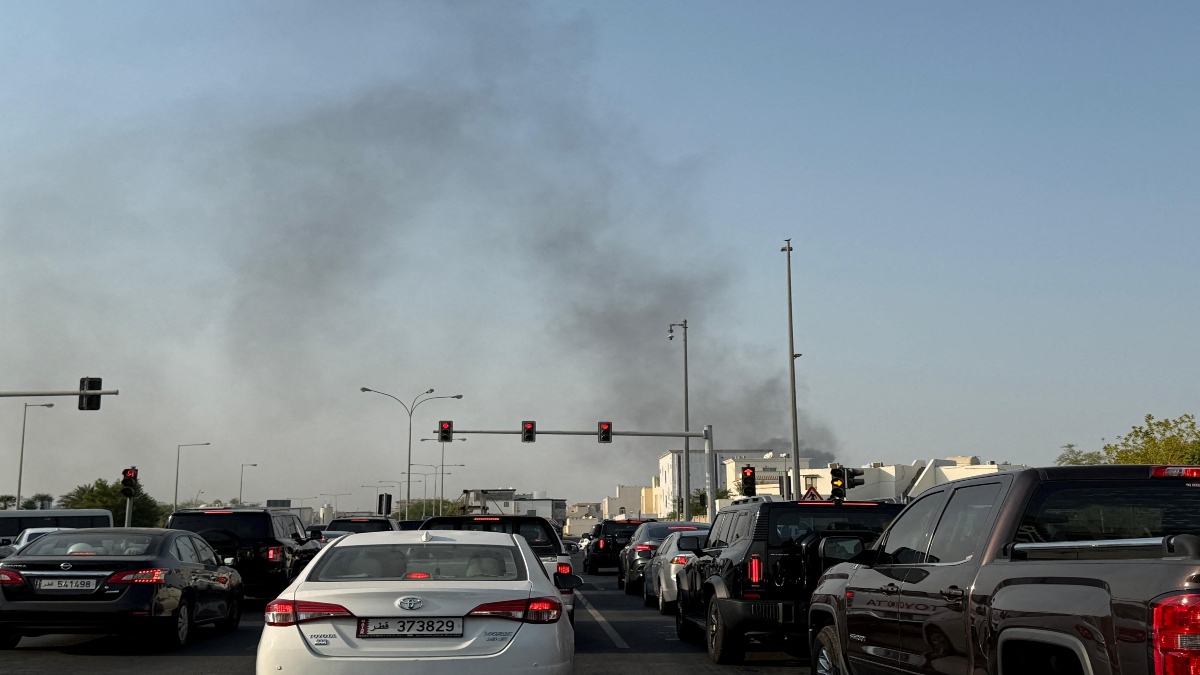 "Israel targets top Hamas leaders in Doha; Qatar, Iran condemn strike as violation of sovereignty")
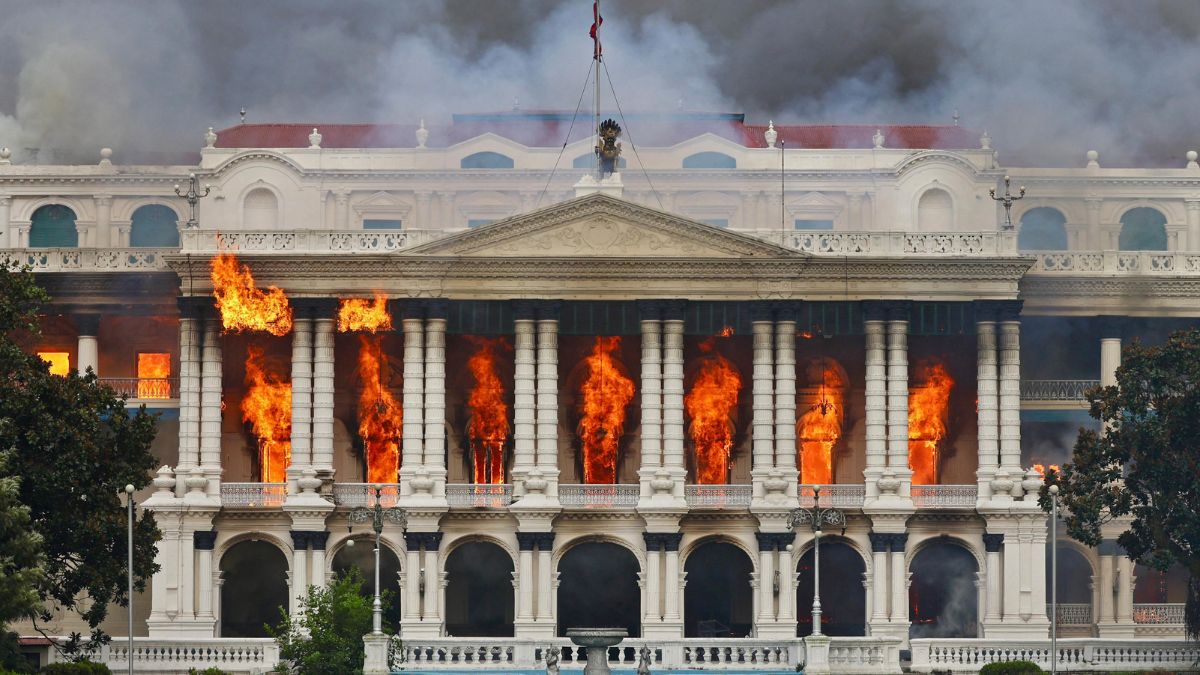 "Nepal: Oli to continue until new PM is sworn in, nation on edge as all branches of govt torched")
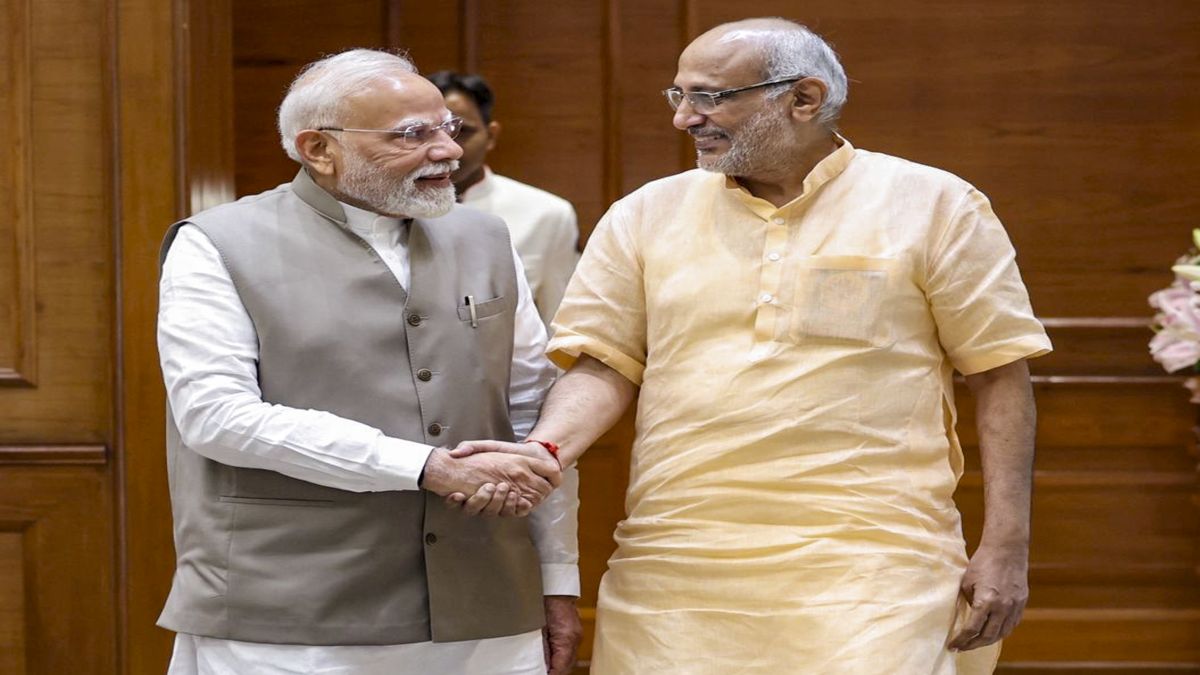 "Who is CP Radhakrishnan, India's next vice-president?")
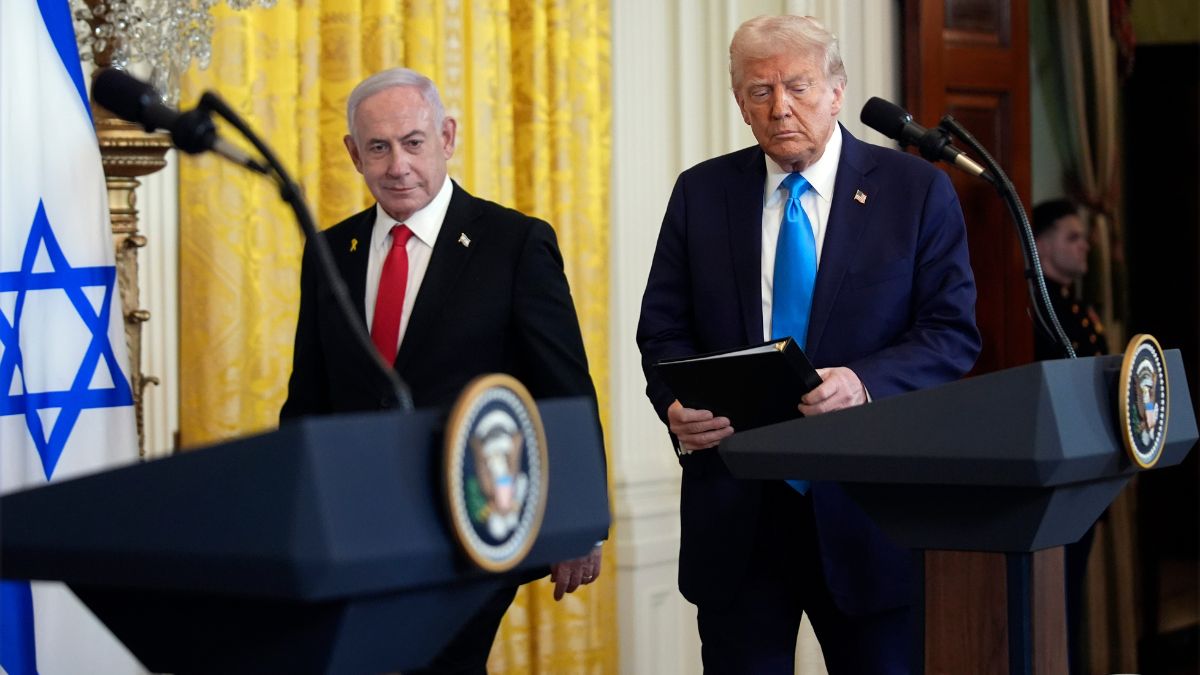 "Israel informed US ahead of strikes on Hamas leaders in Doha, says White House")
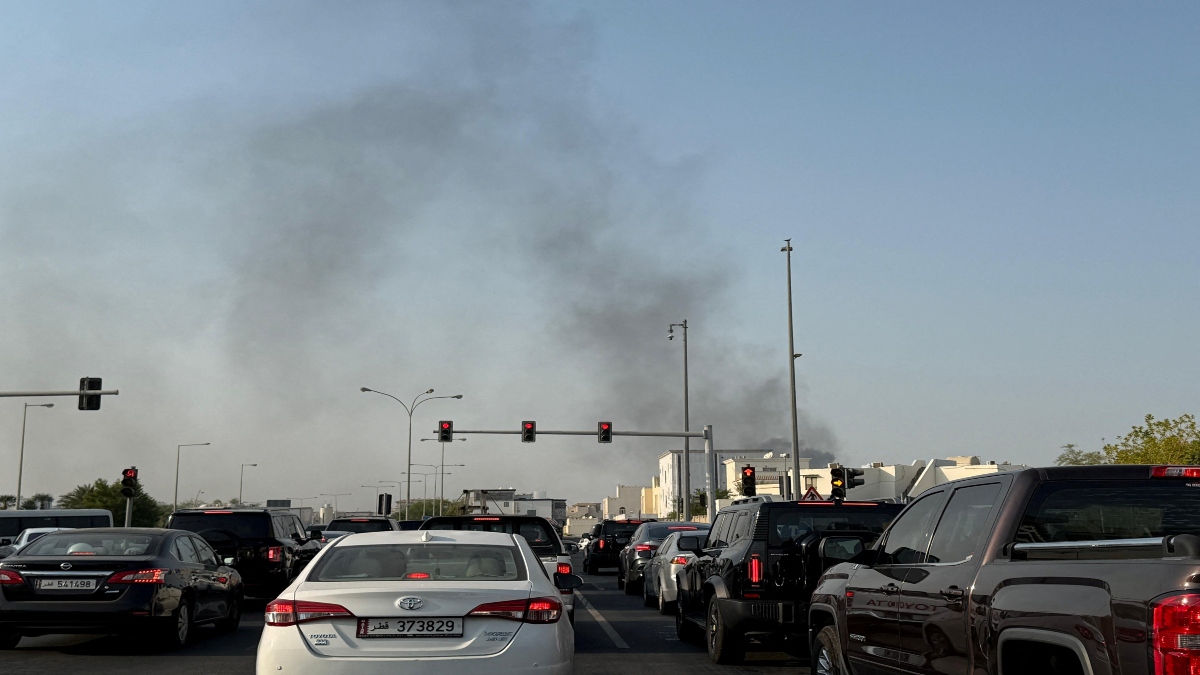 "Israel targets top Hamas leaders in Doha; Qatar, Iran condemn strike as violation of sovereignty")
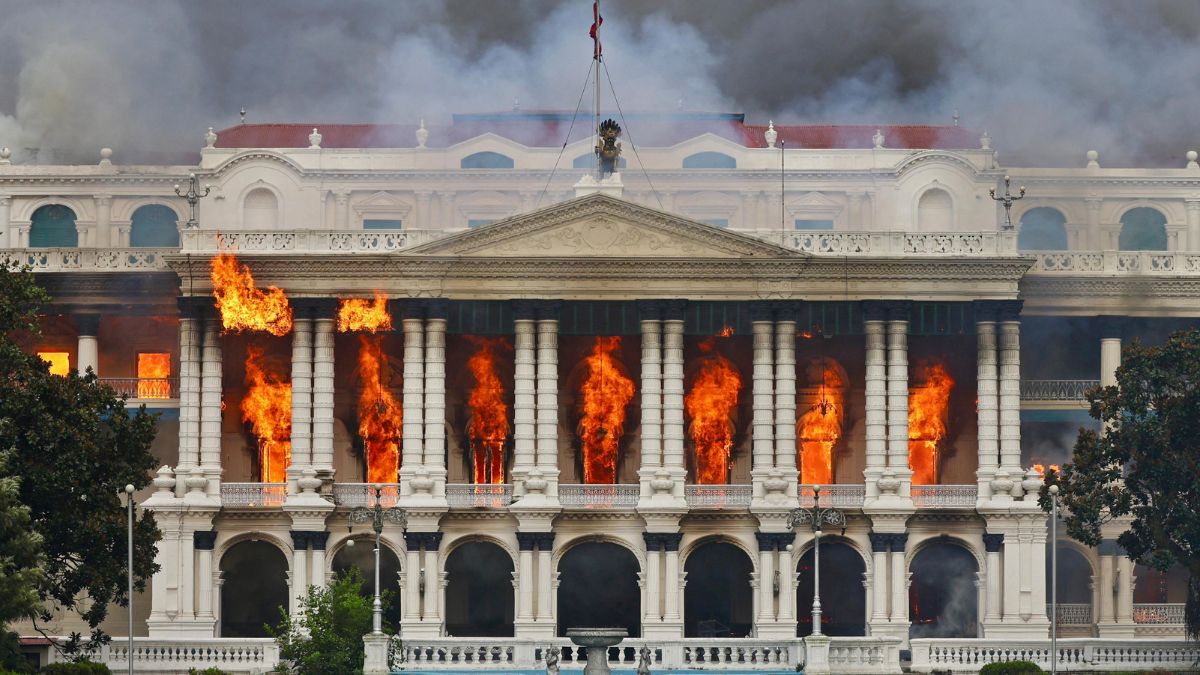 "Nepal: Oli to continue until new PM is sworn in, nation on edge as all branches of govt torched")
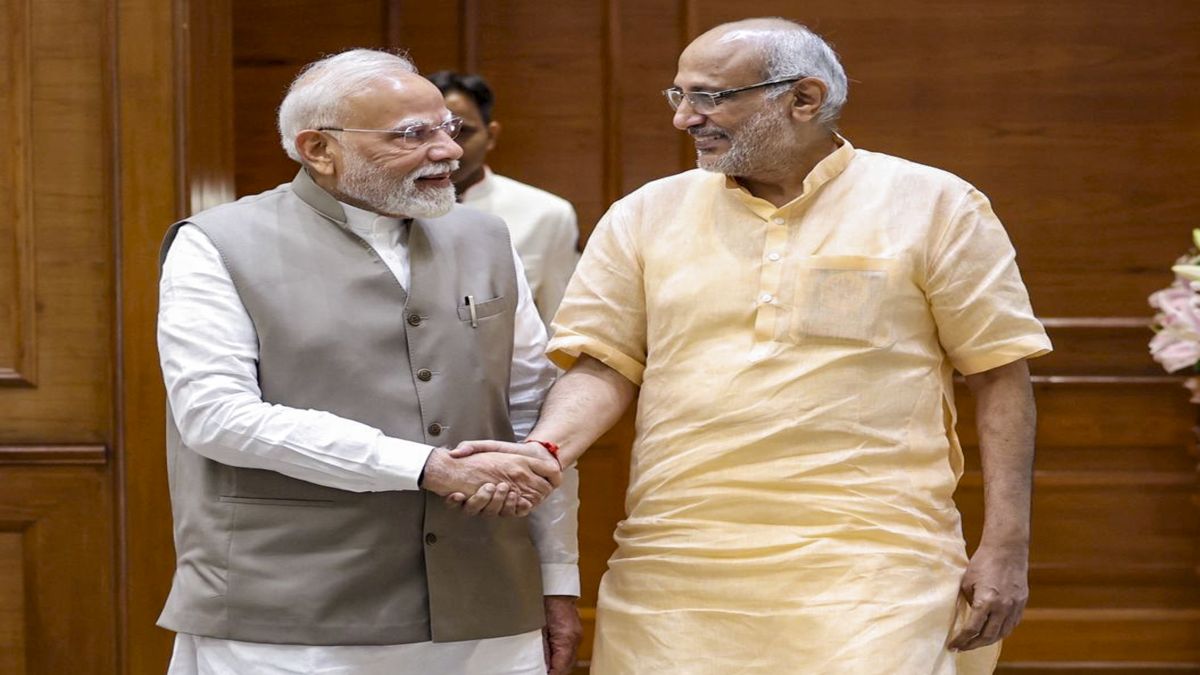 "Who is CP Radhakrishnan, India's next vice-president?")
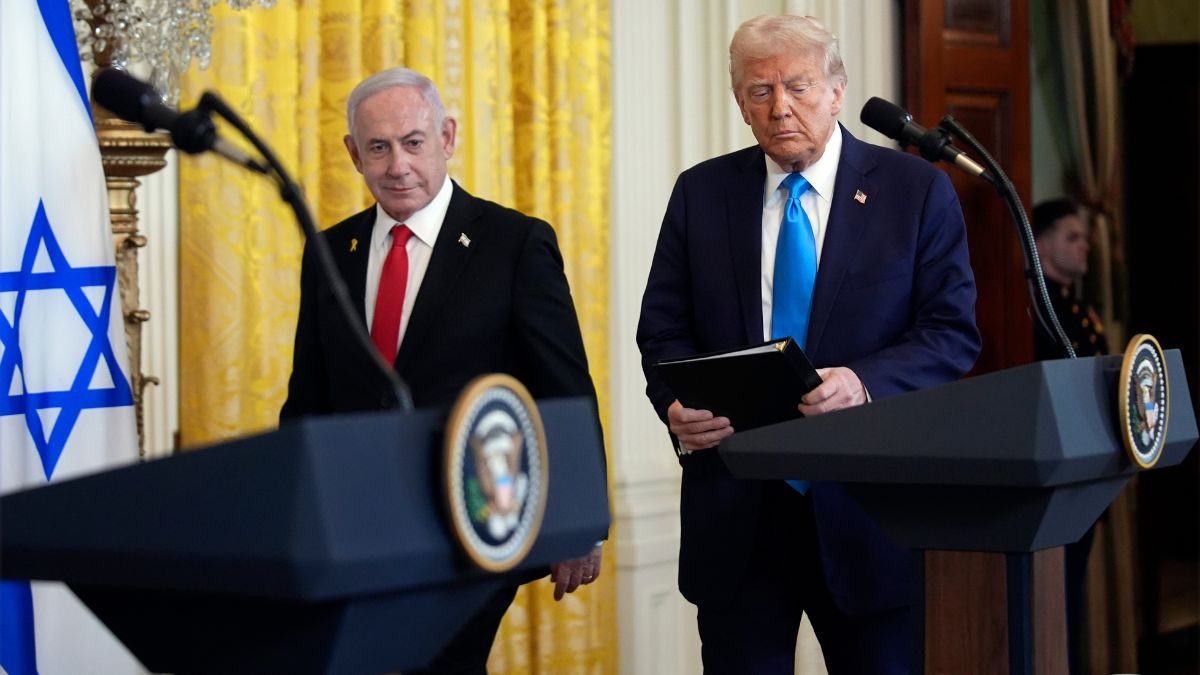 "Israel informed US ahead of strikes on Hamas leaders in Doha, says White House")



