

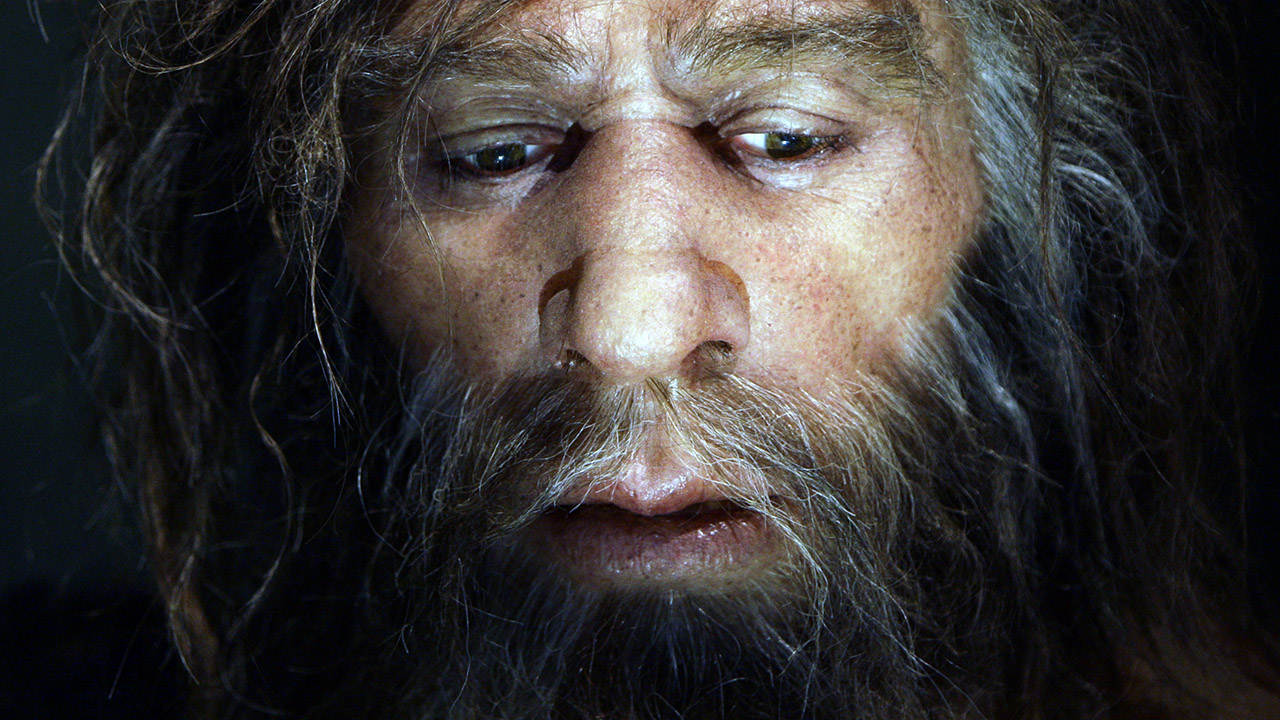
 "A new study offers a unique explanation for why we outlived our extinct cousins")
While there’s just one species of man still in existence, the long-winding debates about how we were different from our
**hominin cousins** live on. Until recently, ideas of evolved culture, better skills in communication and innovative use of tools have few of the leading explanations for our tribe, the Homo sapiens, to have made it 300,000 years without blinking out of existence like
**the Neanderthals** and
**Homo erectus** . A
new study published in Nature Human Behaviour questions current understanding of our evolution, defining our ancestors with a new title — a ‘general specialist’. The researchers describe our ancestors as a species that moved to inhabit a variety of different environments. Early
Homo sapiens in this scenario**,** on encountering a particularly challenging area, managed to successfully colonise it by clever use of resources to adapt to specific challenges in that environment, making them both a ‘generalist’ and ‘specialist’ of sorts. [caption id=“attachment_4217235” align=“alignnone” width=“1280”] Representational Image. Reuters[/caption]
In their paper_,_ Dr Patrick Roberts and his team of scientists from Max Planck Institute for the Science of Human History and the University of Michigan propose that what the early species of modern man did differently, that aided in their ultimate survival, was merely taking the road less travelled.
The study looks beyond many previous notions that explain our survival, shifting away from the earliest traces of artistic, linguistic and technological abilities of our ancestors and their now-extinct cousins.
Instead, it looks at features that made Homo sapiens unique in the context of ecology. The authors describe how our tribe went places that no hominin had previously ventured to. Early Homo sapiens coped, and grew accustomed with time to handling a range of extreme environments, giving them a leg up to survive in the long run.
Our extinct relatives weren’t nearly as equipped to adapt to extreme environments, the study’s findings reveal.
**By adapting** to difficult environments where populations have been known to later thrive, Homo sapiens had set themselves up to outlast their bygone cousins.

 "US ready to ‘impose costs’ on Russia if war in Ukraine drags on, says Hegseth")
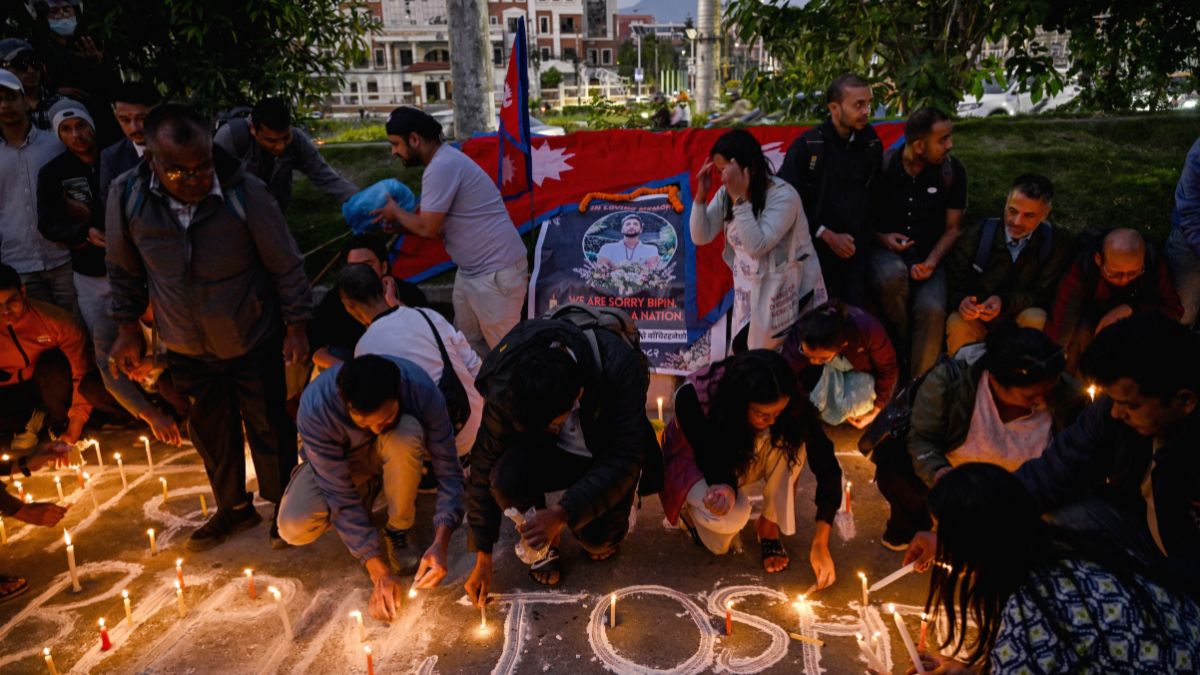 "US tells Hamas to stop violence against Gaza civilians and disarm 'without delay'")
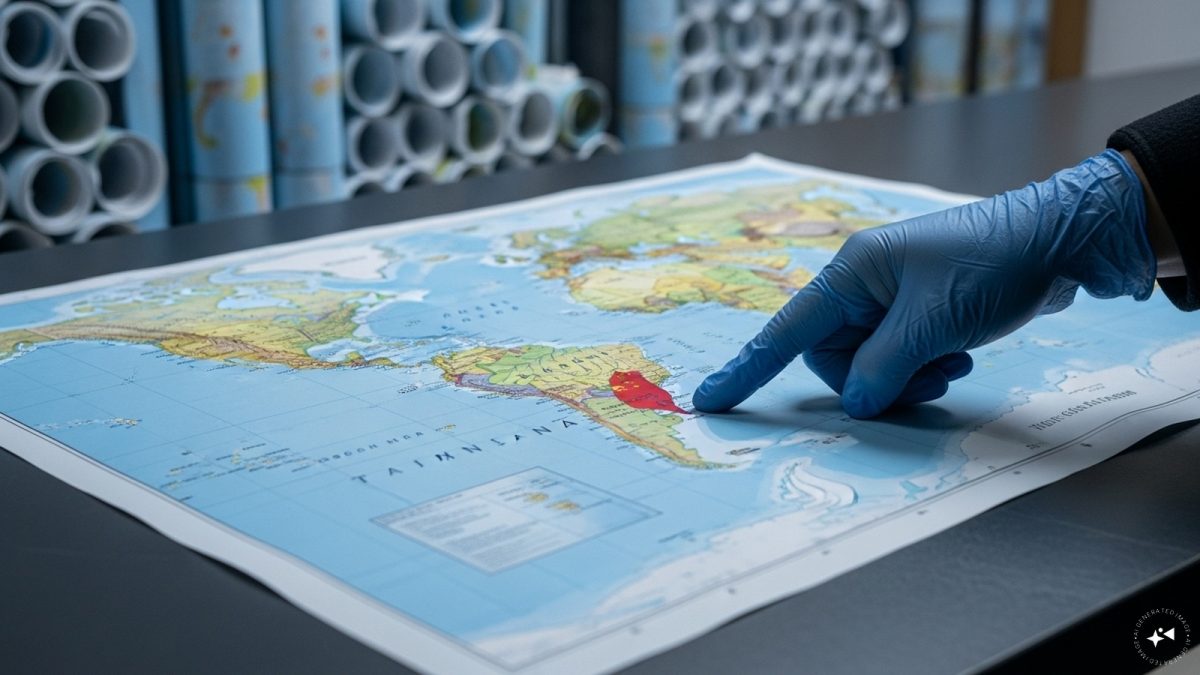 "China seizes 60,000 maps mislabelling Taiwan, omitting South China Sea islands")
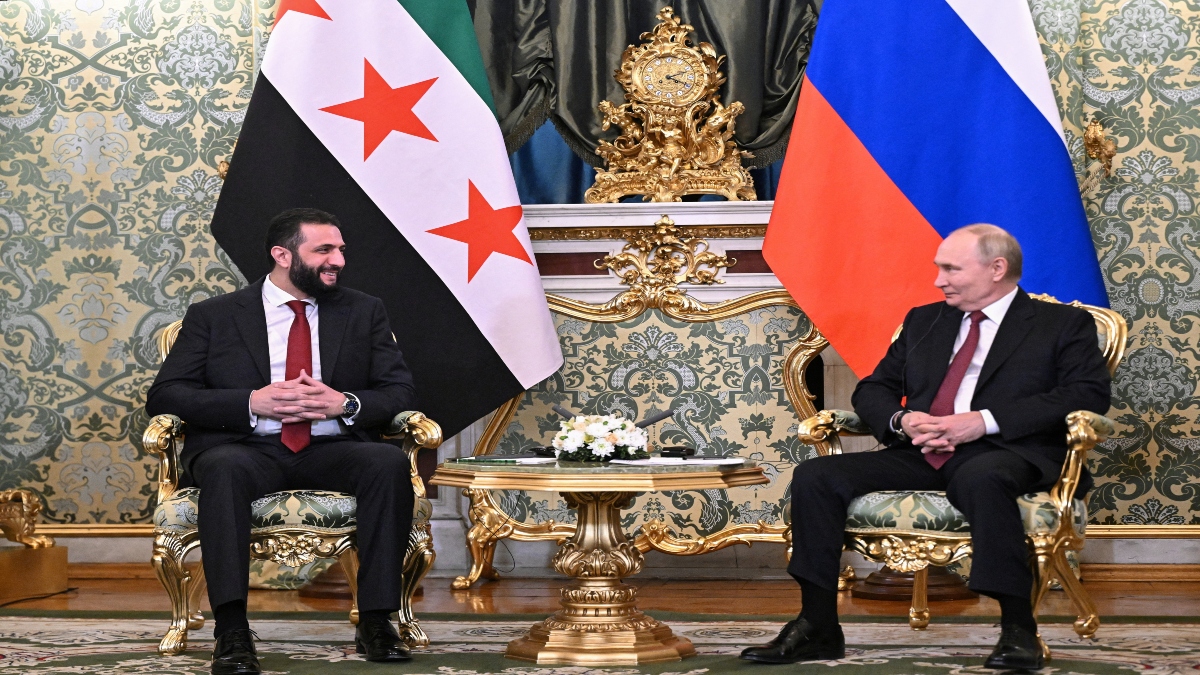 "Syria’s Sharaa pledges to honor Russia ties, seeks economic and military support in Kremlin visit")
 "US ready to ‘impose costs’ on Russia if war in Ukraine drags on, says Hegseth")
 "US tells Hamas to stop violence against Gaza civilians and disarm 'without delay'")
 "China seizes 60,000 maps mislabelling Taiwan, omitting South China Sea islands")
 "Syria’s Sharaa pledges to honor Russia ties, seeks economic and military support in Kremlin visit")



