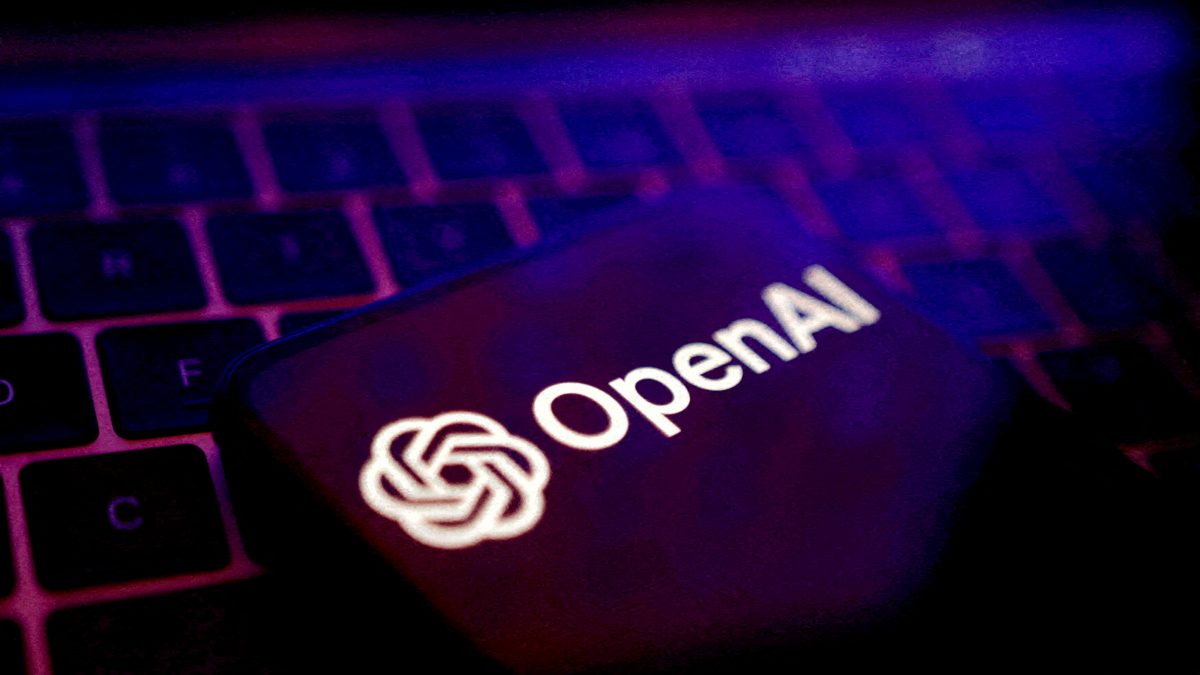
 "OpenAI wants to develop a social media app, but with biometrics to kill the bot problem")
OpenAI CEO Sam Altman now wants to join the social media race, but in true OpenAI fashion, he reportedly plans to do it differently. According to a new report, the AI company is developing a biometric-based social platform designed to curb the internet’s growing bot problem and ensure only verified human users can participate.
While OpenAI continues to refine its flagship chatbot ChatGPT and is set to unveil its AI device this year, sources say it’s also quietly working on a new social media app that could redefine how online identity is verified.
OpenAI plans to enter social media race with a unique feature
As reported by Forbes, OpenAI’s potential social media venture is still in its early stages of development, with fewer than ten people currently working on it. The concept, however, is bold, a “real humans only” social network that could differentiate OpenAI from existing platforms like X, Instagram, and TikTok.
The company is said to be exploring biometric verification as the key to keeping bots and fake accounts out. Insiders told Forbes that the development team has discussed introducing a “proof of personhood” requirement, potentially using Apple’s Face ID or the Worldcoin Orb, a cantaloupe-sized scanner that verifies identity through a person’s iris pattern.
The Worldcoin Orb is operated by Tools for Humanity, a company co-founded and chaired by Sam Altman. It uses advanced biometric data to create a unique, verifiable digital ID, a feature that could serve as the backbone of OpenAI’s new platform.
If launched, the app would stand out from existing networks that rely on traditional verification methods such as phone numbers, emails, or behavioural algorithms. True biometric verification could, in theory, guarantee that every user is a real person, tackling the wave of automated accounts plaguing most modern platforms.
How will OpenAI sail in this race?
OpenAI has a track record of creating products that achieve rapid global adoption. Its flagship product, ChatGPT, reached 100 million users within two months of launch, becoming one of the fastest-growing applications in history. Its AI-powered video tool, Sora, crossed one million downloads in under five days, an even faster rise than ChatGPT’s own viral ascent.
If OpenAI can replicate that momentum, its upcoming social app could see strong initial traction. But success in the social media arena will be far from guaranteed. The company would face stiff competition from established players like Meta’s Threads, which now rivals X (formerly Twitter) in daily active users, and from fast-growing platforms such as Bluesky, which recently surpassed 40 million users.
Quick Reads
View AllEven mainstream giants like Instagram and TikTok are racing to integrate AI features into their feeds, turning social apps into hybrid content and AI discovery engines. “The feeds are starting to fill up with synthetic everything,” Instagram head Adam Mosseri remarked last December, a signal that the age of AI-generated content is well underway.
If OpenAI can deliver a platform that prioritises authentic human identity in an era of synthetic content, it could carve out a unique position in the social media landscape. But as with everything involving biometrics and AI, the company will need to balance innovation with caution, and convince users that privacy and security won’t be the price of authenticity.


 "Is a US-Iran conflict imminent as Trump issues nuclear ultimatum?")
 "Economic Survey 2026 Live Updates: Sitharaman presents state of Indian economy document in Parliament")
 "How a wristwatch helped in identifying Ajit Pawar’s body after plane crash")
 "Starmer meets Xi, calls Beijing 'vital player' on global scale as UK and China reset ties")
 "Is a US-Iran conflict imminent as Trump issues nuclear ultimatum?")
 "Economic Survey 2026 Live Updates: Sitharaman presents state of Indian economy document in Parliament")
 "How a wristwatch helped in identifying Ajit Pawar’s body after plane crash")
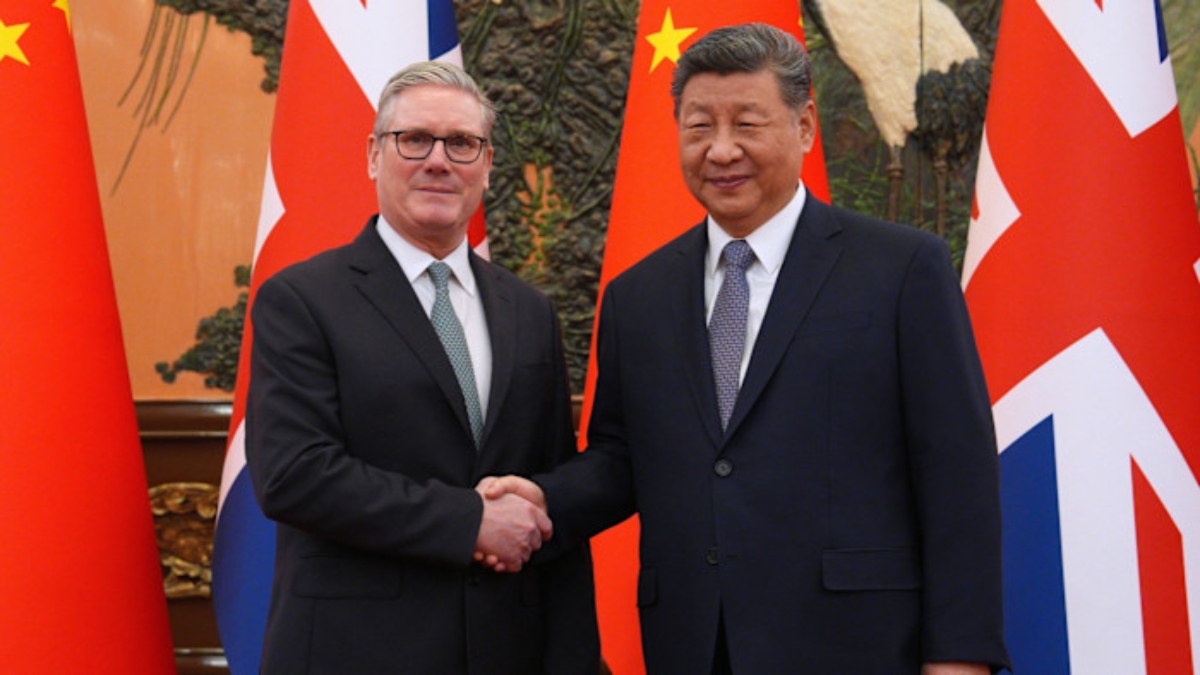 "Starmer meets Xi, calls Beijing 'vital player' on global scale as UK and China reset ties")