

 "US Senate blocks NSA surveillance bill and Patriot Act extensions")
The Senate struggled unsuccessfully to prevent an interruption in critical government surveillance programs early Saturday, blocking a House-passed bill and several short-term extensions of the USA Patriot Act. The main stumbling block was a House-passed provision to end the National Security Agency’s bulk collection of domestic phone records. Instead, the records would remain with telephone companies subject to a case-by-case review. Senate Majority Leader Mitch McConnell, R-Ky., favored retaining the program, but fellow Kentuckian Rand Paul, a Republican presidential contender, blocked any extension, no matter how brief, past the midnight May 31 expiration. “My filibuster continues to end NSA illegal spying,” tweeted the Republican presidential contender. Finally, McConnell announced early Saturday that the Senate would begin a weeklong Memorial Day break and return on Sunday, May 31, just hours before the programs lapse. The White House has pressured the Senate to back the House bill, which drew an overwhelmingly bipartisan vote last week and had the backing of GOP leaders, Democrats and the libertarian-leaning members. But the Senate blocked the bill on a vote of 57-42, short of the 60-vote threshold to move ahead. That was immediately followed by rejection of a two-month extension to the existing programs. The vote was 54-45, again short of the 60-vote threshold. McConnell repeatedly asked for an even shorter renewal of current law, ticking down days from June 8 to June 2. But opponents of the post-Sept. 11 law objected each time. Whatever the Senate approves must be passed by the House, which has left Washington for the Memorial Day break. Officials say they will lose valuable surveillance tools if the Senate fails to go along with the House. But key Republican senators, including McConnell, oppose the House approach. In the near term, the Justice Department has said the NSA would begin winding down its collection of domestic calling records this week if the Senate fails to act because the collection takes time to halt. What will happen to the surveillance programs if Congress doesn’t pass a bill: IF THE LAW EXPIRES At issue is a section of the Patriot Act, Section 215, used by the government to justify secretly collecting the “to and from” information about nearly every American landline telephone call. For technical and bureaucratic reasons, the program was not collecting a large chunk of mobile calling records, which made it less effective as fewer people continued to use landlines. When former NSA contractor Edward Snowden revealed the program in 2013, many Americans were outraged that NSA had their calling records. President Barack Obama ultimately announced a plan similar to the USA Freedom Act and asked Congress to pass it. He said the plan would preserve the NSA’s ability to hunt for domestic connections to international plots without having an intelligence agency hold millions of Americans’ private records. Since it gave the government extraordinary powers, Section 215 of the Patriot Act was designed to expire at midnight on May 31 unless Congress renews it. Under the USA Freedom Act, the government would transition over six months to a system under which it queries the phone companies with known terrorists’ numbers to get back a list of numbers that had been in touch with a terrorist number. But if Section 215 expires without replacement, the government would lack the blanket authority to conduct those searches. There would be legal methods to hunt for connections in U.S. phone records to terrorists, said current and former U.S. officials who spoke on condition of anonymity because they were not authorized to discuss the matter publicly. But those methods would not be applicable in every case. WHAT ABOUT THE OTHER PARTS OF THE LAW? Far less attention has been paid to two other surveillance authorities that expire at midnight May 31. One makes it easier for the FBI to track “lone wolf” terrorism suspects who have no connection to a foreign power, and another allows the government to eavesdrop on suspects who continuously discard their cellphones in an effort to avoid surveillance. They have been used frequently, and there is no meaningful opposition to them in Congress. If those were to go away, FBI Director James Comey said, it would set back the bureau at a time when domestic threats are on the rise. The so-called “roving wiretap” provision allows the FBI to get a warrant to target the communications of a person rather than a device, to account for a suspect who frequently discards “burner” phones. The lone wolf provision allows the government to use national security authorities to track a terror suspect even if he or she has no obvious connection to a foreign power. Briefing reporters Friday, White House spokesman Josh Earnest urged the Senate to act. “The way to eliminate the risk of these critically important national security authorities from lapsing is to pass the USA Freedom Act,” he said. SENATE MANEUVERS Sen. Richard Burr, chairman of the Senate Intelligence Committee, has floated a plan that would essentially dare the House to let the law expire. As a compromise, Burr wants to extend current law between 5 days and a month to give the House time to pass the Senate bill. Then he would have the NSA transition to the system envisioned by the USA Freedom Act. But he would allow the transition to take more time — two years, not six months. Associated Press
The Senate struggled unsuccessfully to prevent an interruption in critical government surveillance programs early Saturday, blocking a House-passed bill and several short-term extensions of the USA Patriot Act.
Advertisement
End of Article
Written by FP Archives
see more

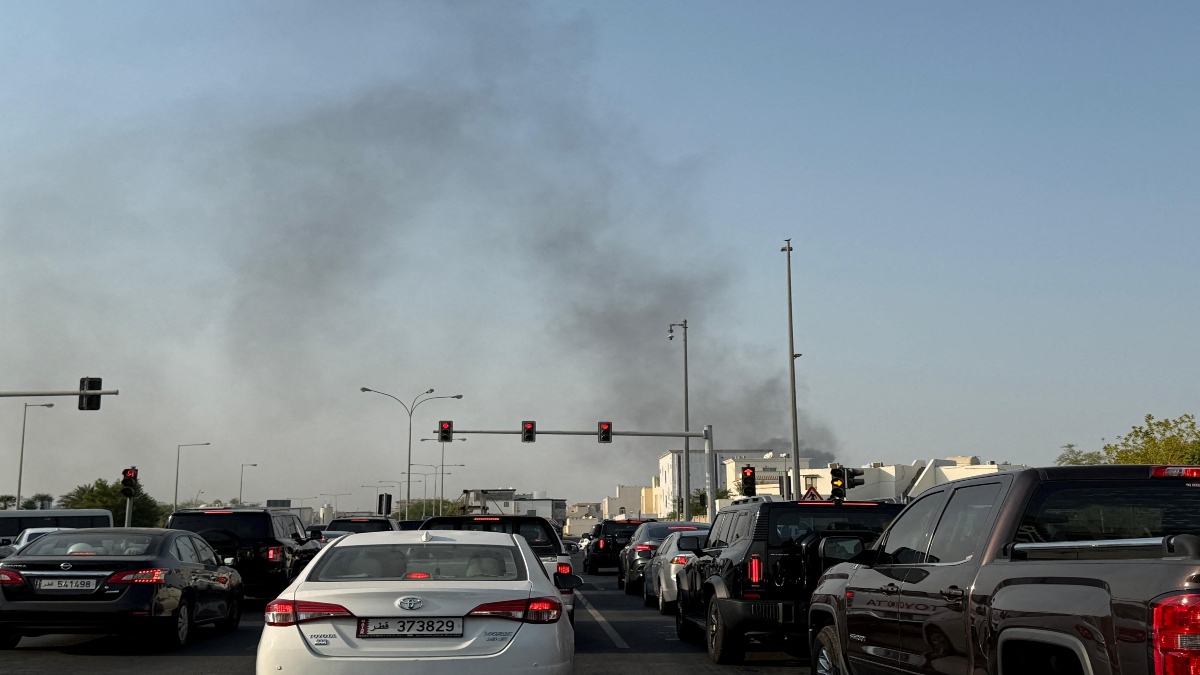 "Israel targets top Hamas leaders in Doha; Qatar, Iran condemn strike as violation of sovereignty")
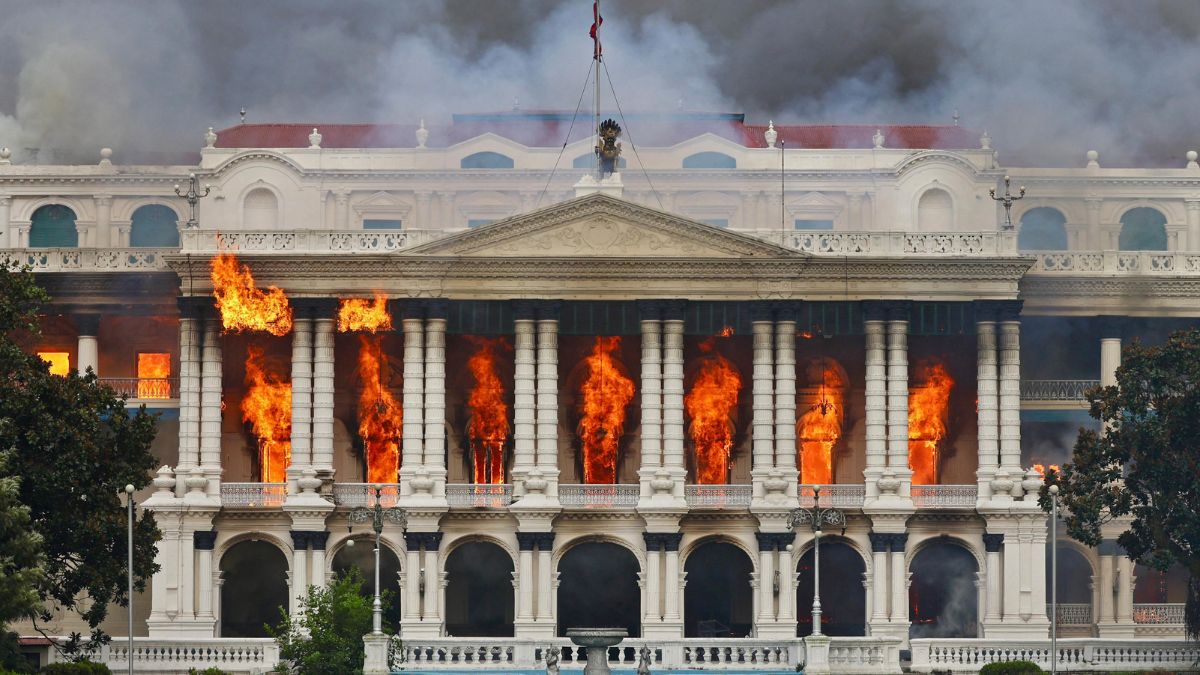 "Nepal: Oli to continue until new PM is sworn in, nation on edge as all branches of govt torched")
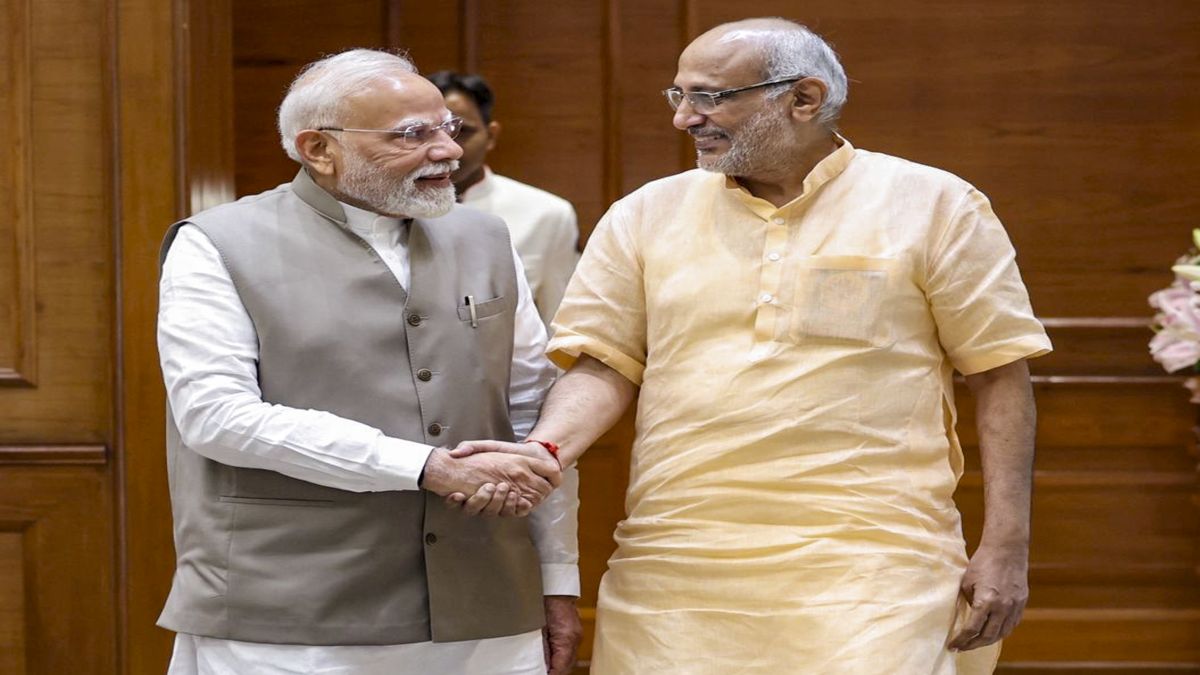 "Who is CP Radhakrishnan, India's next vice-president?")
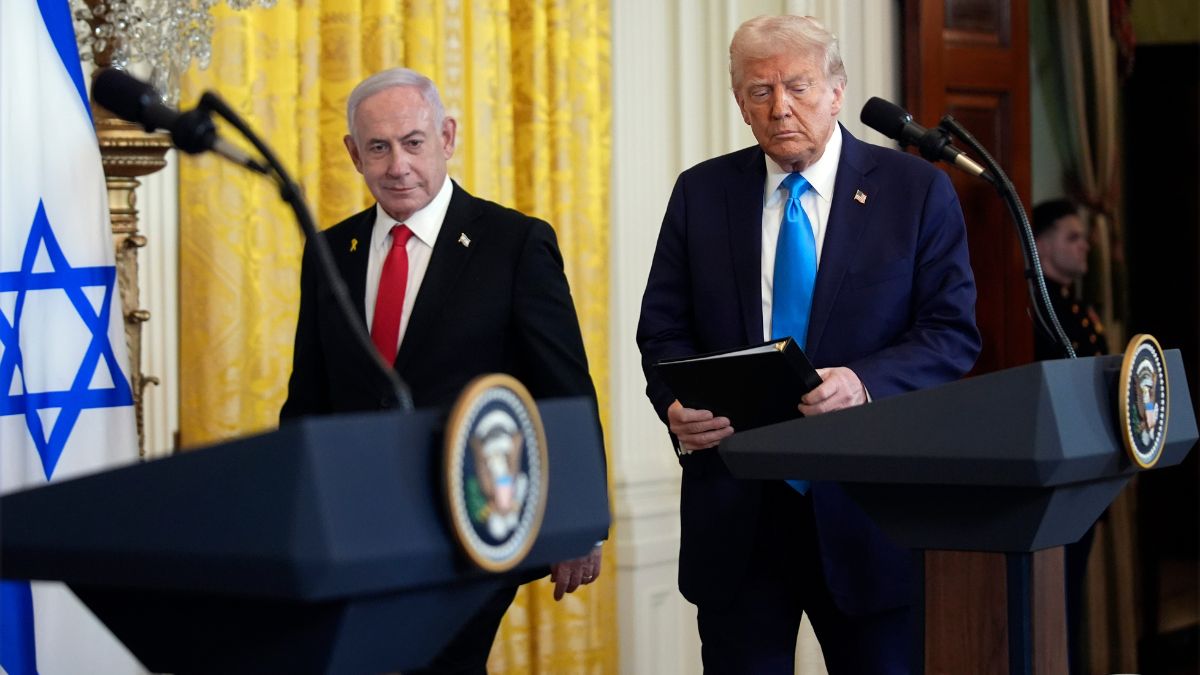 "Israel informed US ahead of strikes on Hamas leaders in Doha, says White House")
 "Israel targets top Hamas leaders in Doha; Qatar, Iran condemn strike as violation of sovereignty")
 "Nepal: Oli to continue until new PM is sworn in, nation on edge as all branches of govt torched")
 "Who is CP Radhakrishnan, India's next vice-president?")
 "Israel informed US ahead of strikes on Hamas leaders in Doha, says White House")



