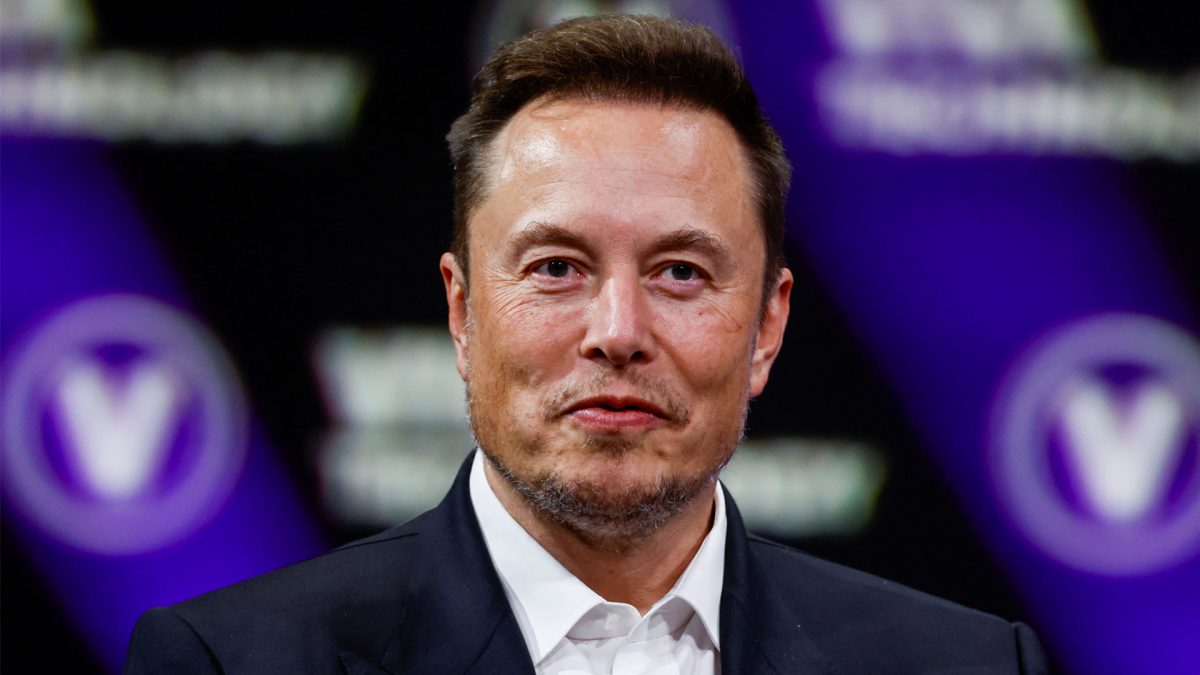
 "Musk’s bold vision for Mars marks an important chapter in SpaceX’s ongoing mission to explore and colonise space.")
Elon Musk has revealed an ambitious timeline for SpaceX’s efforts to send Starship to Mars, aiming to make humanity a multiplanetary species. In a series of posts on X (formerly Twitter), Musk outlined his vision for establishing a self-sustaining city on Mars, taking a major step towards achieving that goal within the next two years.
According to Musk, the first Starship missions to Mars will be uncrewed and are expected to launch in two years, during the next Earth-Mars transfer window. These missions will serve as tests to determine the reliability of landing on the Martian surface. If these initial tests prove successful, Musk expects the first crewed missions to Mars to follow four years later.
Matter of reducing costs
Musk emphasised that the long-term goal is to create a city on Mars, which would require significant advancements in technology and cost reduction. He estimated that the current cost to transport useful payloads to Mars stands at around $1 billion per ton.
However, this cost would need to decrease to $100,000 per ton in order to build a self-sustaining city, a challenge Musk acknowledged as “extremely difficult, but not impossible.” He pointed out that SpaceX’s creation of the first fully reusable rocket stage was a crucial step toward making these cost reductions a reality.
City on Mars in 20 years
Musk’s timeline goes beyond just the first crewed flights. He envisions an exponential increase in the number of Starship flights to Mars, ultimately leading to the development of a self-sustaining city on the Red Planet within 20 years.
Impact Shorts
More ShortsThis would dramatically increase the chances of preserving human consciousness, as humanity would no longer be confined to a single planet. Musk has often argued that becoming a multiplanetary species is key to the survival of the human race.
SpaceX’s Vision for Mars
SpaceX’s website echoes Musk’s optimism about the potential for life on Mars. Described as a fully reusable transportation system, Starship is designed to carry both crew and cargo to Earth’s orbit, the Moon, Mars, and beyond. Mars itself is noted as having an atmosphere rich in carbon dioxide, nitrogen, and argon, which could be used to support plant life. Though the planet is colder than Earth, Musk and SpaceX believe it can be warmed up to make it more habitable.
Additionally, Mars’ gravity, about 38 per cent that of Earth, would allow for easier movement and lifting of heavy objects. Interestingly, the length of a day on Mars is close to that of Earth, which could make future settlement more manageable for humans.
Musk’s bold vision for Mars marks an important chapter in SpaceX’s ongoing mission to explore and colonise space. While significant challenges lie ahead, his roadmap sets the stage for potentially revolutionary advancements in space travel over the next two decades.