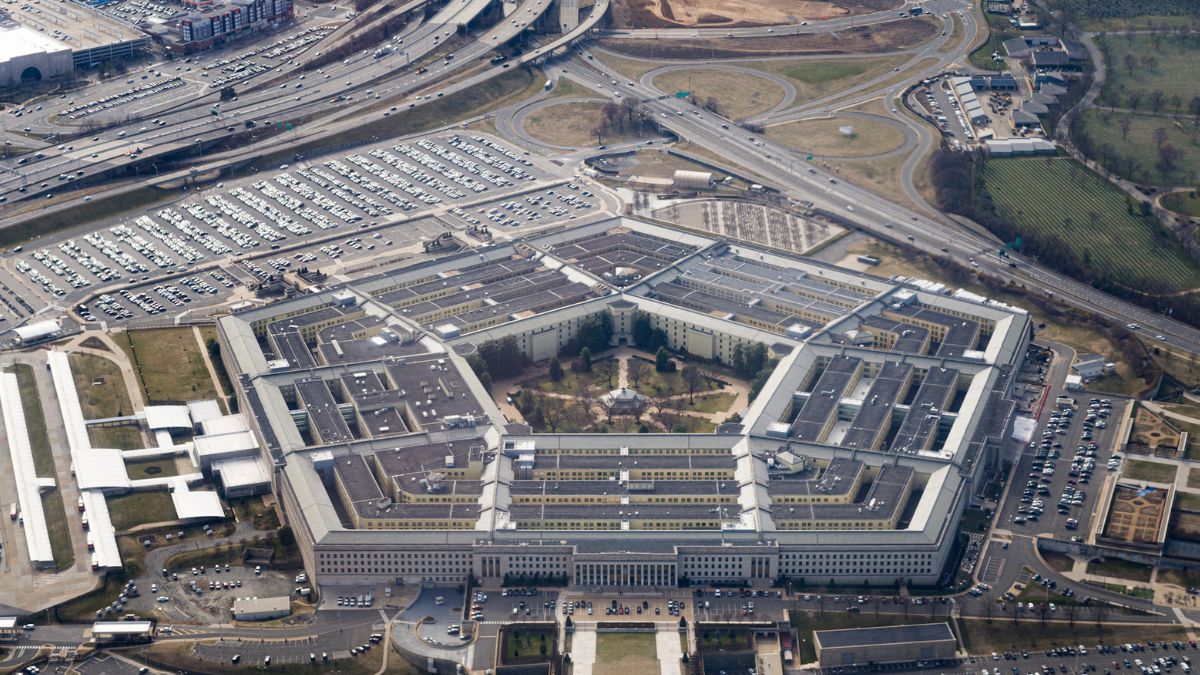
 "Anthropic stands firm on military-use restrictions as talks with Pentagon continue")
A meeting between CEO of Anthropic, Dario Amodei and US Defence Secretary Pete Hegseth was arranged to address a months-long dispute over the company’s refusal to remove safeguards preventing its technology from autonomously targeting weapons or enabling domestic surveillance. Officials from the United States Department of Defense have argued the government should only be required to follow US law when using AI systems.
During the meeting, Hegseth issued an ultimatum, telling Anthropic it must comply or face severe government action, according to people familiar with the exchange. Options included designating the company a supply-chain risk or invoking the Defense Production Act to compel compliance. Anthropic was given until Friday at 5 pm to respond, a senior Pentagon official said.
The Pentagon did not immediately comment. An Anthropic spokesperson said Tuesday’s discussion “continued good-faith conversations about our usage policy to ensure Anthropic can continue to support the government’s national security mission in line with what our models can reliably and responsibly do.”
Wider AI race within defence networks
The Pentagon is currently negotiating contracts with multiple large language model providers, including Google, xAI and OpenAI, to shape future military applications of artificial intelligence. These efforts cover areas such as autonomous drone swarms, robotics and cyber operations.
Anthropic had until recently been the only LLM developer present on classified networks. This week, the Pentagon announced an agreement allowing xAI to operate in those environments, and Reuters has previously reported that all major AI companies are expected to transition onto classified systems.
Venezuela raid concerns intensified dispute
The conflict escalated earlier this month after Pentagon officials became concerned that Anthropic had raised questions about whether its products were used during the Venezuelan military raid that captured President Nicolas Maduro.
In the meeting, Amodei said Anthropic had not expressed concerns to Palantir or the Pentagon about the use of its AI tools in that operation and argued the company’s existing safeguards would not obstruct current Defence Department activities.
Legal consequences predicted if government acts
Hegseth said the Pentagon would either invoke the Defense Production Act or classify Anthropic as a supply-chain risk, a label typically applied to companies from foreign adversaries. Such a move could jeopardise Anthropic’s commercial relationships with firms doing business with the US government.
“This specific scenario is unprecedented and will almost certainly trigger a raft of downstream litigation if the Administration takes adverse action against Anthropic here,” said Franklin Turner, a government contracts lawyer at McCarter & English.


 "State of the Union: Trump says 'almost all' countries want to keep trade deals amid SC's ruling")
 "Abigail Spanberger: The Democrat responding to Trump’s State of the Union")
 "4 things India need to change against Zimbabwe to stay alive in T20 World Cup 2026")
 "State of the Union: Trump touts 'turnaround for the ages', says US has achieved 'transformation like no one has seen'")
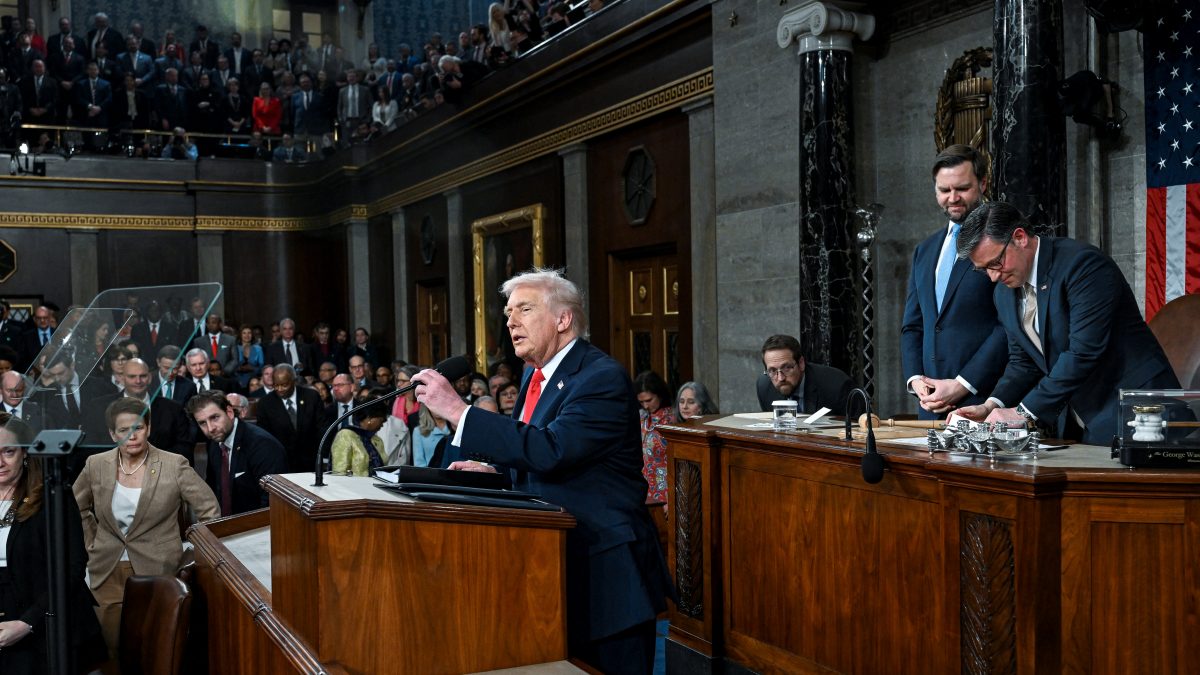 "State of the Union: Trump says 'almost all' countries want to keep trade deals amid SC's ruling")
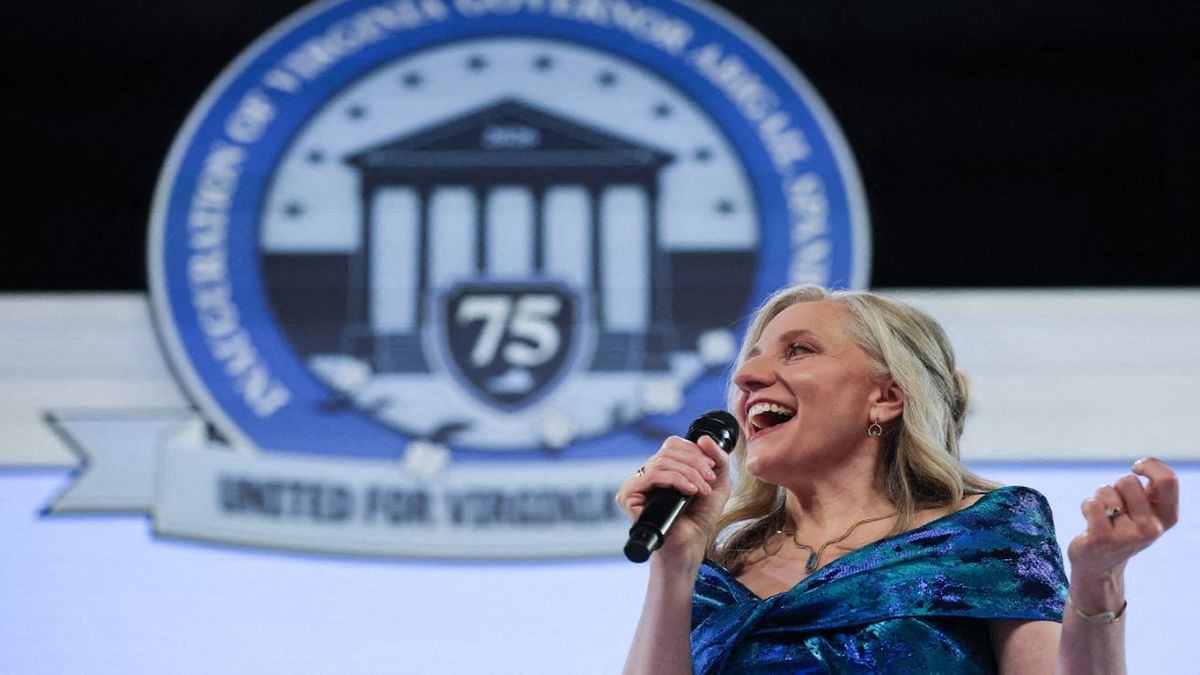 "Abigail Spanberger: The Democrat responding to Trump’s State of the Union")
 "4 things India need to change against Zimbabwe to stay alive in T20 World Cup 2026")
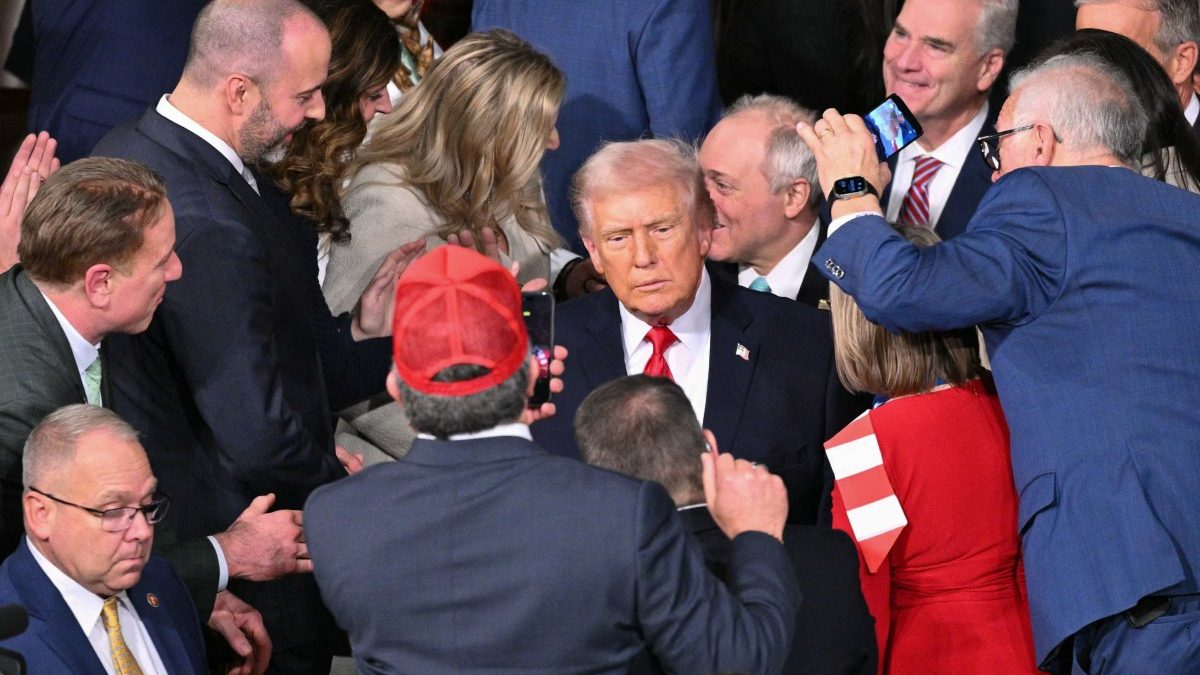 "State of the Union: Trump touts 'turnaround for the ages', says US has achieved 'transformation like no one has seen'")