[caption id=“attachment_9736481” align=“alignnone” width=“640”]
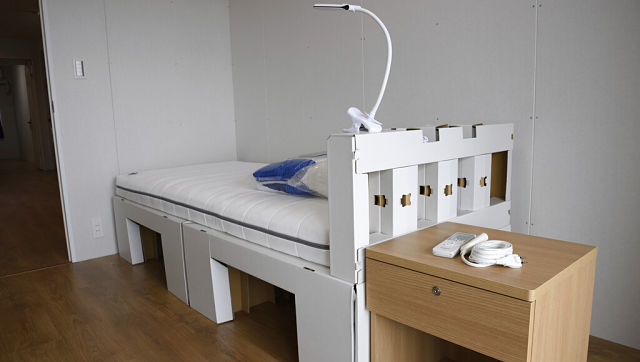
 A recyclable cardboard bed and mattress are seen inside a room for athletes at the Olympic and Paralympic Village for the Tokyo 2020 Games. The village consists of 21 residential towers varying from 14 to 18 floors with a total of 3,600 rooms. They’re equipped with 18,000 beds, all with spartan furnishings. AP Photo[/caption] [caption id=“attachment_9736471” align=“alignnone” width=“640”]
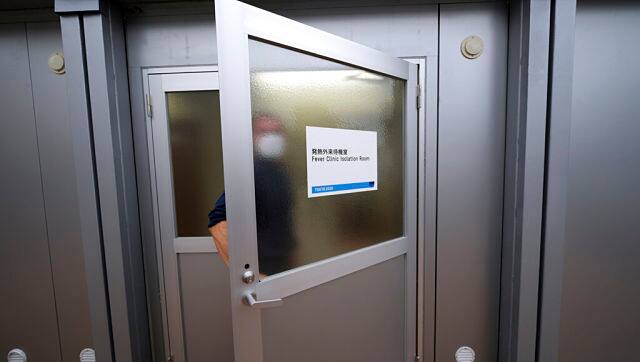 A Fever Clinic isolation room at Tokyo 2020 Olympic and Paralympic Village. About 20,000 tests are expected to be carried out each day. AP Photo[/caption] [caption id=“attachment_9736491” align=“alignnone” width=“640”]
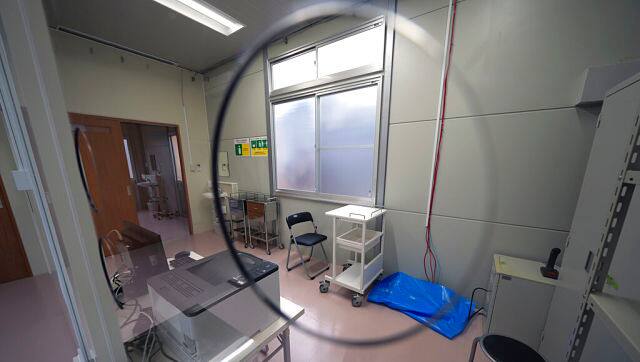 A room of ‘Fever Clinic’ is seen at the Tokyo 2020 Olympic and Paralympic Village. a prefabricated complex of isolation rooms inside the sprawling village on Tokyo Bay. This is where PCR tests will be given to athletes or staff suspected of carrying COVID-19. AP Photo[/caption] [caption id=“attachment_9736501” align=“alignnone” width=“640”]
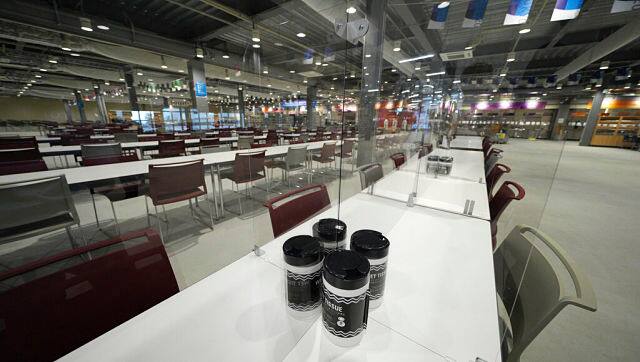 The two-floored dining area will have plastic panels to separate diners. Previous Olympics have used largely self-service, but food in Tokyo will be handled only by cooks and servers. Officials say diners can choose from about 700 options. AP Photo[/caption] [caption id=“attachment_9736511” align=“alignnone” width=“640”]
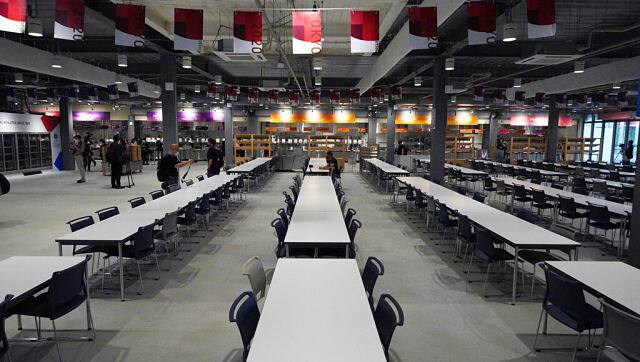 The main dining hall at the Tokyo 2020 Olympic and Paralympic Village. There will also be a special “casual dining area” that will serve famous Japanese dishes from okonomiyaki (a savory pancake) to rice balls to teppanyaki (dishes cooked on an iron grill). AP Photo[/caption] [caption id=“attachment_9736521” align=“alignnone” width=“640”]
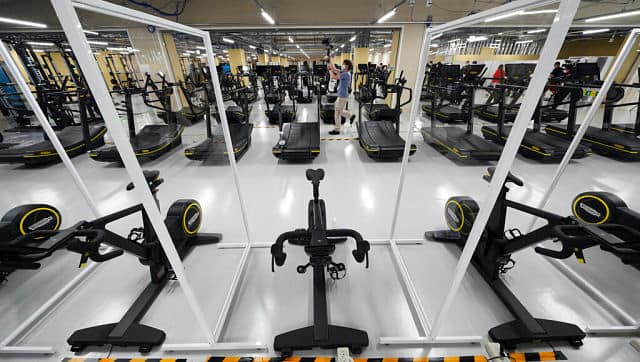 Plexiglass shields between gym equipment will be in place as part of the coronavirus measures. AP Photo[/caption] [caption id=“attachment_9736531” align=“alignnone” width=“640”]
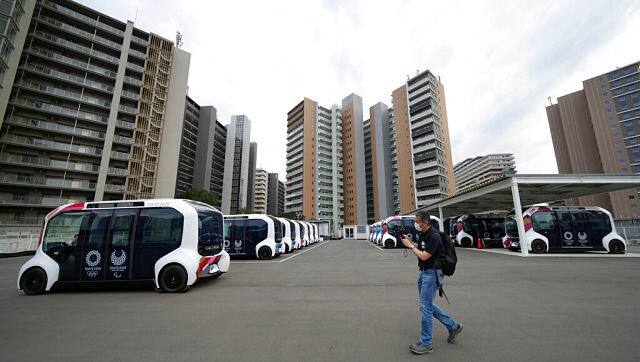 Autonomous electric vehicles which will be used around the main facilities. AP Photo[/caption]
Tokyo Olympics 2020: Recycled cardboard beds, 'fever clinic' and plexiglass shields in gym, a look inside the Athletes Village
The Associated Press
• June 22, 2021, 11:56:40 IST
The Tokyo Olympics will be like no other when they open. And they’ll have an idiosyncratic Olympic Village to match. From the aptly named “Fever Clinic,” to recycled cardboard beds, here’s what awaits thousands of athletes.
Advertisement
 "Tokyo Olympics 2020: Recycled cardboard beds, 'fever clinic' and plexiglass shields in gym, a look inside the Athletes Village")
End of Article