

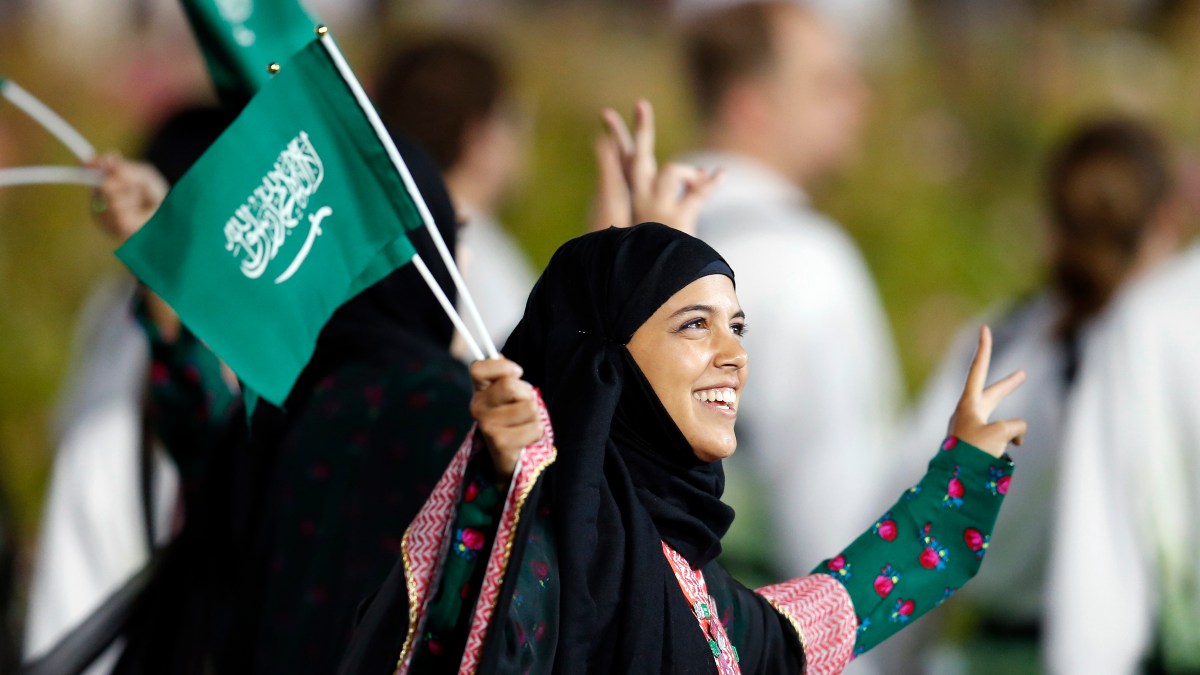
 "Explained: Why some athletes will not be able to wear a hijab at the Paris Olympics?")
The Paris Olympics is set to begin in a couple of days’ time with the first set of events scheduled for Wednesday, 24 July — a couple of days before the opening ceremony takes place in the French capital.
The 33rd Summer Olympic Games has had its fair share of issues in the build-up so far. The organisers have decided to host some swimming events in The Seine, a river with a history of high pollution levels that could pose a threat to athletes. Security officials have also imposed a lockdown in certain parts of Paris that hasn’t been too well-received by Parisians, especially those who reside in the affected areas.
Paris Olympics Complete Coverage: Click here for news, schedule, explainers and more
There’s also the issue of some athletes not getting to wear a hijab in the upcoming Olympics, the third to take place in Paris, that has led to a massive uproar in the international sporting community. The controversial decision, however, isn’t one that Paris 2024 organisers took by themselves but were forced to follow due to existing French laws.
Why are some athletes not allowed to wear a hijab at the Paris 2024 Olympics?
Not all athletes who will be participating in the 2024 Paris Olympics will be prevented from sporting a hijab as the law specifically applies to French female athletes. But why is there a law preventing female French athletes from wearing a scarf while competing, as is mandated for women in Islam?
France, after all, is among a handful of nations that have banned the hijab (headscarf), burqa (a dress covering the whole body) along with other religious symbols, defending its decision in the name of secularism.
Impact Shorts
More ShortsIt had first outlawed hijab for women and girls in schools in 2004, and would later pass an act banning a variety of face coverings including niqabs, burqas in 2010. The ban has remained in place for years now despite protests from French Muslims, who make up a sizeable minority.
Last September, French sports minister Amélie Oudéa-Castéra had reiterated that French athletes would not be allowed to display religious symbols in the Paris Olympcis keeping the nation’s principles of secularism in mind.
“That means the prohibition of any type of proselytising and the absolute neutrality of the public service. Which means that the representatives of our delegations, in our French teams, will not wear the headscarf,” Oudéa-Castéra had said.
However, while athletes are prohibited from wearing hijabs while competing, they can do so in the Olympic village where they will be housed for the duration of the Games.
How have athletes and global bodies reacted?
The decision to bar French athletes from wearing headscarves and other forms of religious clothing has been met with criticism from athletes and organisations alike, including the United Nations.
“No one should impose on a woman what she needs to wear, or not wear,” read a statement from the UN, according to The Guardian.
Australian boxer Tina Rahimi is among the non-French athletes slamming the decision by the Paris 2024 organisers.
“It’s so unfortunate… I’m really, really upset that that is something they’ve (the French government) put forward and that they’re not changing,” she said.
“This has got to do with the laws in France. Thankfully I’m still able to participate in my hijab, which I’m so grateful for – because I am not a French athlete, I am an Australian athlete,” Rahimi was quoted as saying by news.com.au.

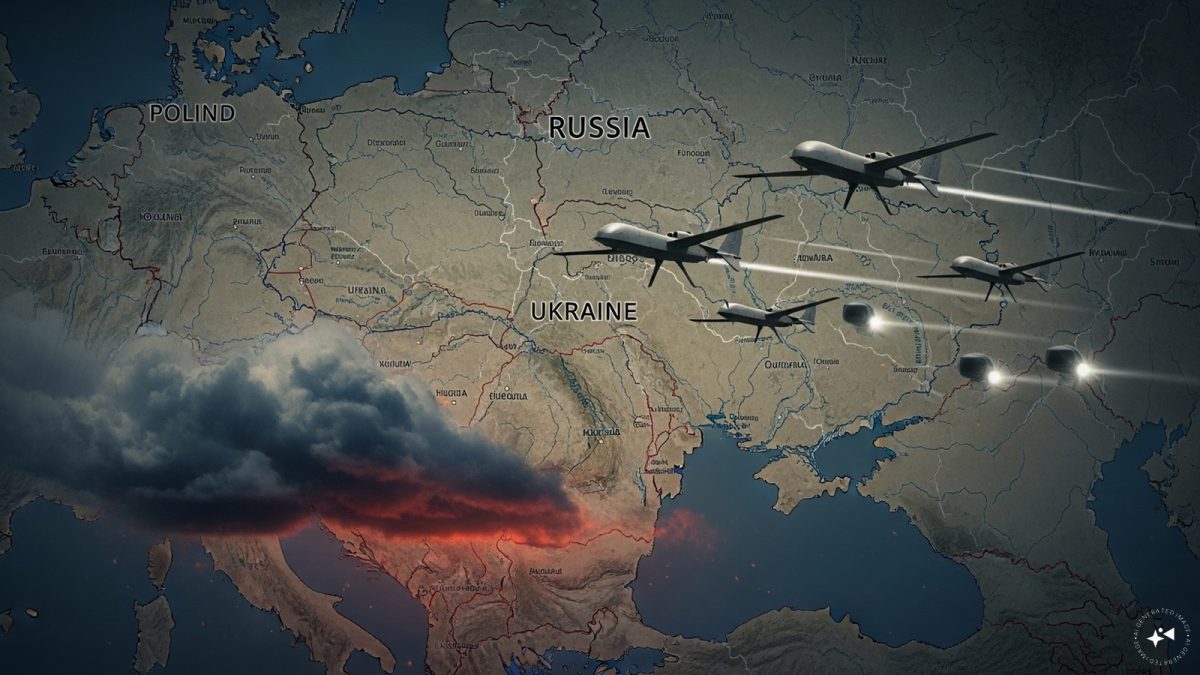 "Russian drones over Poland: Trump’s tepid reaction a wake-up call for Nato?")
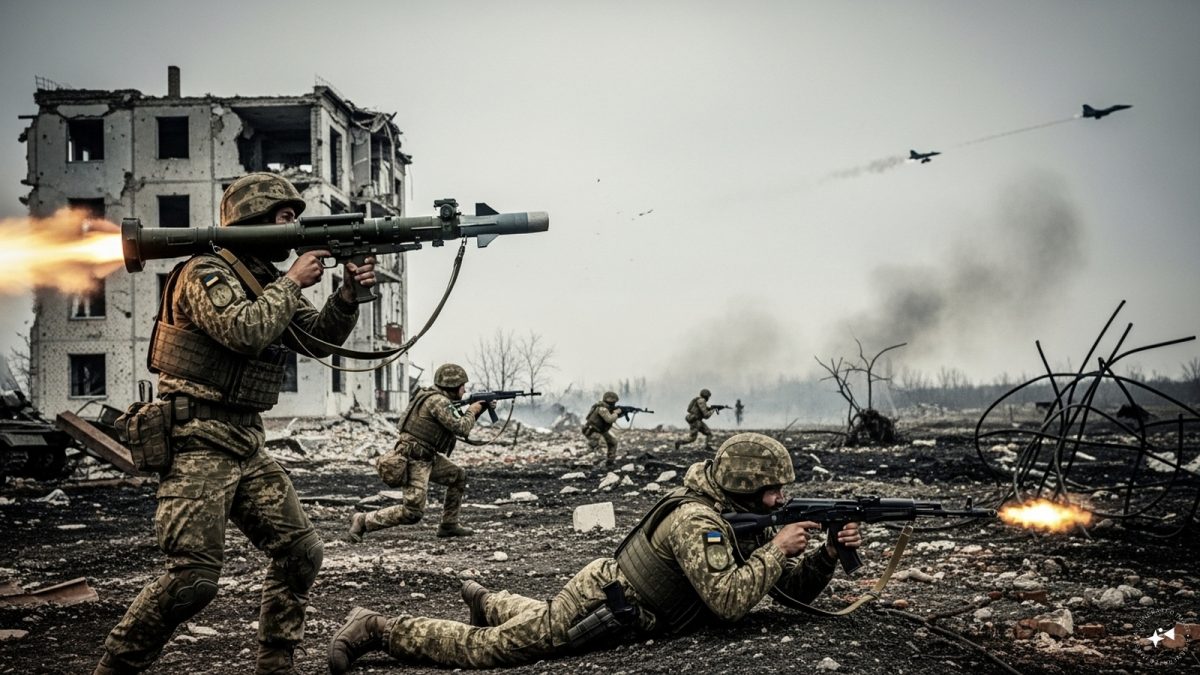 "As Russia pushes east, Ukraine faces mounting pressure to defend its heartland")
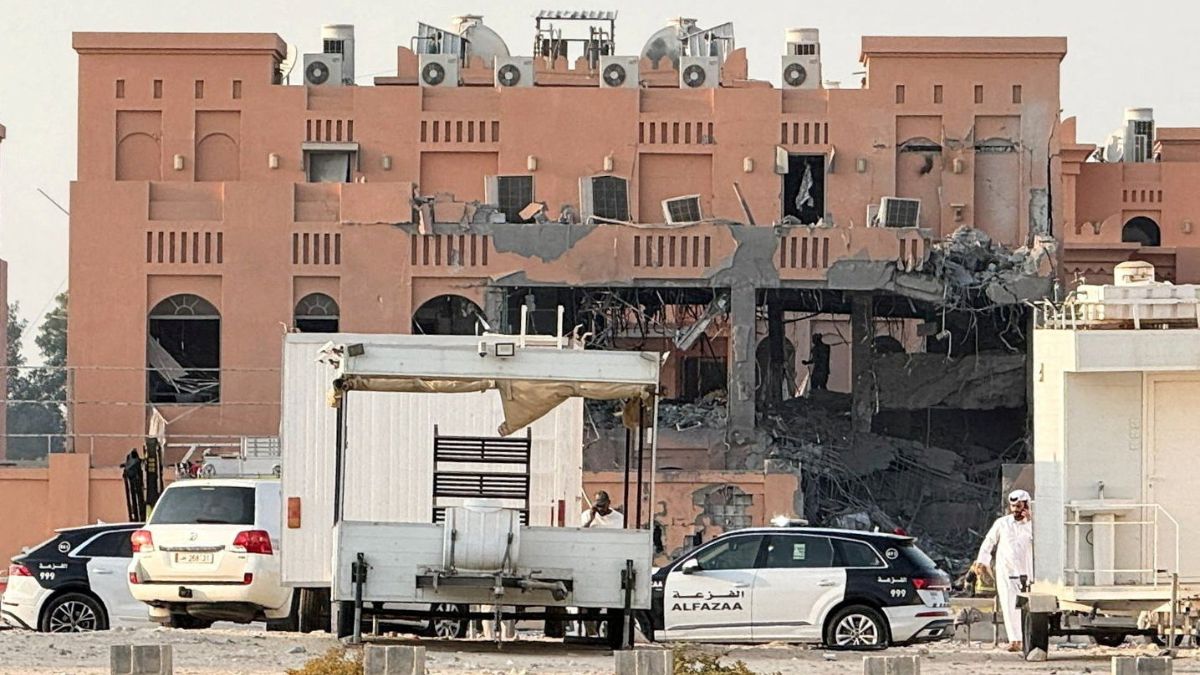 "Why Mossad was not on board with Israel’s strike on Hamas in Qatar")
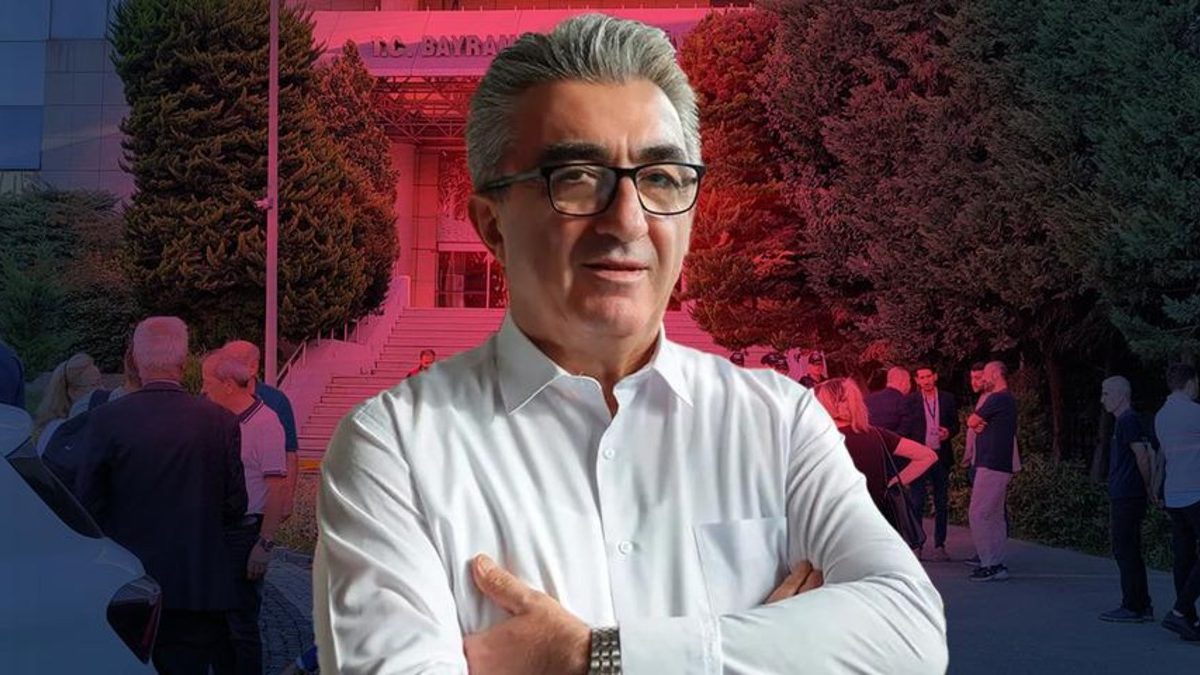 "Turkey: Erdogan's police arrest opposition mayor Hasan Mutlu, dozens officials in corruption probe")
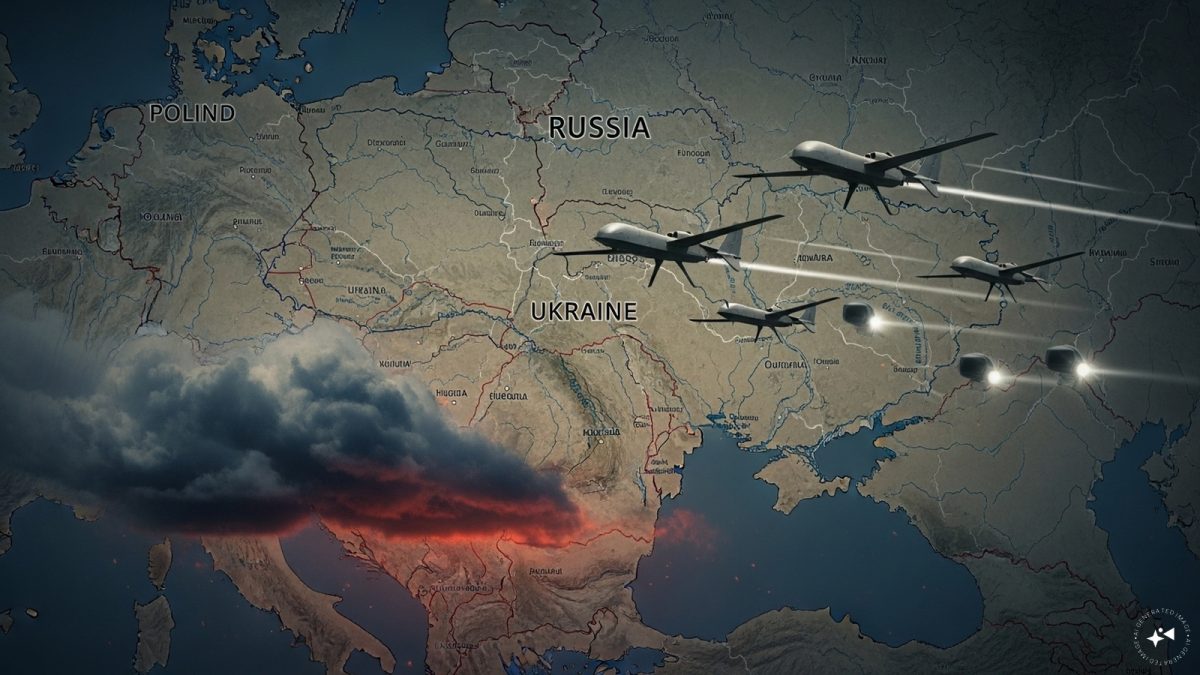 "Russian drones over Poland: Trump’s tepid reaction a wake-up call for Nato?")
 "As Russia pushes east, Ukraine faces mounting pressure to defend its heartland")
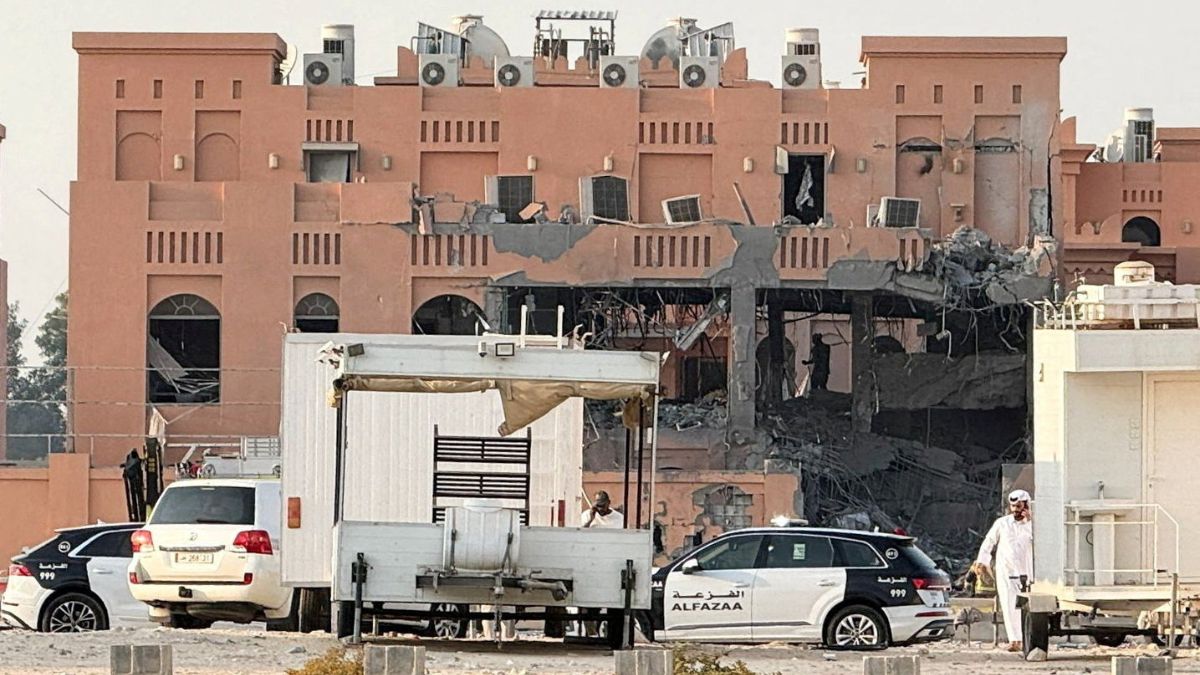 "Why Mossad was not on board with Israel’s strike on Hamas in Qatar")
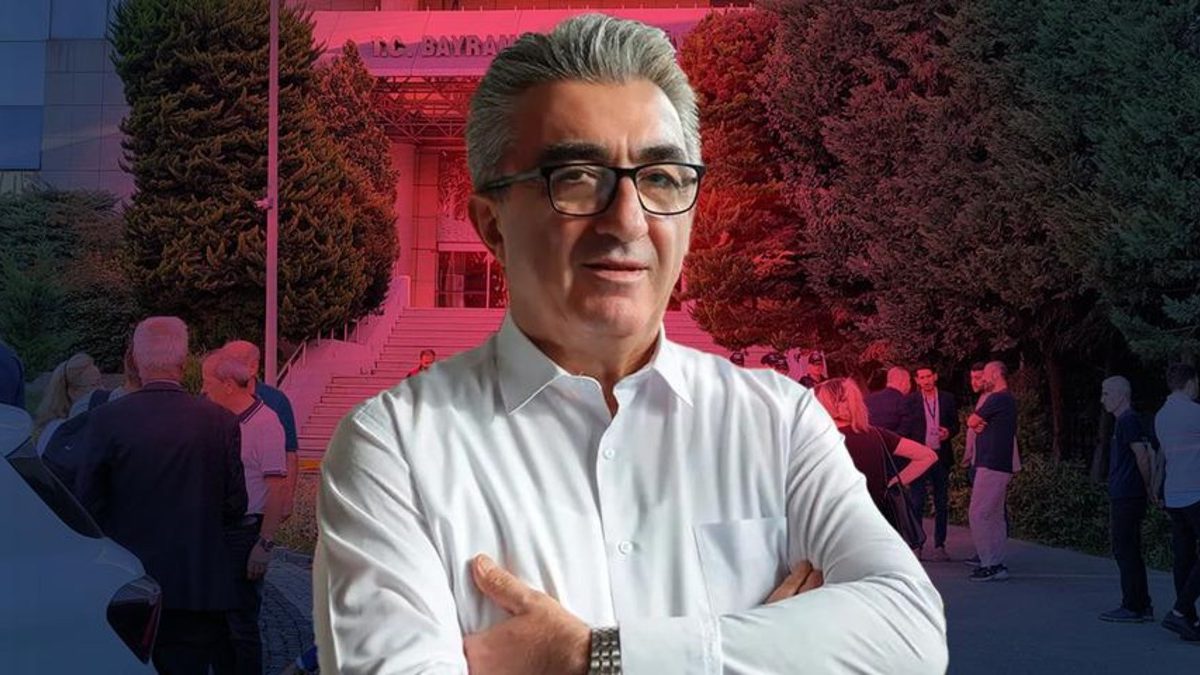 "Turkey: Erdogan's police arrest opposition mayor Hasan Mutlu, dozens officials in corruption probe")



