

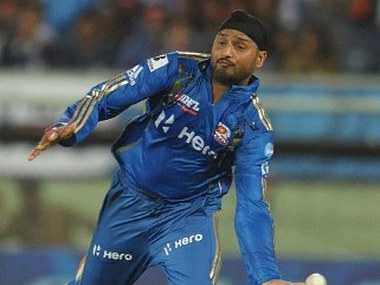
 "So Bhajji, tell us what a good T20 pitch is…")
Another match, another struggle for Mumbai Indians and another pitch with a tinge of green at the Wankhede Stadium… it didn’t take long for Harbhajan Singh to put the blame on the pitch, again. Of course, the fact that he himself hasn’t been performing had nothing to do with Mumbai’s troubles in the tournament. The off-spinner, who was appointed as skipper after Tendulkar declined to continue, has played all of Mumbai’s nine matches and taken just 3 wickets at an average of 73.00. [caption id=“attachment_293716” align=“alignleft” width=“380” caption=“AFP”]  [/caption] “A different wicket from what we have played at the Wankhede. Not good for T20 cricket. I came today and saw the pitch and said wow what to expect here, we never know what to expect from this track ever,” Harbhajan said after the match. “From next time, I think we have to ensure that we know what kind of wicket we are going to play on,” he added. It’s typically Harbhajan to blame Indian wickets. If he doesn’t get wickets, it must be the pitch. If his team doesn’t score runs, it must be the pitch, if his team loses, it definitely has to be the pitch. But at least the Wankhede curator can rest easy in the knowledge that this isn’t the first time Harbhajan has done that. After India’s tour of South Africa last year, Bhajji said this: “It is better to play in conditions like this where ball is doing something. In India, there is nothing for the bowlers. People like me bat at number seven and score back to back centuries. I really wonder why we cannot produce sporting wickets back home in India. If there is no bounce or turn in the wicket what can the bowler do?” Then again during the series against New Zealand in 2010, the off-spinner criticised the Hyderabad pitch that was prepared for the second Test. “These days foreign teams come to India secure in the knowledge that it is the best place to get runs,” he had said. “Gary Kirsten told me that when he came to play a Test series in India, the best place to bat was as an opener, because once the spinners came on, batting became difficult. But now, every wicket has been re-laid and the black soil has made the wickets pretty firm. It just doesn’t turn and the wicket plays well even on the final day.” He didn’t spare the curator either, saying he “deserves to be given the contract to build national highways.” The Motera wicket which hosted the first India-Sri Lanka Test in November in 2010 was also passed off as ‘not ideal for Test cricket.’ “The Ahmedabad pitch was purely a batting pitch and bowlers – be it me, Amit Mishra or Muttiah Murlitharan – all were butchered by the batsmen, which was not at all justice to the bowlers.” It didn’t end there. Bhajji was also critical at the benign nature of the SSC pitch laid out for the second Test between India and Sri Lanka at the SSC. Harbhajan told the Hindustan Times that such lifeless pitches brought nothing to Test cricket, “not even spectators.” The point of this entire argument is simple. Bhajji likes blaming the pitches and the curators. Was the Wankhede pitch a bad one just because Deccan Chargers had a Dale Steyn in their side? Or was it bad because Mumbai weren’t able to win very easily? At the end of the day, if Mumbai had batted well (they won with 11 balls to spare), they could have got to 130-140 easily. And that’s a pretty decent score. We’ve actually seen similar totals at other centres too. And it’s T20 – just 40 overs, both teams play on the same pitch, experience the same conditions. So what really is Bhajji cribbing about? And why does a T20 pitch need to be one that’s only good for batting? Given how good he’s become at blaming the pitch, he surely has a career as a curator waiting for him once he’s done with cricket. Of course, he could also become an ‘expert’ and then we’ll get some pretty special analysis of the pitches too.
Just as you told us what a good pitch in Tests and ODIs is. The off-spinner needs to get on with life and just play the game.
Advertisement
End of Article

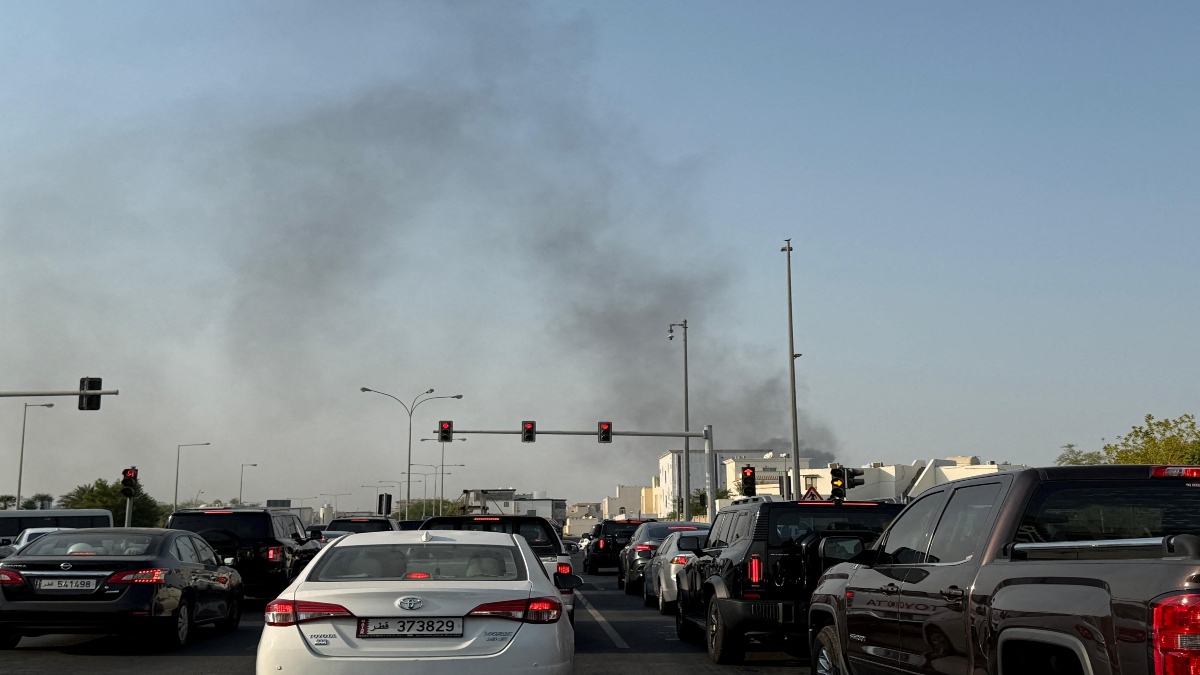 "Israel targets top Hamas leaders in Doha; Qatar, Iran condemn strike as violation of sovereignty")
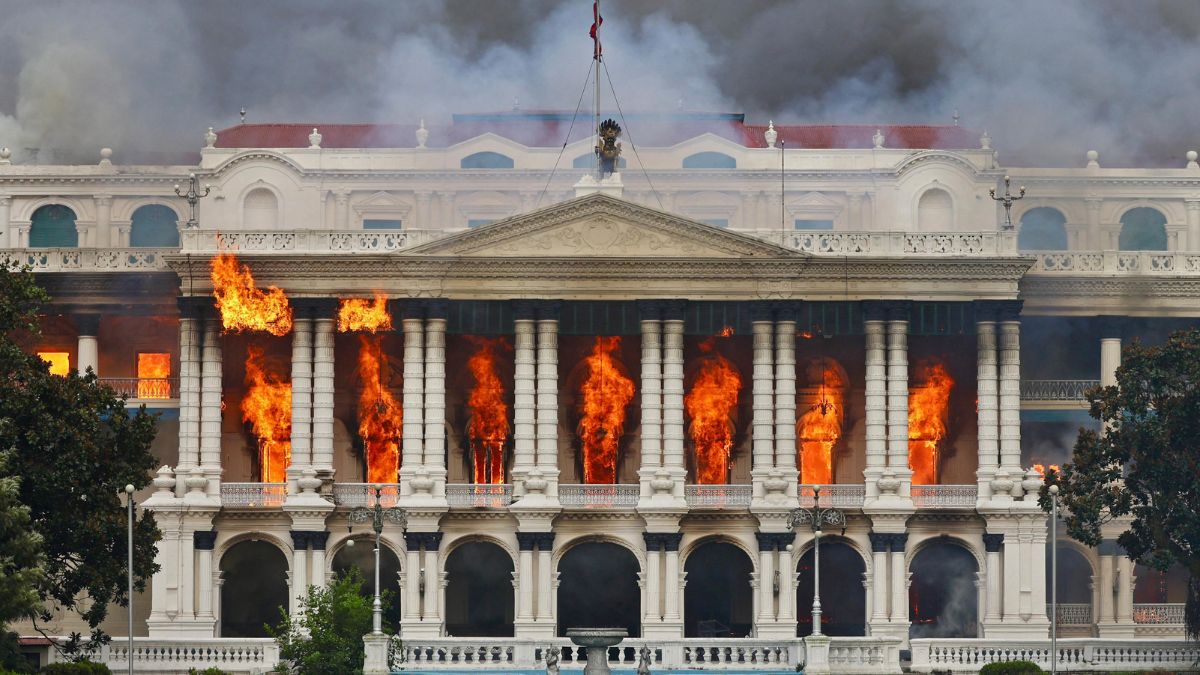 "Nepal: Oli to continue until new PM is sworn in, nation on edge as all branches of govt torched")
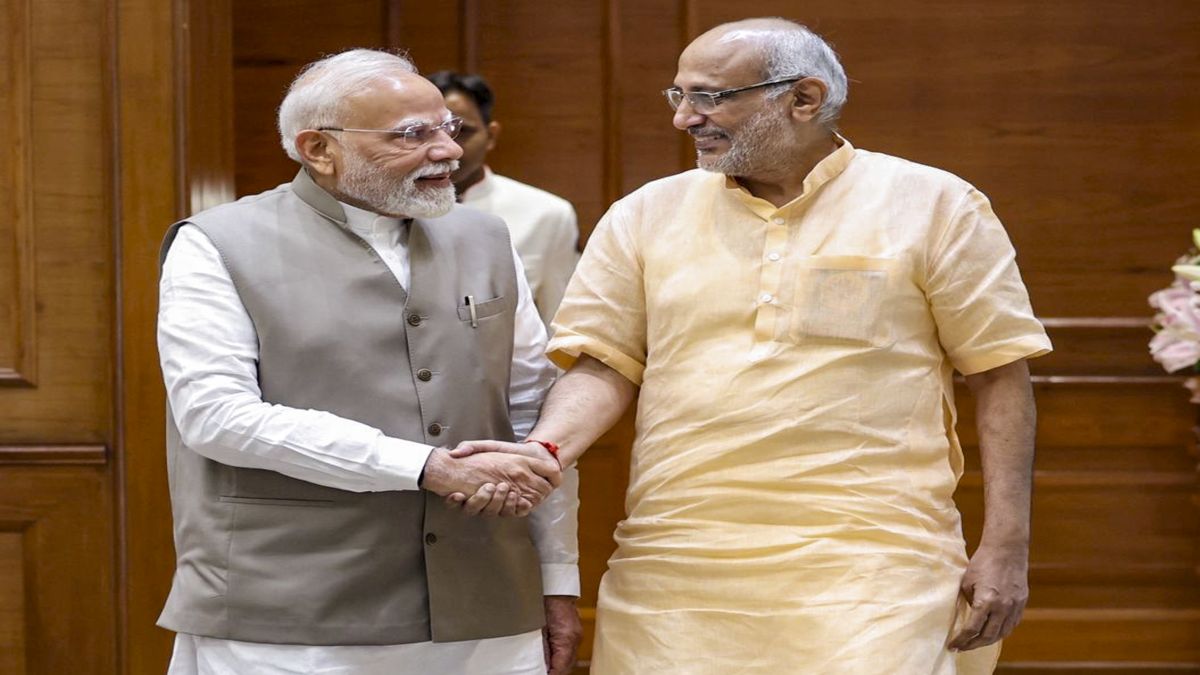 "Who is CP Radhakrishnan, India's next vice-president?")
 "Israel informed US ahead of strikes on Hamas leaders in Doha, says White House")
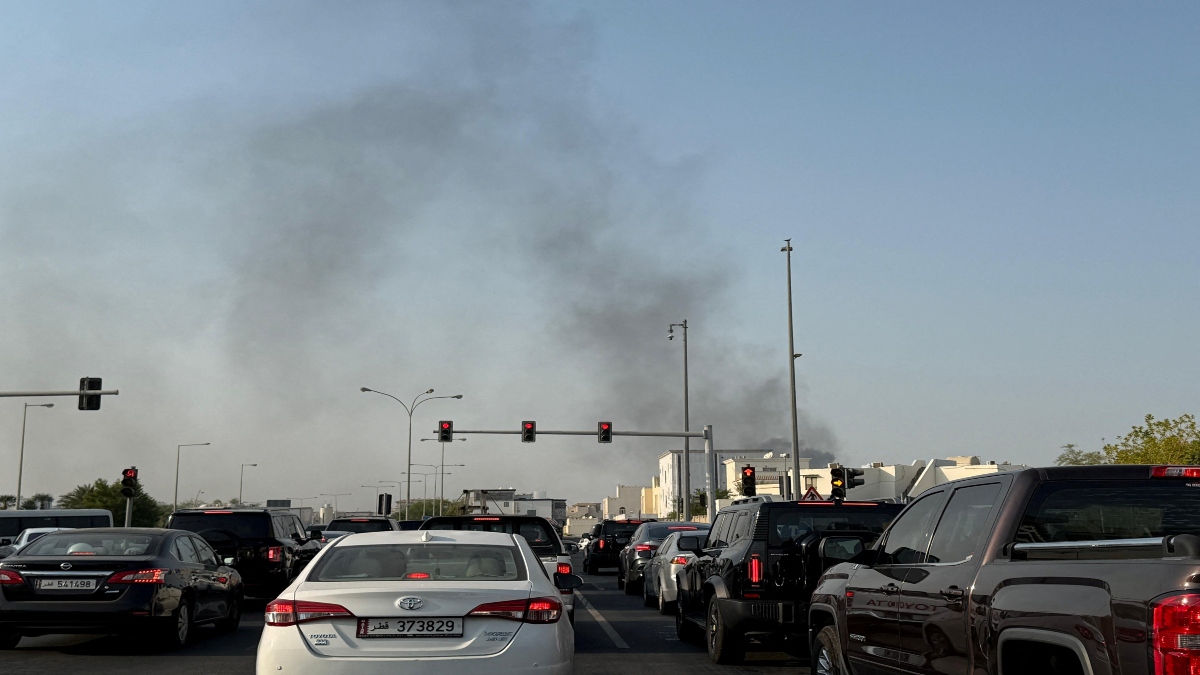 "Israel targets top Hamas leaders in Doha; Qatar, Iran condemn strike as violation of sovereignty")
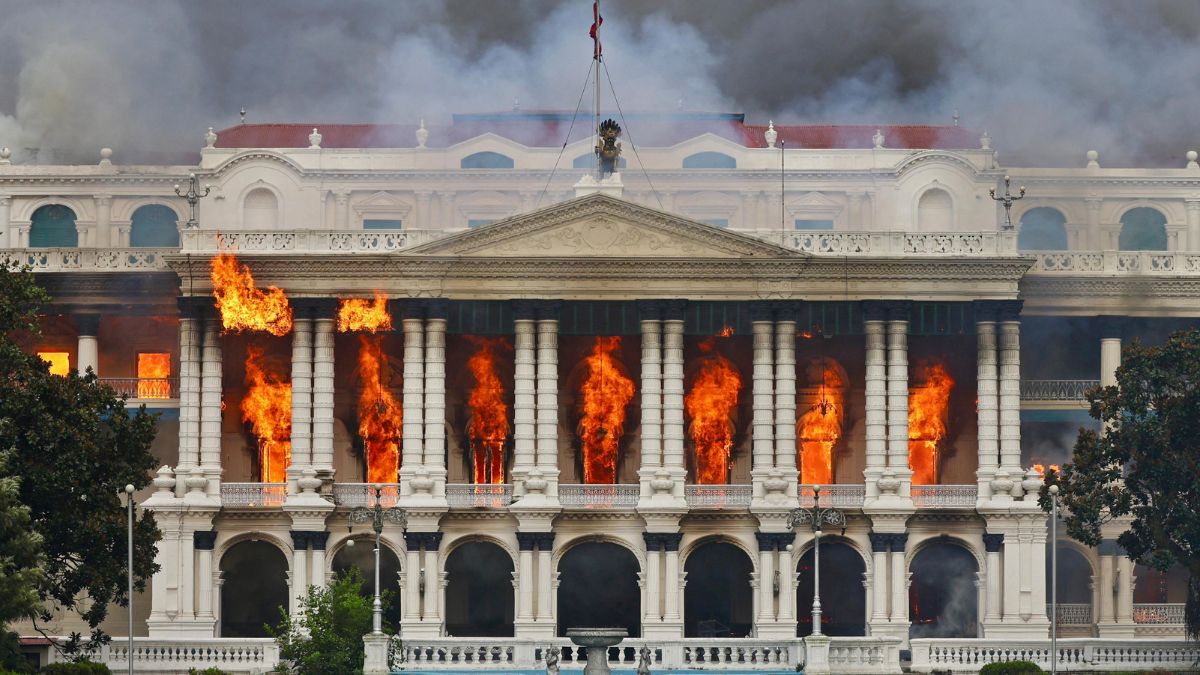 "Nepal: Oli to continue until new PM is sworn in, nation on edge as all branches of govt torched")
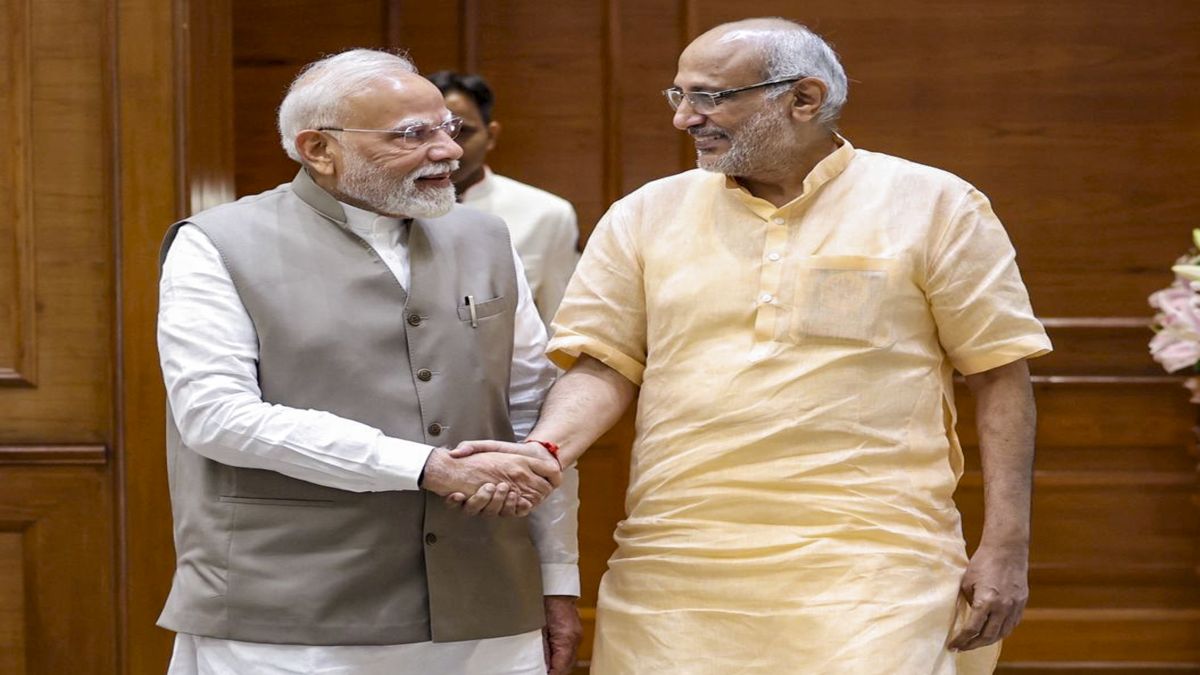 "Who is CP Radhakrishnan, India's next vice-president?")
 "Israel informed US ahead of strikes on Hamas leaders in Doha, says White House")



](https://images.firstpost.com/wp-content/uploads/2012/04/bhajji-afp.jpg)