

 "Commonwealth Games 2018: India start favourites to win badminton team gold and a clutch of individual medals")
If, a little over a decade ago, the powers-that-be in the Indian Olympic Association (IOA) had declared that a hefty chunk of India’s gold medals at the Commonwealth Games (CWG) would likely come from badminton, they would have been laughed out of sight. And yet, as Pusarla Venkata Sindhu proudly waves the Indian tricolor at the head of a 225-member contingent at the opening ceremony of the 14th edition of the sporting extravaganza that had begun at Kingston, Jamaica, in 1966 as the British Empire and Commonwealth Games, it is virtually a foregone conclusion that India will reap medals from both the mixed team event and all five individual events of the shuttle sport at the Gold Coast in Australia. And three of them could well be gold. The Indian badminton squad had shown its strength, depth and versatility in the 2014 Commonwealth Games in Glasgow, Scotland, with Parupalli Kashyap taking the individual men’s gold, and RMV Gurusaidutt and Sindhu pocketing bronze medals in the singles events. Saina Nehwal had bagged the women’s singles gold in the 2010 Games in New Delhi, but missed participating in Glasgow. [caption id=“attachment_4418173” align=“alignleft” width=“380”] 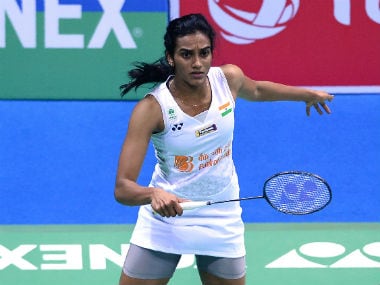 PV Sindhu will be leading the Indian contingent in the Commonwealth Games 2018 opening ceremony. AFP[/caption] However, the Indian shuttlers had not been able to halt the inexorable march of Malaysia towards a hat-trick of golds (in 2006, 2010 and 2014) in the mixed team event. That scenario could well change this time, as the most powerful and balanced badminton squad ever to represent the country will vie for the team gold between 5 and 9 April, and for the yellow metal in the individual events from 10 to 15 April. It must be stressed at the very outset that the standard of badminton at the Gold Coast will be nothing to write home about. Of the “usual suspects”, the teams that normally provide the most sterling opposition at the stellar international team events like the Thomas and Uber Cup, more than three-quarters are missing. There is no China in the fray, no Japan, no South Korea, no Denmark, no Indonesia, no Chinese Taipei, no Thailand. None of these nations are members of the Commonwealth that once represented the extent of the British Empire. In fact, the standard of badminton would be far higher at even the SEA Games which feature all the countries of South East Asia. The teams in contention for top honours in Australia can be narrowed down to India, Malaysia and England. With there being a restriction in the number of players that can be fielded in both the team and individual events, as many as 16 of the top 20 names among the men, and 17 of the top 20 among the women, will be forced to watch the action at the Carrara Sports and Leisure Centre from the sidelines, on television or live-streamed on the internet. As the No 1 seeds in the mixed team event, India head Group A, and have to deal with Scotland, Pakistan and Sri Lanka, all of whom are lightweights in the world of badminton. The mixed team event is played along the lines of the Sudirman Cup, with the five-match tie comprising one each of men’s and women’s singles, men’s and women’s doubles, and mixed doubles. World no 16, Kirsty Gilmour, will lead Scotland’s challenge against India, and could give either Sindhu or Saina a trying time. But she has little support from the other members of her team, and it would constitute a huge surprise if the Scots were to stretch the Indians the full distance. Malaysia, as the second seeds and defending champions (they have taken the gold medal at the past three Commonwealth Games in a row), head Group D, and will also face none-too-strong opposition from Canada, Seychelles and Ghana. Led by the evergreen Lee Chong Wei, the Malaysians also have in their ranks the powerful men’s doubles combination of Goh V Shem and Tan Wee Kiong. For Canada, the 2014 women’s singles Commonwealth Games gold medallist, Michelle Li, may well win her match against anyone fielded by the Malaysian coaches, but the Canadians are unlikely to be able to pull out any of the other four matches against the South-east Asian team. Seychelles and Ghana are the minnows in this pool, and are not expected to make the play-off quarter-finals. Singapore and England are the other two favoured sides in the team event, and are placed at the top of Groups B and C, respectively. The Singaporeans have to settle the pretensions of Mauritius, Zambia and Jamaica, while the English face Australia, South Africa and Uganda. England have two strong matches in the doughty Rajiv Ouseph’s singles and the husband-and-wife mixed doubles pairing of Chris and Gabrielle Adcock, and need just one more from the remaining three matches to ensure a tie victory. Left-hander Adcock is a virtual dynamo on the court, and is almost certain to be played in the men’s doubles, as well.
The Indian challenge in the team event lies in its all-round strength, with the men’s singles being in the capable hands of Kidambi Srikanth and HS Prannoy, the women’s singles with Sindhu and Saina, the men’s doubles with the exciting young combination of Satwiksairaj Rankireddy and Chirag Shetty, the women’s doubles with Ashwini Ponnappa and N Sikki Reddy, and the mixed doubles with Pranaav Jerry Chopra and Sikki Reddy.
Winning three matches from amongst these five, to make a tie safe, should not constitute a problem for this confident Indian squad, which would look forward to the team gold and medals in all five individual events. Realistically speaking, there should be gold and silver for India in the women’s singles, and at least a silver and bronze in the men’s singles. If Rankireddy and Shetty hit a purple patch, they could well upstage Malaysians Goh and Tan for the men’s doubles gold. It remains to be seen if Ponnappa can combine with Sikki Reddy as well as she had done with another left-hander, Jwala Gutta, while bagging the gold at the 2010 Commonwealth Games on home ground in New Delhi.

 "Israel targets top Hamas leaders in Doha; Qatar, Iran condemn strike as violation of sovereignty")
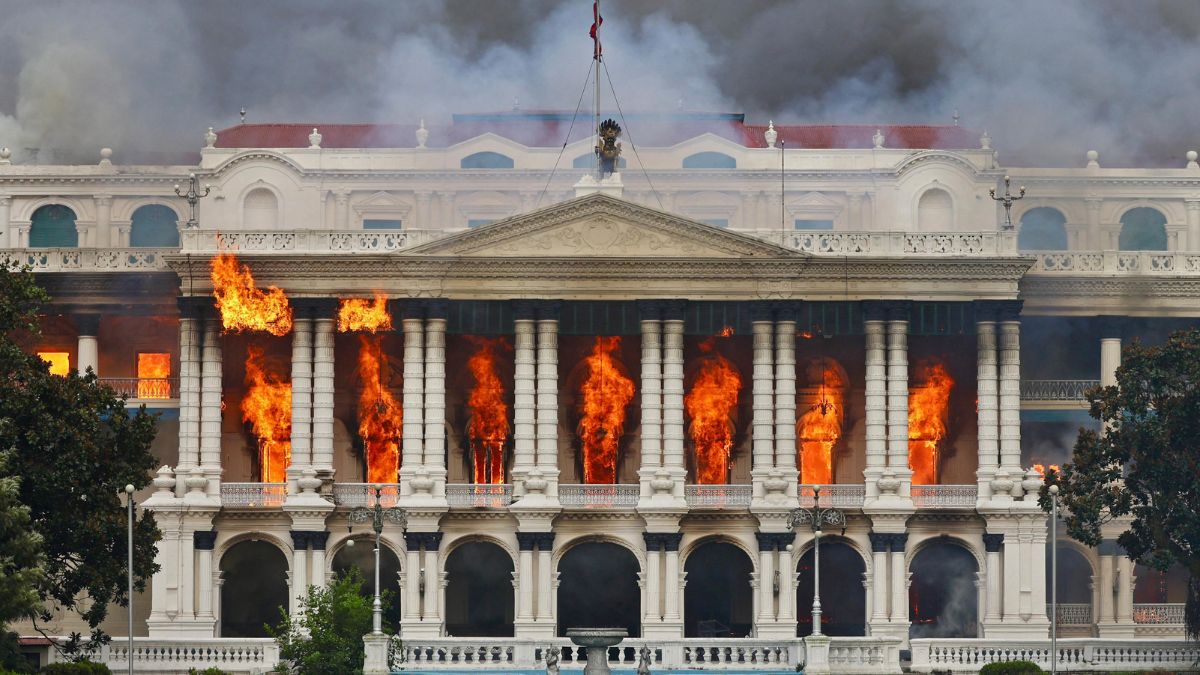 "Nepal: Oli to continue until new PM is sworn in, nation on edge as all branches of govt torched")
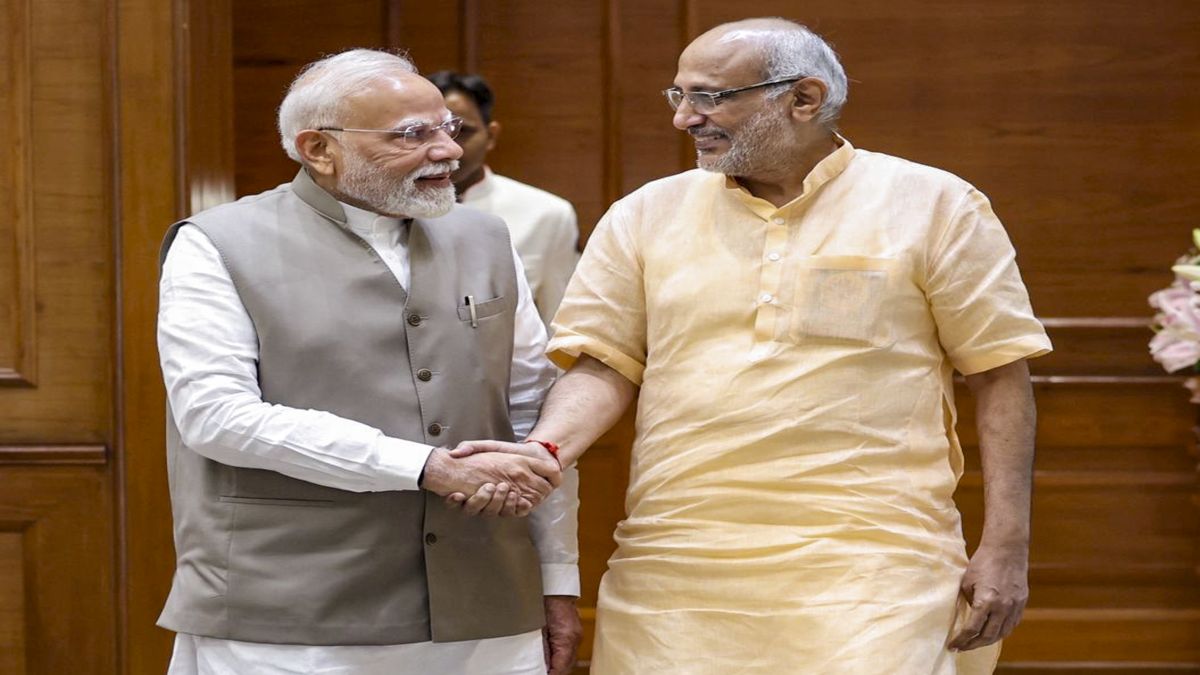 "Who is CP Radhakrishnan, India's next vice-president?")
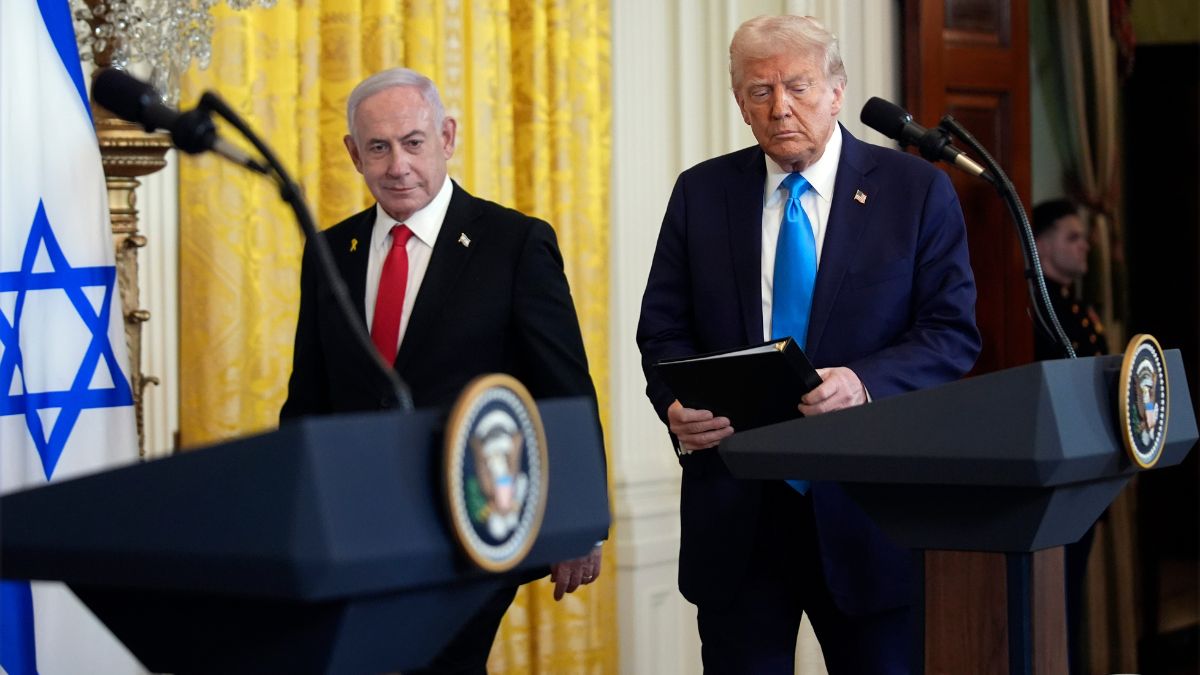 "Israel informed US ahead of strikes on Hamas leaders in Doha, says White House")
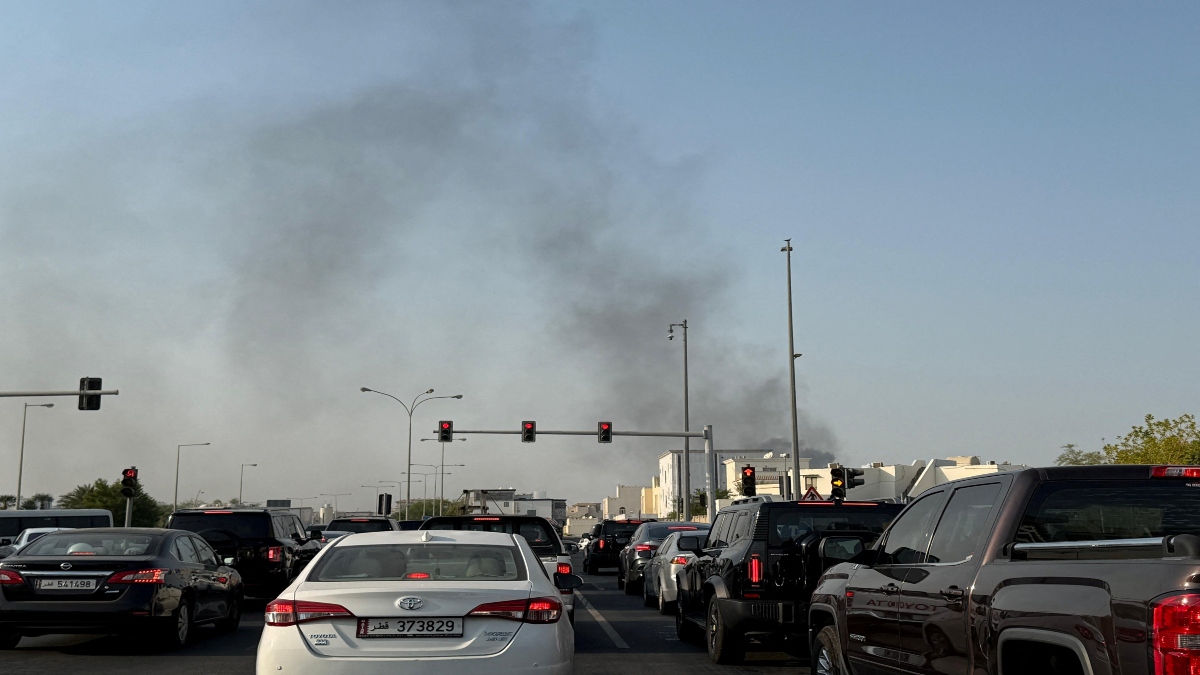 "Israel targets top Hamas leaders in Doha; Qatar, Iran condemn strike as violation of sovereignty")
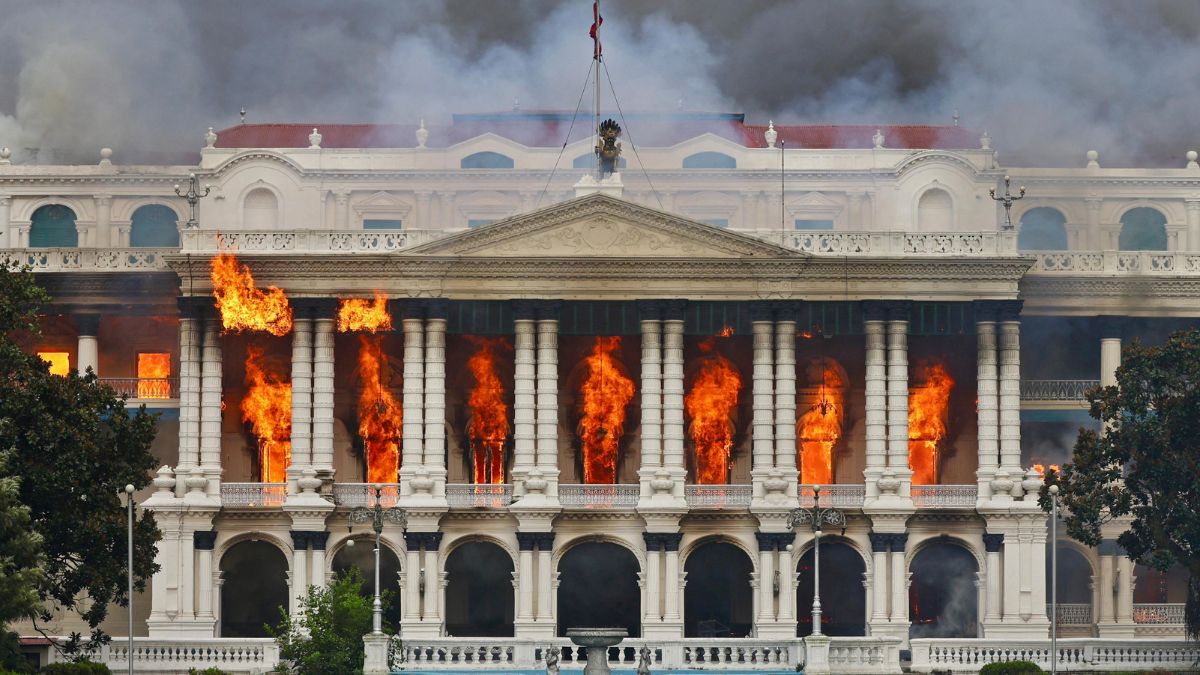 "Nepal: Oli to continue until new PM is sworn in, nation on edge as all branches of govt torched")
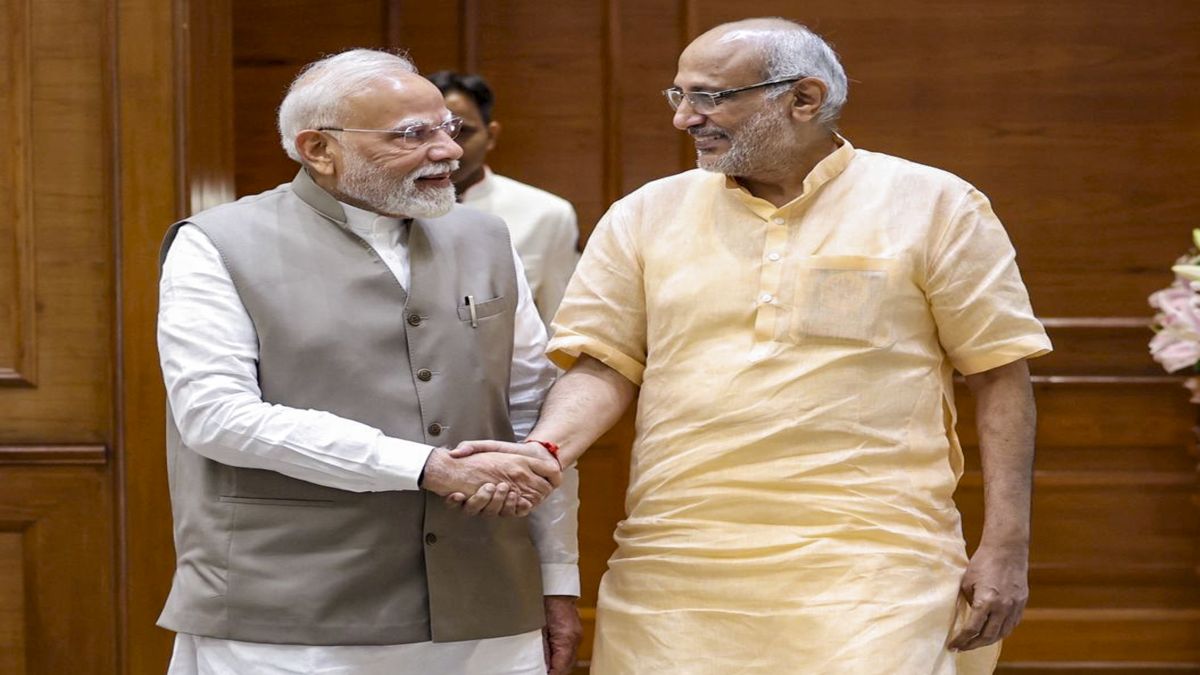 "Who is CP Radhakrishnan, India's next vice-president?")
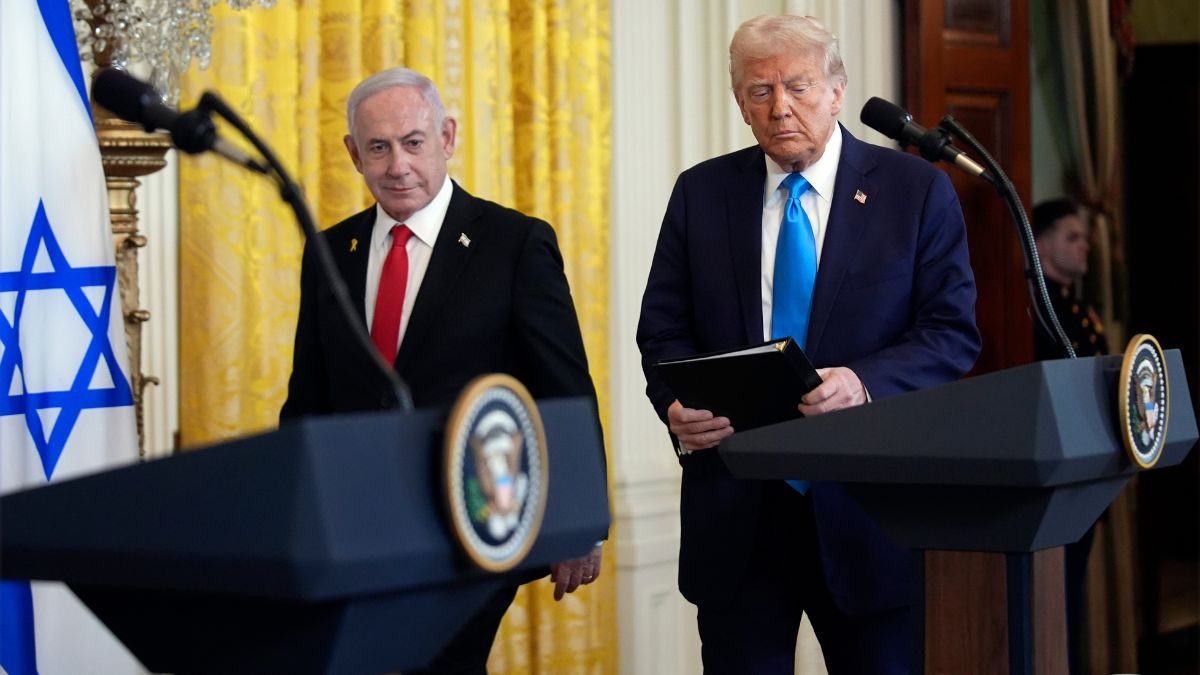 "Israel informed US ahead of strikes on Hamas leaders in Doha, says White House")



](https://images.firstpost.com/wp-content/uploads/2018/04/PV-Sindhu-AFP-380.jpg)