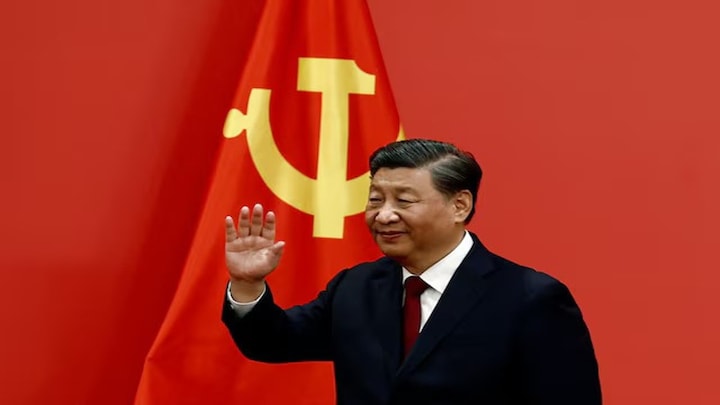
Xi’s China: When too much control becomes a systemic risk
Xi Jinping’s China marks a shift from the CCP’s historically adaptive, semi-decentralised governance to extreme centralisation of power. While previous leaders tolerated local experimentation and competition, Xi has consolidated authority, neutralised rivals, and prioritised political loyalty over performance. This rigid structure stifles initiative, delays decision-making, and risks policy paralysis, especially as China faces slowing growth, demographic decline, and rising social expectations. The system, while appearing strong, is brittle—lacking flexibility to absorb shocks. China’s future hinges on whether Xi’s governance can reintroduce internal correction mechanisms, allow limited decentralisation, and restore administrative adaptability before demographic and economic pressures reach critical levels.
