From Colombo to Dhaka: The political economy of unrest in India’s backyard
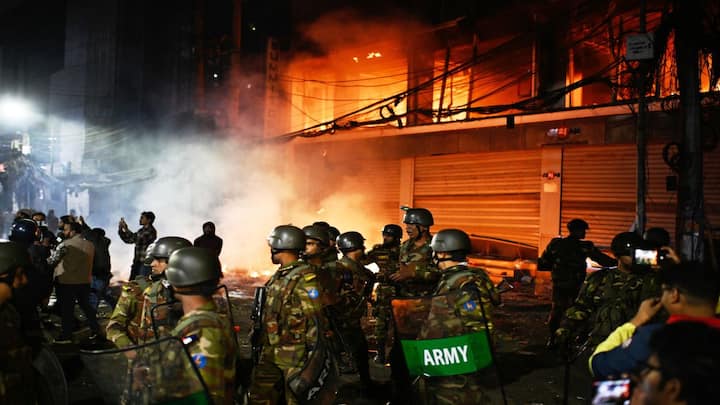
Since 2024, Bangladesh has faced widespread unrest driven by student protests over a civil-service quota ruling. Demonstrations spread nationwide, halting classes, disrupting transport, and prompting curfews, army deployment, and an internet blackout. The crackdown resulted in approximately 1,400 deaths, injuries, and severe economic losses estimated at $1.2 billion. Sheikh Hasina resigned in August 2024, and an interim government led by Muhammad Yunus is preparing for the February 2026 elections and reforms. Youth activism, digital disruptions, and distrust in institutions have amplified political instability. The country continues to navigate a fragile transition, highlighting the intersection of governance, economy, and social movements in Bangladesh.
