

 "Target groups not aware of UPA's programmes: CNN-IBN survey")
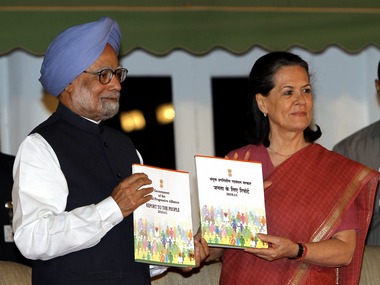
The UPA, led by the Congress, has to work really fast to reach out to the rural constituency if it wants to reap the benefits of its populist schemes and programmes. The Food Security Act might still be dominating drawing room conversation across the country, but the intended beneficiaries of the legislation are mostly oblivious of its existence. The same holds true of many of the enacted and proposed social legislations of UPA-II. However, MNREGA - the UPA’s rural employment guarantee programme - is much better known among the target groups, according to a survey. [caption id=“attachment_983477” align=“alignleft” width=“380”] Sonia Gandhi and Manmohan Singh in this file photo. Reuters[/caption] Conducted by CSDS for CNN-IBN and The Hindu in 18 states across the country, the survey reveals that MNREGA is the most heard of or read about among the UPA’s schemes, followed by the farm loan waiver and the Right to Education. As many as 78 percent of the respondents said they were aware of the employment scheme while the numbers were 64 and 44 percent respectively in case of the other two. There’s a big gap between the number of respondents who have heard of the schemes and those who have actually benefitted from it. In case of MNREGA, 47 percent claimed they have benefited from it, while the number was 30 percent in case of the loan waiver scheme. While 55 percent of Muslims have heard about the scholarship scheme of the government for minority students, 41 percent of them claimed they have benefitted from it. A low 38 percent have heard of the Right to Information Act and an even lower percentage — 15 — have used it. Close to 54 percent of the respondents say they have not benefitted from any of the welfare schemes of the UPA government.
The survey reveals that awareness of proposed UPA schemes and legislation is very low among the target groups; however, there is big support for these from people who have heard of it. Only 19 percent of the respondents are aware of the Food Security Act but a whopping 71 percent of them said they supported it. Similarly, 21 percent of the poor are aware of the direct cash transfer scheme but as many as 68 percent of them approve of it. In case of the land acquisition bill, 22 percent of the farmers are aware of it and 49 percent among them support it.
So what’s the takeaway from the UPA from it? As things stand at this point, it might get no electoral benefit from the schemes. With elections not far away, it has to move fast among the rural electorate to spread awareness about these. Key points about survey: All figures are in per cent and rounded off; hence they may not add up to 100. Questions asked: Have you heard/read about _____________? Have you or members of your household benefitted from/used ___________in any way? All figures are in percent and rounded off; rest of the respondents had not heard of it and did not support it. Questions asked: Now I am going to read out the names of a few proposed schemes, legislations and initiatives of the Central Government. Please tell me, have you heard of them? (If heard) Do you support or oppose them? The survey was conducted when the Food Security Ordinance had not been cleared by the Government and the discussion in the media was about the proposed Bill.

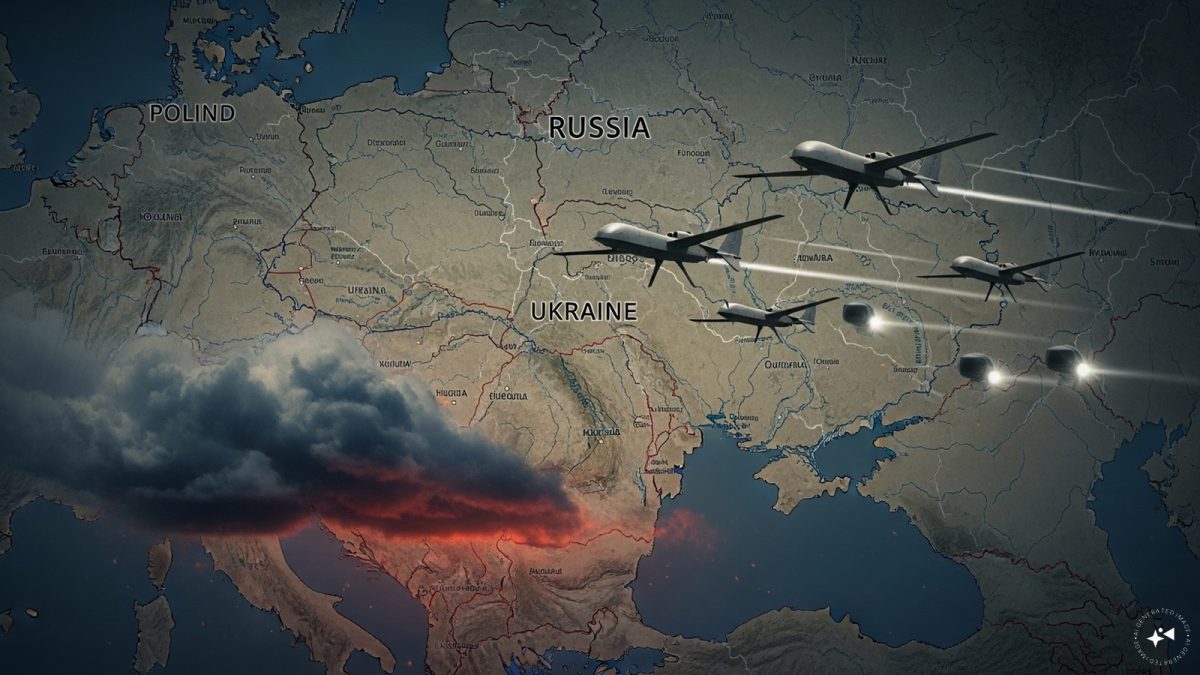 "Russian drones over Poland: Trump’s tepid reaction a wake-up call for Nato?")
 "As Russia pushes east, Ukraine faces mounting pressure to defend its heartland")
 "Why Mossad was not on board with Israel’s strike on Hamas in Qatar")
 "Turkey: Erdogan's police arrest opposition mayor Hasan Mutlu, dozens officials in corruption probe")
 "Russian drones over Poland: Trump’s tepid reaction a wake-up call for Nato?")
 "As Russia pushes east, Ukraine faces mounting pressure to defend its heartland")
 "Why Mossad was not on board with Israel’s strike on Hamas in Qatar")
 "Turkey: Erdogan's police arrest opposition mayor Hasan Mutlu, dozens officials in corruption probe")



