

 "Sharad Pawar’s strategy: Attack is the best defence")
The NCP is a party of innocent, efficient and well-meaning do-gooders that is being harassed by the anti-corruption brigade in the country. If this negativity is allowed to continue it would harm the democratic foundations of the nation. This was the central message that Union agriculture minister and NCP president Sharad Pawar sought to convey to his starry-eyed followers at the recent state-level convention in Pune. Pawar, the indefatigable warhorse in the battlefield of Indian politics, displayed his acumen by pulling out a leaf from the celebrated war strategist Carl von Clausewitz’s aphorisms on fighting an enemy. The enemy, for Pawar, was neither Pakistan nor Congress president Sonia Gandhi whom he had attacked in the past on the issue of her foreign origins. The enemy this time was the crisis of confidence among the rank and file of the NCP. Can a party that has been shaken up by a spate of controversies and allegations, one after the other over the last 15 months, be fighting fit for the 2014 general elections? Clearly, this is the issue that Pawar wanted to address during the NCP’s two-day Maharashtra convention at Pune on October 20-21. Adopting Clausewitz’s strategy of attacking the enemy as the best form of defence, it was not just Pawar but the entire NCP leadership that was at its attacking best, all with a purpose to serve. [caption id=“attachment_499065” align=“alignleft” width=“380”] 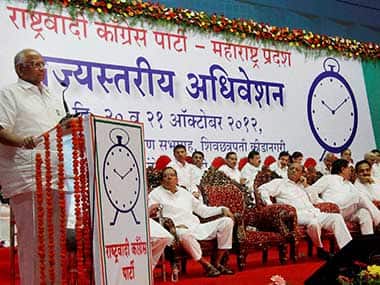 Union Minister and NCP President Sharad Pawar addresses the Maharashtra State level conference of Nationalist Congress Party in Pune on Sunday. PTI[/caption] Restoring the confidence of the party workers demanded the highest priority and Pawar went about the task rather effectively, throwing in some emotions too by revealing the details of his heroic battle against oral cancer, a decade ago. It is commonly believed that this powerful politician contracted this deadly disease through his habit of chewing gutka in early years. The NCP president set the stage by being critical of the anti-corruption crusades in the country which he said was resulting in a climate of negativity all around. Such an environment could endanger democracy itself, he cautioned his party. In an obvious reference to the Anna Hazare – Arvind Kejriwal movements in his inaugural speech on October 20, he said, “There is a deliberate attempt to suggest that the country has been gripped by corruption all around, as if, nothing good is happening. If this climate of negativity continues unchecked, it could jeopardise the democratic institutions and the foundations of our nation.” With the controversy around his alleged association with the 2G spectrum scam-accused Shahid Balwa now erased from public memory, Pawar did not feel the need to rake it up. However, he put up a strong defence of his family over the allegations enveloping the Lavasa Lake City project. Pawar attacked his opponents by declaring that there was no irregularity in the project and defended the decisions taken by him, his nephew Ajit Pawar and the investments made by his daughter Supriya Sule in the project. His explained the criticism heaped on him by stating that all development projects that are born out of a vision have to face opposition. The concept of “conflict of interest” was non-existent for him. In their respective speeches, Pawar, his nephew and former deputy chief Minister Ajit Pawar and water resources minister Sunil Tatkare then dismissed the much-reported irrigation scam in Maharashtra. They maintained that chief minister Prithviraj Chavan’s claim that just 0.1% irrigation had been achieved in the last decade after an investment of Rs. 70,000 crore was wrong maths. The irrigation achieved was well over 5% said Pawar, with Tatkare claiming that an additional 28.78% of land had been brought under irrigation in the last ten years, and not 0.1% as claimed by the CM. Pawar blamed government bureaucrats and engineers for irregularities and non-completion of projects by stating that it is not ministers but they who are supposed to go on field visits and report irregularities to the minister. The media also came under attack from all the senior NCP leaders, including Pawar. Everyone, including Pawar seemed satisfied when PWD minister Chhagan Bhujbal defended himself in the Maharashtra Sadan controversy with allegations that his family members had benefitted through sub-contracts. Bhujbal promised that he would quit politics if found guilty in the alleged scam. Ajit Pawar defended himself against allegations of favouring BJP president Nitin Gadkari’s NGO in sanctioning government land by explaining that he was an efficient minister who took quick decisions. He advised chief minister Prithviraj Chavan not to worry too much about his image and to demonstrate his political strength by winning an election. Leader after leader advised the NCP worker not to be defensive in the face of criticism but give prompt responses to the critics and go about doing what they felt was right. Through their speeches and body language, uncle Pawar and nephew Ajit sought to assure party workers that all was well within NCP’s first family and there was no conflict between the two as speculated intensely by the media. At the same time, Pawar reiterated his resolve not to contest Lok Sabha elections in future but enter Parliament through the Rajya Sabha. His announcement that he would devote himself completely to leading the party through the 2014 polls was also extremely reassuring for the party’s rank and file, a section of which was worried about the rising assertiveness of Ajit Pawar. Always a man of ideas and vision, Pawar advised his followers to pay greater attention to the needs of non-Maharashtrians who had an influential voting strength in 84 of the 288 assembly constituencies in the state. In Mumbai alone, the non-Marathi voting strength was high as 70% he said. He also wanted the party to pay greater attention to the concerns of the Muslim youth and address their need for employment and also pay greater attention to urban issues in view of the rapid urbanization across the country. Undoubtedly, Pawar did put up a good show as a party leader, but nothing more. He could not rise up to India’s crying need for a new class of leaders who would rise above vote-bank politics and promote transparency, accountability and probity in public life.
The NCP president set the stage by being critical of the anti-corruption crusades in the country which he said was resulting in a climate of negativity all around.
Advertisement
End of Article

 "Israel targets top Hamas leaders in Doha; Qatar, Iran condemn strike as violation of sovereignty")
 "Nepal: Oli to continue until new PM is sworn in, nation on edge as all branches of govt torched")
 "Who is CP Radhakrishnan, India's next vice-president?")
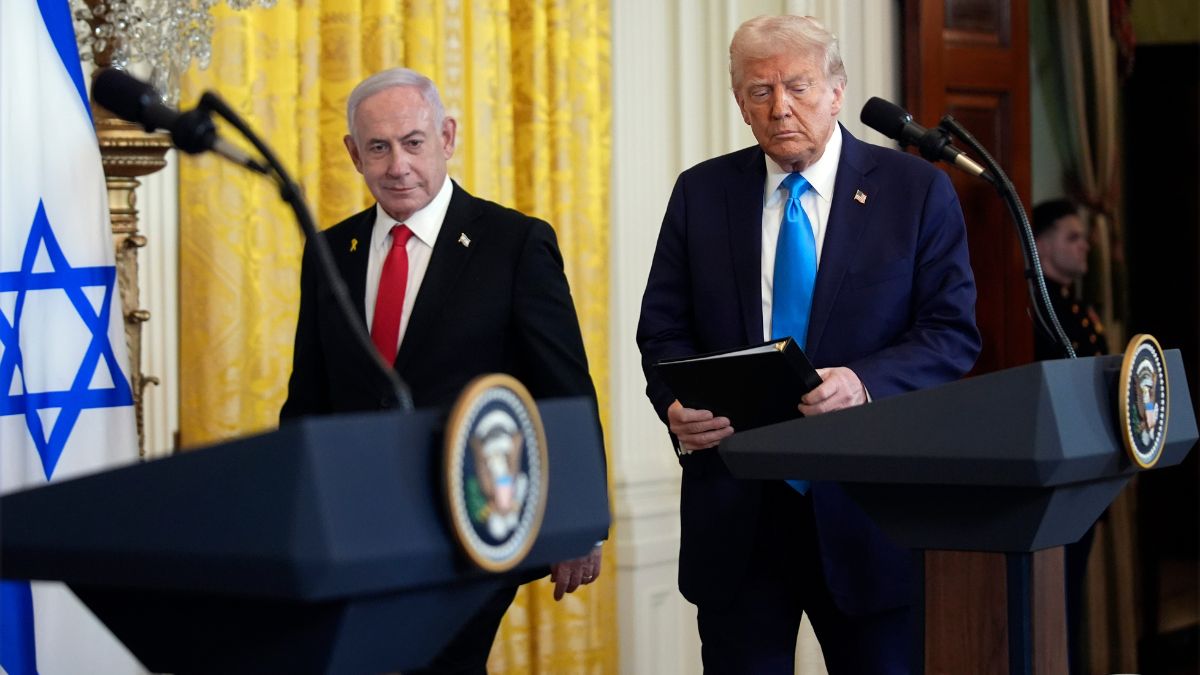 "Israel informed US ahead of strikes on Hamas leaders in Doha, says White House")
 "Israel targets top Hamas leaders in Doha; Qatar, Iran condemn strike as violation of sovereignty")
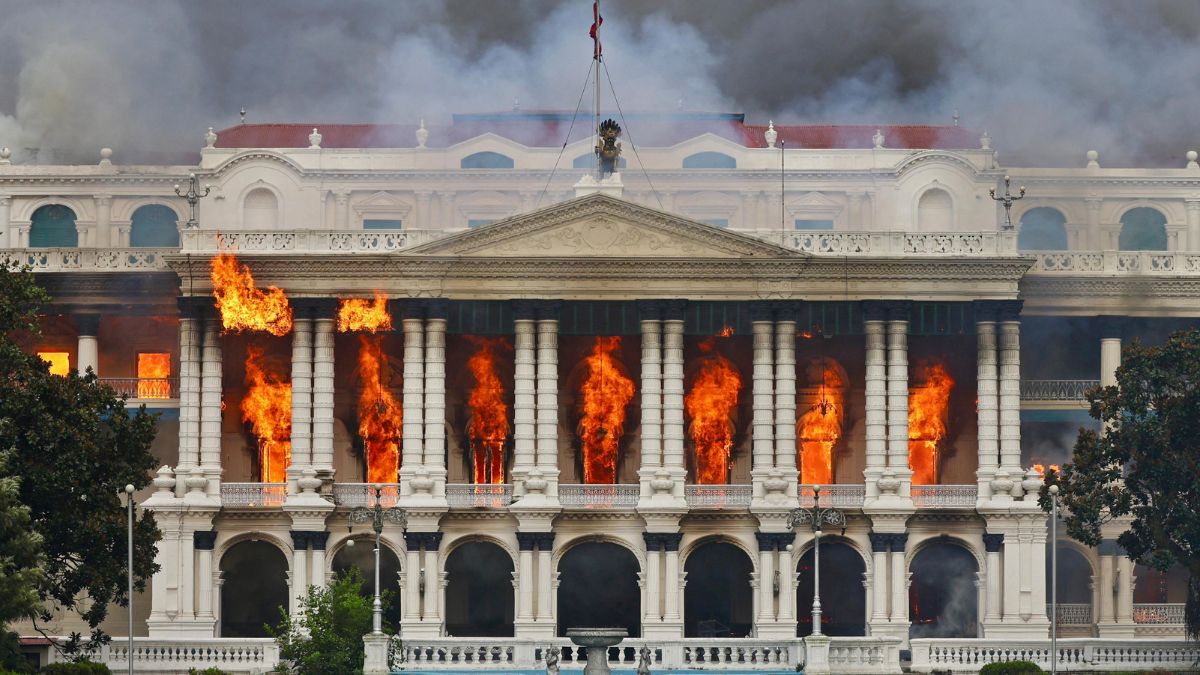 "Nepal: Oli to continue until new PM is sworn in, nation on edge as all branches of govt torched")
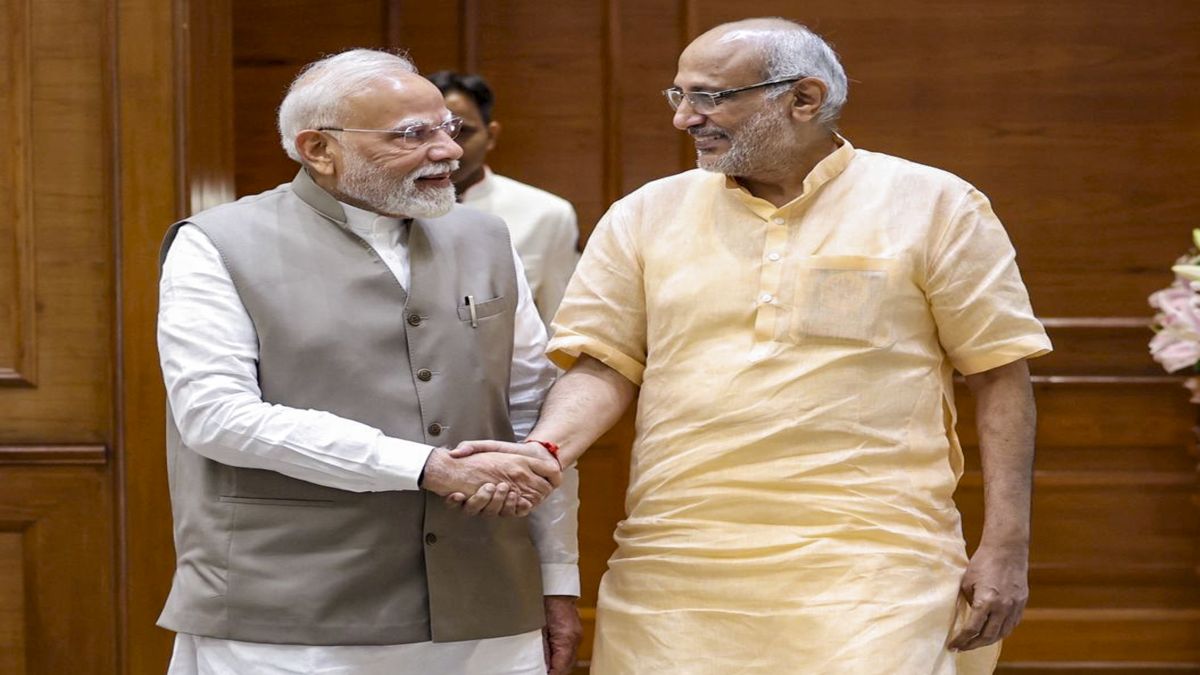 "Who is CP Radhakrishnan, India's next vice-president?")
 "Israel informed US ahead of strikes on Hamas leaders in Doha, says White House")



](https://images.firstpost.com/wp-content/uploads/2012/10/SharadPawar_PTI.jpg)