

 "SC's demand for apology, arrest of BJP worker shows how Section 66A of IT Act continues to haunt free speech despite being struck down")
On 17 November, 2012, two young women in a Facebook post criticised the complete shutdown that was observed in Mumbai following the death of Shiv Sena founder and chief Bal Thackeray. Shaheen Dhada wrote the original post and Renu Srinivasan commented on it criticising the shutdown. Dhada wrote, “Every day thousands of people die. But still the world moves on… Just due to one politician dead. A natural death. Everyone goes crazy… Respect is earned not given out, definitely not forced. Today Mumbai shuts down due to fear not due to respect." Srinivasan commented, “Everyone knows it’s done because of fear!!! We agree that he has done a lot of good things also, we respect him; it doesn’t make sense to shut down everything! Respect can be shown in many other ways!” These two viewpoints shared by two young women were enough for the police to invoke Section 66A of the IT Act — that gave police the power to arrest anyone for communicating any message that is “grossly offensive or has menacing character” through any electronic communication channel. [caption id=“attachment_6631321” align=“alignleft” width=“380”] BJP worker Priyanka Sharma was arrested under Section 66A of the IT Act for sharing a meme of Mamata Banerjee. ANI[/caption] The arrest was vehemently criticised and around 10 petitions were filed in the Supreme Court challenging the constitutional validity of Section 66A of the IT Act. Among them, one was filed by Shreya Singhal, a young law student from Delhi. On 24 March, 2015, in a landmark judgment a bench headed by Justice J Chelameswar and Justice Rohinton F Nariman struck down Section 66A of IT Act. Differentiating between ‘discussion, advocacy and incitement’, the bench held that “mere discussion or even advocacy of a particular cause, howsoever unpopular, is at heart of Article (19) (1) (a) (all citizens shall have the right to freedom of speech and expression)”. It added, “Only when such discussion or advocacy reaches the level of incitement that Article 19 (2) (it allows the state to make laws imposing reasonable restriction of freedom of speech and expression) kicks in.” In January 2019, four years after the 2015 SC judgment struck down Section 66A of IT Act, in a petition filed by People’s Union for Civil Liberties (PUCL), the Supreme Court issued a notice to the central government to take measures to stop the continued use of Section 66A of the IT Act, 2000, as the provision was struck down in Shreya Singhal versus Union of India judgment. According to PUCL, 22 people were booked under Section 66A even after it was scrapped by the Supreme Court in 2015. As
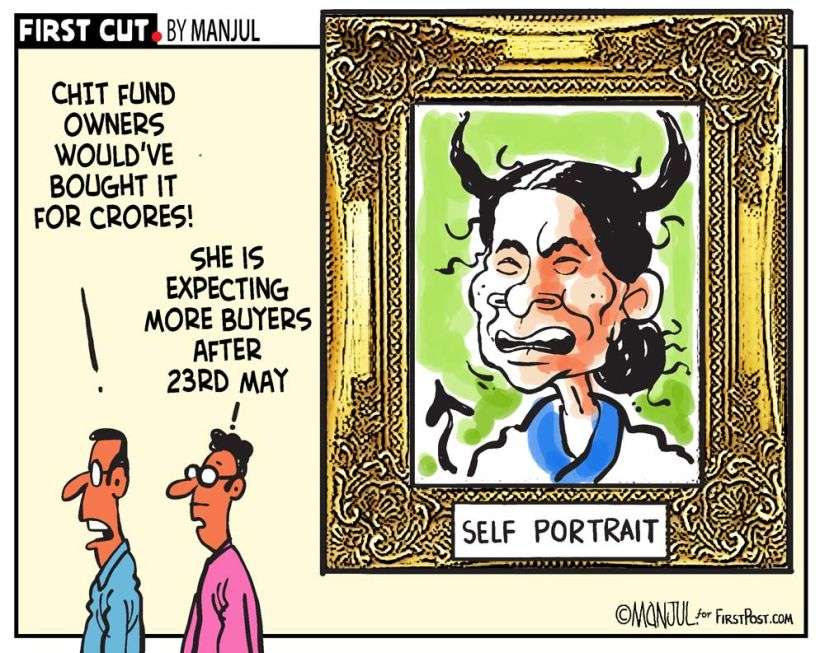
reported by The Hindu, “the bench led by Justice Nariman, who wrote the judgment in March 2015 upholding online free speech against Section 66A, said ‘strict action’ would follow if the claims in the petition filed by PUCL were found true”. Now, in yet another case of blatant misuse of Section 66 A of the IT Act, West Bengal Police arrested an activist of BJP’s youth wing on 10 May. Priyanka Sharma was arrested for sharing a morphed photo of West Bengal chief minister Mamata Banerjee on Facebook and was sent to judicial custody. Sharma was booked under Section 66A apart from Section 500 of the IPC and Section 67A of the Information Technology Act. Here, the most important questions that arise are: in which manner does Sharma’s post — a morphed picture of a leader — can amount to “incitement” and defamation, and for what reason was the Section 67A of IT Act invoked, which reads “punishment for publishing or transmitting of material containing sexually explicit act, etc, in electronic form"? Following her arrest, Sharma moved the Supreme Court seeking relief. On Tuesday, while hearing her plea seeking bail and challenging the arrest, the bench of Justices Indira Banerjee and Sanjiv Khanna ordered for Sharma’s immediate release, however, they also held that while freedom of speech is “non-negotiable” it cannot be allowed to “violate”. It also criticised the meme shared by Sharma, holding that it is wrong to superimpose somebody’s face like the meme did.
While Priyanka Sharma has been released and the Supreme Court waived the condition of apology, the fact that she was asked to apologise in the first place raises the question if Section 66A is still in existence
Advertisement
End of Article

 "Israel targets top Hamas leaders in Doha; Qatar, Iran condemn strike as violation of sovereignty")
 "Nepal: Oli to continue until new PM is sworn in, nation on edge as all branches of govt torched")
 "Who is CP Radhakrishnan, India's next vice-president?")
 "Israel informed US ahead of strikes on Hamas leaders in Doha, says White House")
 "Israel targets top Hamas leaders in Doha; Qatar, Iran condemn strike as violation of sovereignty")
 "Nepal: Oli to continue until new PM is sworn in, nation on edge as all branches of govt torched")
 "Who is CP Radhakrishnan, India's next vice-president?")
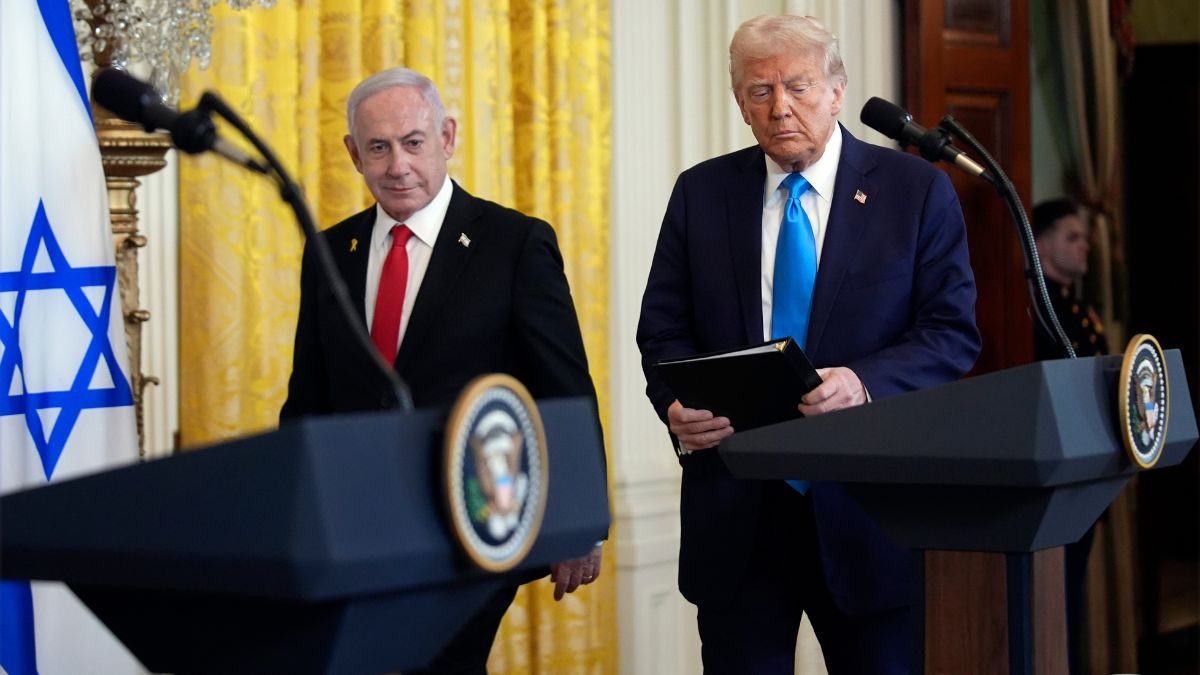 "Israel informed US ahead of strikes on Hamas leaders in Doha, says White House")



