IT services company iGate today sacked its President and CEO Phaneesh Murthy following a complaint of sexual harassment by a subordinate employee. A statement issued by the company said the decision followed “an investigation by (an) outside legal counsel, engaged by the board.” The company said the investigation covered “the facts and circumstances surrounding a relationship Mr. Murthy had with a subordinate employee and a claim of sexual harassment.” [caption id=“attachment_801983” align=“alignright” width=“450”]
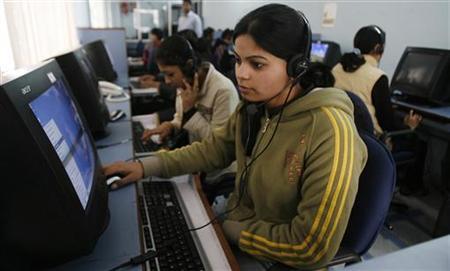
 Reuters[/caption] Sexual harassment in workplace is not new. Nalco Chairman-cum-Managing Director C Venkatramana, Pradeep Srivastava of Idea Cellular and politician an airline promoter Gopal Kanda are just some of the people accused in sexual harassment cases. So, when did the law of sexual harassment at workplace come into effect? It all started in 1997 with the Vishaka case. In a landmark case in 1997, the country for the first time officially recognised the need of sexual harassment laws and laid down guidelines of sexual harassment of working woman. Till then, there was hardly any law to safeguard sexual harassment of working women. The law came into effect following a rape case involving a social worker in Rajasthan. The verdict defined sexual harassment, laid down duties of employers in dealing with complaints and stipulated formation of committees to dispose of complaints from victims of harassment. Any sort of unwelcome, sexually determined physical, verbal and non-verbal conduct, and covered situations that disadvantaged women in their workplace, threatened their employment status or recruitment or promotion was included within the law. It laid down duties for employers to ensure that there was no hostile environment for women, barred victimisation of affected women and witnesses and directed an express ban on sexual harassment through rules and regulations of service or standing orders in the private sector. It contemplated Complaints Committees at all workplaces, headed by a woman employee, with not less than half of its members being women. The verdict invoked provisions of international law including the Convention on the Elimination of all forms of Discrimination Against Women. You can
read more about the Vishaka case here
and
here.
Reuters[/caption] Sexual harassment in workplace is not new. Nalco Chairman-cum-Managing Director C Venkatramana, Pradeep Srivastava of Idea Cellular and politician an airline promoter Gopal Kanda are just some of the people accused in sexual harassment cases. So, when did the law of sexual harassment at workplace come into effect? It all started in 1997 with the Vishaka case. In a landmark case in 1997, the country for the first time officially recognised the need of sexual harassment laws and laid down guidelines of sexual harassment of working woman. Till then, there was hardly any law to safeguard sexual harassment of working women. The law came into effect following a rape case involving a social worker in Rajasthan. The verdict defined sexual harassment, laid down duties of employers in dealing with complaints and stipulated formation of committees to dispose of complaints from victims of harassment. Any sort of unwelcome, sexually determined physical, verbal and non-verbal conduct, and covered situations that disadvantaged women in their workplace, threatened their employment status or recruitment or promotion was included within the law. It laid down duties for employers to ensure that there was no hostile environment for women, barred victimisation of affected women and witnesses and directed an express ban on sexual harassment through rules and regulations of service or standing orders in the private sector. It contemplated Complaints Committees at all workplaces, headed by a woman employee, with not less than half of its members being women. The verdict invoked provisions of international law including the Convention on the Elimination of all forms of Discrimination Against Women. You can
read more about the Vishaka case here
and
here.
Only in India: Sexual harassment against women at work recognised in 1997
FP Staff
• May 21, 2013, 15:44:31 IST
In a landmark case in 1997, the country for the first time officially recognised the need of sexual harassment laws and laid down guidelines of sexual harassment of working woman.
Advertisement
 "Only in India: Sexual harassment against women at work recognised in 1997")
End of Article